Tourist arrivals along eastern Nepal’s Mundum Trail are increasing, bringing renewed business opportunities for local hotels, promoting local products and strengthening community-based tourism. The Mundum Trail, one of eastern Nepal’s emerging trekking destinations, is witnessing a rise in tourist arrivals as favourable weather and scenic mountain landscapes attract both domestic and international visitors.
The growing movement of trekkers has brought increased activity to hotels and tourism-related businesses along the route, generating optimism among local entrepreneurs and communities. Located in the eastern hills of Nepal, the trail offers a combination of natural beauty, cultural heritage, traditional lifestyles and mountain views. The increasing popularity of the route is creating opportunities for local communities to benefit from tourism while strengthening Bhojpur’s position as an emerging trekking destination.
Tourist Arrivals Boost Hotel Occupancy and Local Businesses
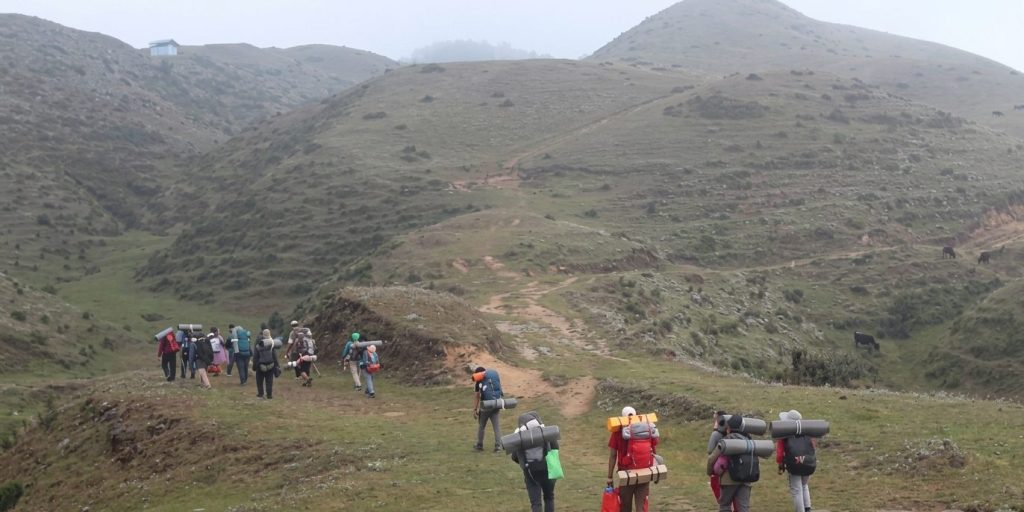
The increase in tourist arrivals has particularly benefited hotels and hospitality businesses around Chakhewa, an important point along the Mundum Trail. According to local hotel entrepreneur Nawaraj Kangmang, approximately 150 to 200 visitors begin their Mundum Trail journeys from the Chakhewa area each day. With more trekkers visiting the region, hotels are experiencing increased demand for accommodation and food services. Kangmang said that the 16 hotels operating in the Chakhewa area are generally fully occupied during the current trekking season, reflecting the growing popularity of the destination.
The benefits of rising tourist arrivals extend beyond the hospitality sector. Visitors frequently stay at local hotels, purchase meals and buy essential supplies during their journeys, contributing to the local economy. Increased tourist spending has supported hotel operators while creating additional markets for locally produced agricultural goods and traditional household products. Local entrepreneurs believe that the growing trekking activity could generate further income opportunities if tourism services and local production are effectively connected. Promoting locally sourced food, traditional cuisine and locally made products could also enhance visitors’ experiences while ensuring that a greater share of tourism revenue remains within the community.
Mundum Trail’s Natural and Cultural Attractions
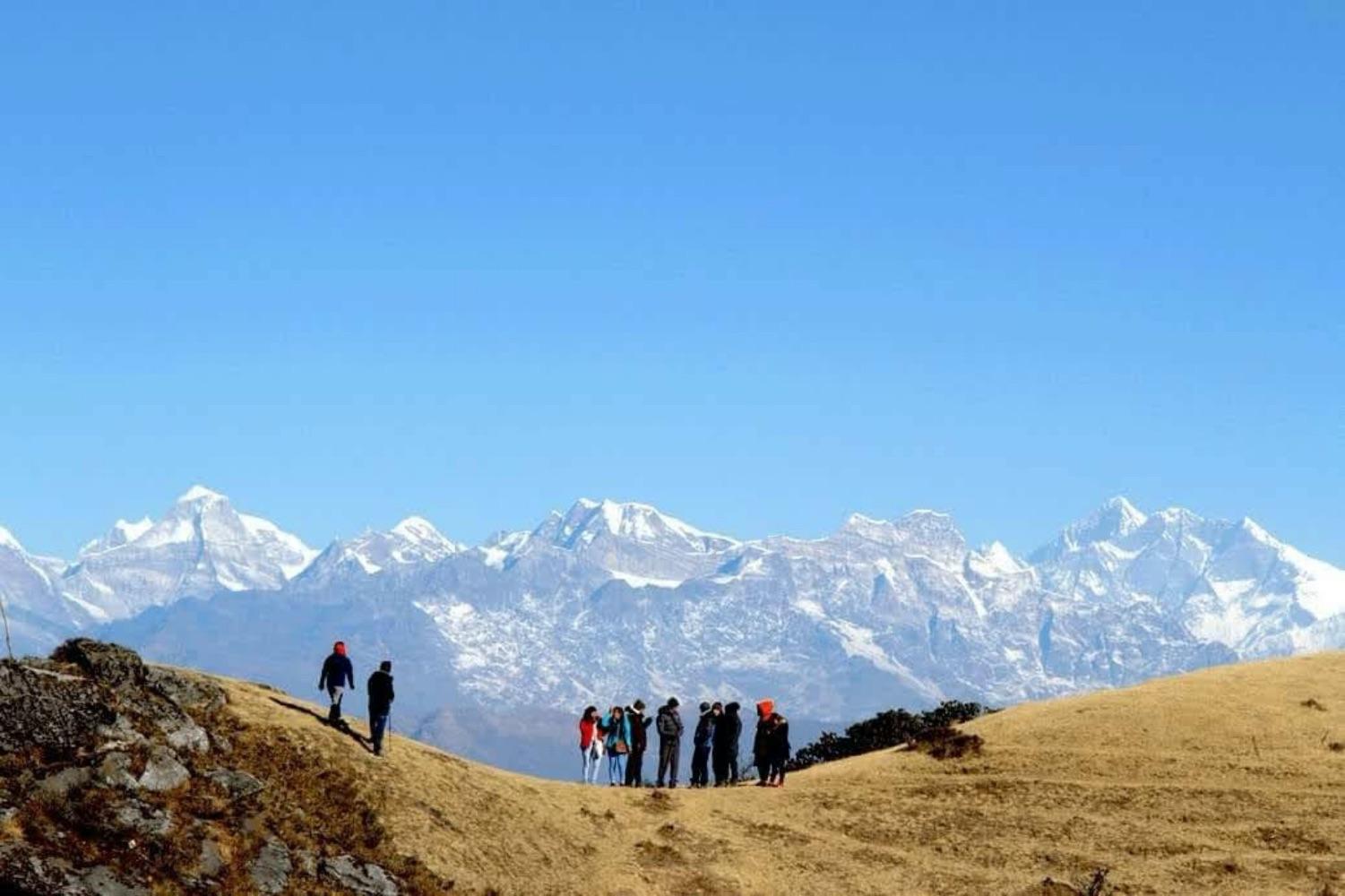
The Mundum Trail is recognised for its distinctive combination of natural landscapes and cultural significance. Trekkers travelling along the route can enjoy panoramic views of the eastern Himalayan ranges, rolling green hills, forests, rhododendron-covered landscapes and diverse natural surroundings. The trail passes through several notable destinations, including Tawa Bhanjyang, Chakhewa, Temke Danda, Maiyung Danda, Salpa Pokhari and Silichung Peak. These locations offer scenic viewpoints and opportunities to experience the natural and cultural diversity of eastern Nepal.
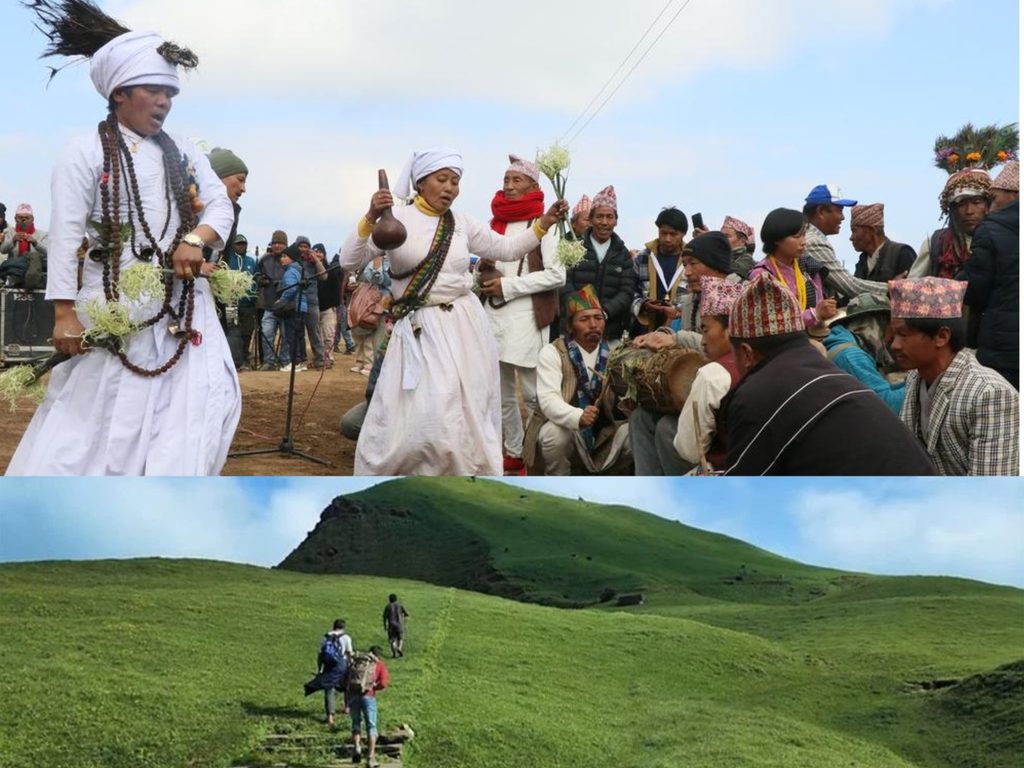
Beyond its landscapes, the trail holds particular significance because of its connection to Kirat civilisation, culture and the Mundum tradition. The indigenous cultural heritage, traditional lifestyles and local customs give the trekking route a distinctive identity compared with other trekking destinations in Nepal. The combination of nature, culture and spirituality makes the Mundum Trail attractive to visitors interested in trekking, cultural exploration and nature-based tourism.
Travellers can experience local communities and traditional practices while exploring the region’s mountain scenery and rural landscapes. Tourism entrepreneurs report that visitor activity is particularly high during two periods: from Bhadra to Mangsir and from Chaitra to Saun. Favourable weather conditions during these months make trekking more comfortable and provide better opportunities to enjoy the surrounding landscapes.
Local Government Prioritises Tourism Infrastructure and Promotion
Temkemaiyung Rural Municipality has identified the Mundum Trail as one of its important tourism assets and is working to strengthen its position as a recognised trekking destination. Rural Municipality Chairperson Saroj Basnet said the local government aims to develop the area through planned tourism infrastructure, destination promotion and conservation initiatives. According to Basnet, the municipality is focusing on establishing the identity of the Mundum Trail at national and international levels through promotional activities and improvements to tourism infrastructure.
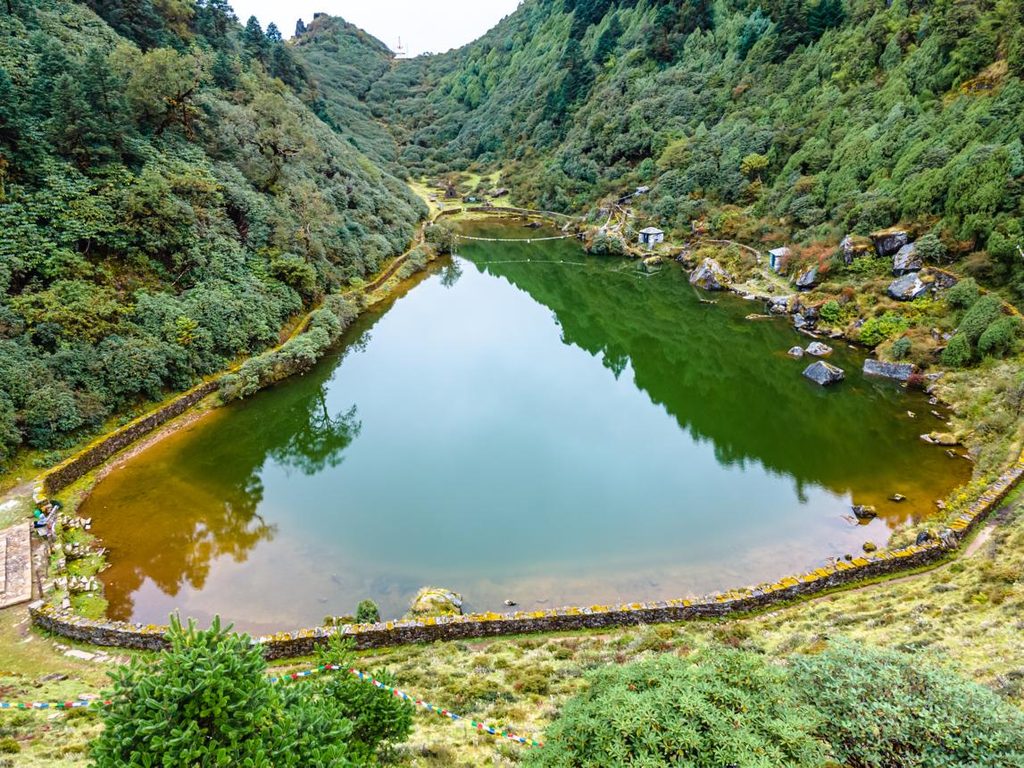
Maintaining the trail, ensuring cleanliness, improving accessibility and expanding tourist-friendly services are among the priorities for sustaining visitor growth.”The number of tourists travelling along the Mundum Trail has been increasing every year,” Basnet said, adding that the municipality is paying attention to ensuring convenient and safe journeys for visitors. Infrastructure improvements are also being carried out along the route to enhance the trekking experience.
Facilities such as drinking water, toilets, resting places and information boards are being developed, while regular maintenance of the trekking trail is being undertaken to improve accessibility and visitor convenience. The municipality has also emphasised coordination among local authorities, tourism entrepreneurs and community members to support the safe and sustainable development of the destination. Improved trail management and visitor facilities are expected to strengthen the region’s capacity to accommodate growing numbers of trekkers.
Community-Based Tourism Creates New Economic Opportunities
The growing popularity of the Mundum Trail is also creating opportunities to connect tourism with local employment, agricultural production and traditional businesses. Rural Municipality Vice-Chairperson Ramadevi Rai said tourism development could play an important role in increasing household incomes and improving livelihood opportunities for local residents. She noted that rising visitor numbers create opportunities to operate hotels, restaurants and food outlets while expanding markets for locally produced goods. Connecting tourism activities with local products and employment would allow more residents to generate income within their own communities.
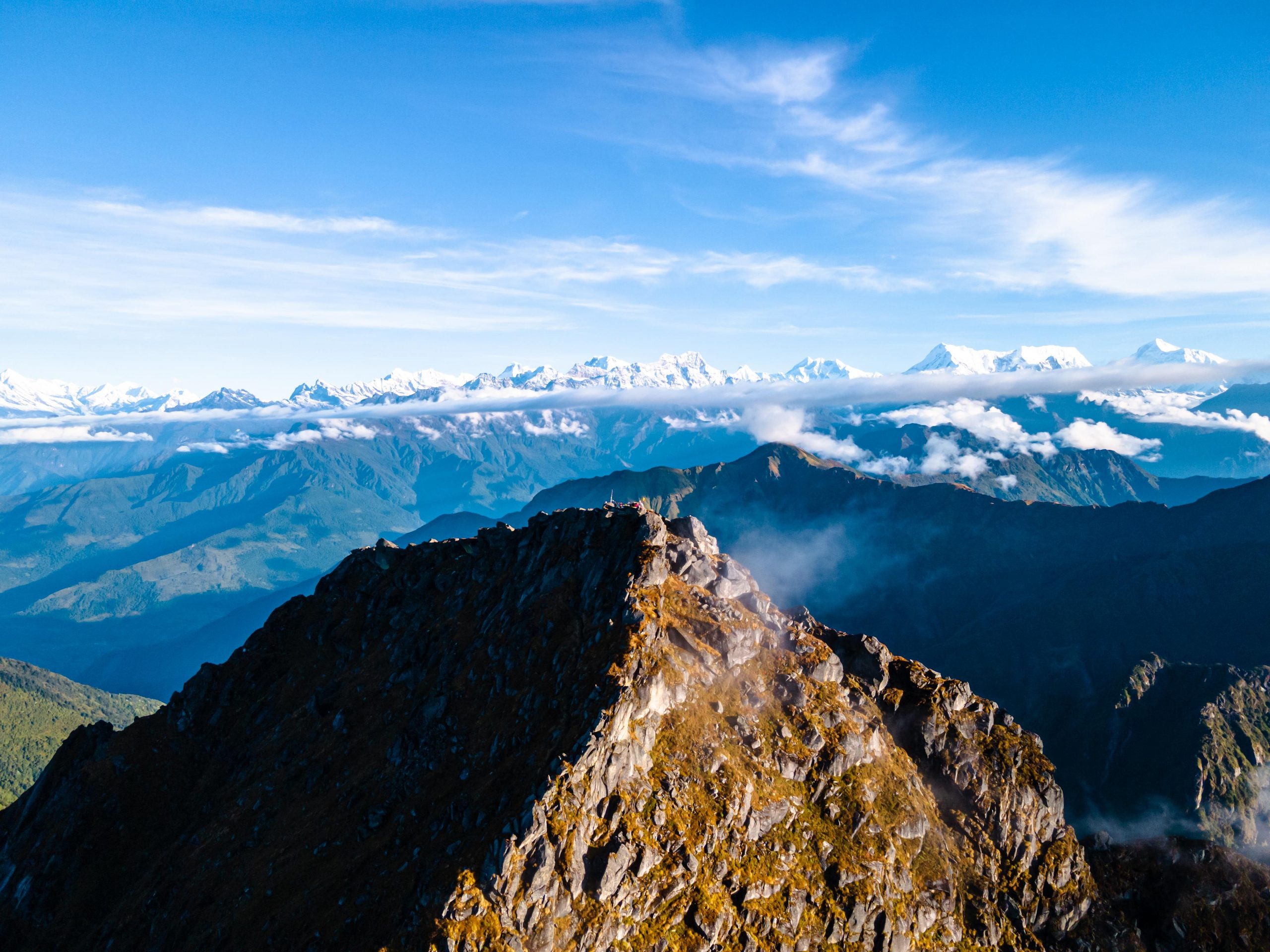
The promotion of traditional food, agricultural products and locally made household items could further strengthen the economic benefits of trekking tourism. Visitors could experience the region’s distinctive food culture and local products while supporting small businesses and producers. The continued development of the Mundum Trail therefore presents opportunities beyond trekking itself. With improved infrastructure, effective destination promotion, cultural preservation and stronger community participation, the route has the potential to become an important contributor to eastern Nepal’s tourism economy.
As tourist arrivals continue to increase, collaboration among the local government, tourism entrepreneurs and communities will remain important in maintaining the trail’s appeal. Sustainable tourism management and the promotion of its natural and cultural attractions could help establish the Mundum Trail as a prominent destination for domestic and international trekkers.
Source-RSS