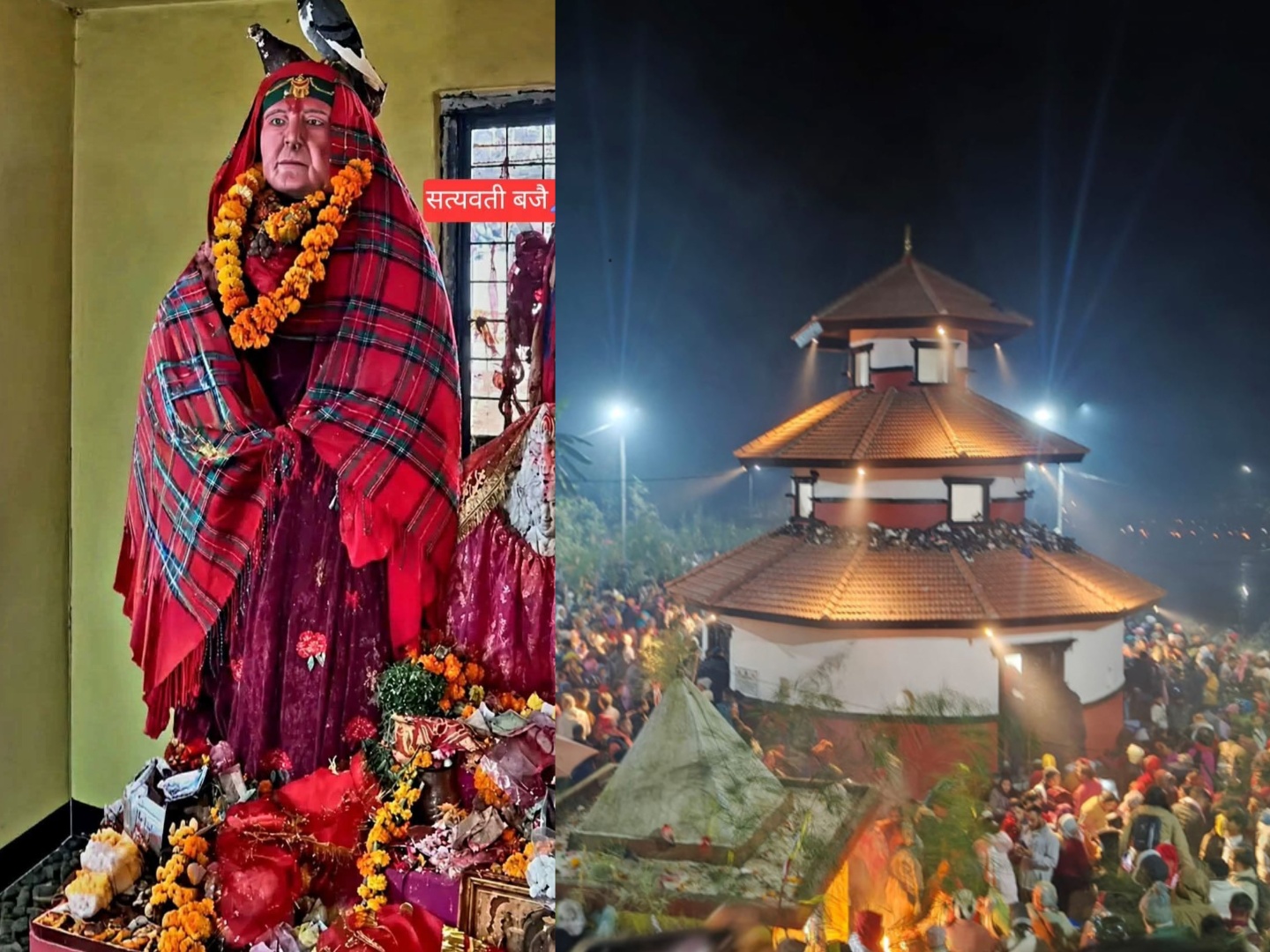
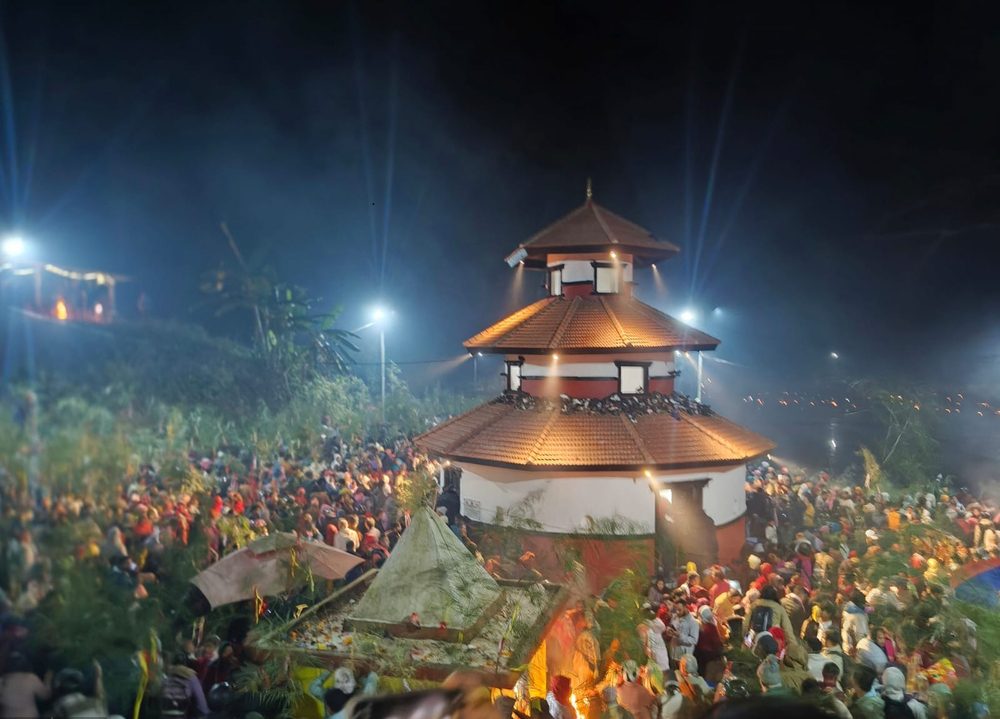
The five-day Satyawati Fair, held at Satyawati Lake in Tinau Rural Municipality-4, Kol Danda, Palpa, concluded with an estimated 100,000 devotees and visitors participating in the annual religious gathering. Organised on the occasion of Kartik Purnima, the fair attracted pilgrims from Palpa, neighbouring districts and different parts of India, highlighting the growing appeal of the destination as an important centre of religious and cultural tourism in western Nepal.
The annual celebration is particularly known for its distinctive midnight tradition, in which devotees shout out their wishes while worshipping Satyawati Bajyai, the deity associated with the lake. Believers consider that expressing wishes aloud at the sacred site can help fulfil their prayers. During the festival, visitors also performed religious rituals, circumambulated the lake, and offered animal sacrifices according to their vows, making the gathering a significant occasion for worship and community participation.
Midnight Wish-Making Tradition Draws Thousands of Devotees
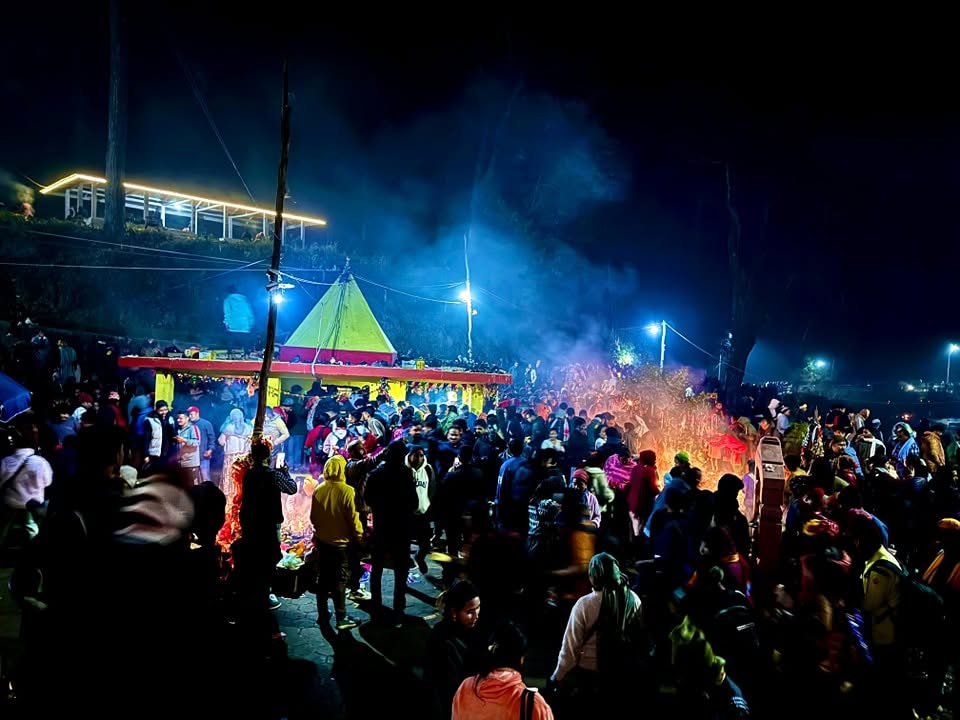
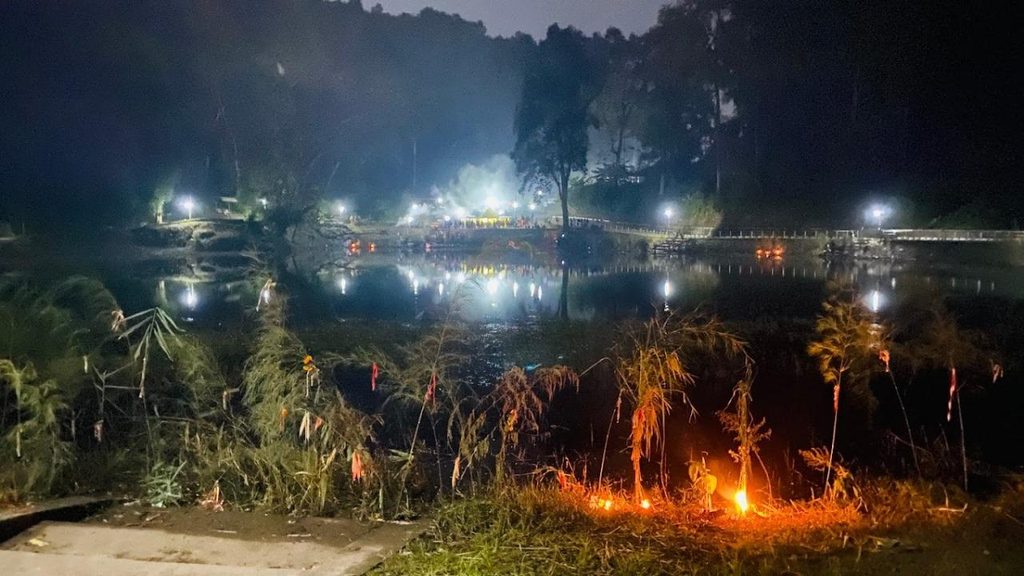
The most distinctive feature of the Satyawati Fair is the traditional practice of calling out wishes at midnight. Devotees gather around the lake carrying bamboo poles, which they place around its perimeter and worship before loudly expressing their wishes. According to local belief, Satyawati Bajyai has difficulty hearing, which is why people must shout to communicate their prayers.
The tradition is connected to a local legend about a young man who once had to raise his voice while asking the goddess to fulfil his wish. Over generations, the practice became an established part of the annual fair and is now one of the main attractions for pilgrims visiting the lake. Devotees commonly pray for children, employment opportunities, overseas travel and the well-being and prosperity of their families.
According to local customs, each person is expected to make only one wish and return home without looking back after completing the ritual. Those who believe their wishes have been fulfilled later return to the site to honour their vows through offerings, which may include goats, buffaloes, pigeons and ducks. Visitors also worship at the temples dedicated to Bajyai and Bajebajyai and perform rituals around the lake.
Five-Day Celebration Attracts Visitors from Nepal and India
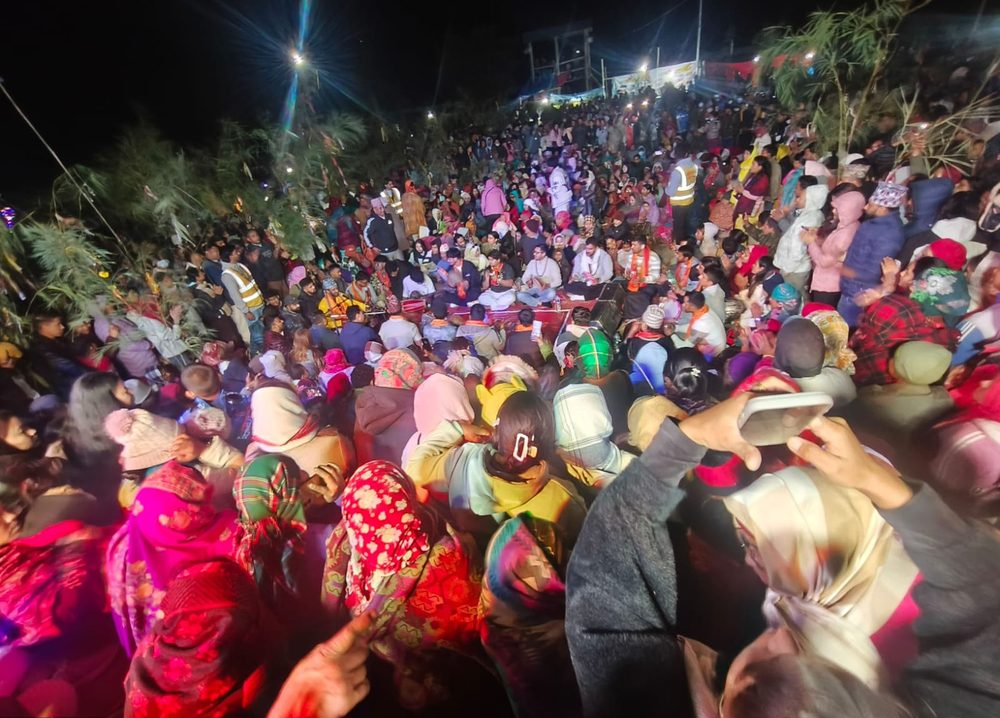
The fair was extended to five days this year, compared with the three-day celebration traditionally held in previous years. According to Dan Bahadur Gaha, chairperson of the temple management committee, the event received a substantial number of devotees even though the occasion did not coincide with a particularly auspicious astrological alignment. The timing of Kartik Purnima during the month of Kartik is considered religiously significant, contributing to the importance of the annual gathering.
The estimated attendance of around 100,000 visitors reflects the strong religious connection people have with Satyawati Lake and its associated traditions. Beyond its religious significance, the fair provides an opportunity for visitors to experience the local culture, traditional practices, and natural surroundings of the Kol Danda area. The combination of religious rituals, folklore, and community participation gives Satyawati a distinctive identity among pilgrimage destinations in Lumbini Province.
Improved Infrastructure Makes Pilgrimage More Convenient
Access and visitor facilities around Satyawati Lake have improved over the years, making the journey more convenient for pilgrims. In the past, reaching the temple was difficult because transport services were limited and the surrounding area lacked organised infrastructure. Improvements to roads, the temple premises and other basic facilities have gradually enhanced the visitor experience.
According to ward chairperson Tul Bahadur Ale, road maintenance along the routes connecting Chaubismile and Jhumsa Panimil, the construction of a causeway across a stream, and improvements in drinking water and toilet facilities helped make this year’s pilgrimage more comfortable. Arrangements were also made to help senior citizens and persons with disabilities reach the temple using vehicles.
However, some infrastructure activities identified in the destination’s master plan remain to be completed. Rural Municipality Vice-Chairperson Lal Bahadur Thapa said development works were being advanced in accordance with the detailed project report prepared for the temple area. He also emphasised the importance of cooperation among stakeholders to ensure the overall development of the religious and historically significant site.
Satyawati Lake Holds Potential for Religious and Cultural Tourism
Satyawati Lake is also associated with a local legend explaining its origin. According to popular belief, Satyawati Bajyai was once travelling with drinking water carried in a container made from a gourd. When she stopped to rest at the present location, the water spilled and formed the lake. Local people believe that the lake’s shape resembles a gourd, adding another distinctive element to the destination’s cultural and religious identity.
Tinau Rural Municipality Chairperson Prem Shrestha described Satyawati Lake and its temple as important religious and tourism assets of Palpa. He said the local government plans to promote the destination and improve its infrastructure to attract more visitors. He also highlighted the need to create conditions that allow devotees to worship at the temple throughout the year, rather than limiting visits mainly to the annual fair.
With its distinctive midnight wish-making ritual, strong religious traditions, local legends, and improving visitor facilities, Satyawati Lake has considerable potential to develop as a year-round religious and cultural tourism destination. Continued infrastructure development, effective promotion, and cooperation among local communities and relevant authorities could further strengthen its position on Palpa’s tourism map.