Nepal is strengthening its position as an attractive travel destination for Bhutanese visitors, with growing interest in religious pilgrimages, cultural experiences, nature-based holidays and mountain tourism. Blessed with the birthplace of Gautama Buddha, important Buddhist heritage sites and diverse natural landscapes, Nepal continues to draw visitors from Bhutan through both land and air routes. Bhutanese tourists have been arriving in Nepal particularly through the eastern border point of Kakarbhitta and Tribhuvan International Airport in Kathmandu.
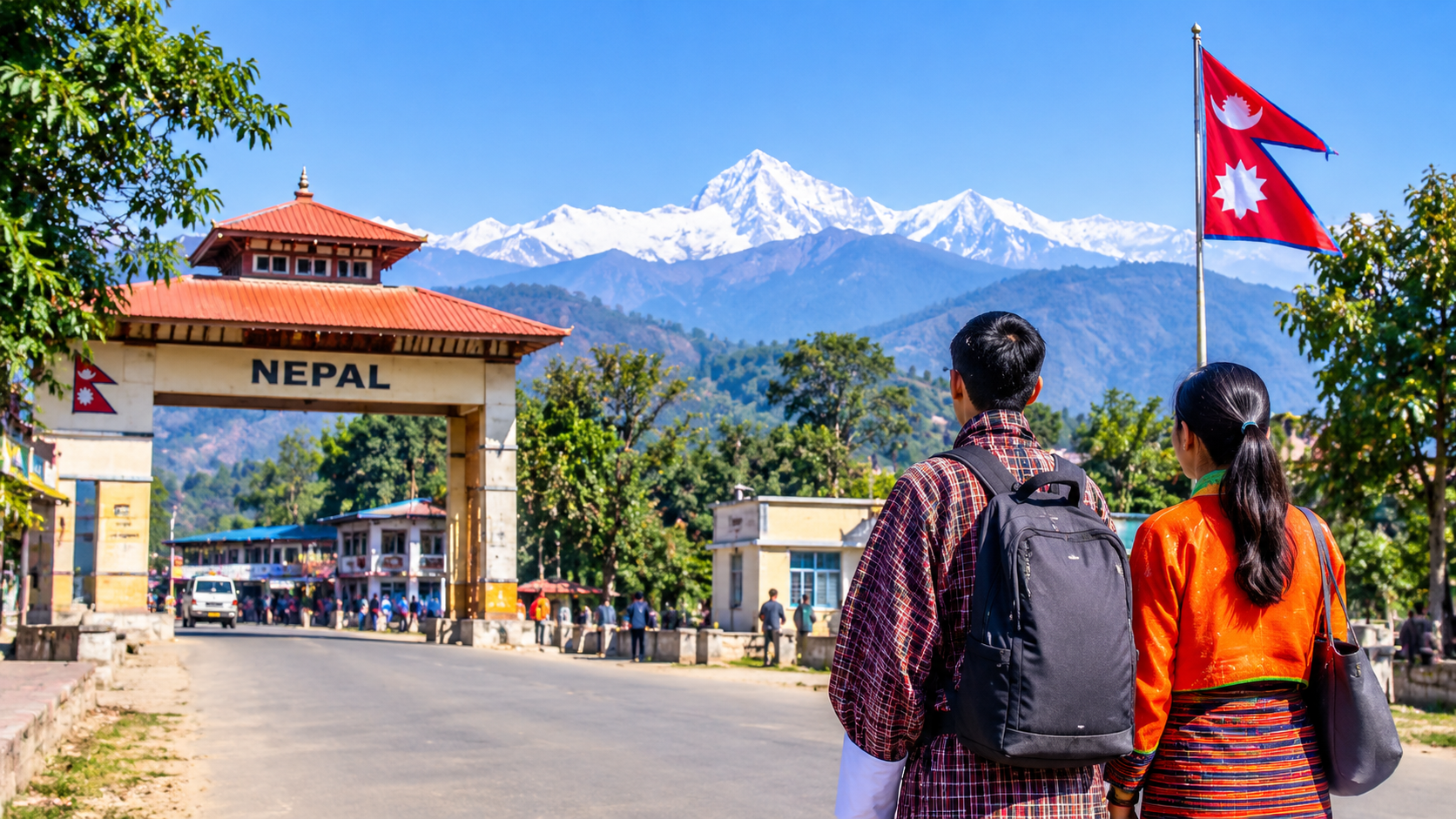
The growing movement through the eastern border highlights the importance of cross-border connectivity in promoting tourism between the two neighbouring Himalayan countries. According to the Immigration Office in Kakarbhitta, 1,016 Bhutanese tourists entered Nepal through the eastern border during the first four months of the current fiscal year 2083/84. The figure represents a notable share of the 4,415 foreign tourists who entered Nepal through the checkpoint during the same period.
Bhutanese Visitors Account for a Significant Share of Arrivals Through Kakarbhitta
Bhutanese nationals have emerged as the largest group of third-country visitors entering Nepal through the Kakarbhitta border point. According to the immigration office, Bhutanese visitors account for more than half of the foreign tourist arrivals recorded through this eastern entry point in some reporting periods, demonstrating the growing importance of the Bhutanese market for Nepal’s tourism sector. Immigration Office Chief Tulsi Bhattarai said that the arrival of Bhutanese visitors through the eastern border has continued to improve following the gradual recovery from the COVID-19 pandemic. The trend reflects the sustained travel connection between the two countries and the convenience of land transportation for visitors travelling from Bhutan.
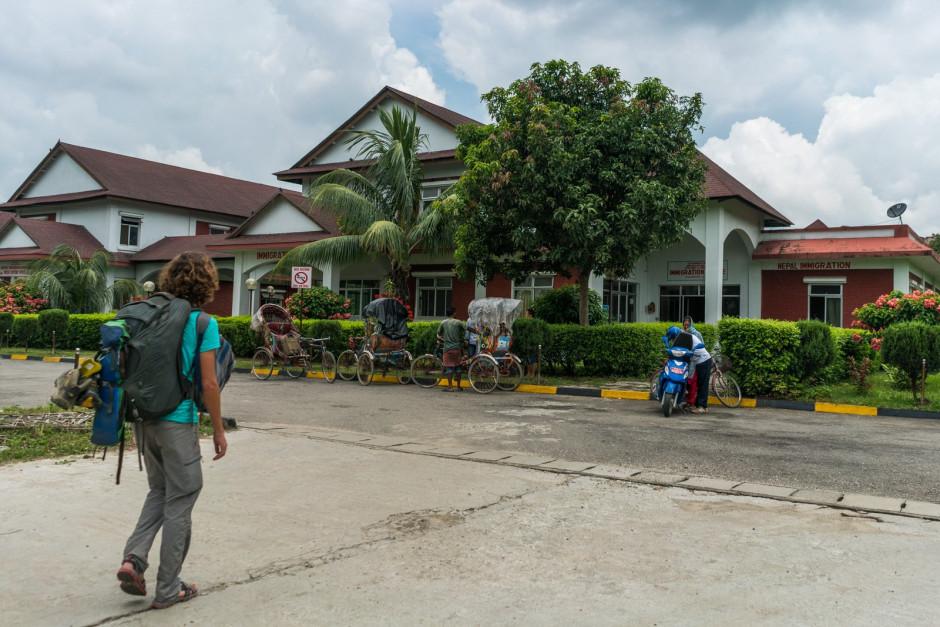
The arrival figures from recent fiscal years also show the importance of this market. In fiscal year 2081/82, a total of 5,226 Bhutanese tourists entered Nepal through Kakarbhitta. In the following fiscal year 2082/83, the border recorded 9,447 foreign tourist arrivals, including 4,447 Bhutanese nationals. The figures indicate that Bhutanese visitors represented approximately 47 percent of all foreign arrivals through Kakarbhitta in fiscal year 2082/83. This substantial share highlights the eastern border’s role as an important gateway for tourism exchanges between Nepal and Bhutan.
Easy Land Connectivity Supports Cross-Border Tourism
Geographical proximity and convenient road connectivity are among the major factors encouraging Bhutanese visitors to travel to Nepal by land. The Phuentsholing border area in southern Bhutan and Kakarbhitta in eastern Nepal provide an important connection for cross-border movement. For many Bhutanese travellers, entering Nepal through Kakarbhitta offers an accessible route to explore destinations across the country. The availability of road transportation also allows visitors to plan journeys that combine religious sites, cultural attractions and natural destinations.
Kakarbhitta’s position as an eastern entry point creates opportunities to connect Bhutanese travellers with tourism destinations in eastern Nepal and other parts of the country. Visitors can explore Nepal’s diverse landscapes and cultural attractions while continuing their journeys towards major tourism centres such as Kathmandu, Pokhara and Lumbini. The growing number of Bhutanese visitors also demonstrates the potential for stronger tourism cooperation between the two neighbouring countries. Improved travel information, convenient transportation services and destination promotion can further support cross-border tourism and encourage visitors to explore more destinations in Nepal.
Kathmandu, Lumbini and Pokhara Remain Major Attractions
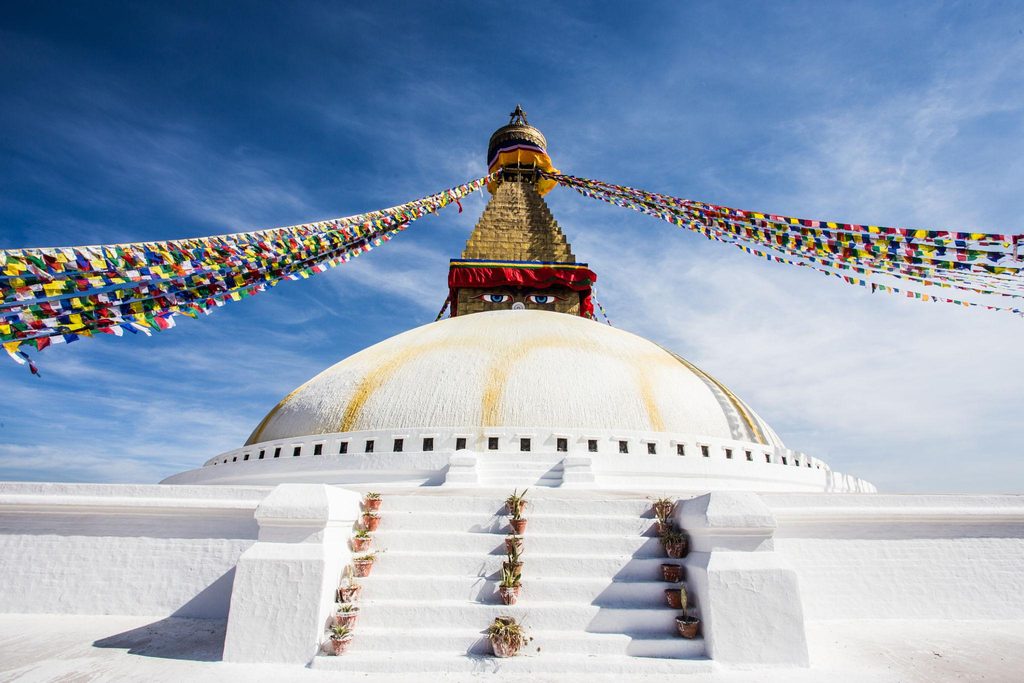
After entering Nepal, Bhutanese tourists commonly visit Kathmandu, Lumbini and Pokhara, three destinations offering distinct religious, cultural and natural experiences. Kathmandu is an important attraction for visitors interested in Buddhist and Hindu heritage, historic architecture, monasteries and cultural traditions. The Kathmandu Valley offers opportunities to explore religious monuments and heritage sites while experiencing Nepal’s traditional culture and hospitality.
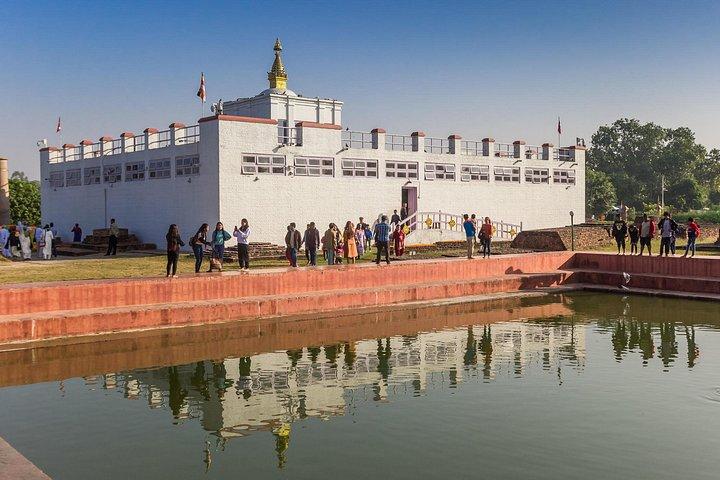
Lumbini, the birthplace of Gautama Buddha, holds particular significance for Bhutanese visitors and Buddhist pilgrims. Recognised as a major international centre of Buddhist heritage, Lumbini attracts travellers interested in the life and teachings of Buddha. Its monasteries, sacred gardens and archaeological sites provide opportunities for spiritual reflection and cultural exploration.
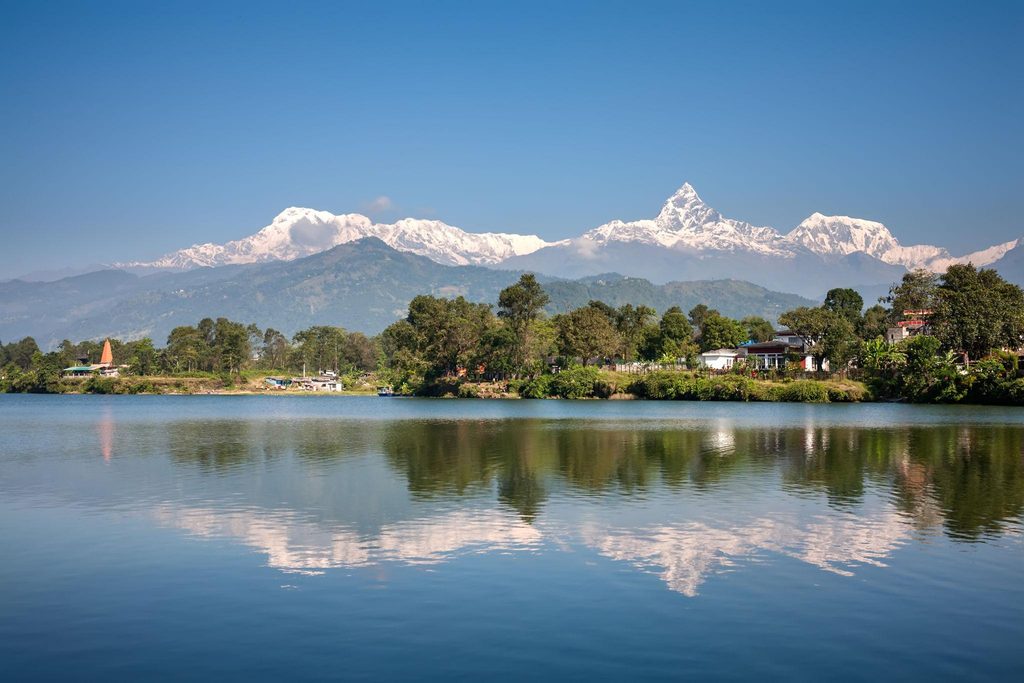
Pokhara, meanwhile, appeals to visitors seeking natural beauty and outdoor experiences. Surrounded by mountain landscapes and located beside the scenic Phewa Lake, the city offers opportunities for sightseeing, boating, trekking and adventure activities. Its panoramic Himalayan views and peaceful environment make it one of Nepal’s leading leisure tourism destinations. Beyond these established destinations, Nepal’s diverse tourism offerings provide opportunities for Bhutanese travellers to experience mountain scenery, rural communities, cultural heritage and nature-based activities. The combination of spiritual, cultural and recreational attractions makes Nepal an appealing destination for different types of visitors.
36,289 Bhutanese Tourists Visit Nepal in 2025
The growing importance of Bhutanese visitors is also reflected in Nepal’s national tourism arrival statistics. According to the Nepal Tourism Board, Nepal received 36,289 visitors from Bhutan in 2025 out of a total of 1,158,459 international tourist arrivals. Bhutan’s contribution highlights the importance of the neighbouring country in Nepal’s regional tourism market. Among the South Asian Association for Regional Cooperation (SAARC) countries, India ranked first in tourist arrivals to Nepal, followed by Bangladesh, while Bhutan also remained an important source market.
The strong presence of Bhutanese visitors through Kakarbhitta, alongside arrivals by air through Kathmandu, demonstrates the value of maintaining convenient travel connections between the two countries. Both land and air connectivity support different travel preferences and provide visitors with greater flexibility when planning trips to Nepal. The period from September to February, corresponding broadly to the Nepali months of Ashoj to Falgun, is considered a favourable time for Bhutanese tourists to visit Nepal.
During this season, visitors can enjoy relatively pleasant travel conditions, mountain views, trekking opportunities and visits to important Buddhist pilgrimage destinations. With its shared Himalayan heritage, spiritual connections, accessible land routes and varied tourism experiences, Nepal has considerable potential to attract more visitors from Bhutan. Continued promotion of religious, cultural, nature-based and adventure tourism, along with convenient cross-border travel, can further strengthen Nepal’s appeal in the Bhutanese tourism market.