
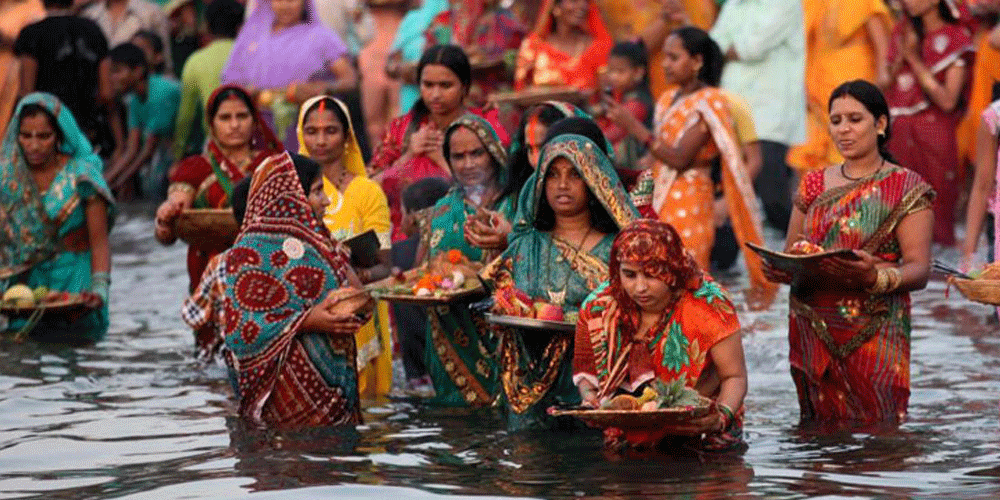
The Chhath Festival in Mithila has begun, bringing a vibrant festive atmosphere to villages, towns and markets across Mahottari and other parts of the Mithila region. Celebrated over four days with deep religious devotion, the festival honours the Sun God and Chhathi Maiya through traditional rituals, prayers and offerings. Local communities are actively preparing riverbanks, ponds and other sacred water bodies for the celebrations. The festival also highlights Mithila’s rich cultural heritage, traditional craftsmanship and strong sense of community.
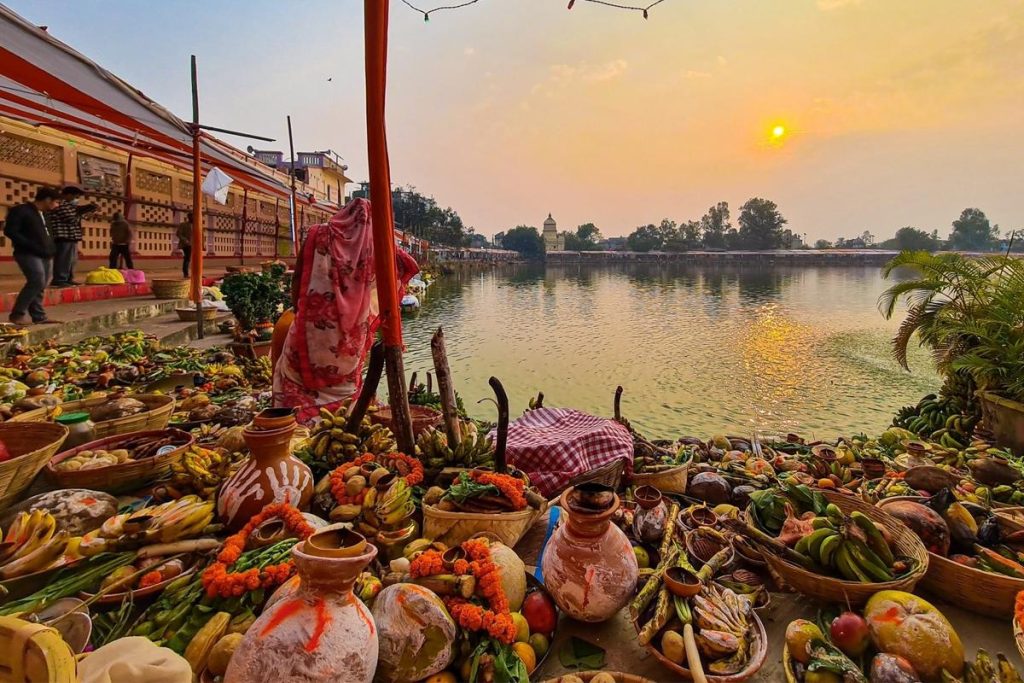
Mithila Comes Alive with Chhath Preparations
With the conclusion of the Tihar festival, households across Mithila have turned their attention to Chhath preparations. Traditional devotional songs praising the Sun God and Chhathi Maiya are already echoing through neighborhoods, creating a distinctive festive atmosphere. Residents are cleaning and decorating homes, streets and public spaces while installing colourful lights to welcome the occasion. Families from different economic backgrounds are preparing to observe the festival according to their means and traditions.
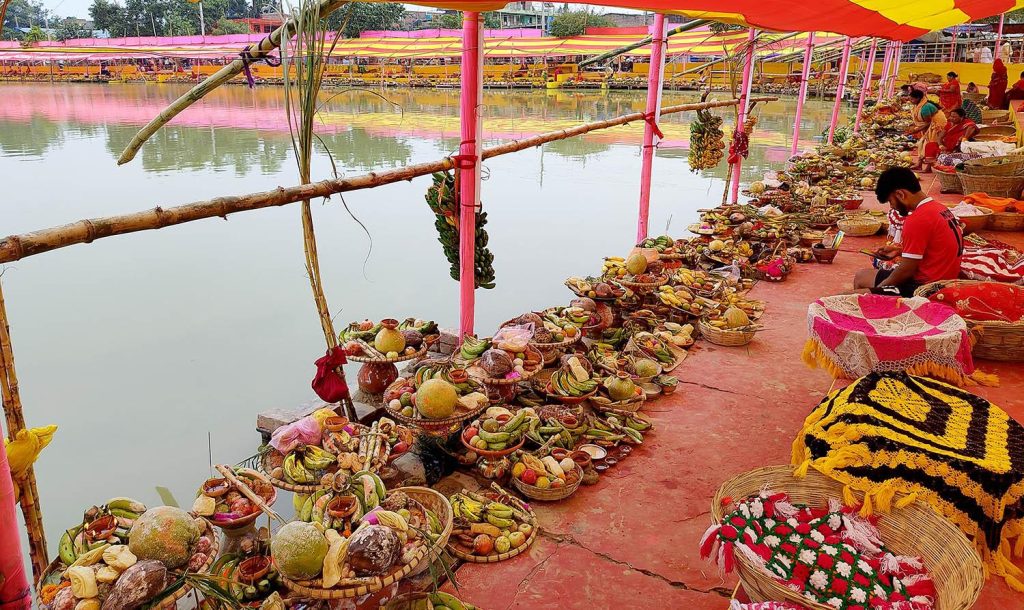
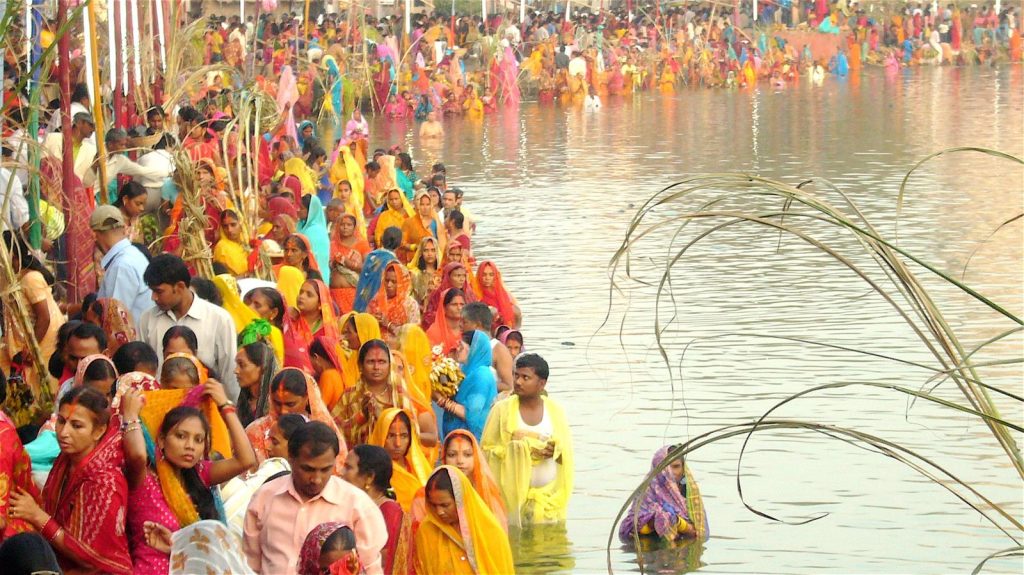
Community participation is particularly visible around rivers, ponds and other religiously significant water bodies, where locals are constructing and cleaning Chhath ghats. Young people are actively involved in preparing and decorating these public spaces using bamboo materials and other traditional resources. According to Haridev Mahato, principal of Janata Secondary School in Bijalpura, Bardibas 13, everyday activities and social gatherings have increasingly become centred on festival preparations. These collective efforts reflect the importance of community cooperation in preserving Mithila’s cultural traditions.
Traditional Markets and Local Crafts Gain Momentum
Markets across the Mithila region are experiencing increased activity as residents purchase essential items for Chhath rituals. Bananas, sugarcane, ginger, turmeric plants, citrus fruits and other traditional offerings are among the products in demand. Local farmers are preparing to bring fresh agricultural produce to markets, with sales expected to increase significantly ahead of the main worship day. Jaleshwar Chamber of Commerce and Industry President Shiv Chandra Chaudhary said Saturday would be an important day for the sale of festival related goods.
Demand has also increased for traditional bamboo and clay products used during the celebrations. Locally made items include dhaki, daliya, koniya, trays, sieves and hand fans, alongside clay lamps, pots and containers used for religious purposes. The tradition of placing offerings in new utensils during Chhath has created additional demand for these handmade products. This seasonal market activity provides opportunities for local farmers, artisans and small scale traders while supporting traditional skills and livelihoods.
Traditional Chhath Foods Reflect Mithila’s Culinary Heritage
Preparations for traditional Chhath offerings have also intensified in households throughout the region. Women are busy preparing thekuwa and bhuswa, two traditional foods associated with the festival. The preparation process often involves grinding rice and wheat flour at home using traditional wooden mills and stone grinders. Family members work together to prepare the offerings, with particular attention given to cleanliness, purity and religious discipline.
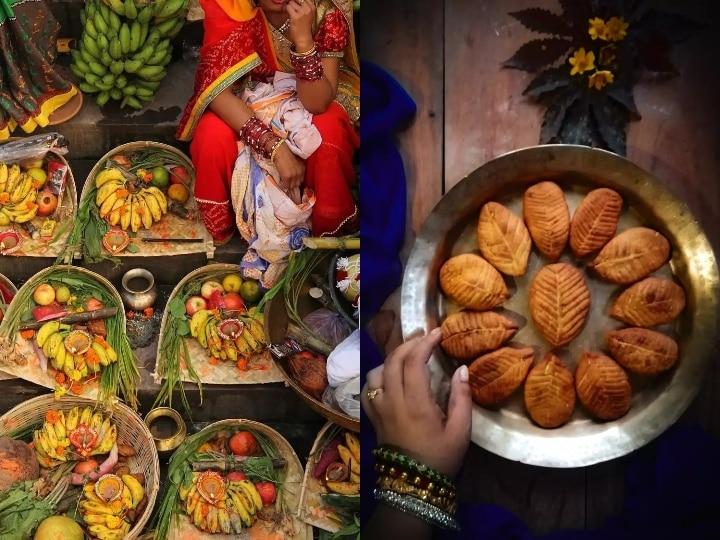
The preparation of these traditional foods reflects the cultural importance of preserving household practices across generations. Mithila women continue to maintain traditional methods of preparing ingredients and festival offerings despite changing lifestyles. Shantidevi Sah, a 55 year old resident of Ramnagar, Bhangaha 4, emphasized that devotion and sincerity are among the most important aspects of Chhath preparations. Such culinary traditions remain an important part of Mithila’s intangible cultural heritage and provide visitors with an opportunity to understand the region’s distinctive food culture.
Four Day Rituals Strengthen Community Harmony
Chhath is observed from the fourth to the seventh day of the waxing moon in the month of Kartik, following a sequence of four important rituals. The first day begins with Nahay Khay, followed by Kharna on the second day. On the third day, devotees offer prayers and offerings to the setting Sun, while the festival concludes on the fourth morning with offerings to the rising Sun. These rituals bring families and communities together through shared religious practices and traditional observances.
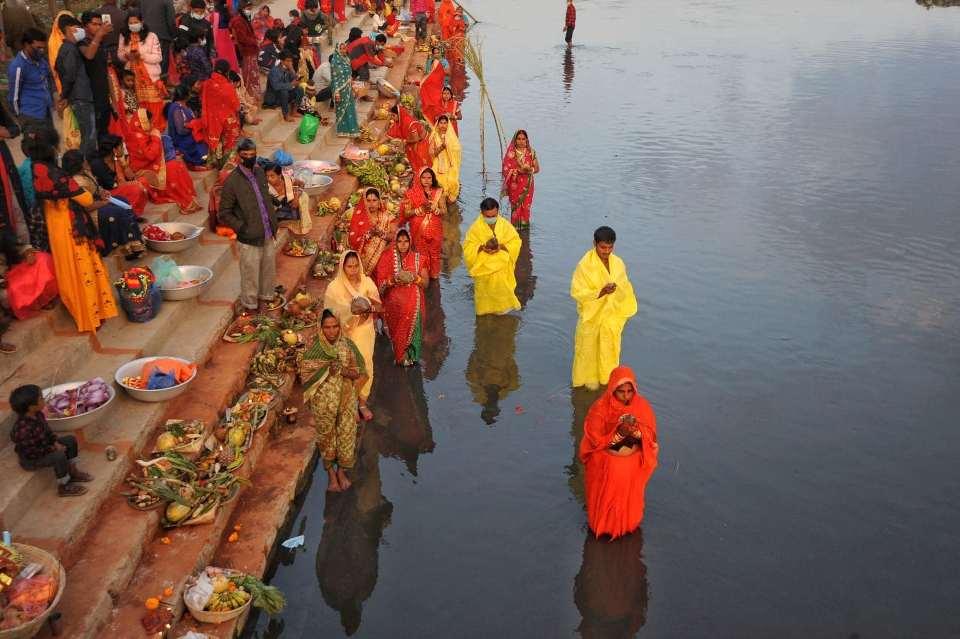
Beyond its religious significance, Chhath is widely regarded as a festival that promotes social harmony and mutual respect. People set aside past disagreements and gather together at Chhath ghats, where the tradition encourages worshippers from different communities to participate without social or caste discrimination. The shared celebrations reinforce cooperation, humility and a sense of belonging among local residents. Through its rituals, cultural practices and community spirit, Chhath continues to strengthen Mithila’s identity as an important destination for cultural and religious tourism.
Source: RSS