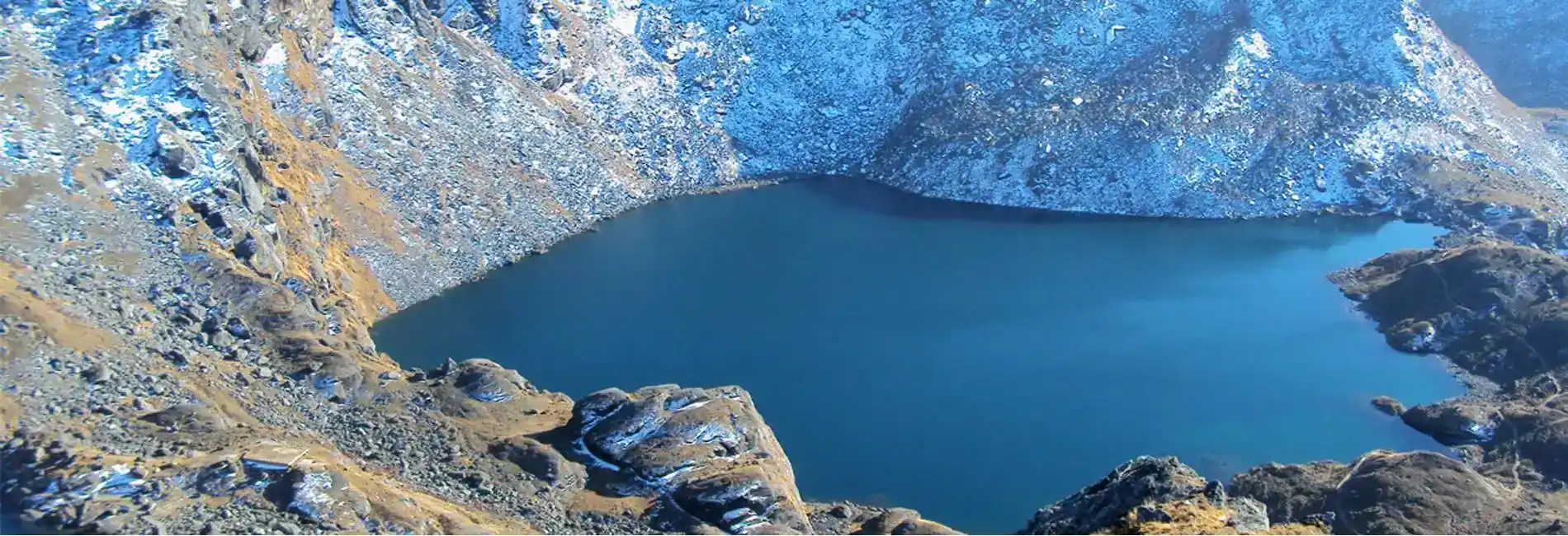
Pilgrims travelling to the revered religious site of Damodar Kunda, one of Nepal’s most sacred Hindu shrines located at a breathtaking altitude of 4,990 metres above sea level, can now avail themselves of free meals and accommodation for a period of two months during the peak pilgrimage season. The arrangement, organised by a local religious sub-committee, aims to ease the hardships of the high-altitude journey and encourage greater devotional participation from across the country.
Free Meals and Accommodation Along the Trail
The Punyeshwar Mahadev Shivalaya Sub-Committee, based in Narchyang of Annapurna-3 Rural Municipality in Myagdi district, has made arrangements for complimentary food and lodging at two key points along the pilgrimage route, Ghuma Thanti and the Damodar Kunda Dharmasala. The initiative falls under the broader umbrella of the Damodar Kunda Muktinath Development Committee, which oversees the management of this sacred destination.

Mohan Purja, Treasurer of the Development Committee and Coordinator of the Damodar Kunda Pilgrimage Food Management Committee, confirmed the arrangement and noted that the service has been running annually for several years. “Every year during the two-month pilgrimage season, we organise free food for the devotees,” Purja said. “This year, the favourable pilgrimage season has begun, and arrangements have been made from Jestha 25 (approximately early June) through to Shrawan (mid-July to mid-August).”
Funded by Community Donations and Charitable Contributions
The programme is entirely funded through community resources. The sub-committee collects donations throughout the year from Galeshwar Dham, located in Myagdi, and draws on its partially established permanent fund (Akshaya Kosha) to cover operational costs. Purja shared that the annual expenditure for the programme exceeds five lakh Nepali rupees (approximately NPR 500,000), all of which goes toward providing meals, staffing, and other essential services for the pilgrims.
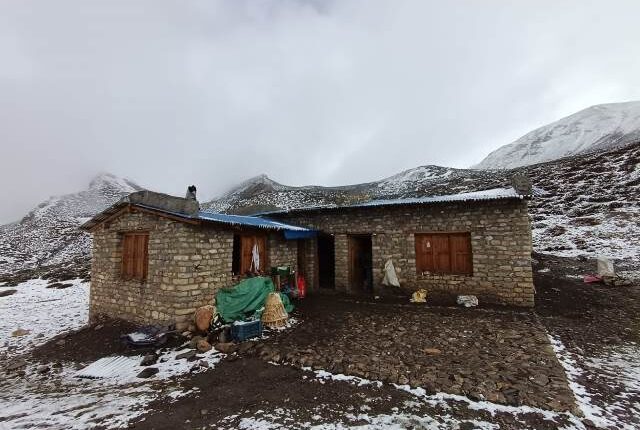
Four staff members have been deployed to manage the food distribution: two stationed at Damodar Kunda itself and two at Ghuma Thanti. These workers are responsible for preparing and serving meals to the steady stream of devotees who make the challenging trek to the shrine each season.
A Programme with Deep Roots, Interrupted by COVID-19
The free meal initiative is not a new one. According to Purja, the Gupteshwar Mahadev Sub-Committee of Narchyang began offering complimentary food to pilgrims visiting Damodar Kunda as far back as 2064 Bikram Sambat (around 2007 AD). The programme continued uninterrupted for over a decade until the COVID-19 pandemic brought pilgrimage activities to a complete halt for two years, forcing the suspension of the service. With the resumption of normal pilgrimage operations post-pandemic, the committee has revived the tradition with renewed commitment.
Infrastructure Built to Support Growing Pilgrim Numbers
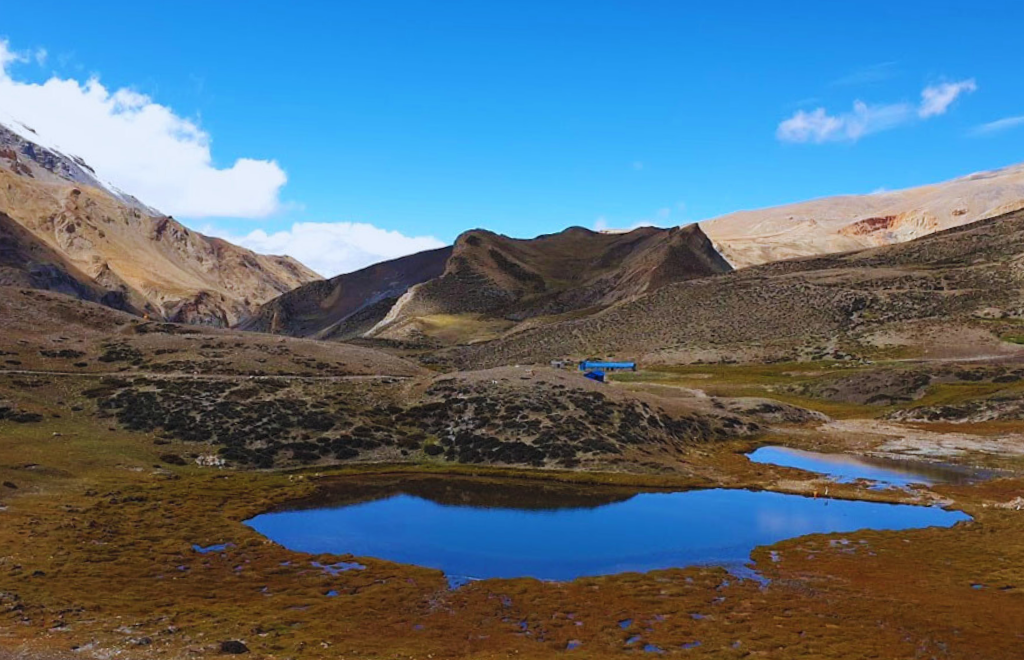
Recognising the need for permanent infrastructure to support pilgrims at this remote high-altitude destination, the Lo-Ghekar Damodarkunda Rural Municipality constructed two separate dharmasalas (pilgrim rest houses) in 2078 Bikram Sambat (2021-22 AD), one for men and one for women, to ensure privacy and comfort for all visitors. These rest houses are located just below the Damodar Kunda site and include bathroom and toilet facilities, addressing one of the most basic yet critical needs of high-altitude travellers.
The rural municipality has also constructed two additional dharmasalas at Ghime Thanti, a key halt along the route. Lopang Chhomphel Bista, Chairperson of the rural municipality, confirmed that the combined capacity of the facilities at Damodar Kunda can accommodate over 100 pilgrims, while the Ghime Thanti dharmasalas can house approximately 40 people at a time.

A Lifeline for High-Altitude Pilgrims
Ward Member Krishnakumari of Lo-Ghekar Damodarkunda-4 expressed that the arrangement has brought tremendous relief to pilgrims. “Travelling at such altitudes while carrying food, clothing, and all necessities is extremely difficult,” she said. “This kind of support makes the pilgrimage far more accessible and comfortable for devotees, especially the elderly and those travelling from distant places.”
Damodar Kunda, located in Nepal’s northern region near the Nepal-China border, holds immense religious significance for Hindus. The remote and rugged terrain leading to the shrine demands considerable physical endurance from pilgrims, making the availability of free meals, clean lodging, and sanitation facilities not just a convenience but a genuine lifeline for the thousands of faithful who undertake this sacred journey each year.