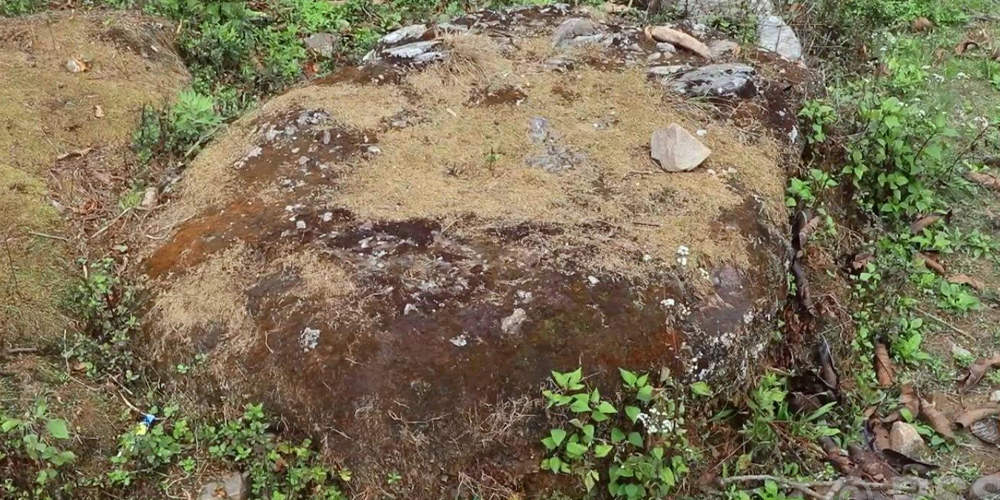
The historic and tourism-significant ‘Falam Dhunga’ (Iron Stone) in Hatuwagadhi Rural Municipality 4, Bhojpur, is gradually falling into neglect due to a lack of adequate conservation, management and tourism infrastructure. Although the site carries both natural and historical significance and has considerable potential to become an attractive tourism destination, the absence of systematic preservation, development and promotion has prevented it from receiving the attention it deserves. Local residents believe that proper conservation of the site, combined with the development of basic tourist facilities and effective publicity, could establish Falam Dhunga as a new attraction for domestic tourists and contribute to the broader development of tourism in Hatuwagadhi.
A Natural Landmark Known as ‘Falam Dhunga’
The site has been locally known as Falam Dhunga because the stone resembles iron in appearance. According to local residents, the surface of the rock develops a rust-like appearance similar to iron, which is believed to be the reason behind its distinctive name. The unusual natural formation has become associated with the identity of the surrounding area and is regarded by local people as an important natural and historical asset. Alongside the stone lies a natural pond, which adds another important attraction to the site and increases its potential for nature-based tourism.

However, the natural pond has gradually begun to lose its original character because of the lack of conservation and proper management. The pond is reportedly becoming filled with sediment and other materials, raising concerns that its natural appearance could eventually disappear. Local residents consider both the stone and the pond to be important parts of the area’s identity and believe that protecting them should be a priority if Hatuwagadhi is to develop the location as a sustainable tourism destination.
Strong Potential for Tourism Development
Local residents believe that the combination of natural beauty, historical importance and local religious significance gives Falam Dhunga considerable tourism potential. Local resident Shivraj Rai said that the area could become an attractive destination for domestic tourists if the stone and pond were properly conserved and essential facilities were developed for visitors. According to him, simply preserving the site would not be sufficient; it would also be necessary to improve its surrounding environment, provide basic visitor facilities and increase promotion and publicity so that more people become aware of the destination.
The development of Falam Dhunga could also provide an opportunity to strengthen tourism in Hatuwagadhi by creating a destination based on the area’s own local heritage and natural resources. With appropriate planning, the site could offer visitors an opportunity to experience a lesser-known part of Bhojpur while also supporting local economic activities. Residents therefore believe that conservation and tourism development should move forward together rather than treating the site only as a heritage or natural landmark.
Municipality Prepares DPR for Conservation
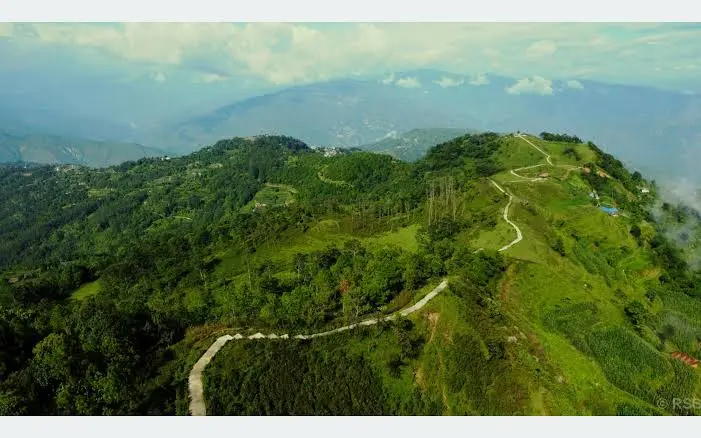
Recognizing the importance of the site, Hatuwagadhi Rural Municipality has prepared a Detailed Project Report (DPR) for the conservation of Falam Dhunga and the natural pond, as well as for the area’s tourism development. According to Chief Administrative Officer Mahesh Niraula, the municipality has prepared the DPR with the objective of providing a planned framework for conservation and development of the site.
Municipality Chairperson Prem Kumar Rai said that the DPR has been submitted to the Provincial Planning Commission while the local government has requested the necessary budget for implementing the proposed development activities. However, the municipality has not yet received the required funding. He said that the development of the area would require a significant financial investment, making support from higher levels of government important for turning the proposed plans into reality.
Budget Shortage Delays Development
Despite efforts by the local government, lack of adequate funding remains the major obstacle to implementing the conservation and tourism development plan. Chairperson Rai described Falam Dhunga as an historical, religious, and tourism-related site of importance to the area and said that the municipality has repeatedly requested financial support from higher authorities. However, the necessary budget has not yet been secured.
The municipality has expressed its commitment to protecting the site, but the scale of the proposed work means that local resources alone may not be sufficient. The situation highlights the challenges faced by lesser-known tourism destinations, where local communities may have valuable natural and cultural attractions but lack the financial resources required for conservation, infrastructure and promotion.
Local Ward Also Calls for Greater Investment
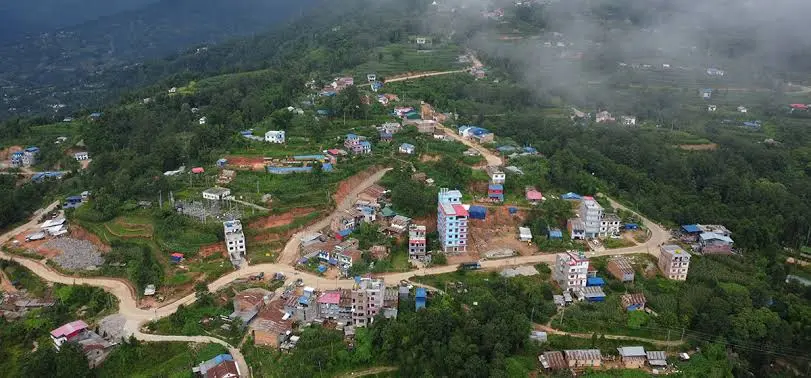
Chandra Bahadur Bista, ward chairperson of Hatuwagadhi Rural Municipality 4, Khairang, said that although a DPR has already been prepared for the conservation and development of Falam Dhunga and the pond, the absence of sufficient funding has made it difficult to begin the planned work. He said the local government and ward office have been making necessary efforts to advance the development of the site, but budget constraints have continued to limit progress. According to local representatives, the conservation of the site requires more than protecting the stone itself. The surrounding pond and landscape must also be restored and managed, while facilities should be developed in a way that allows visitors to experience the destination safely and comfortably. This would require coordinated investment in heritage conservation, environmental management and tourism infrastructure.
Basic Tourist Facilities Needed
Local experts and residents have emphasized the need for basic visitor infrastructure, including rest areas, drinking water, toilets and information boards. Such facilities would make the destination more convenient for visitors while also helping to manage tourism activities in an organized manner. The restoration of the natural pond and the proper conservation of Falam Dhunga have also been identified as important steps toward preserving the site’s original character.
Information boards could provide visitors with details about the significance and local identity of Falam Dhunga, while rest areas and sanitation facilities would improve the overall visitor experience. At the same time, appropriate promotion could help introduce the destination to a wider audience and encourage tourists visiting Bhojpur to include Hatuwagadhi in their travel plans.

Conservation Could Open a New Tourism Opportunity
Falam Dhunga currently remains a lesser-known tourism attraction, despite its combination of natural, historical and religious importance. Local residents believe that implementing the conservation plan, restoring the pond and developing essential infrastructure could transform the area into a more organized and attractive destination. The proposed development would not only protect an important local asset but could also create a foundation for expanding tourism activities in Hatuwagadhi.
The future of Falam Dhunga will largely depend on whether the DPR can be implemented and the necessary funding secured. If conservation, infrastructure development and promotion are carried out in a coordinated manner, the site could emerge as a new tourism attraction in Bhojpur. Beyond attracting visitors, its development could also support local employment, community-based economic activity and the promotion of Hatuwagadhi’s cultural and natural heritage. For now, however, the historic Falam Dhunga and its natural pond remain in need of timely conservation and investment before their distinctive character is further affected by neglect.