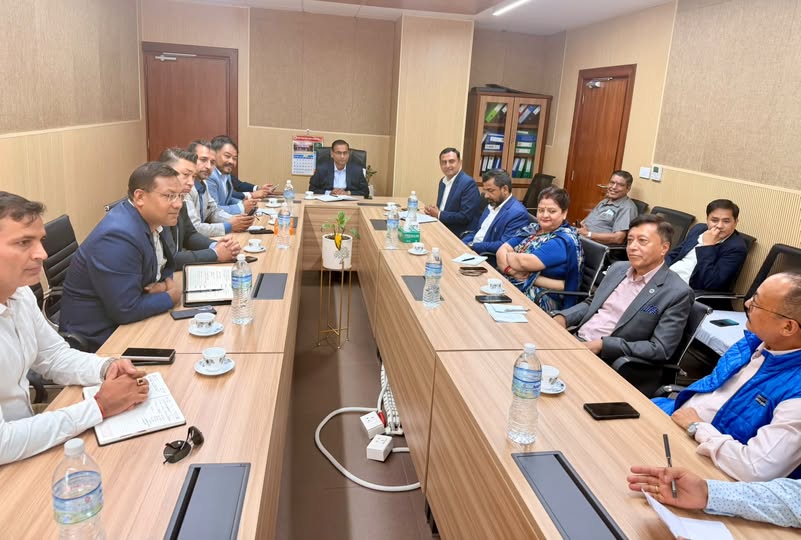
Representatives of Hotel Association Nepal (HAN) have held discussions with the Nepal Oil Corporation (NOC) over the type and capacity of LPG gas required by hotels, as the hospitality sector faces growing difficulties due to a shortage of cooking gas in Kathmandu. The discussion focused on ensuring a regular, reliable, and adequate supply of LPG for hotels and other businesses in the hospitality sector. NOC officials assured hotel representatives that efforts would be made to facilitate the availability of gas according to the industry’s operational requirements.
Hotels Concerned Over LPG Shortage
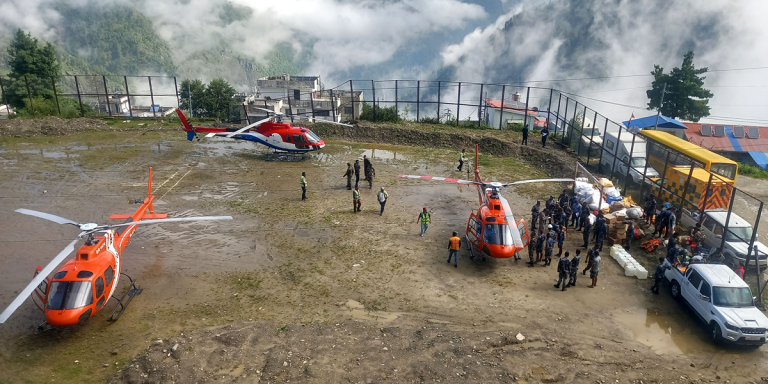
The discussions come at a time when LPG supplies have been disrupted in several parts of the country. The situation has become more challenging for hotels and restaurants, which depend heavily on LPG for daily cooking and food-service operations. The recent Bhotekoshi flood in Rasuwa has further affected supply arrangements and created additional pressure on the distribution of essential goods.

With gas shortages being reported in Kathmandu, some hotels have reportedly faced difficulties maintaining normal operations, with some establishments even beginning to close temporarily. Against this backdrop, representatives of the hotel sector approached the Nepal Oil Corporation to seek a more predictable supply arrangement and to discuss the specific types and capacities of LPG cylinders suitable for commercial hospitality businesses.
Industry Seeks Smooth Supply Ahead of Tourism Season
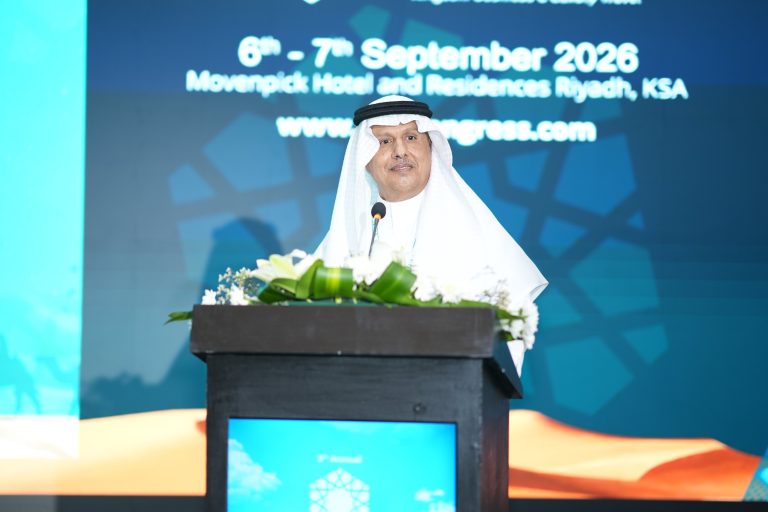
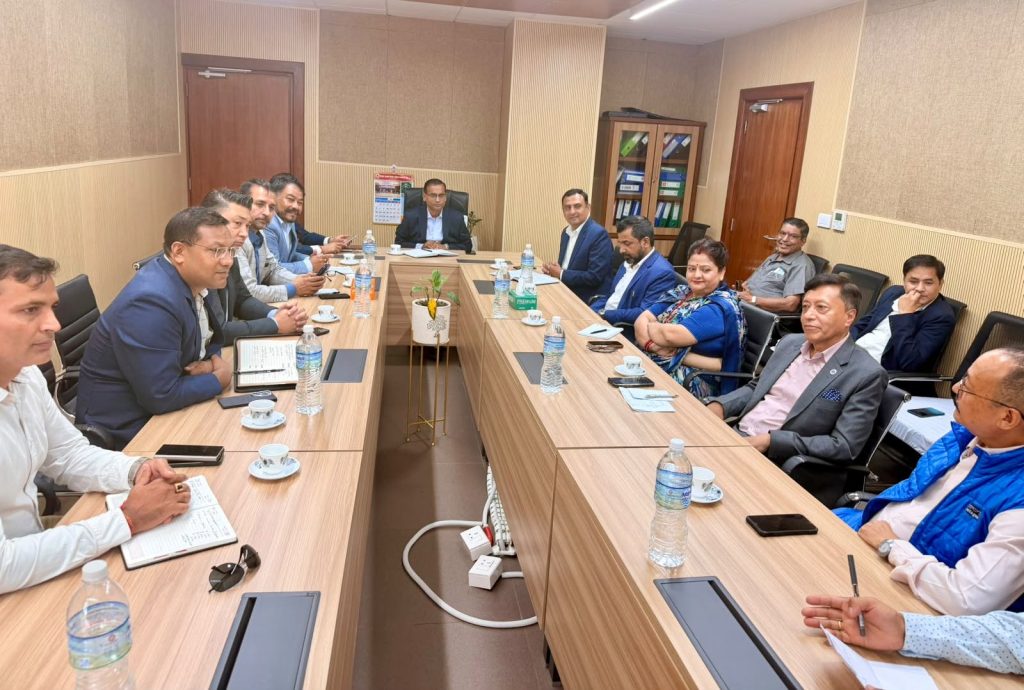
The meeting was attended by HAN General Secretary Sajan Shakya, Treasurer Youb Raj Shrestha, along with representatives of other concerned organisations and stakeholders. During the meeting, NOC representatives expressed their commitment to making LPG available to hotels more systematically and uninterruptedly, taking into account the sector’s daily commercial requirements. The availability of cooking gas is particularly important for Nepal’s hospitality industry as the country enters the autumn tourism season, one of the busiest periods of the year.

Hotels, restaurants and other tourism businesses are preparing for increased demand from domestic and international visitors, making a stable supply of essential fuel critical to maintaining uninterrupted services. The hotel sector is now expecting the discussion with NOC to result in improved LPG availability and distribution.
A more reliable supply would help hotels and restaurants continue their operations smoothly while reducing the risk of further closures caused by fuel shortages. The development also highlights the importance of maintaining essential supply chains for the tourism and hospitality sector during periods of natural disasters and other disruptions.