
The International Air Transport Association (IATA) has called on airlines and aviation stakeholders to turn advances in digital technology into better passenger experiences, more efficient operations and stronger financial resilience. The message was delivered at the opening of the IATA World Financial Symposium and World Passenger Symposium in Macao, where industry leaders discussed the future of airline retailing, payments and digital identity.
IATA highlighted how artificial intelligence (AI), digital wallets and biometric identification are changing the way people plan, purchase and experience air travel. While these technologies offer significant opportunities, the industry must ensure that their adoption delivers practical benefits for passengers and airlines. Better coordination, reliable data and internationally aligned standards will be essential to making digital transformation more effective.
AI Reshapes Airline Retailing and Booking
Artificial intelligence and automated agents are changing how travellers discover destinations, compare fares and select travel services. For airlines, this shift creates opportunities to reach customers through new digital channels, but it also raises the importance of maintaining control over commercial relationships, customer information and the quality of data used across booking platforms.
IATA identified Modern Airline Retailing, supported by the transition to Offers and Orders, as a key part of this transformation. According to the association, seven airlines are already using or implementing Orders, with more than 20 additional airlines expected to follow from 2027. Technology providers have also committed more than US$1.7 billion to Offers and Orders, reflecting growing investment in modern airline retailing systems.
Digital Payments and Financial Efficiency
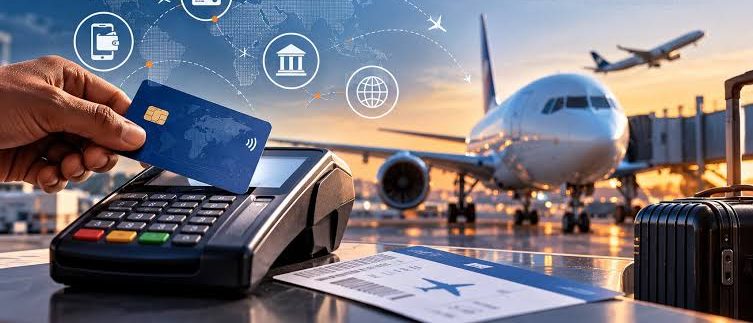
Digitalisation is also reshaping airline payment systems, creating more options for customers while introducing challenges involving transaction costs, cash flow and financial risk. IATA noted that airlines spend more than US$24.5 billion annually processing payments, making payment efficiency an important part of the industry’s wider digital transformation.
The association emphasised that airlines should modernise reconciliation, settlement and revenue accounting alongside their retailing systems. Integrating these financial processes from the beginning can help reduce complexity and improve operational efficiency, rather than simply transferring existing procedures into digital formats. A coordinated approach could help airlines manage costs while delivering more convenient payment experiences to passengers.
Digital Identity Supports Seamless Passenger Journeys
Biometric identification and digital travel credentials are becoming increasingly important to efforts to simplify airport procedures. Facial recognition and digital identity systems can reduce repeated document checks at participating checkpoints, while secure digital passports could help passengers complete more travel formalities before arriving at the airport. However, the benefits remain limited when systems operate separately across airports and countries.
IATA stressed that governments have a critical role in expanding the use of digital travel credentials by issuing and accepting them for international journeys. The association also highlighted China’s growing influence in aviation and digital innovation, noting that Chinese airlines carried more than 770 million passengers in 2025. Wider adoption of common global standards, combined with continued investment in technology, will be important to making air travel more connected, efficient and convenient worldwide.