The International Air Transport Association (IATA) has urged airlines to turn technological innovation into measurable business value and better passenger experiences, warning that rising costs, geopolitical disruptions and narrow profit margins are putting pressure on the global aviation industry.
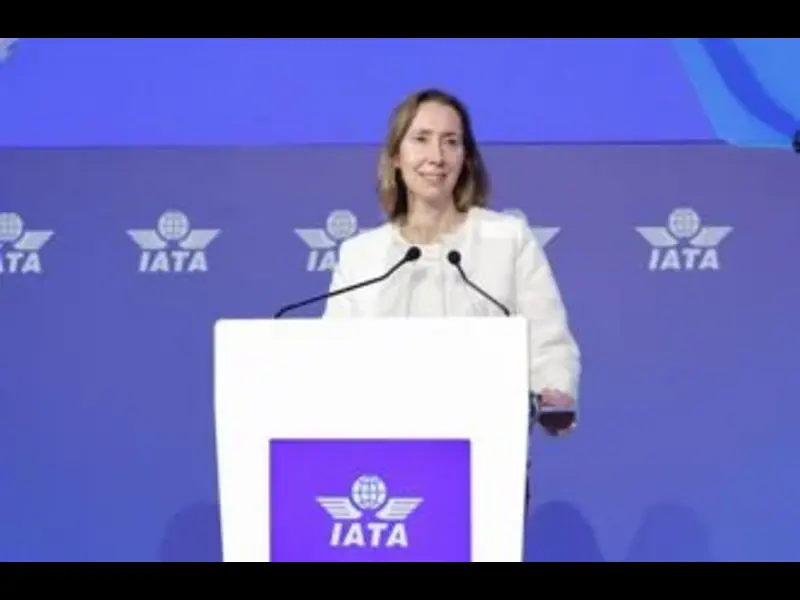
Speaking at the 2026 World Financial Symposium and World Passenger Symposium in Macao on October 28, International Air Transport Association (IATA) Interim Director General, CFO and SVP Corporate Services Sandrine Le Borgne highlighted artificial intelligence, modern airline retailing, digital payments and biometric identification as key areas shaping the future of air travel. She stressed that innovation must strengthen airlines’ financial performance while making journeys simpler and more efficient.

Global Airlines Face Financial and Operational Pressures
The aviation industry continues to navigate an uncertain operating environment, with conflicts disrupting air routes, fuel prices increasing and aerospace supply chains yet to return to normal. These challenges are making it more difficult for airlines to maintain profitability while investing in new technologies and future growth.
International Air Transport Association (IATA) expects airlines to carry more than five billion passengers in 2026, while generating an estimated net profit of just US$4.50 per passenger, with a net profit margin of around 2%. Le Borgne emphasized that even a modest increase in costs or decline in demand could significantly affect airline profitability, making financial discipline essential alongside technological progress.
Artificial Intelligence Reshapes Airline Retailing
Artificial intelligence assistants and automated agents are changing how travellers discover destinations, compare travel options and make bookings. For airlines, this shift creates opportunities to improve customer engagement and offer more relevant services, but it also increases the importance of maintaining control over commercial relationships and ensuring accurate, reliable data.
International Air Transport Association (IATA) highlighted the growing role of Modern Airline Retailing, particularly the transition towards Offers and Orders, which aims to modernize how airlines present, manage and service travel purchases. Seven airlines are already operating or implementing Orders, with more than 20 expected to follow from 2027. Technology providers have committed more than US$1.7 billion to Offers and Orders, reflecting investment in the sector’s evolving retailing infrastructure.
Rising Payment Costs Put Pressure on Airline Profitability
Digital payment options can provide travellers with greater convenience and flexibility, but airlines must also consider the associated costs, cash flow implications and financial risks. According to International Air Transport Association (IATA), airlines collectively spend more than US$24.5 billion annually on payments, making payment modernization an important consideration for long-term financial sustainability.
Le Borgne stressed that financial processes must be integrated into technological transformation from the beginning. Reconciliation, settlement and revenue accounting need to be incorporated into modern airline systems rather than treated as later additions. Without this approach, digital transformation could introduce further complexity instead of improving efficiency and helping airlines manage their costs.

Biometrics and Digital Passports Aim to Simplify Travel
Biometric identification is increasingly being used to make airport processing faster and more convenient, although many existing systems remain limited to individual airports. IATA’s One ID initiative aims to enable travellers to verify their identity once and have it recognized across different stages of their journey, supporting a more connected international travel experience.
Le Borgne also highlighted the potential of Digital Travel Credentials, which provide secure digital versions of passport information. More than eight in ten passengers have expressed interest in using a digital passport for check-in, according to the figures cited in her speech. However, broader adoption will depend on governments issuing and accepting digital credentials, alongside cooperation between airlines, airports, authorities and technology providers. IATA emphasized that global standards and coordinated implementation will be essential to making digital innovation deliver meaningful benefits for travellers.