International Tiger Day, observed on 29 July, offers Nepal another reason to celebrate. According to the latest national tiger survey, the country’s wild tiger population has increased to 429, up from 355 recorded in 2021. The addition of 74 tigers over four years reflects Nepal’s continued commitment to wildlife conservation and reinforces its reputation as one of the world’s leading tiger conservation nations. Yet, behind these encouraging numbers lies a more complex story, one that combines scientific conservation, community participation, political commitment and the growing challenge of balancing wildlife protection with human livelihoods.
On the dense grasslands of Chitwan, the forests of Bardiya and the riverine jungles stretching across Nepal’s Tarai, a quiet conservation success story has been unfolding for more than a decade. Once feared to be disappearing from Nepal’s wilderness, the Royal Bengal tiger is making a remarkable comeback.
A Conservation Success Built Over Decades
Only a few decades ago, Nepal’s tiger population had declined dramatically because of habitat destruction, illegal poaching and shrinking forests. The establishment of protected areas, stronger anti-poaching measures, scientific monitoring and community-based conservation gradually reversed that trend.

The latest survey, conducted by the Department of National Parks and Wildlife Conservation (DNPWC) using advanced camera-trap technology, demonstrates how sustained conservation efforts can produce measurable results. Nepal now supports 429 wild tigers distributed across five major protected landscapes. The latest census shows that their populations increased in four of Nepal’s five habitats.
| National Park | 2025/26 Count | 2021 Count | Change |
|---|---|---|---|
| Chitwan National Park | 145 | 128 | +17 |
| Bardiya National Park | 112 | 125 | -13 |
| Parsa National Park | 71 | 41 | +30 |
| Banke National Park | 51 | 25 | +26 |
| Shuklaphanta National Park | 50 | 36 | +14 |
| Total | 429 | 355 | +74 |
The largest population continues to live inside Chitwan National Park, which now shelters 145 tigers, reinforcing its status as Nepal’s premier habitat.
Parsa and Banke Show the Fastest Growth
Among all protected areas, Parsa National Park recorded the most impressive increase, adding 30 tigers over the past four years. Similarly, Banke National Park almost doubled its tiger population, increasing from 25 to 51. These figures demonstrate that habitat restoration, improved prey populations and stronger protection measures are producing positive conservation outcomes beyond Nepal’s traditional tiger strongholds. The expansion of their populations into multiple protected landscapes also strengthens the species’ long-term survival by reducing dependence on a single habitat.
Bardiya Raises Important Questions
Not every story in the latest census is one of growth. Bardiya National Park, once Nepal’s second-largest habitat, recorded a decline from 125 tigers to 112. Although the decrease does not necessarily indicate a conservation failure, experts believe it deserves careful scientific investigation. Natural territorial movement, migration into neighbouring habitats, prey availability, habitat competition and ecological changes could all contribute to local population fluctuations. Monitoring these changes will help conservation authorities better understand their behaviour and improve future management strategies.
Growth Continues; But at a Slower Pace
While Nepal’s tiger numbers continue to increase, the latest survey also reveals an important trend. Between 2018 and 2021, Nepal achieved an extraordinary 51 percent increase in its numbers. However, between 2021 and 2025, growth slowed to 21 percent. Rather than signalling declining conservation efforts, many wildlife experts consider this a natural stage of population recovery.
As habitats approach their ecological carrying capacity, population growth naturally becomes slower because territories become occupied and competition among tigers increases. This means future conservation efforts must increasingly focus not only on increasing their numbers but also on expanding and connecting habitats.
Conservation Beyond Counting
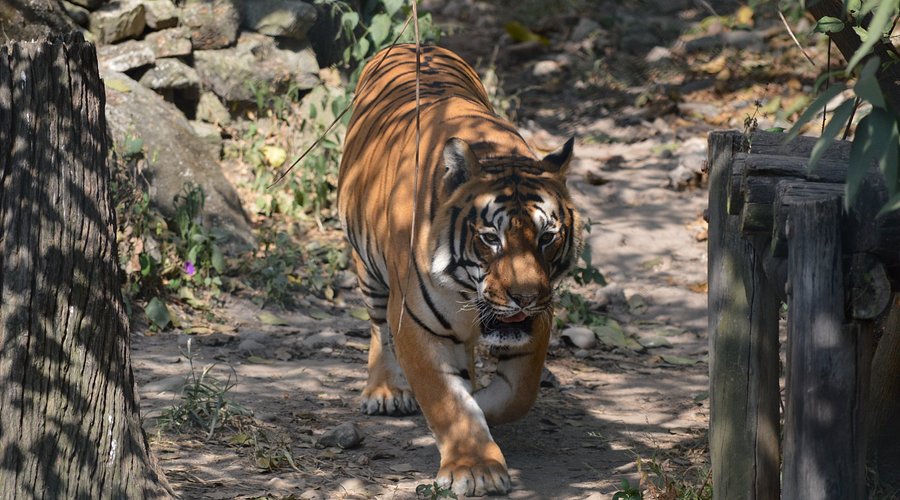
The annual census is far more than a simple exercise in counting animals. Modern camera traps, GPS mapping and scientific data analysis allow conservationists to identify individuals based on their unique stripe patterns. The information helps authorities understand breeding success, survival rates, habitat use, migration corridors and potential threats. Such scientific monitoring enables better policy decisions and more effective conservation planning. It also provides valuable information for reducing human-wildlife conflict, which has become an increasingly important issue as their populations recover.
Communities at the Heart of Conservation
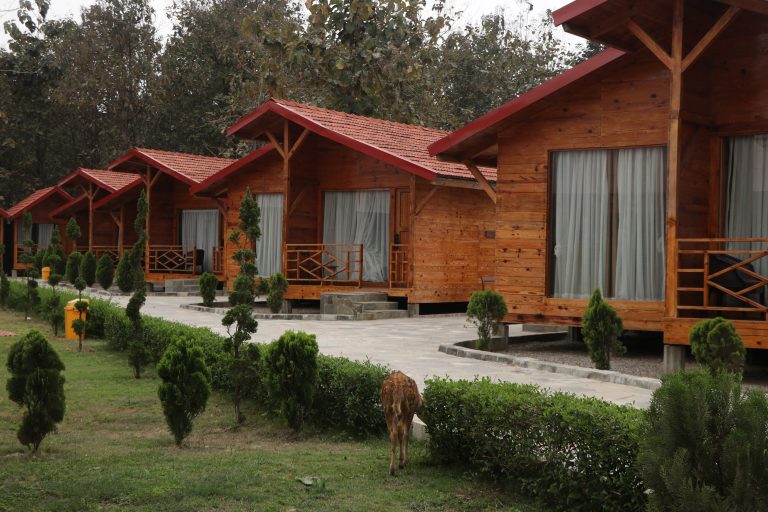
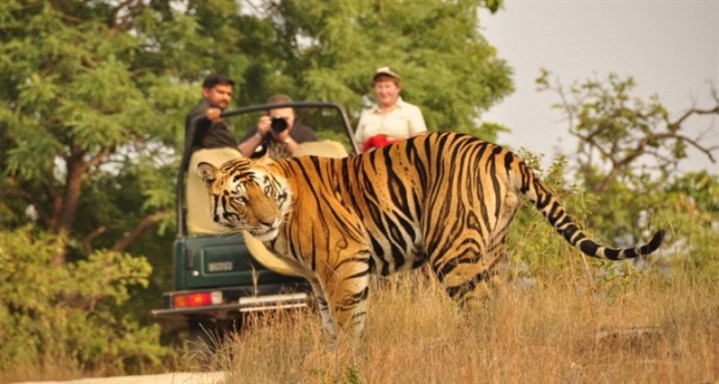
Nepal’s tiger success is not solely the achievement of protected area authorities. Local communities living around national parks have played a vital role. Community forests, buffer-zone management committees, anti-poaching patrols and conservation awareness programmes have all contributed to protecting forests and wildlife. Many communities now benefit directly from nature-based tourism through hotels, homestays, guiding services, jeep safaris and other tourism-related businesses. This connection between conservation and livelihoods has strengthened public support for protecting wildlife.
The Challenge of Living
Growing their populations also bring new challenges. As tiger territories expand, encounters between wildlife and nearby communities may become more frequent. Livestock depredation, occasional attacks on humans and increasing pressure on buffer-zone forests require careful management. Experts emphasise that conservation success must now be accompanied by stronger human-wildlife conflict mitigation measures, timely compensation mechanisms, early warning systems and continued community engagement. Protecting people and protecting tigers must go hand in hand.

Tourism Benefits from Tiger Conservation
Healthy tiger populations also strengthen Nepal’s tourism industry. National parks such as Chitwan, Bardiya and Banke attract thousands of domestic and international visitors every year seeking wildlife experiences. Tiger conservation supports safari tourism, birdwatching, nature photography and eco-tourism, creating employment and generating income for local economies.
As Nepal promotes sustainable tourism, its success in tiger conservation has become one of the country’s strongest international conservation brands. International Tiger Day serves as a reminder that conservation is an ongoing commitment rather than a completed mission. Nepal has demonstrated that political commitment, scientific research, protected area management and community participation can reverse wildlife decline.
However, sustaining this success will require continued investment in habitat conservation, ecological connectivity, anti-poaching efforts and coexistence programmes. The latest census shows that Nepal’s forests are once again echoing with the presence of one of the world’s most iconic predators. The rise to 429 wild tigers is not only a conservation milestone but also a symbol of what coordinated action can achieve.
As the world celebrates International Tiger Day, Nepal’s growing population stands as both a source of national pride and a reminder that the future of wildlife depends on continued cooperation between governments, conservationists and local communities. With sustained commitment, the roar of the tiger can continue to resonate across Nepal’s forests for generations to come.