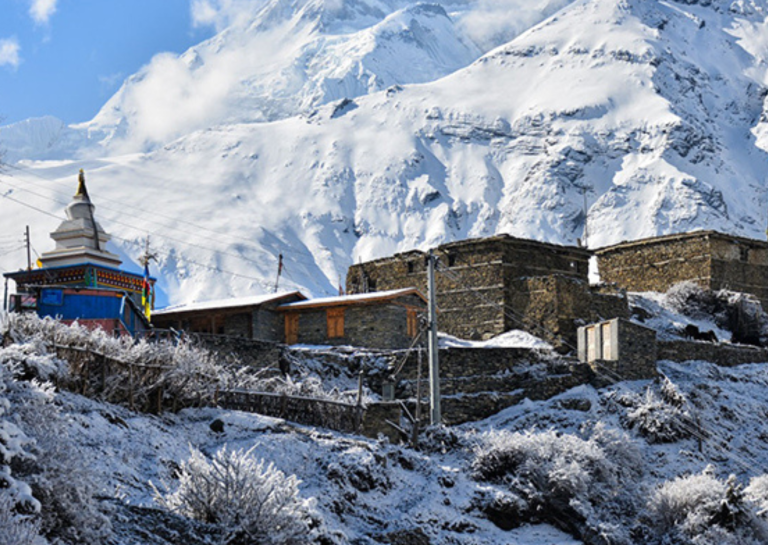
Isha Nepal, the foundation led by Sadhguru, has pledged Rs 10 million to the Prime Minister Relief Fund to support victims of the devastating flash floods along the Nepal-Tibet border. The financial contribution was formally announced during a special gathering in Lalitpur, where thousands of participants came together to express solidarity with the nation and honor those who lost their lives in the disaster. The initiative comes as Nepal continues to deal with the humanitarian and economic consequences of the floods, which have severely affected communities and infrastructure in the country’s northern border region.
The gathering also highlighted the wider implications of disasters in the Himalayan region, where extreme weather events can affect not only local communities but also important travel and tourism corridors. The Nepal-Tibet border region plays a significant role in Himalayan pilgrimage and adventure tourism, particularly for travelers using Nepal as a gateway to destinations in the wider Himalayan landscape. The disaster has therefore renewed attention to the importance of protecting vulnerable mountain regions through stronger disaster preparedness, sustainable infrastructure and coordinated regional action.

Sadhguru Calls for Global Cooperation and Scientific Reconstruction
Addressing the gathering, Sadhguru said that the burden of responding to a disaster of such magnitude should not be placed solely on the Government of Nepal. He called on the global community and international organisations to work collectively in responding to the growing risks associated with climate change, emphasizing that the challenges facing the Himalayan region extend beyond national borders. According to him, Nepal and its neighbouring countries need to look beyond political boundaries and approach the management and protection of the Himalayan region as a “single entity.”
Sadhguru also cautioned against rushed and unplanned reconstruction in disaster-affected areas, stressing the importance of a scientific and sustainable restoration process. He suggested that a team of qualified experts should be established to develop a comprehensive reconstruction strategy capable of reducing future risks. His remarks carry particular significance for Nepal’s mountain tourism sector, where roads, trekking routes, accommodation facilities and other visitor infrastructure are often located in environmentally fragile areas vulnerable to floods, landslides and other climate-related disasters.
Climate Resilience Emerges as a Growing Concern for Himalayan Tourism
The devastating floods have once again highlighted the increasing vulnerability of the Himalayan region, an area that supports communities, ecosystems and major tourism activities across Nepal and neighboring countries. Mountain tourism, trekking, pilgrimage travel and adventure activities depend heavily on safe infrastructure and stable environmental conditions. When major disasters damage roads, bridges and access routes, the consequences can extend beyond immediate humanitarian losses and directly affect local tourism businesses, guides, hotels and communities dependent on visitor activity.

Sadhguru’s call for greater cooperation among Himalayan nations therefore adds a broader dimension to the discussion surrounding disaster recovery. His emphasis on treating the Himalayas as an interconnected region reflects the reality that environmental challenges do not stop at national borders. For Nepal’s tourism sector, the growing threat of climate-related disasters makes resilient infrastructure, scientific planning and sustainable development increasingly important, particularly in destinations located in remote and high-altitude areas.
Manisha Koirala Calls for Nepal, India and China to Stand Together
The gathering also featured remarks from acclaimed actress Manisha Koirala, who expressed deep sorrow over the recurring natural disasters Nepal has faced. She emphasized the need for Nepal, India and China to stand together in confronting the growing global challenge of climate change. Her comments reinforced the broader message of regional cooperation that emerged throughout the programme, particularly as the three countries share environmental connections to the Himalayan ecosystem.
The call for cooperation comes at a time when climate-related risks are becoming an increasingly important issue for countries across South Asia and the Himalayan region. For Nepal, which depends heavily on its mountains for tourism, water resources and livelihoods, protecting fragile landscapes has become closely connected to the country’s long-term economic and environmental future. The discussion at the Lalitpur gathering therefore extended beyond immediate disaster relief and raised wider questions about how Himalayan nations can work together to strengthen resilience against future crises.

More Than 3,000 Gather in Lalitpur to Honour Victims and Support Recovery
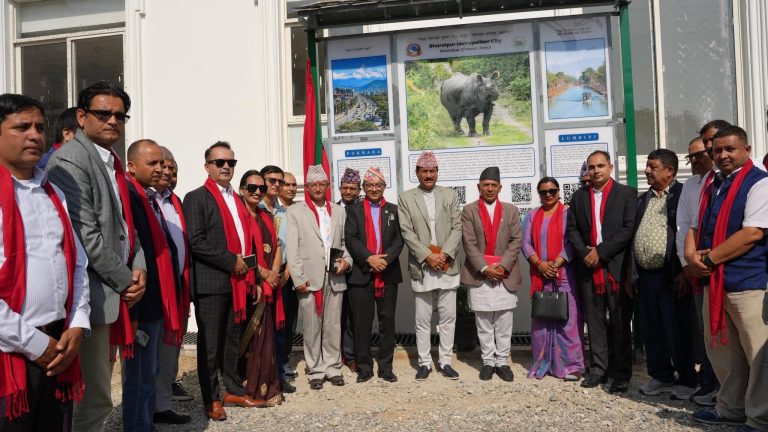
More than 3,000 participants attended the special program, which was organised to honor those who lost their lives and demonstrate collective support for communities affected by the ongoing crisis. Among those present were Sunita Dangol, Acting Mayor of Kathmandu Metropolitan City, and Chiribabu Maharjan, Mayor of Lalitpur Metropolitan City. Their presence reflected the participation of public representatives and community leaders in a gathering focused on national solidarity and humanitarian support.
Concluding the programme, Sadhguru officially confirmed the Rs 10 million contribution on behalf of Isha Nepal and expressed his commitment to providing further assistance and support to Nepal in the coming days. The pledge adds to the wider relief effort underway for flood-affected communities and sends a message of solidarity at a critical moment in the country’s recovery process. As Nepal moves beyond immediate emergency response toward rehabilitation and reconstruction, the gathering also underscored a larger challenge for the future: ensuring that recovery efforts are scientific, sustainable and resilient enough to protect both communities and the fragile Himalayan environment on which Nepal’s tourism future depends.