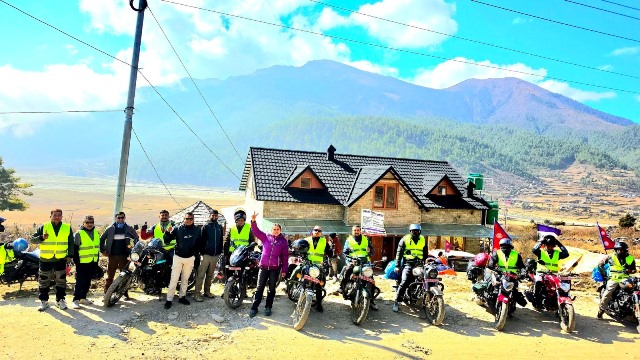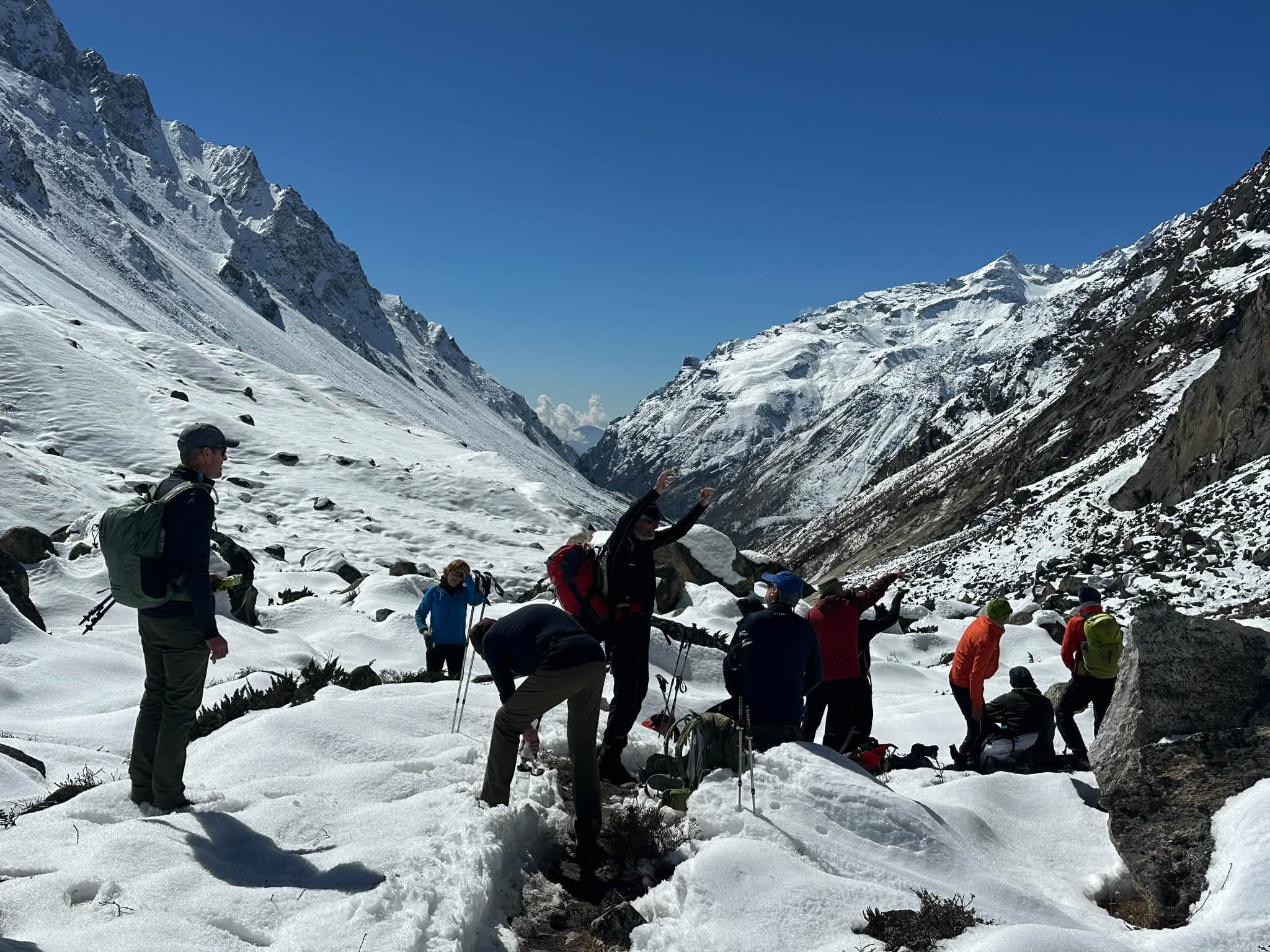
The Kanchenjunga region in eastern Nepal is witnessing increased trekking activity as the autumn tourism season gains momentum, bringing renewed business opportunities to local communities. Improved weather conditions have encouraged trekkers to visit both the northern and southern base camp routes of the world’s third highest mountain. Local hotel operators have reported a steady rise in guest arrivals since the last week of Ashwin. The seasonal increase is also reflected in visitor records maintained by the Kanchenjunga Conservation Area Project (KCAP). The latest figures indicate growing interest in one of Nepal’s remote Himalayan trekking destinations.
Visitor Numbers Rise During Autumn Season
The Kanchenjunga Conservation Area Project recorded 164 visitors by the end of Ashwin, compared with just four visitors in Shrawan, the first month of the current fiscal year. According to KCAP Information Officer Adarsha Chhetri, the figures reflect a notable increase in arrivals as the main autumn trekking period progresses. Visitors have come from several countries, including the United States, Russia, the United Kingdom, Germany and China. The growing number of international trekkers highlights the region’s appeal among travellers seeking remote Himalayan landscapes and challenging trekking experiences.
The increase in arrivals reflects the gradual development of the autumn trekking season, which is one of the region’s main periods for welcoming visitors. Local stakeholders are observing greater movement along trekking routes as weather conditions become more favourable. The latest visitor count provides an indication of tourism activity during the early part of the season, although further arrivals are expected during Kartik. Continued monitoring will help establish the overall performance of the autumn season.
Northern and Southern Base Camp Routes Attract Trekkers
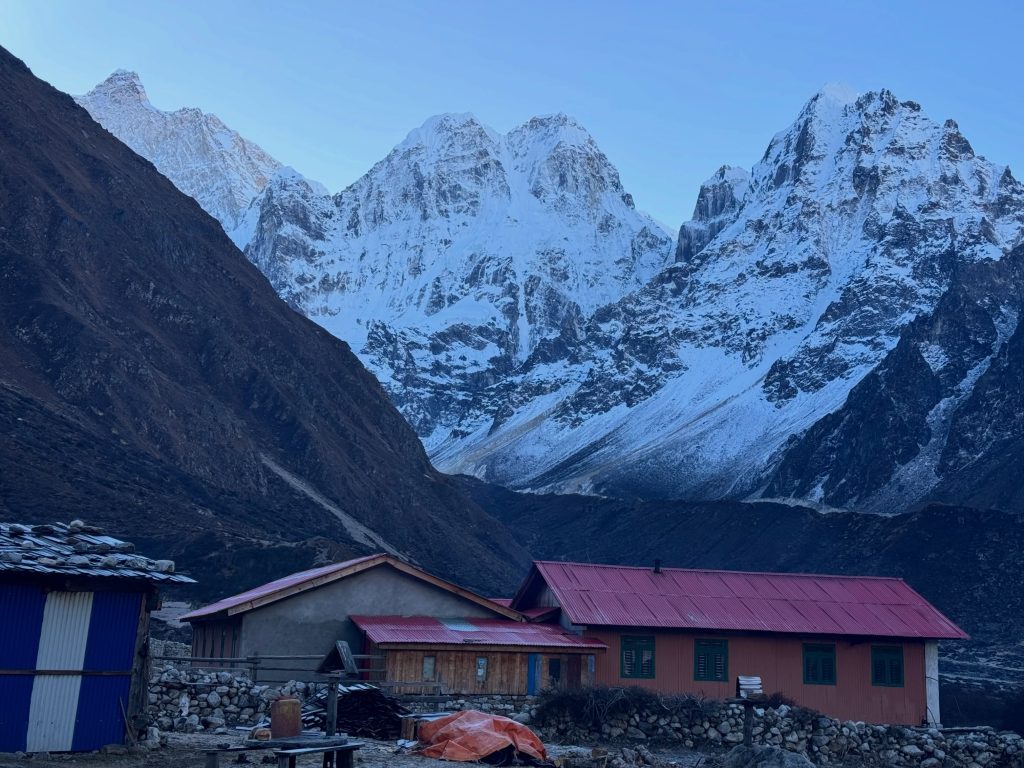
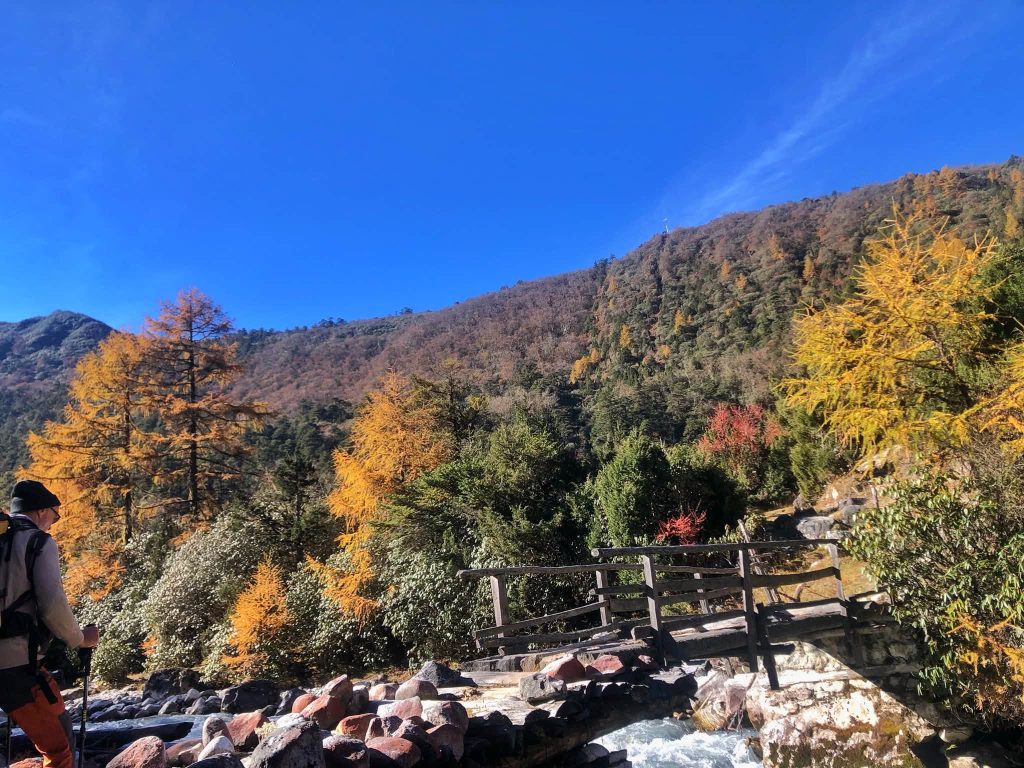
Improved weather has contributed to increased movement along both the northern and southern approaches to Kanchenjunga Base Camp. On the northern route, settlements such as Khambachen, Lhonak and Pangpema have experienced a steady flow of trekkers. Similarly, Cheram, Oktang and Ramjer along the southern route have reported increased visitor activity. These settlements serve as important stopping points for trekkers exploring the mountain’s remote landscapes.
Tenzing Sherpa, a hotel operator in Lhonak, said guest numbers began rising from the last week of ashwin, marking a positive start to the autumn season. The increase has brought more visitors to accommodation facilities and businesses serving trekkers along the northern route. The growing movement on both approaches also creates opportunities for local guides, porters and other tourism service providers. Favourable weather has therefore played an important role in encouraging trekking activity across the region.
Local Hotels Manage Growing Visitor Demand
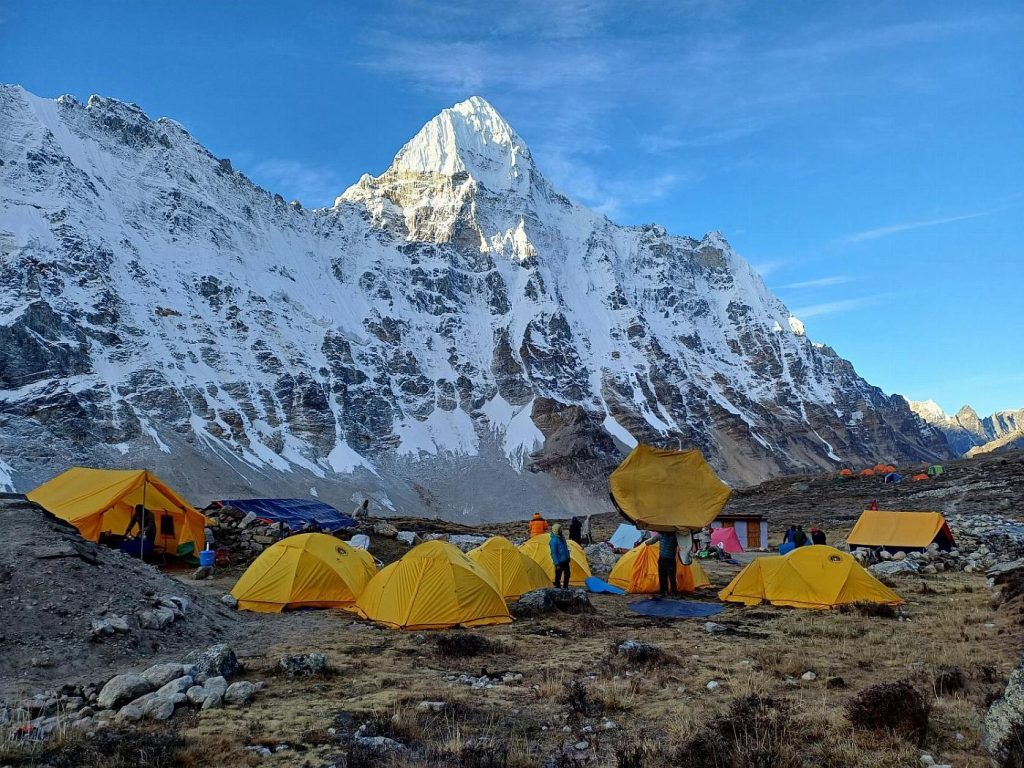
The increase in trekking activity has brought more visitors to local lodges and hotels along the Kanchenjunga routes. However, accommodation providers have not reported significant shortages despite the growing number of guests. Many trekkers are carrying their own tents, sleeping bags and other camping equipment, reducing their dependence on available lodging facilities. This has helped local accommodation businesses manage seasonal demand without facing substantial pressure on existing capacity.
The continued arrival of trekkers is providing renewed business opportunities for hotel operators and other service providers in remote settlements. Local businesses benefit from visitors who require accommodation, meals, transport arrangements and trekking related services. Although the current flow has not created major accommodation challenges, sustained growth will make effective management of local facilities increasingly important. Maintaining service quality and basic infrastructure will help communities benefit from the seasonal increase.
Two Major Trekking Seasons Support Regional Tourism
The Kanchenjunga region attracts trekkers and mountaineers during two major tourism seasons each year. According to KCAP, the first season runs through Ashwin and Kartik , while the second extends from Chaitra to Jestha. These periods generally provide more suitable conditions for trekking and mountain exploration. The current autumn season is therefore particularly important for tourism businesses operating along the region’s trekking routes.
With the autumn season still underway, local officials and business owners anticipate further growth in visitor numbers during the coming weeks. The reported 164 visitors represent arrivals recorded through the end of Ashwin rather than the total for the entire season. Continued visitor activity could support local employment and income while strengthening Kanchenjunga’s position as a remote Himalayan trekking destination. Maintaining trekking infrastructure, accommodation services and responsible tourism practices will remain important as the region welcomes more visitors.