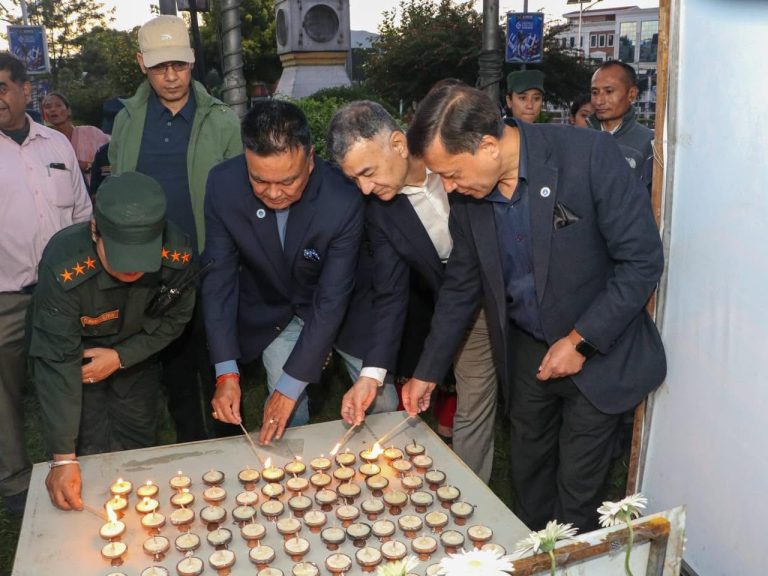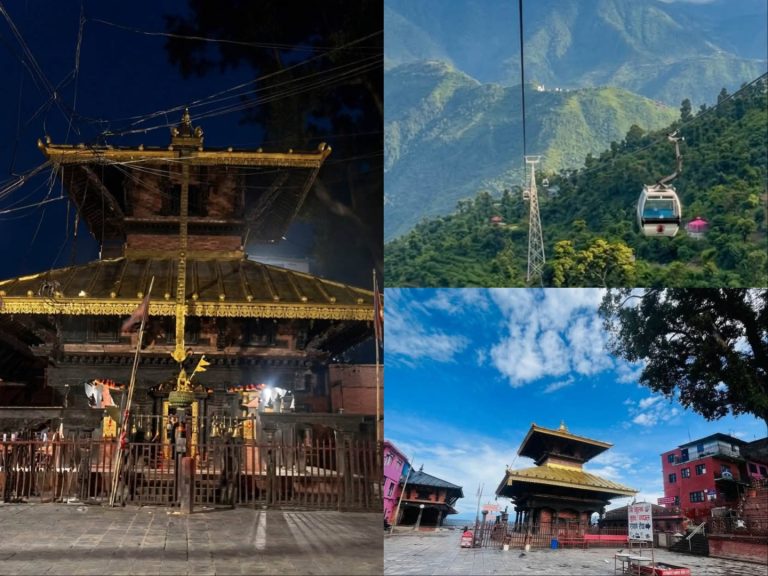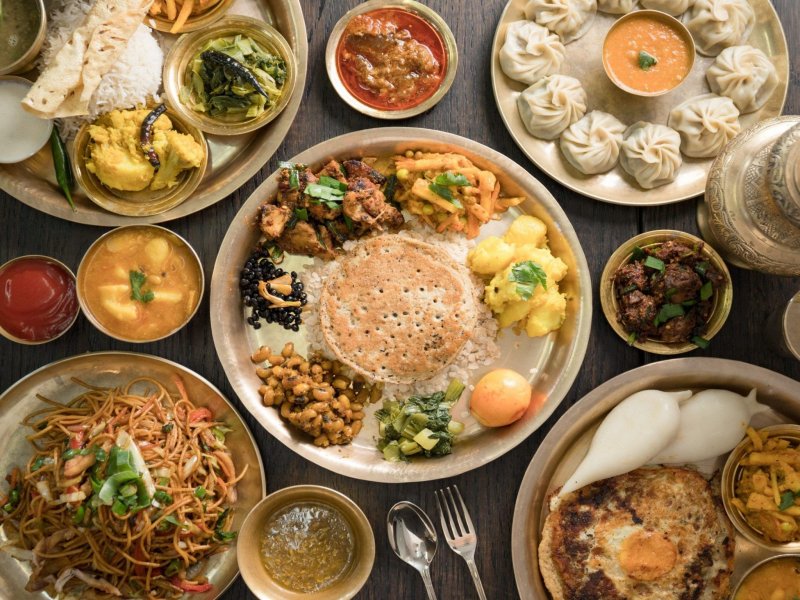
In recent years, local food festivals and markets have emerged as significant contributors to Nepal’s burgeoning culinary tourism industry. These events not only celebrate the country’s rich gastronomic heritage but also attract food enthusiasts from around the globe, eager to experience authentic Nepali flavors.
One of the most prominent examples is the annual Kathmandu Food Festival, which showcases a diverse array of traditional dishes from various regions of Nepal. Visitors can indulge in Newari delicacies like yomari and samay baji, savor Thakali khana sets from the western hills, and enjoy Sherpa specialties such as thukpa and yak butter tea. These festivals provide a unique platform for local chefs and home cooks to display their culinary prowess, promoting regional dishes that might otherwise remain obscure.
The Patan Heritage Food Festival has become a pivotal event, drawing attention to the culinary traditions of the Kathmandu Valley. Held in the historic city of Patan, the festival not only highlights traditional Newari cuisine but also integrates cultural performances and handicraft exhibitions, offering a holistic cultural experience. This fusion of food and culture has proven to be a major draw for tourists, enhancing their understanding and appreciation of Nepal’s rich heritage.
Local markets also play a crucial role in promoting culinary tourism. Markets like Ason Bazaar in Kathmandu and Pokhara’s Lakeside Market offer a plethora of fresh, local produce and traditional snacks. These markets provide tourists with the opportunity to engage with local vendors, learn about Nepali ingredients, and even participate in impromptu cooking demonstrations. The vibrant atmosphere and the chance to taste street food staples such as momos, sel roti, and pani puri add an exciting dimension to the tourist experience.
Initiatives like the Pokhara Street Food Festival have successfully integrated local food markets into the tourism circuit. By transforming bustling market streets into vibrant food hubs, these festivals attract both domestic and international tourists. The initiative not only boosts the local economy but also encourages sustainable tourism practices by promoting local produce and traditional cooking methods.
The impact of these food festivals and markets on Nepal’s culinary tourism is multifaceted. They serve as platforms for cultural exchange, where tourists can immerse themselves in local traditions and flavors. Additionally, they provide economic opportunities for local farmers, artisans, and small-scale food producers, fostering community development. The growing popularity of these events underscores the potential of culinary tourism as a catalyst for sustainable economic growth in Nepal.
Local food festivals and markets are pivotal in shaping Nepal’s culinary tourism landscape. By celebrating the country’s diverse culinary heritage and offering immersive cultural experiences, these events attract a growing number of food enthusiasts and contribute significantly to the tourism industry. As Nepal continues to promote its gastronomic treasures, the synergy between food and tourism is poised to create lasting impacts on both the local economy and the global perception of Nepali culture.