Basantapur Hill in Tinau Rural Municipality, Palpa, has transformed from a site associated with Nepal’s armed conflict into a popular tourism destination, attracting domestic and international visitors through cable car access, religious attractions, recreational activities and new investment.
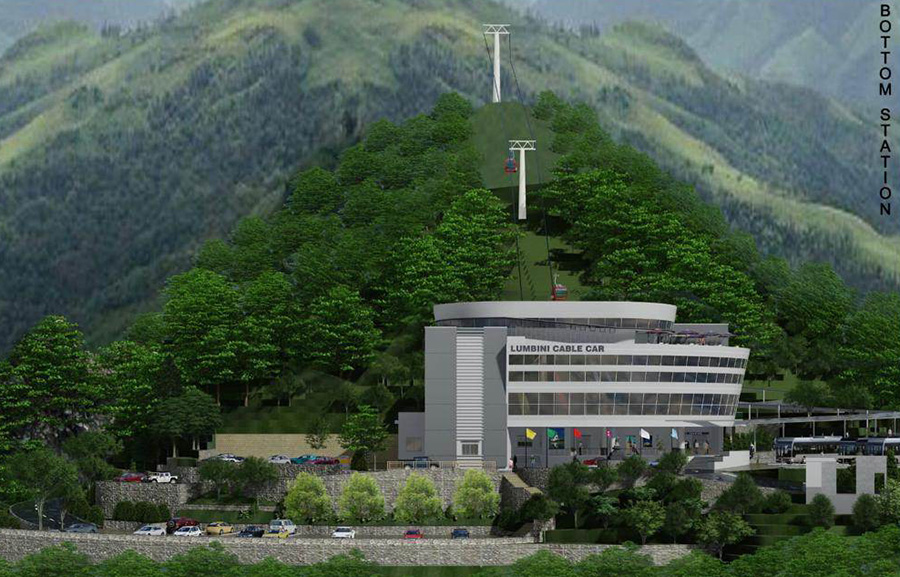
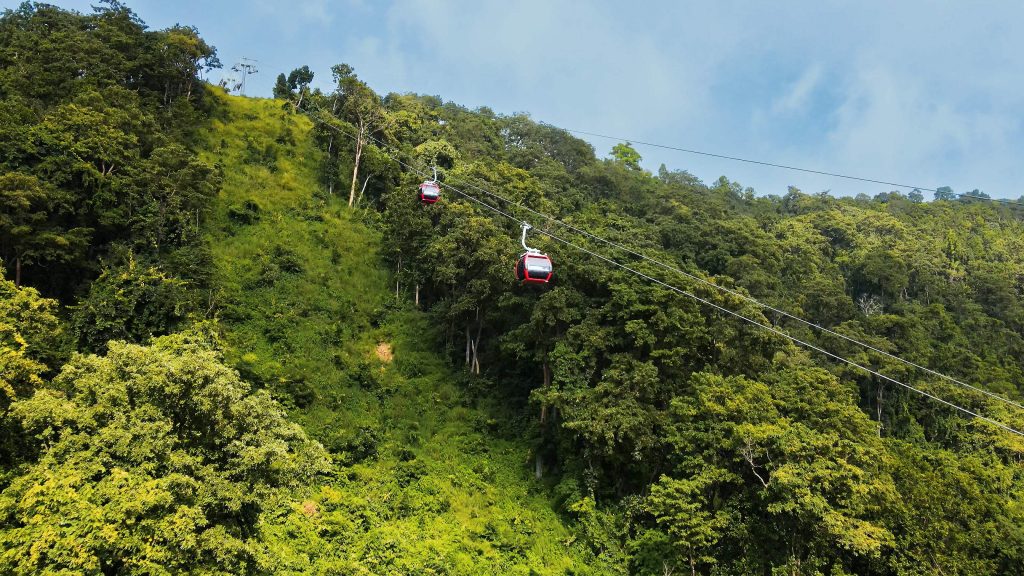
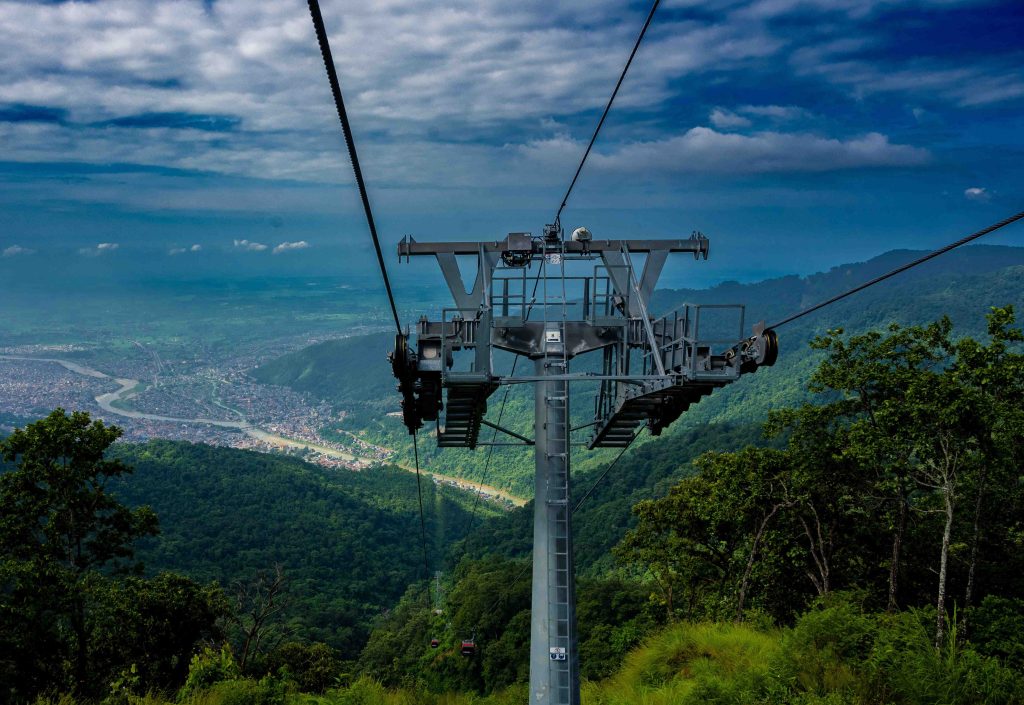
The Lumbini Cable Car, which began commercial operations on May 29, 2023, has significantly shortened the journey from Butwal to Basantapur Danda. What once required around two hours of uphill walking can now be completed in approximately 30 minutes, making the hill more accessible to visitors and supporting the growth of tourism related businesses.
Lumbini Cable Car Makes Basantapur Hill More Accessible
The Lumbini Cable Car project was initially envisioned by local residents, including Laxman Gautam and Tej Prasad Sunar, before the IME Group, led by entrepreneur Chandra Prasad Dhakal, helped drive its development. The service has made the hill easier to reach while turning the journey itself into part of the visitor experience.
According to Lumbini Cable Car manager Prajwal Ghimire, passengers may spot wildlife such as Himalayan serow (goral) and spotted deer (chital) in the forests below. The combination of easier access, forest scenery, and a cooler climate has helped establish Basantapur as an appealing destination for families and other travelers.
Indian Tourists Drive Visitor Growth
Basantapur Hill has become an increasingly popular destination for visitors from India, supported by its pleasant climate and proximity to Lumbini, the birthplace of Gautam Buddha, located around 50 kilometers away. The contrast between the warmer plains around Butwal and the cooler environment on the hill adds to its appeal, particularly for visitors seeking a short getaway.
Lumbini Cable Car data shows that the destination has welcomed more than 500,000 visitors over the past three years. Indian nationals account for approximately 30 percent of total visitors, with arrivals from states including Bihar, Jharkhand, Andhra Pradesh and Kerala increasing by 25 percent in the last fiscal year. This growing cross border interest highlights Basantapur’s potential as part of a wider tourism circuit connecting Lumbini and nearby attractions.
Religious Sites and Adventure Activities Expand Its Appeal
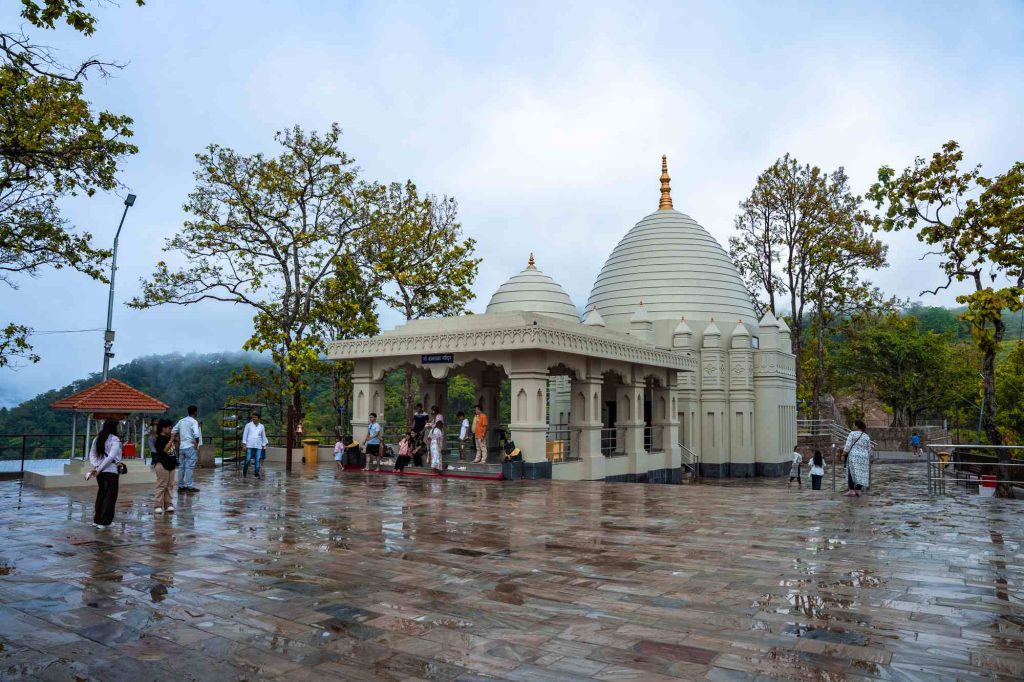
Religious tourism is another major attraction at Basantapur Hill. The destination features a reconstructed temple dedicated to Kamakhya Devi and a century-old Durga Mata temple, drawing Hindu devotees from Nepal and India. These shrines complement the hill’s natural setting and help attract visitors interested in pilgrimage as well as leisure travel.
The upper station also offers recreational facilities, including a zip line, sky cycling, a children’s park, restaurants and a joint swing. On clear days, visitors can enjoy panoramic views of Butwal, Tilottama and Bhairahawa, along with distant Himalayan ranges. The mix of spiritual, adventure and family oriented activities gives tourists several reasons to spend time at the destination.
New Investment and Heritage Tourism Opportunities
Further investment is expected to strengthen Basantapur’s tourism infrastructure. Chandra Prasad Dhakal said a star rated hotel with a casino is under development, with an estimated investment of Rs 60 million (Rs 6 crore). The project has completed its environmental impact assessment, according to the source, and is intended to expand the destination’s accommodation and entertainment options.
Alongside commercial development, the hill’s history could offer opportunities for heritage tourism. The area was once associated with clashes between Maoist rebels and the Nepal Army during the armed conflict. Journalist Dipendra Baduwal, who recalled taking shelter from gunfire on the slopes, suggested that preserving the memory of those events could add historical significance to the destination. Former Federation of Nepali Journalists central committee member Dipendra Kunwar also reflected on the contrast between his earlier journeys on foot through the tense area and today’s convenient cable car ride.