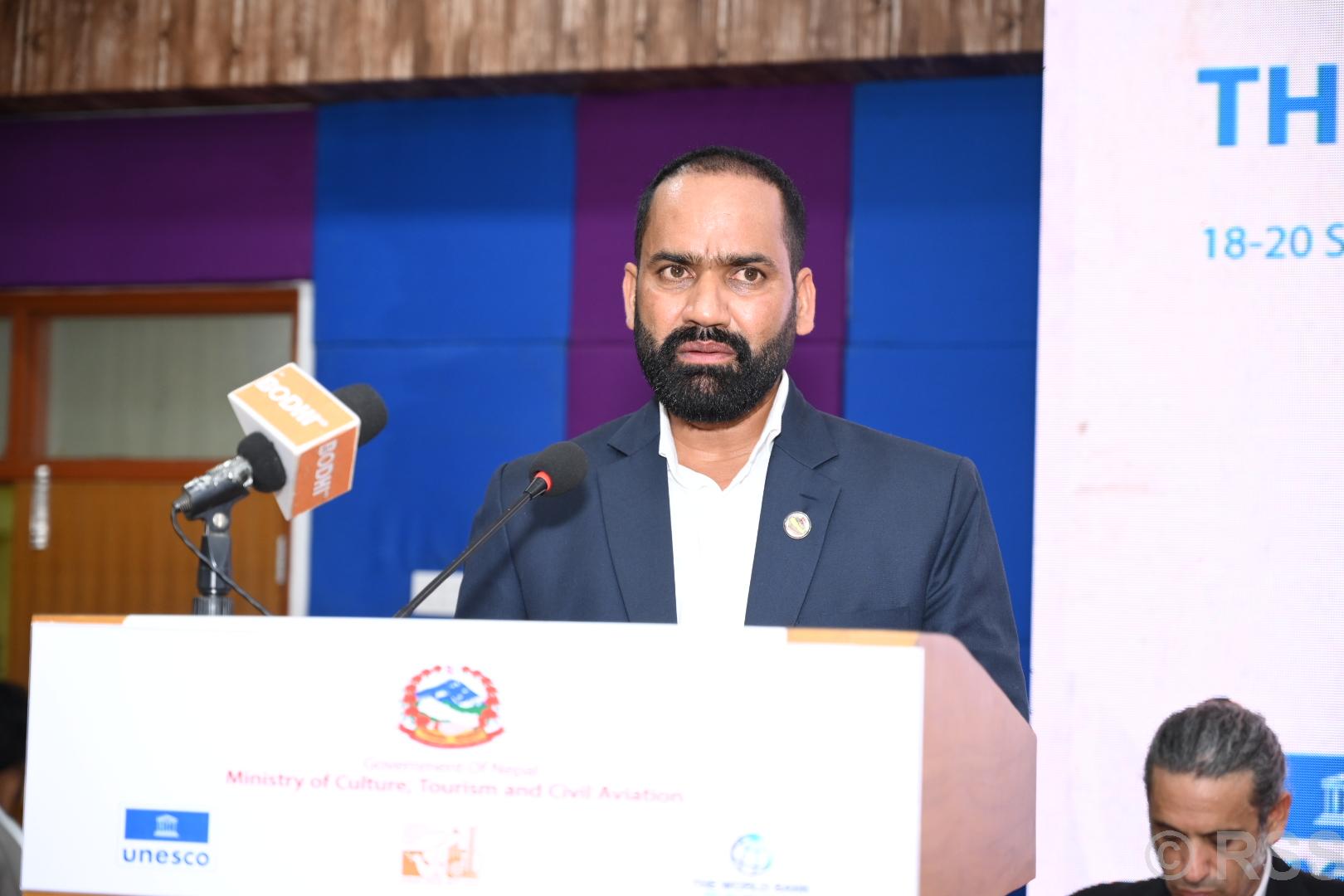
Nepal is seeking to give fresh momentum to the development of Lumbini and surrounding Buddhist heritage sites, with greater emphasis on sustainable tourism, pilgrimage experiences and benefits for local communities. Culture, Tourism and Civil Aviation Minister Khadka Raj Poudel said Lumbini should be viewed as a heritage of global importance rather than as a site belonging to any single country. He made the remarks while inaugurating the International Conference on the Greater Lumbini Area 2026 in Lumbini on Thursday.
The three-day conference is being held under the theme “Heritage, Pilgrimage and Development: Promoting Inclusive Growth and Sustainable Development.” The event brings together government officials, heritage specialists, tourism professionals, Buddhist representatives, local stakeholders, international organizations and development partners.

Greater Lumbini Development Takes Center Stage
Addressing the opening session, Minister Poudel said the government is committed to the overall development of the Greater Lumbini Area while maintaining the historical and archaeological significance of its heritage sites. He pointed to the development initiative being carried out with World Bank support as an opportunity to move beyond planning and implement practical measures for heritage conservation and tourism development.
Improving visitor facilities, strengthening connectivity, protecting the environment and creating opportunities for meditation and wellness are among the areas receiving attention. The government also wants tourism development to generate employment, entrepreneurship and livelihood opportunities for local residents and young people. Poudel stressed that any development work in Lumbini must respect its heritage value and take into account recommendations from UNESCO, the World Heritage Committee and technical experts.
Tourism Vision Extends Beyond Pilgrimage
The minister said Lumbini has the potential to offer visitors more than a conventional sightseeing or pilgrimage experience. He highlighted opportunities to promote the destination through Buddhist learning, meditation, mindfulness, peace, compassion and spiritual well-being. He also called for local communities and Buddhist groups to have a meaningful role in the region’s development so that the growth of tourism translates into tangible economic benefits.
As chair of the Lumbini Development Trust, Poudel said the trust’s experience and existing institutional partnerships could play an important role in implementing the broader development initiative. The long-term vision is to establish the Greater Lumbini Area as a destination where heritage conservation, pilgrimage, Buddhist education, local livelihoods, wellness, nature and community development can progress together.

Historic Sites Strengthen Lumbini Tourism Circuit
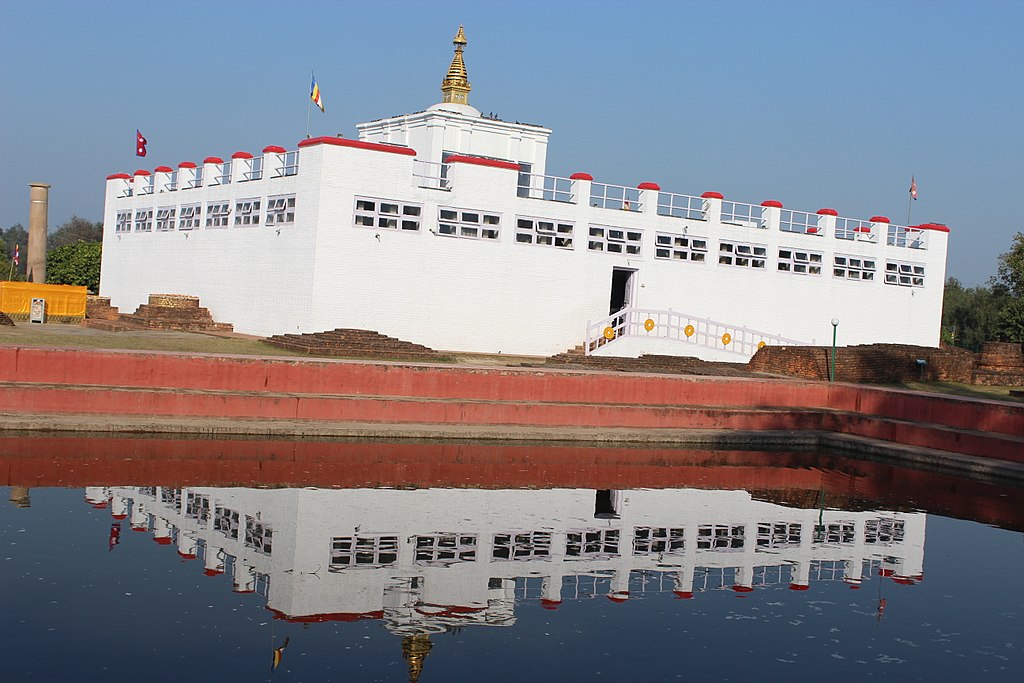
The Greater Lumbini Area encompasses a number of sites connected with the life and legacy of Buddha, including Lumbini, Tilaurakot, Devdaha, Ramgram and Panditpur. Lumbini itself was inscribed on the UNESCO World Heritage List in 1997. The conference is expected to strengthen cooperation among Nepal’s government agencies, Lumbini Development Trust, UNESCO, ICOMOS, the World Bank, Buddhist communities, local authorities, heritage experts and other development partners.
Participants are expected to use the three-day discussions to identify practical priorities and recommendations for the sustainable development and international promotion of the wider Lumbini region. The conference is scheduled to conclude on September 20 with the adoption of a joint declaration. The Greater Lumbini Area development initiative is being advanced by the Government of Nepal with support from the World Bank.