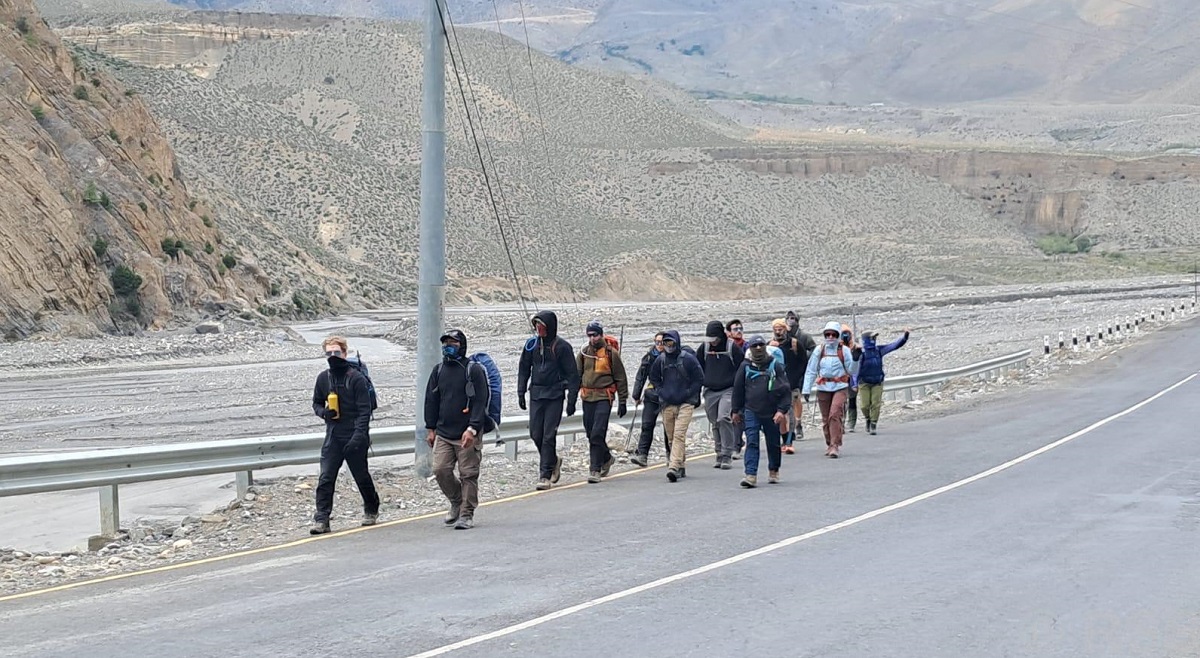
Tourist arrivals in Mustang have declined sharply during the first three months of the current fiscal year compared to the same period last year, with floods, landslides and prolonged disruption of the key road connection affecting travel to the Himalayan district. According to the District Police Office, Mustang received 69,403 domestic and international tourists from Shrawan to Ashoj of the current fiscal year, down 41.52% from 118,685 visitors recorded during the corresponding period last year.
Tourist Arrivals Decline Across Three Months
Information Officer and Police Inspector Ishwor Mahat said Mustang received 30,534 tourists in Shrawan, 20,268 in Bhadra and 18,601 in Ashwin this year. In comparison, the district welcomed 19,000 tourists in Shrawan, 23,205 in Bhadra and 75,599 in Ashwin last year.
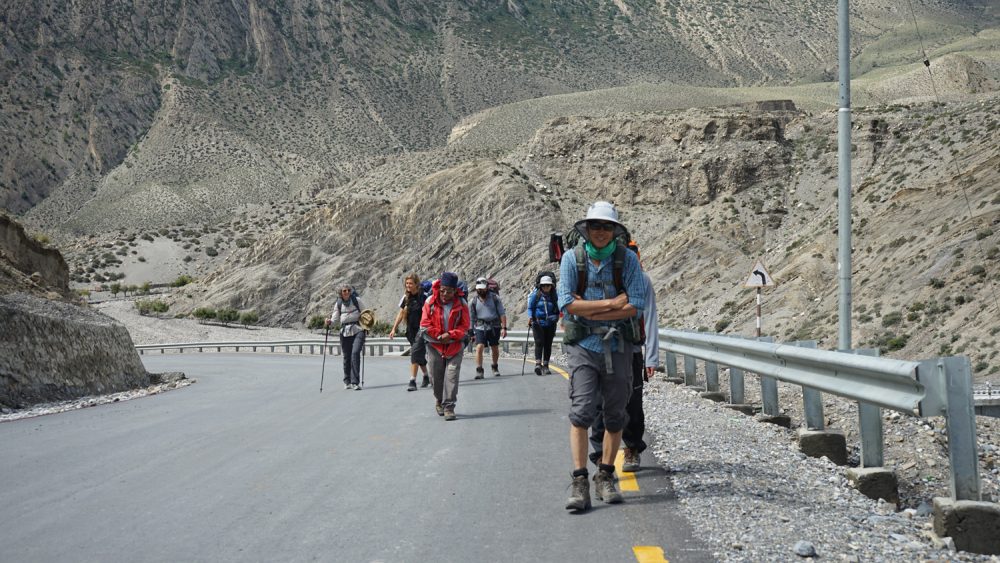
The figures show that while arrivals increased during Shrawan this year compared to the previous year, the overall number fell significantly due to a steep decline in tourist arrivals during Ashwin. The sharpest drop was recorded in Ashwin, traditionally one of the busiest months for tourism in Mustang.
Floods and Road Disruptions Hit Tourism
The decline in tourist arrivals has been attributed largely to a series of natural disasters and disruptions to road connectivity. The devastating Bhotekoshi flood in Rasuwa on Bhadra 10 and heavy rainfall on Ashoj 11 caused significant damage to infrastructure across the country.
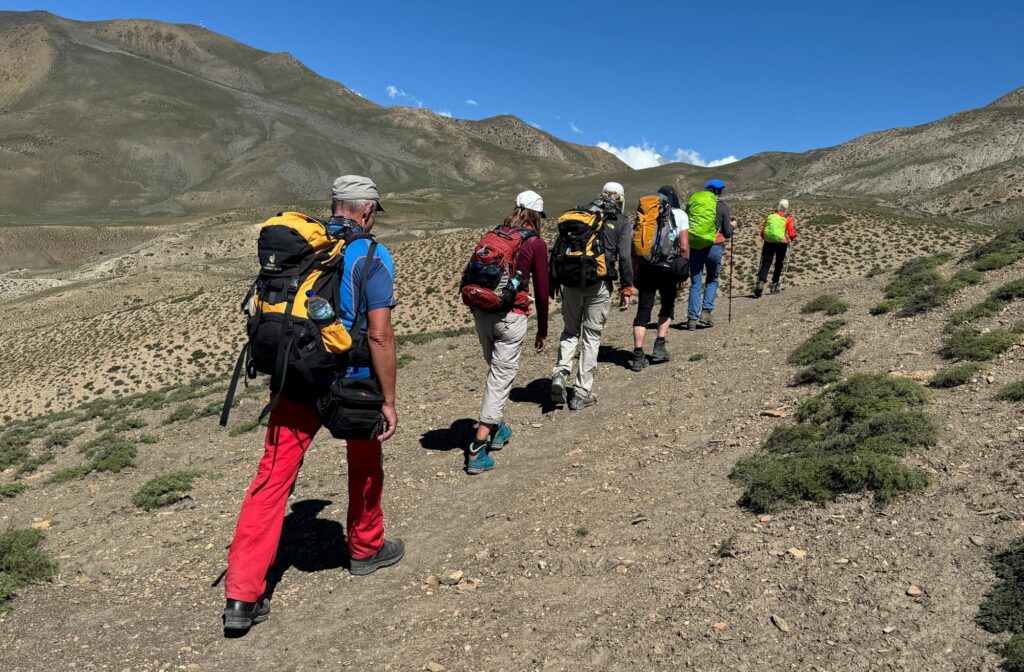
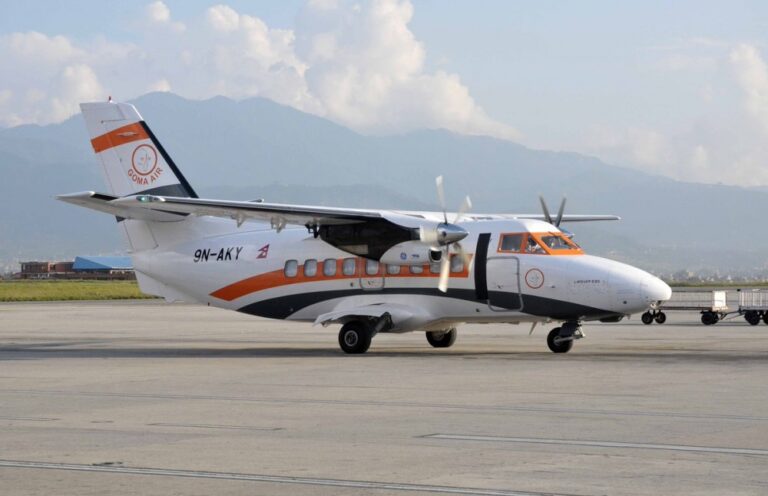
The Beni–Jomsom road, a major overland route connecting Mustang with the rest of the country, remained completely blocked for more than two weeks. According to Mahat, the prolonged road disruption during the second and third weeks of Ashoj prevented many tourists from reaching Mustang. Only a limited number of visitors were able to travel to the district by air through the Pokhara–Jomsom route.
Beni–Jomsom Road Still Not Fully Convenient
The Beni–Jomsom road had already suffered extensive damage at several locations due to floods, landslides and river erosion caused by heavy rainfall. Although the Korala Road Project has carried out repair and improvement works and reopened the Beni–Jomsom road, transportation along the route has yet to return to normal conditions. The continued difficulty of road travel has become a major challenge for tourism operators, as Mustang depends heavily on road connectivity for visitors traveling from Pokhara and other parts of the country.
Tourism Businesses Face a Quiet Autumn
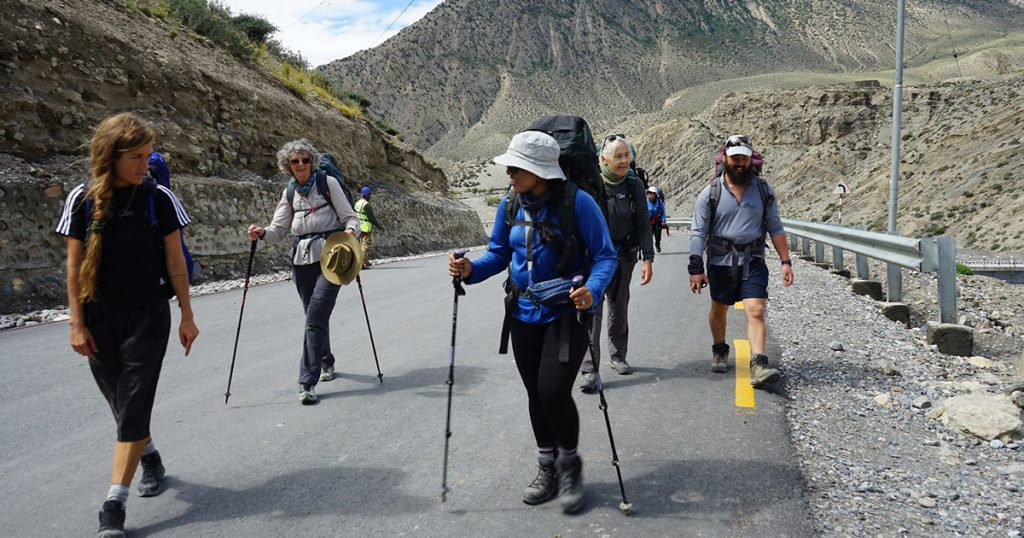
Suraj Gurung, President of the Muktinath Hotel Association, said tourist arrivals have failed to recover because of the repeated natural disasters and transportation disruptions. Mustang usually experiences a significant increase in tourist activity during Ashoj and Kartik, which fall within the peak autumn tourism season. However, Gurung said the district has remained unusually quiet this year.
The decline has raised concerns among hotels, restaurants, transport operators, guides and other businesses that depend heavily on the autumn tourism season. Mustang is one of Nepal’s major mountain tourism destinations, with Muktinath, Jomsom, Kagbeni, Marpha, Lo Manthang and the Upper Mustang region attracting domestic and international visitors. Continued improvement in road connectivity and reliable air services are therefore considered crucial for reviving tourist movement in the district.