Nepal is observing Nag Panchami today, a traditional Hindu festival dedicated to the worship of snakes and the revered Nagas, the mythical serpent deities associated with protection, fertility, water and prosperity. The festival falls on the fifth day of the bright fortnight (Shukla Paksha Panchami) of the month of Shrawan in the Hindu lunar calendar and is observed with religious devotion across Nepal.
Nag Panchami is celebrated not only in Nepal but also in several parts of India and other countries where Hindu, Buddhist and Jain communities live. In Nepal, the festival carries a distinctive cultural significance, with devotees worshipping Nagas and seeking protection and blessings for their families.
Worship of Nagas and Lord Shiva
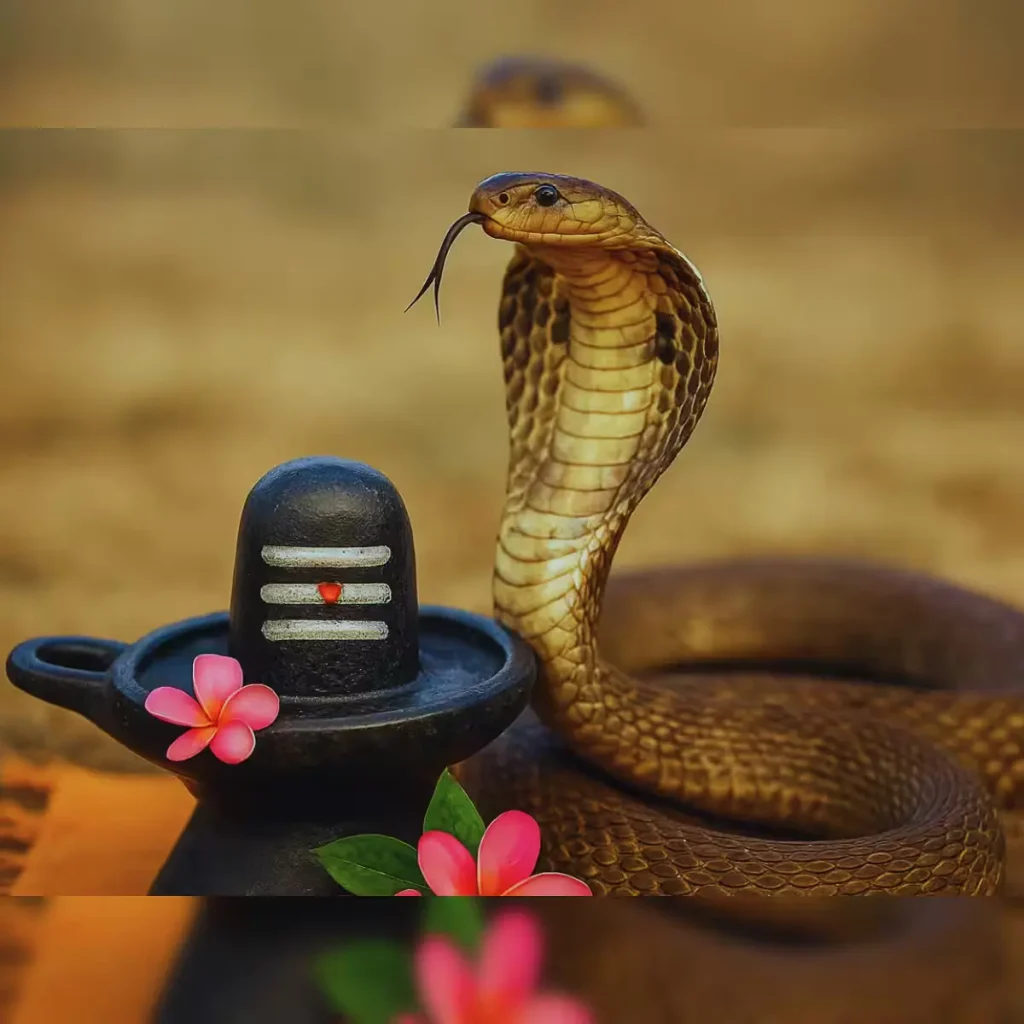
On Nag Panchami, devotees traditionally worship the Ashta Nagas, or eight principal serpent deities. Nagas are also closely associated with Lord Shiva, who is traditionally depicted wearing a serpent around his neck. As a result, many devotees also visit Shiva temples and offer prayers to Lord Shiva alongside Nag Devata.

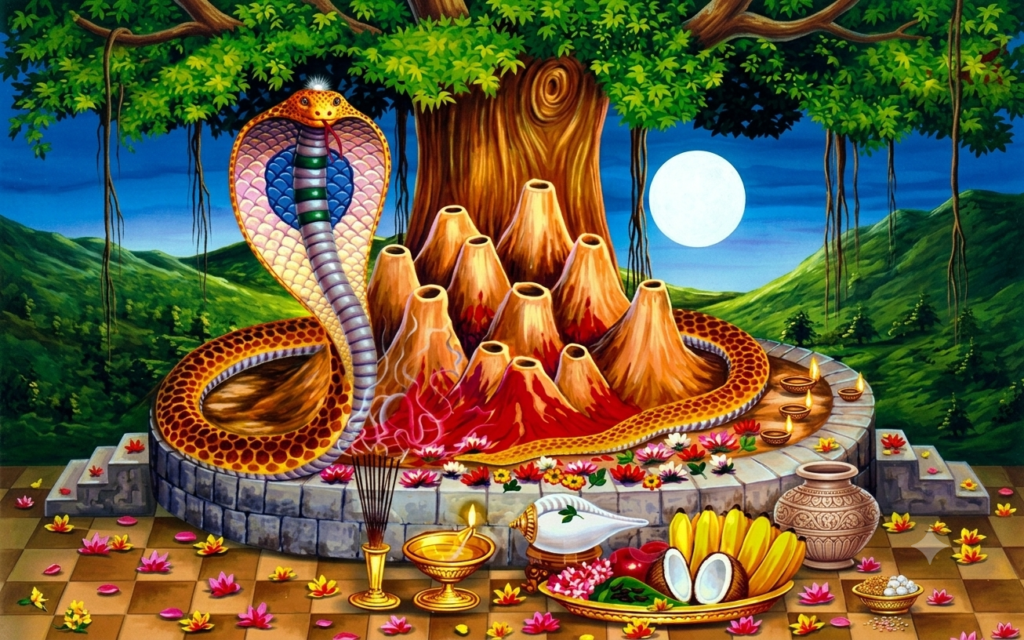
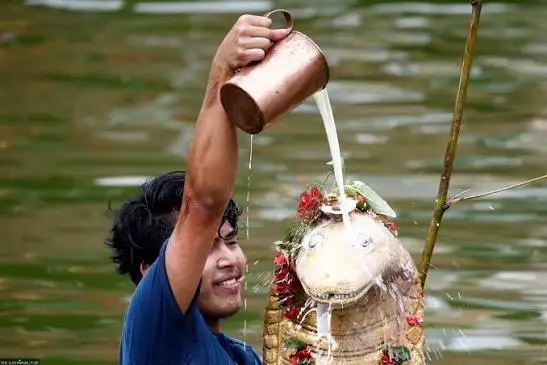
Images or representations of Nagas made from silver, stone, wood, clay or painted on paper are commonly worshipped. Devotees offer flowers, incense, lamps, sweets and other religious offerings, while water and milk are traditionally used in the ritual bathing of Nag images. In many households, an image of a Nag is placed above the main entrance of the house. This practice is believed to protect the household from negative influences and bring peace, prosperity and well-being.
Religious Beliefs and Traditional Rituals
Nag Panchami is considered a festival of faith and devotion. Devotees observe fasting and perform special pujas at temples and homes. In some communities, offerings of milk, sweets and kheer are made to Nag Devata, while lotus flowers and other sacred items are also offered.
A traditional belief associated with the festival is that digging the earth should be avoided on Nag Panchami, as snakes are believed to live underground and the practice is intended to prevent harm to them. Devotees also believe that worshipping Nagas on this day provides protection from snake-related dangers and brings good fortune to the family.
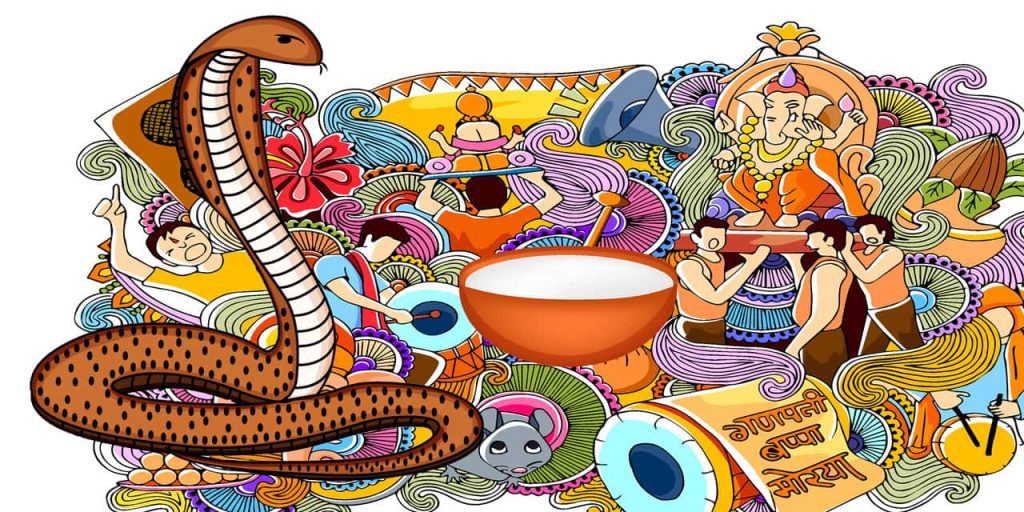
Although some traditional celebrations have involved offering milk to live snakes, animal welfare and conservation perspectives emphasize that wild snakes should not be handled or fed. Religious observances can instead be performed through symbolic images or representations of Nag Devata.
The Mahabharata Connection
One of the most important legends associated with Nag Panchami is found in the Mahabharata. According to the epic, King Janamejaya, son of King Parikshit, conducted a massive Sarpa Satra, or snake sacrifice, to avenge his father’s death. King Parikshit had died after being bitten by Takshaka, the king of snakes. Enraged by his father’s death, Janamejaya ordered a great ritual intended to destroy the entire serpent race. The ritual was so powerful that snakes from across the world were believed to be drawn into the sacrificial fire.
When Takshaka sought protection from Indra, the ritual continued to threaten both Takshaka and Indra. At this critical moment, the sage Astika intervened and persuaded Janamejaya to stop the sacrifice. The king, bound by his promise to grant the sage a boon, eventually halted the ritual, saving Takshaka and the serpent race. According to tradition, the stopping of the sacrifice on Shukla Paksha Panchami is one of the major reasons the day came to be associated with the worship of Nagas and is remembered as Nag Panchami.
Nag Panchami and Nepal’s Cultural Heritage
Nag Panchami has a particularly strong presence in Nepal’s religious and cultural landscape. Ancient temples, ponds and shrines associated with Nagas become important sites of worship during the festival. Among Kathmandu Valley’s notable sites is Nag Pokhari in Naxal, where devotees gather to offer prayers and perform rituals dedicated to Nag Devata. The festival is also associated with Changunarayan Temple, where the legendary relationship between Garuda and the Nagas forms an important part of local religious tradition. According to local belief, Garuda’s struggle with a great serpent is remembered during Nag Panchami.
The Kathmandu Valley’s historic ponds and water sources also reflect the longstanding connection between Nag worship and water in Nepali culture. Nagas have traditionally been regarded as guardians of water bodies, springs and underground water sources, making their worship particularly significant in an agrarian society dependent on rainfall and water resources.
Nagas in Hindu Mythology
Nagas occupy an important position in Hindu mythology. According to Hindu scriptures and traditional narratives, Kadru, one of the wives of sage Kashyapa, gave birth to the Nagas, while her sister Vinata gave birth to Garuda, the divine eagle associated with Lord Vishnu. This mythology establishes the famous relationship and rivalry between Garuda and the Nagas, which has influenced religious traditions across South Asia.
Serpents are also closely connected with several major Hindu deities. Lord Vishnu is traditionally depicted resting on Shesha or Ananta, the cosmic serpent, while Lord Shiva is associated with a serpent around his neck. Lord Subramanya, also known as Kartikeya, is similarly connected with serpent worship in various traditions.

Significance of Nag Panchami in Astrology
Serpents also have a symbolic place in Hindu astrology. Rahu and Ketu, the lunar nodes, are traditionally represented through serpent imagery. The concept of Kaal Sarp Dosha in Hindu astrology is similarly associated with the symbolism of the serpent. As a result, some devotees perform special Nag Puja on Nag Panchami with the belief that it can help alleviate astrological difficulties and bring greater balance and protection to their lives.
A Festival of Faith, Nature and Tradition
Beyond its religious significance, Nag Panchami reflects the deep relationship between traditional Nepali society and nature. Snakes have long been part of Nepal’s ecological environment, particularly in agricultural and forested areas, while Nagas have been revered in mythology as protectors of water and the natural world.
The festival therefore represents a combination of religious belief, mythology, cultural heritage and respect for nature. For generations, families have passed Nag Panchami traditions from one generation to the next, preserving rituals that remain an important part of Nepal’s living cultural heritage. As Nepal celebrates Nag Panchami today, temples, Nag shrines and traditional households across the country are observing special prayers and rituals, keeping alive one of the region’s oldest traditions of serpent worship.