Nepal has planned a $49.94 million climate resilience project aimed at protecting Himalayan communities from the growing risks posed by climate change and glacial lake outburst floods (GLOFs). The initiative, known as the ‘GLOF Sanjivani Project,’ is expected to strengthen resilience in vulnerable mountain communities while reducing the potential loss of lives, infrastructure and livelihoods caused by glacial lake-related disasters.
The project, which will be implemented from 2026 to 2033, will receive financial support from the Government of Nepal as well as international climate and development partners. The initiative is expected to directly benefit more than 385,000 people living in areas vulnerable to climate-induced hazards and GLOF events.
$49.94 Million Project to Strengthen Himalayan Resilience
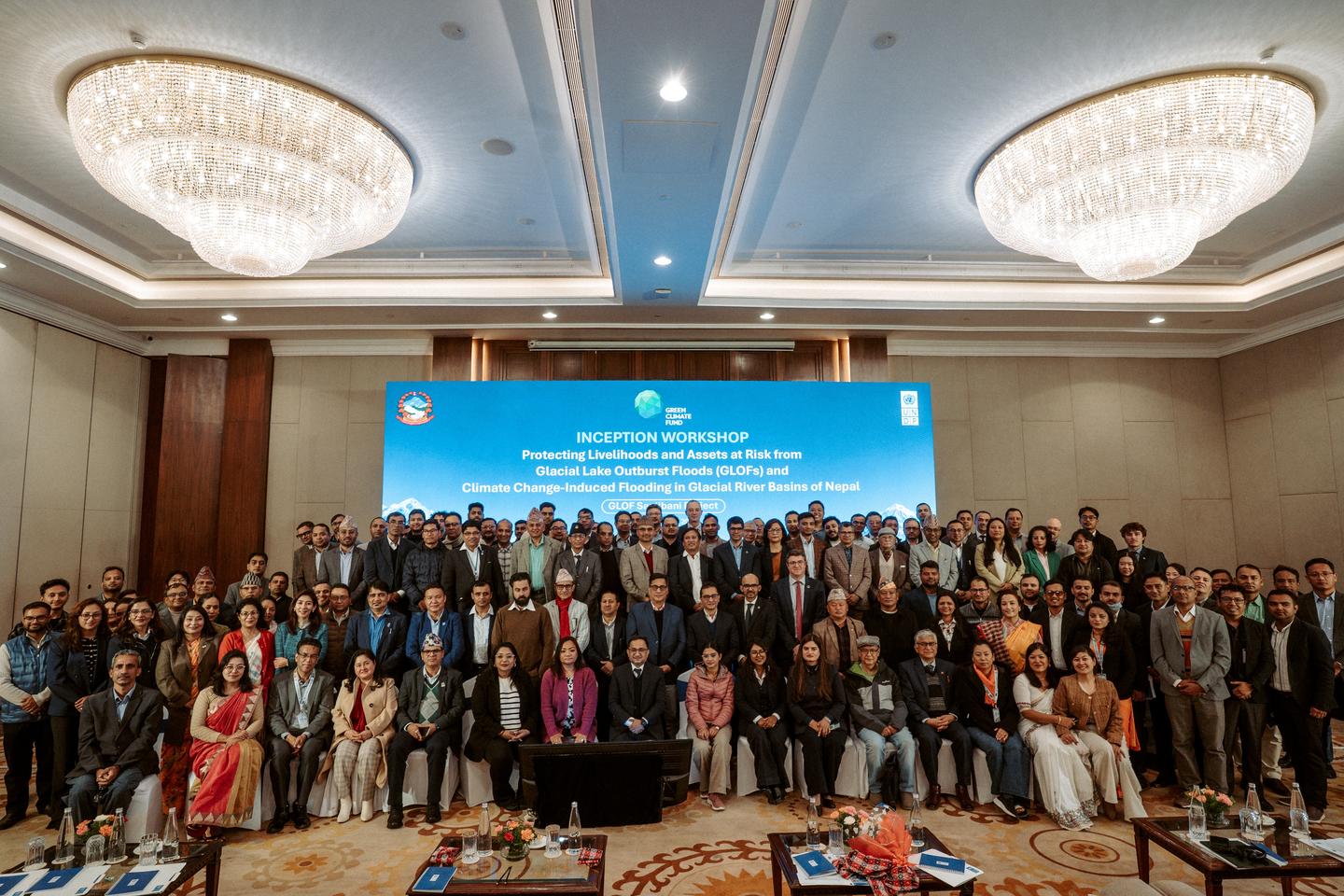
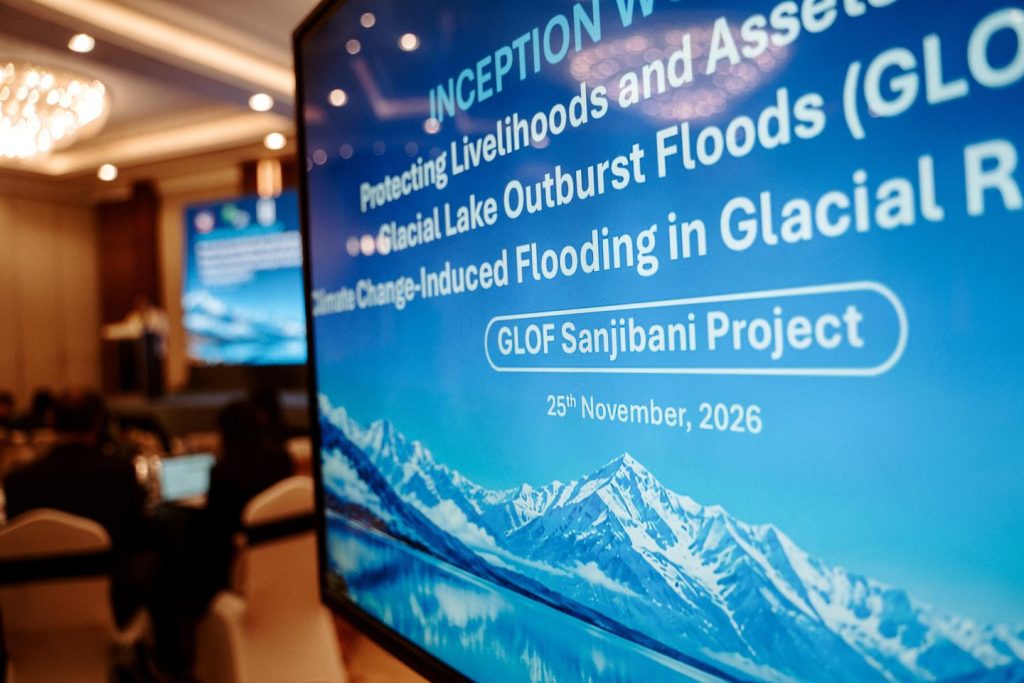
The details of the project were presented at an inception workshop held in Kathmandu on November 25, where government officials, development partners and stakeholders discussed the project’s objectives and implementation framework. The total estimated cost of the GLOF Sanjivani Project is $49.94 million. The Government of Nepal will contribute $11.32 million, while the remaining resources will be mobilized through support from development and climate-finance partners, including the Green Climate Fund (GCF), United Nations Development Programme (UNDP) and private-sector partners.
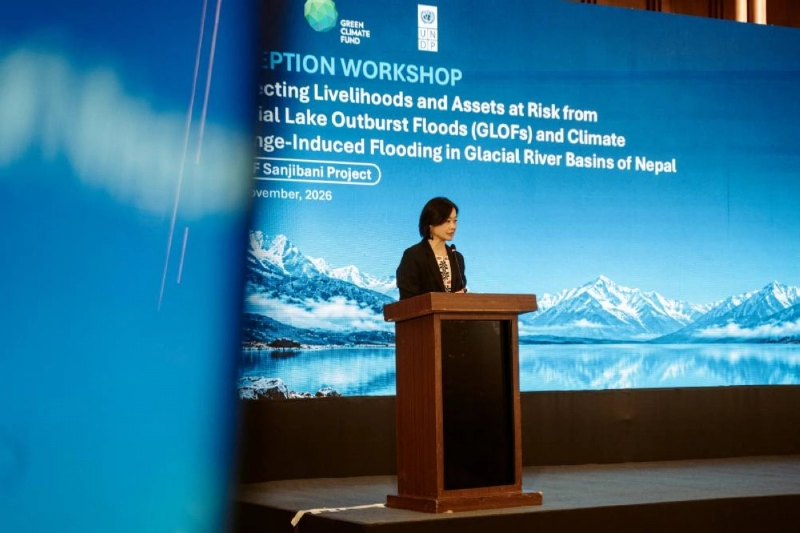
The project has been designed in response to increasing climate-related risks in Nepal’s high mountain regions, where rising temperatures and changes in precipitation patterns are contributing to the expansion and instability of glacial lakes.
Project to Run Until 2033
The GLOF Sanjivani Project will be implemented over a period of seven years, from 2026 to 2033. Its primary focus will be on reducing the vulnerability of Himalayan communities and strengthening institutional and community-level capacity to prepare for and respond to GLOF and other climate-induced disasters. The project is expected to directly benefit more than 385,000 people, particularly communities living in areas exposed to glacial lake hazards.
The initiative will combine infrastructure-based risk reduction with institutional strengthening, livelihood support and community resilience measures. This approach is intended to ensure that disaster-risk reduction efforts are linked with the long-term economic and social wellbeing of vulnerable mountain communities.
Integrated and Cooperative Approach to Implementation
Nabin Raj Singh, Secretary at the Water and Energy Commission Secretariat, said the project would adopt both integrated and cooperative models during implementation. According to Singh, coordination among government agencies, development partners, local communities, private-sector stakeholders and technical institutions will be important for achieving the project’s objectives.
He also said the Centre of Hydrology and Water Resources Research would be developed as a centre of excellence under the project. The development of such an institution is expected to strengthen Nepal’s capacity in hydrological research, water-resource management, climate-risk assessment and disaster preparedness. Strengthening technical and research capabilities will be particularly important as Nepal faces increasingly complex challenges related to glacier retreat, changing water systems and climate-induced hazards in the Himalayas.
Water Levels of Four Glacial Lakes to Be Lowered
One of the major components of the project will be the reduction of water levels in four high-altitude glacial lakes considered vulnerable to GLOF risks. Under the initiative, measures will be taken to lower the water levels of the selected glacial lakes in order to reduce the pressure and potential volume of water that could be released in the event of a glacial lake outburst.
Such interventions are intended to reduce the scale of potential downstream flooding and minimize risks to settlements, infrastructure, livelihoods and other assets located downstream. The water-level reduction measures will be accompanied by broader risk-management and resilience activities to address the wider vulnerabilities of Himalayan communities.
GCF Highlights Livelihood and Entrepreneurship Opportunities
Bapon Fakhruddin, Climate Investment Principal and Water Sector Lead at the Green Climate Fund (GCF), said the project would not be limited to physical measures for reducing disaster risks. According to him, the initiative would also create opportunities related to livelihoods, finance, entrepreneurship and partnerships.
The integration of livelihood and economic opportunities into climate-resilience programmes is expected to help vulnerable communities strengthen their ability to withstand climate-related shocks. Such measures can also encourage local participation and create economic activities that are compatible with the changing environmental conditions of mountain regions.
Glacial Lakes Described as ‘Time Bombs’
The increasing risks associated with glacial lakes have raised concerns among disaster-management and hydrology experts in Nepal. Rapid changes in the Himalayan environment can increase the vulnerability of glacial lakes and downstream communities. Dharma Raj Uprety, Executive Chief of the National Disaster Risk Reduction and Management Authority (NDRRMA), stressed the need for joint initiatives involving the government, development partners, private sector and local communities to strengthen resilience.
He said collaboration among all stakeholders would be essential to ensure that vulnerable communities are adequately prepared for climate-related disasters and that potential losses and damages are minimized. Similarly, Sanjiv Baral, Executive Director of the Centre of Hydrology and Water Resources Research, described glacial lakes as “time bombs” and emphasized the need for timely intervention.
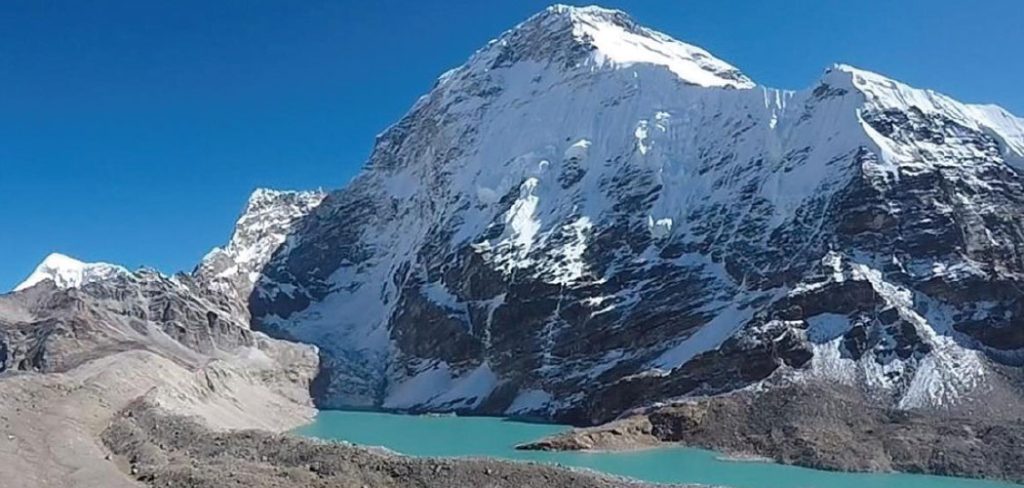
According to Baral, preventive measures must be taken before disasters occur rather than waiting for catastrophic events to take place. Early risk reduction, monitoring and infrastructure interventions can significantly reduce potential losses in downstream areas.
Climate Change Increasing Pressure on Himalayan Communities
Nepal’s Himalayan communities are among the areas most exposed to the impacts of climate change. Changes in temperature and precipitation, glacier retreat, and the growth of glacial lakes have increased concerns over the potential for GLOF events. A major glacial lake outburst can release enormous volumes of water and debris downstream within a short period, potentially damaging settlements, roads, bridges, hydropower projects, agricultural land, and other critical infrastructure.
The GLOF Sanjivani Project is therefore expected to play an important role in strengthening Nepal’s long-term climate adaptation and disaster-risk reduction efforts. Through a combination of glacial lake risk reduction, institutional capacity building, research, livelihood development and multi-stakeholder cooperation, the project aims to protect vulnerable Himalayan communities while improving Nepal’s ability to respond to the growing impacts of climate change.