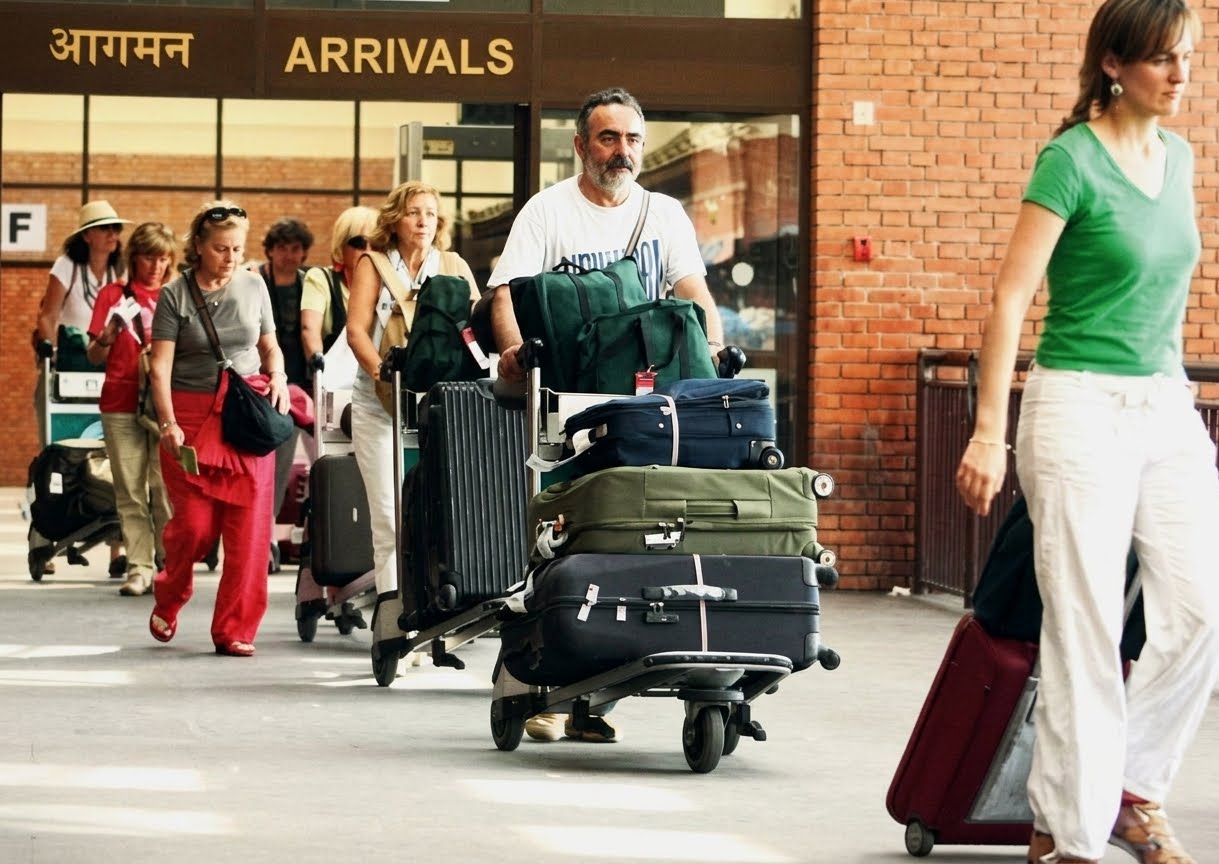
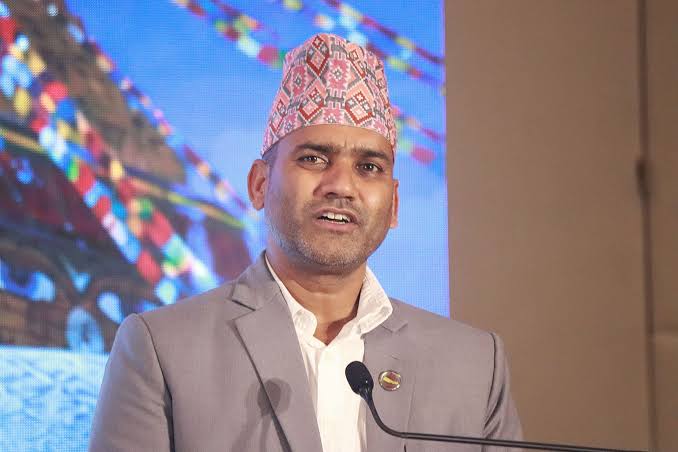
Nepal’s tourism sector is demonstrating encouraging signs of recovery, with international visitor arrivals increasing by 5.37 percent during the first seven months of 2026 despite natural disasters and other challenging circumstances, according to Minister for Culture, Tourism and Civil Aviation Khadak Raj Paudel (Ganes). Speaking about the country’s tourism performance, Minister Paudel described the growth as a positive achievement during a period of recovery. He credited the progress to the collective efforts of the government, private sector, tourism entrepreneurs and other stakeholders who continued working to strengthen Nepal’s position as an international travel destination.
According to the figures presented by the minister, Nepal welcomed 680,204 foreign tourists between April and October 2026, compared with 645,558 visitors during the corresponding period in 2025. This represents an increase of 34,646 international arrivals, or 5.37 percent year-on-year. The growth indicates that Nepal continues to attract international travellers while rebuilding tourism confidence and strengthening its promotional efforts. Minister Paudel said the latest figures should be viewed not as the final measure of recovery but as encouragement to continue improving tourism infrastructure, connectivity, services and international promotion.
International Tourist Arrivals Show Encouraging Growth in 2026
Nepal’s tourism industry recorded positive growth across several months of the reporting period, with particularly strong increases in May, June and September. Minister Paudel stated that international tourist arrivals increased by 18.5 percent in May, 19.5 percent in June and 12.1 percent in September compared with the same months of the previous year. October also delivered an encouraging result, with 132,814 foreign tourists visiting Nepal. This was the highest monthly international arrival figure recorded in 2026 up to that point and represented a 3.4 percent increase compared with October 2025.
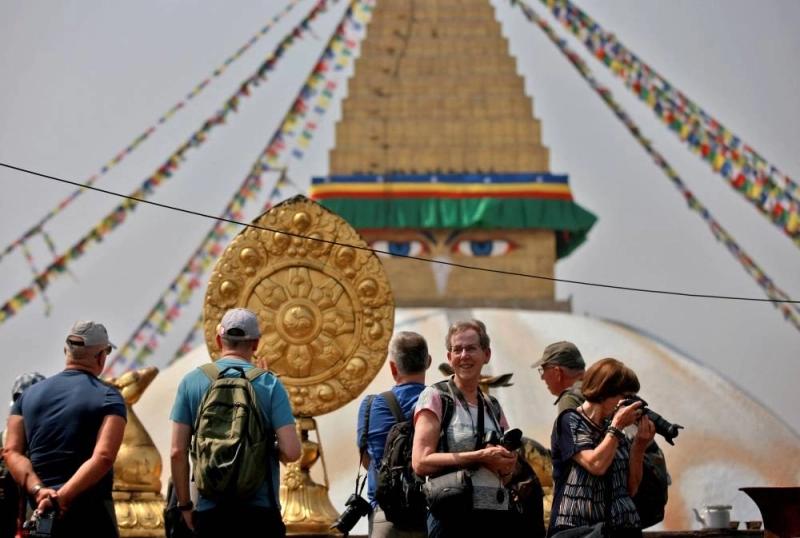
The minister particularly highlighted the encouraging contribution of visitors from European and American markets. Growth from these markets reflects the importance of maintaining Nepal’s visibility among long-haul travellers and strengthening promotional activities in countries with strong potential for adventure, cultural, nature-based and mountain tourism. The performance is significant because Nepal’s tourism sector has been working through a recovery period following floods, other natural disasters and social disruptions.
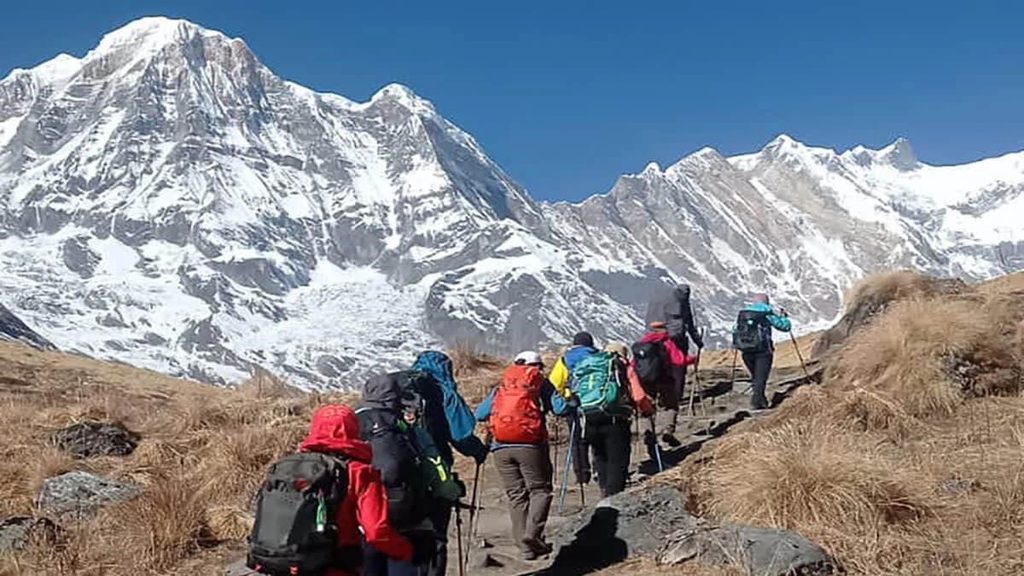
Despite these circumstances, tourism businesses and service providers have continued welcoming visitors and maintaining services across destinations. Minister Paudel said the progress was the result of cooperation between public institutions and private tourism businesses. Hotels, trekking and mountaineering companies, tour operators, guides, airlines, tourism workers and other entrepreneurs have played an important role in sustaining the country’s tourism activities.
Strategic International Promotion Strengthens Nepal’s Tourism Image
The government has been working to turn growing international attention towards Nepal into opportunities for tourism promotion and recovery. Minister Paudel said Nepal had adopted a measured and strategic approach to communicating the country’s tourism potential rather than relying on hurried or uncontrolled promotional activities. He noted that efforts were being made to ensure that accurate information, facts and positive content about Nepal are more accessible through social media, search engines and artificial intelligence platforms. Improving Nepal’s digital presence is increasingly important as international travellers use online platforms to research destinations, assess travel conditions and plan their journeys.
The minister also highlighted engagement with international digital platforms, including TikTok, as part of efforts to expand Nepal’s visibility among global audiences and support tourism recovery. Participation in international tourism promotional events, both through direct government representation and other delegates, has also helped communicate Nepal’s tourism opportunities to potential visitors. Following the floods, campaigns such as #NepalCalling, #ImInNepal and #NepalSafe were used to communicate that most tourism destinations across the country remained open and ready to welcome visitors, apart from limited areas directly affected by disasters. These campaigns aimed to provide international travellers with clearer information about travel opportunities in Nepal and encourage them to continue considering the country for their holidays.
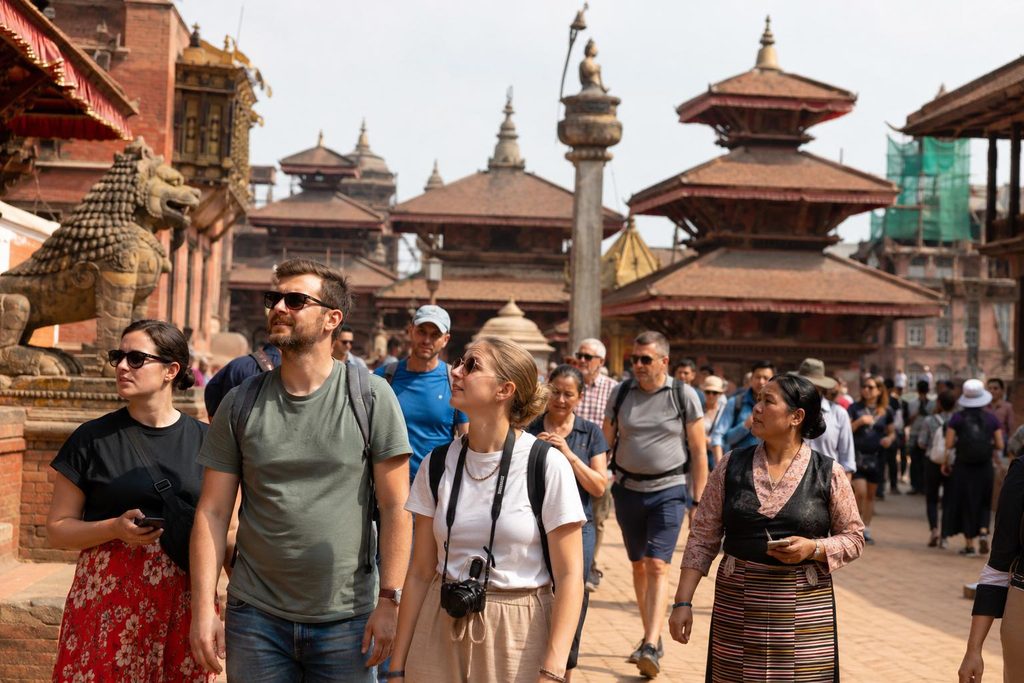
Minister Paudel also referred to Nepal’s increased international visibility following the Prime Minister’s address at the United Nations platform. He said the government had sought to use the growing interest in Nepal as an opportunity to promote the country’s destinations, attractions and tourism experiences. Such promotional efforts are important for maintaining traveller confidence, particularly in international markets where accurate and timely destination information can influence travel decisions. Nepal’s diverse tourism offerings, including Himalayan adventures, trekking, mountaineering, religious journeys, cultural heritage and nature-based experiences, provide opportunities to reach a broad range of visitors.
Aviation Reforms and Improved Connectivity Remain Key Priorities
Strengthening air connectivity and improving aviation safety are among the government’s major priorities for supporting Nepal’s sustainable tourism growth and recovery. Minister Paudel said work was progressing at policy, structural and diplomatic levels to improve Nepal’s international aviation safety standing and support the country’s long-term air connectivity. He highlighted ongoing efforts to address Nepal’s continued presence on the European Union’s aviation safety list since 2012. The government has been working on institutional and regulatory improvements, including the proposed restructuring of the Civil Aviation Authority of Nepal (CAAN) into two separate entities responsible for regulatory functions and service provision.
According to the minister, the bill outlining this institutional separation has been finalised and registered in Parliament. A separate draft bill to establish an independent body for investigating aviation accidents has also been prepared and is expected to be presented to Parliament soon. Nepal has also prepared a corrective action plan in line with European Union guidance and presented it in Brussels. Minister Paudel said the presentation received positive feedback and encouraging assurances. He acknowledged that implementing structural reforms and achieving their full results would require administrative time but reiterated the government’s commitment to continuing the process as part of Nepal’s broader tourism recovery efforts.
Improving aviation safety and strengthening institutional capacity are important for Nepal’s tourism recovery because reliable air services play a major role in connecting international visitors with the country’s destinations. Better aviation governance can also contribute to stronger confidence among airlines, travellers and international aviation partners. The government is also pursuing connectivity initiatives linked to religious and cultural tourism. Minister Paudel said discussions and coordination with the private sector were ongoing to make it easier for Indian visitors travelling through Madhesh to reach other religious and cultural destinations in Nepal following the expansion of the Ayodhya–Janakpur rail connection.
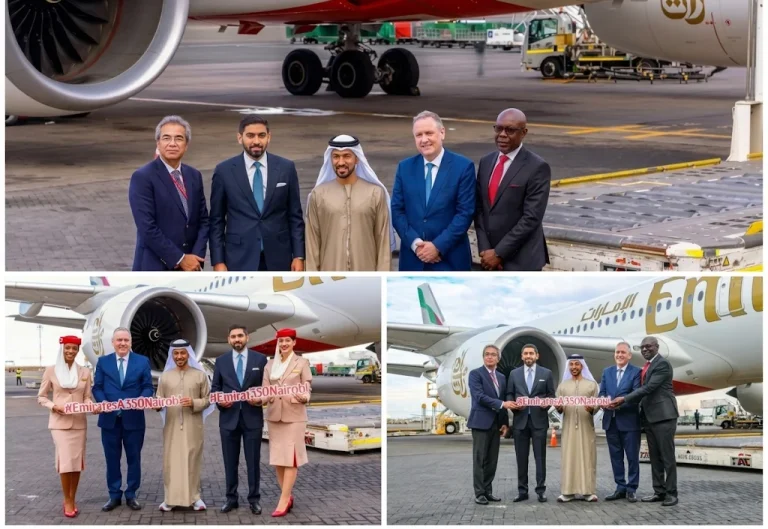
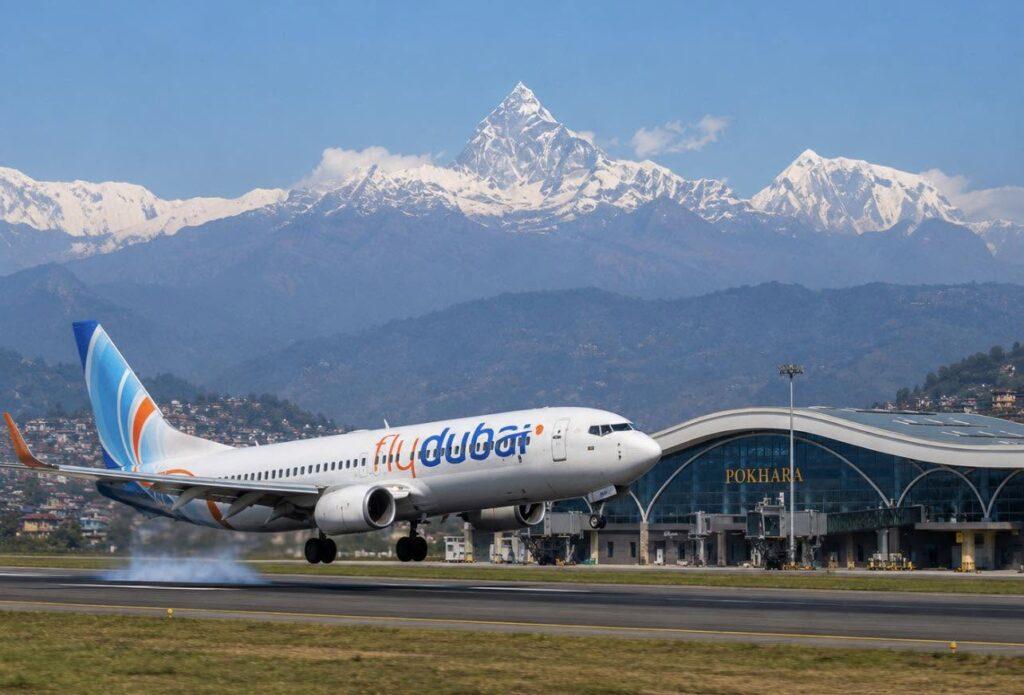
He also thanked the UAE-based ambassador, flydubai representatives, the airline’s director, its General Sales Agent (GSA) representatives in Nepal and private-sector stakeholders in Pokhara for their support in maintaining regular flydubai services at Pokhara International Airport. Continuing these operations is an important step towards strengthening international access to Pokhara, supporting the airport’s sustainable operation and contributing to Nepal’s broader tourism recovery.
Tourism Stakeholders’ Cooperation Supports the Recovery Journey
Minister Paudel praised the private sector for maintaining its commitment to Nepal’s tourism industry despite challenges during the main trekking and mountaineering season. He said the unity, patience and cooperation demonstrated by tourism entrepreneurs had been particularly valuable in sustaining the sector’s recovery. He expressed appreciation to hotel operators, trekking and mountaineering companies, tour operators, guides, aviation service providers, tourism workers and other tourism entrepreneurs for their continued contribution. Their role in maintaining services and welcoming international visitors has helped Nepal preserve its reputation as a destination for adventure, cultural and nature-based travel.
The minister also acknowledged the contributions of foreign nationals who support Nepal, mountaineers, international media organisations, social media content creators and influencers, Nepali diplomatic missions abroad, the Non-Resident Nepali community and the general public. Their engagement and positive communication have helped introduce Nepal to wider international audiences and support the country’s tourism recovery. He emphasised that tourism recovery was not the achievement of any single individual, ministry or government institution but the outcome of a shared effort involving public agencies, businesses, communities and international supporters.
While welcoming the latest arrival figures, Minister Paudel said Nepal still had considerable work ahead. Priorities include further improvements in aviation safety, expansion of international air connectivity, development of tourism infrastructure, diversification of destinations, improvement of service quality and more effective international promotion. The government intends to continue working with tourism businesses and other stakeholders to sustain the recovery momentum. Stronger cooperation and sustained investment will be essential to ensure that rising visitor arrivals translate into long-term benefits for local communities, tourism enterprises and the wider national economy.
Concluding his message, Minister Paudel encouraged international travellers to visit Nepal and urged everyone to help introduce the country’s tourism opportunities to the world. He reaffirmed Nepal’s welcoming message: “Nepal is open, Nepal is ready to welcome you, and Nepal is waiting for you.” The increase in international arrivals during the recovery period offers encouraging momentum for Nepal’s tourism industry. With continued collaboration, strategic promotion, improved connectivity and investment in quality tourism services, Nepal aims to strengthen its position as an attractive destination for travellers from around the world.