Nepal’s protected areas witnessed a remarkable surge in visitor arrivals during the fiscal year (FY) 2082/83, receiving a total of 2,299,453 tourists, according to the latest visitor statistics. The figures reflect the growing popularity of Nepal’s national parks, conservation areas and wildlife reserves among both domestic and international travellers, reaffirming the country’s position as one of the world’s leading destinations for nature, adventure and wildlife tourism.
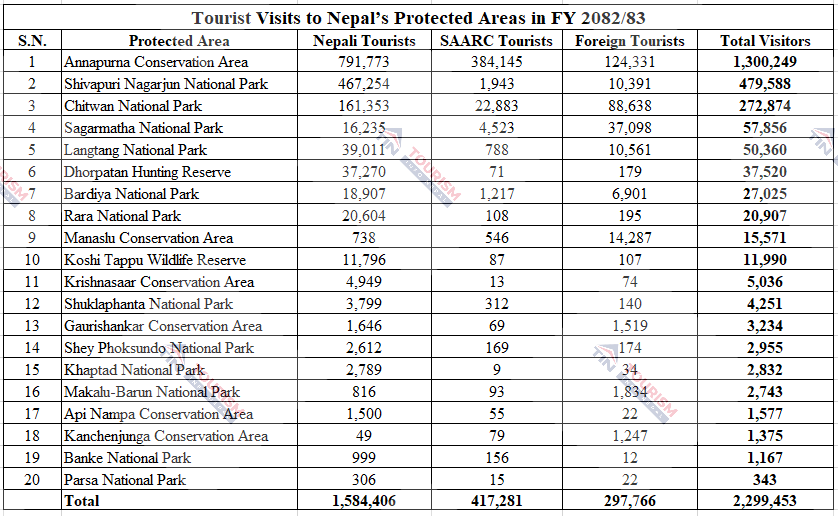
The data shows that 1,584,406 Nepali tourists, 417,281 visitors from SAARC countries, and 297,766 foreign tourists visited Nepal’s 20 protected areas during the fiscal year. The overwhelming contribution of domestic tourism demonstrates the increasing interest of Nepalis in trekking, wildlife observation, mountain recreation and eco-tourism, while international arrivals continue to strengthen Nepal’s tourism recovery.
The statistics also reveal significant differences in visitor distribution across protected areas, with destinations such as the Annapurna Conservation Area, Shivapuri Nagarjun National Park and Chitwan National Park attracting the majority of visitors, while several remote conservation areas continue to receive comparatively fewer tourists despite their immense tourism potential.
Annapurna Conservation Area Remains Nepal’s Most Visited Protected Destination
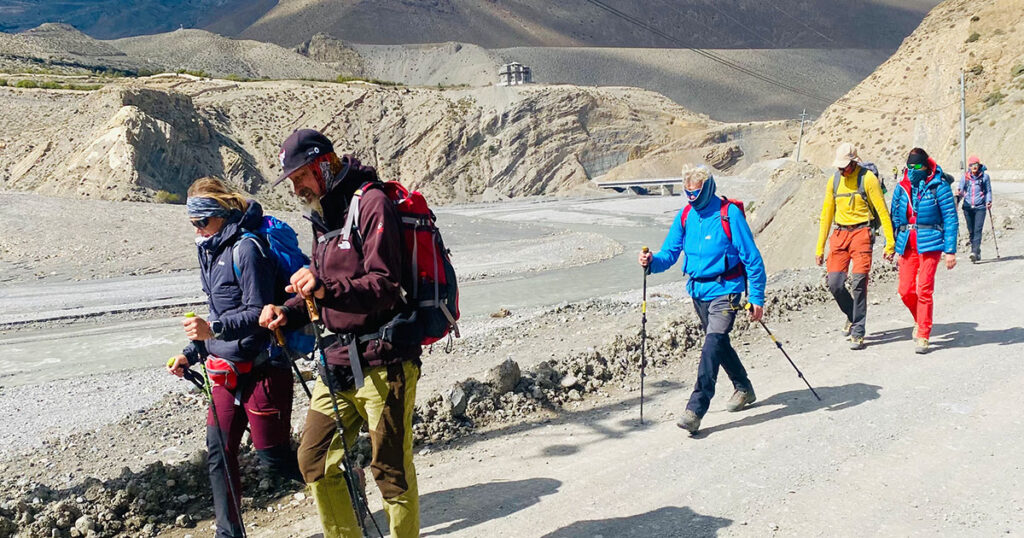
The Annapurna Conservation Area (ACA) retained its position as Nepal’s most visited protected area by a considerable margin. During FY 2082/83, the region welcomed 1,300,249 visitors, accounting for more than half of all visitors recorded across the country’s protected areas. According to the statistics, the Annapurna region received 791,773 Nepali tourists, 384,145 visitors from SAARC countries, and 124,331 foreign tourists.
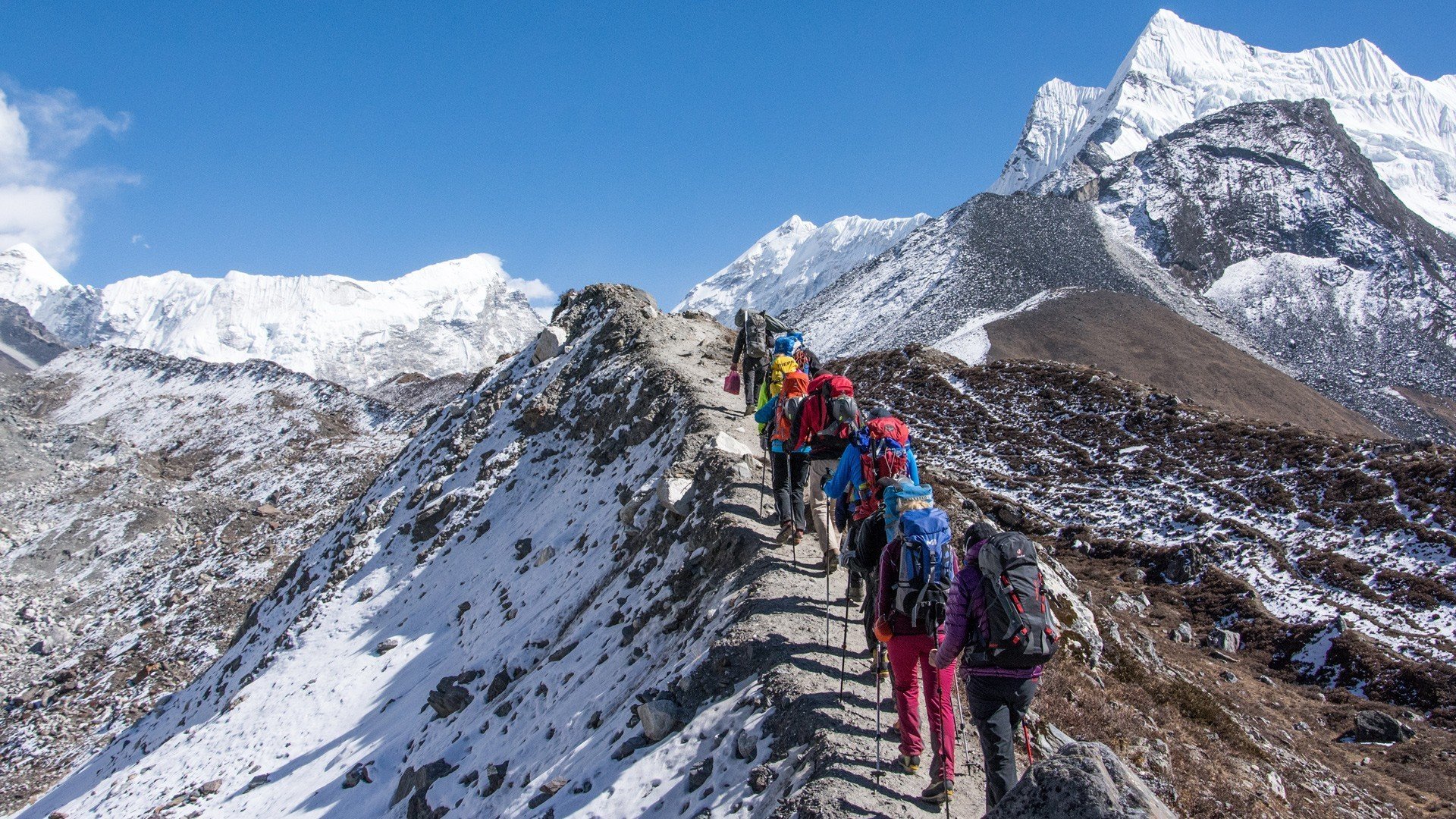
The Annapurna region continues to be Nepal’s flagship trekking destination, offering internationally renowned routes including the Annapurna Circuit, Annapurna Base Camp, Ghorepani-Poon Hill, Mardi Himal and Upper Mustang access routes. Besides trekking, the region has become increasingly popular among domestic travellers seeking short hiking trips, pilgrimage destinations, mountain holidays and recreational tourism. The exceptionally high number of domestic visitors also reflects the growing trend of internal tourism, especially after improved road connectivity and increasing travel culture among Nepalis.
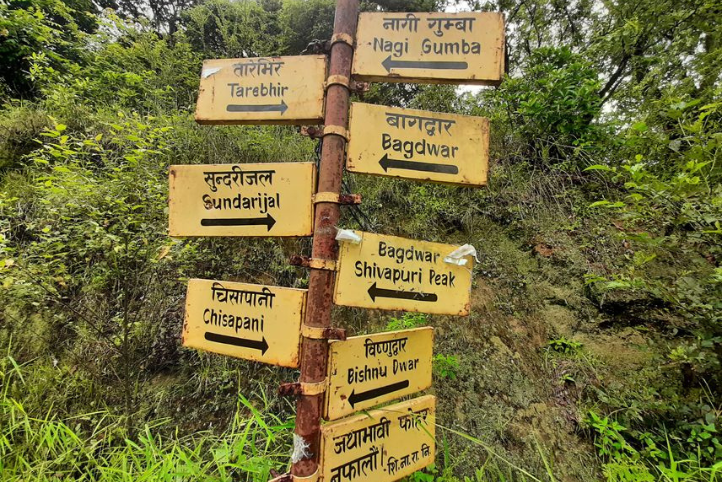
Shivapuri Nagarjun National Park Sees Massive Domestic Tourism
The Shivapuri Nagarjun National Park ranked second with 479,588 visitors during the fiscal year. The park recorded 467,254 Nepali visitors, while 1,943 tourists from SAARC countries and 10,391 foreign visitors also entered the protected area. Situated on the northern rim of Kathmandu Valley, Shivapuri Nagarjun has emerged as one of the country’s most accessible nature destinations. Popular hiking trails, cycling routes, birdwatching opportunities and religious sites have made it the preferred weekend destination for thousands of domestic visitors. Its proximity to Nepal’s capital city continues to play a crucial role in driving visitor growth.
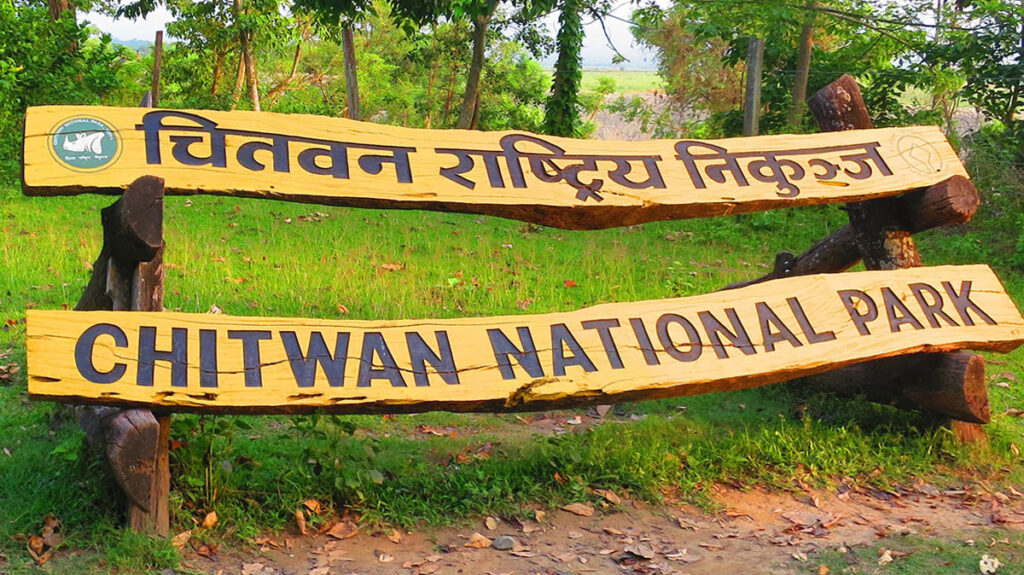
Chitwan Continues to Lead Wildlife Tourism
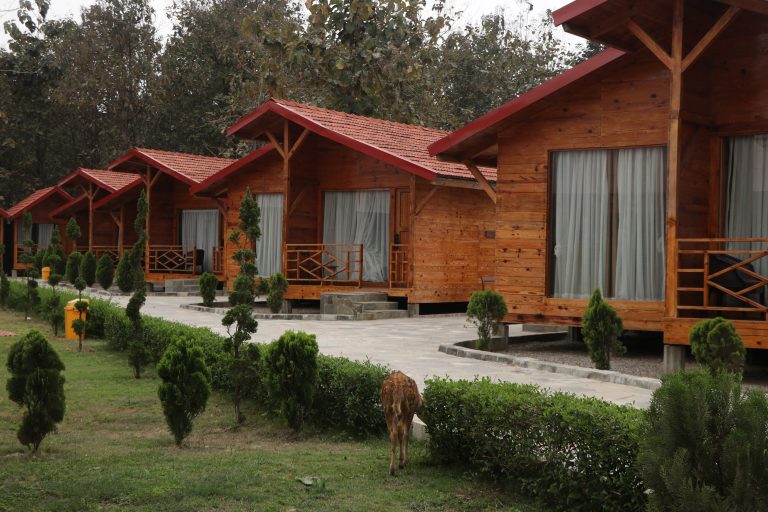
The Chitwan National Park, Nepal’s first national park and a UNESCO World Heritage Site, remained the country’s leading wildlife tourism destination with 272,874 visitors during FY 2082/83. The park welcomed 161,353 Nepali tourists, 22,883 SAARC visitors, and 88,638 foreign tourists.
Chitwan continues to attract travellers interested in jungle safaris, bird watching, canoe rides, elephant breeding centres and sightings of endangered wildlife, including the one-horned rhinoceros and Bengal tiger. Among all protected areas, Chitwan recorded one of the highest numbers of foreign visitors, demonstrating its continued international reputation.
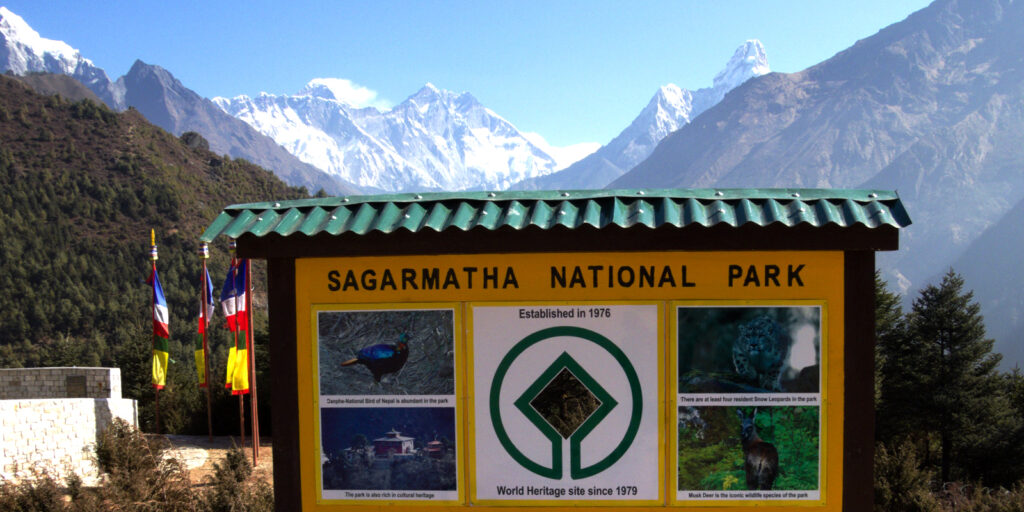
Everest and Langtang Continue to Attract Adventure Travellers
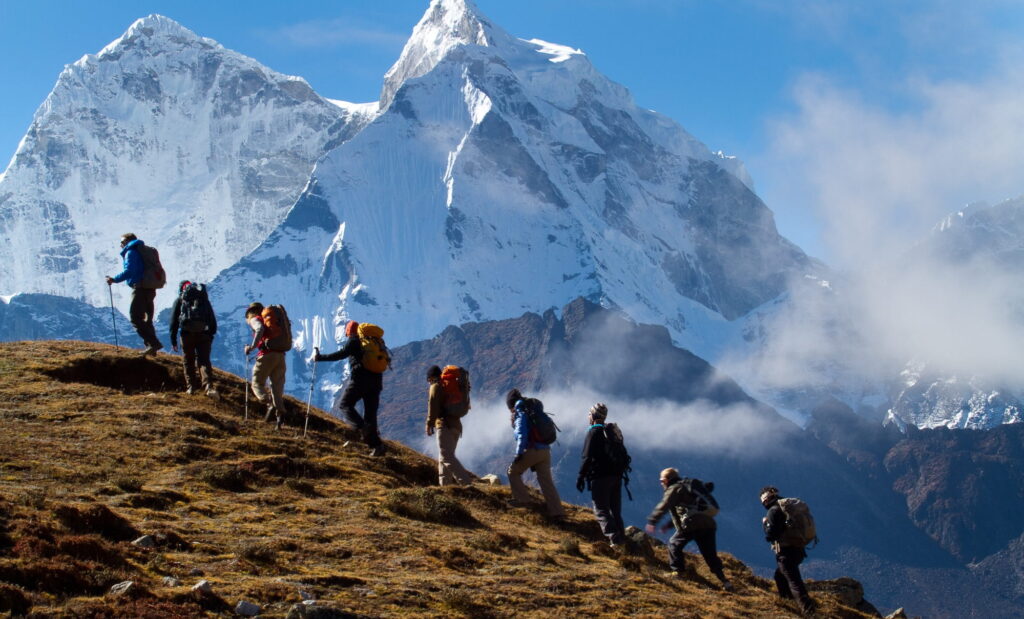
The Sagarmatha National Park, home to Mount Everest, recorded 57,856 visitors during the fiscal year. The park received 16,235 Nepali tourists, 4,523 SAARC visitors, and 37,098 foreign tourists, indicating its continued popularity among international trekking and mountaineering enthusiasts.
Similarly, the Langtang National Park welcomed 50,360 visitors, comprising 39,011 Nepali tourists, 788 SAARC visitors, and 10,561 foreign tourists. Located close to Kathmandu, Langtang has regained visitor confidence in recent years following post-earthquake reconstruction and continued promotion of its trekking routes and mountain villages.
| S.N. | Protected Area | Total Visitors |
|---|---|---|
| 1 | Annapurna Conservation Area | 1,300,249 |
| 2 | Shivapuri Nagarjun National Park | 479,588 |
| 3 | Chitwan National Park | 272,874 |
| 4 | Sagarmatha National Park | 57,856 |
| 5 | Langtang National Park | 50,360 |
| 6 | Dhorpatan Hunting Reserve | 37,520 |
| 7 | Bardiya National Park | 27,025 |
| 8 | Rara National Park | 20,907 |
| 9 | Manaslu Conservation Area | 15,571 |
| 10 | Koshi Tappu Wildlife Reserve | 11,990 |
| 11 | Krishnasaar Conservation Area | 5,036 |
| 12 | Shuklaphanta National Park | 4,251 |
| 13 | Gaurishankar Conservation Area | 3,234 |
| 14 | Shey Phoksundo National Park | 2,955 |
| 15 | Khaptad National Park | 2,832 |
| 16 | Makalu-Barun National Park | 2,743 |
| 17 | Api Nampa Conservation Area | 1,577 |
| 18 | Kanchenjunga Conservation Area | 1,375 |
| 19 | Banke National Park | 1,167 |
| 20 | Parsa National Park | 343 |
| Total | All Protected Areas | 2,299,453 |
Domestic Tourism Drives Growth in Several Protected Areas
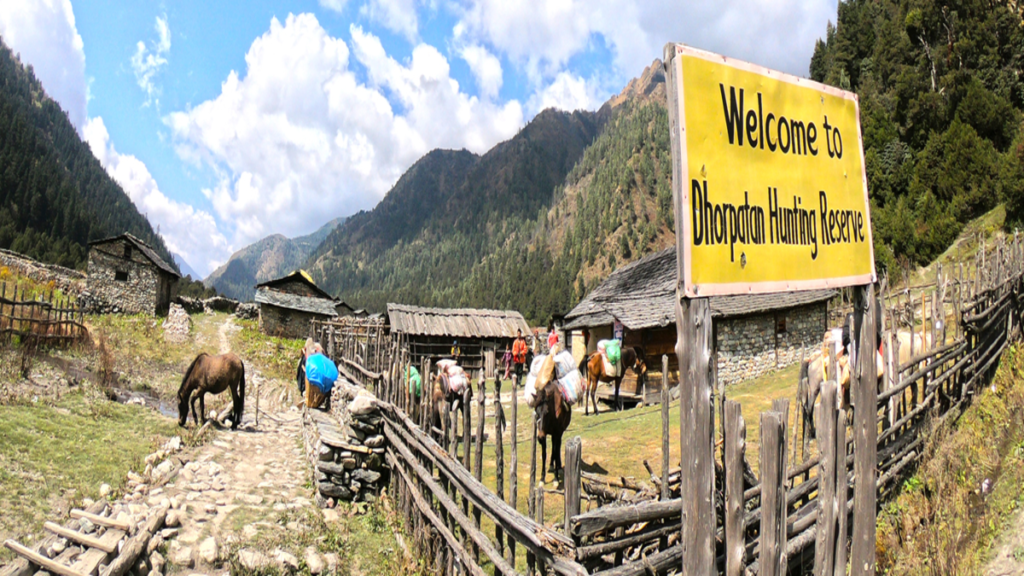
Several protected areas recorded overwhelmingly high numbers of Nepali visitors, highlighting the growing importance of domestic tourism. The Dhorpatan Hunting Reserve received 37,520 visitors, including 37,270 Nepali tourists, while only 71 SAARC visitors and 179 foreign tourists visited the reserve.
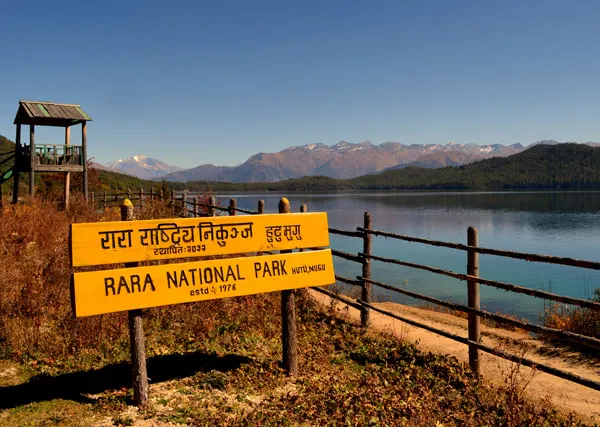
Similarly, Rara National Park welcomed 20,907 visitors, with 20,604 Nepali tourists, making it one of Nepal’s most popular destinations for internal tourism. Bardiya National Park also maintained steady visitor arrivals, recording 27,025 tourists, including 18,907 Nepali visitors, 1,217 SAARC tourists, and 6,901 foreign visitors. The figures indicate that domestic travellers are increasingly exploring destinations beyond the country’s traditional tourism hubs.
Manaslu Dominated by International Trekkers
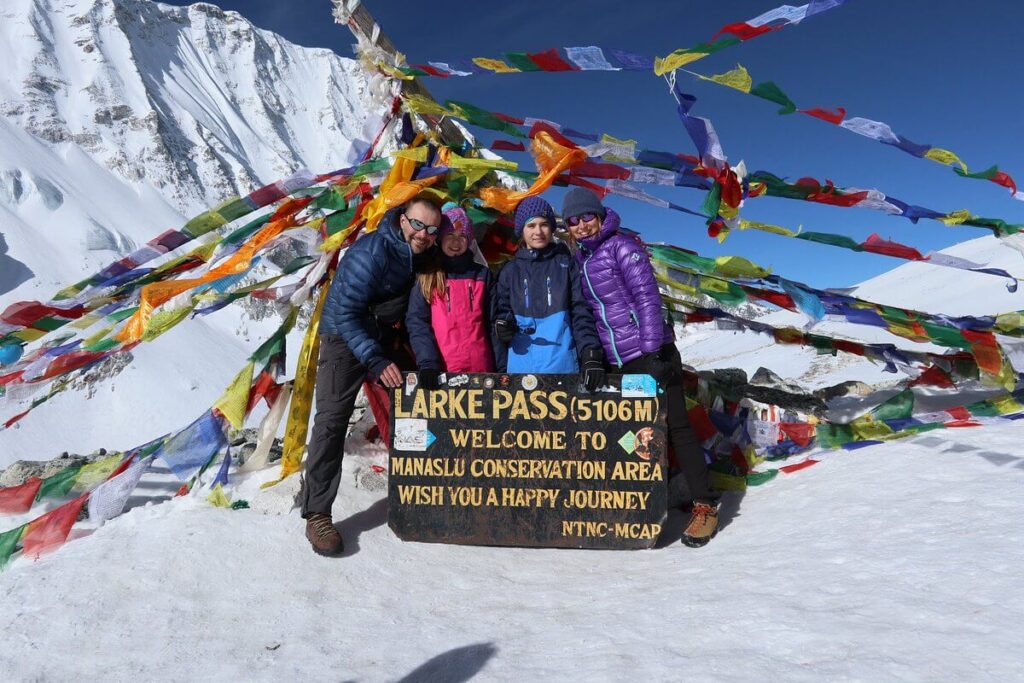
Unlike many other protected areas, the Manaslu Conservation Area continues to rely primarily on international trekkers. The conservation area received 15,571 visitors, including only 738 Nepali tourists, 546 SAARC visitors, and 14,287 foreign tourists. The restricted-area trekking route, spectacular Himalayan scenery and challenging trekking experience continue to attract foreign adventure tourists, particularly from Europe, North America and East Asia.
Smaller Protected Areas Offer Untapped Tourism Potential
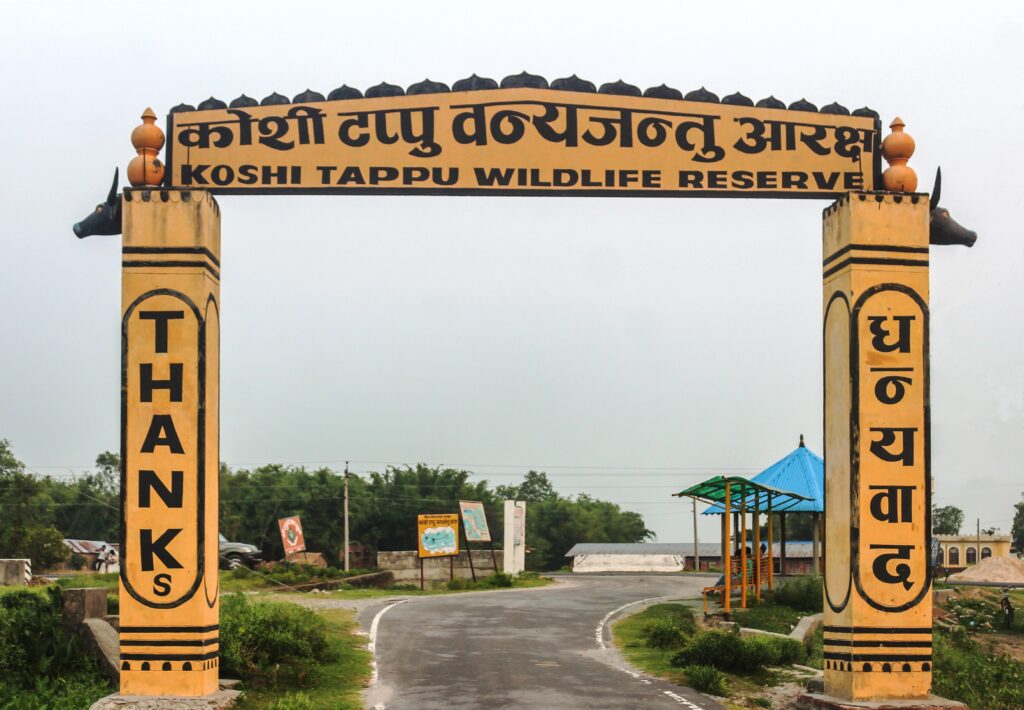
Several protected areas recorded relatively modest visitor numbers despite possessing exceptional biodiversity and tourism resources. The Koshi Tappu Wildlife Reserve received 11,990 visitors, while the Krishnasaar Conservation Area welcomed 5,036 tourists.
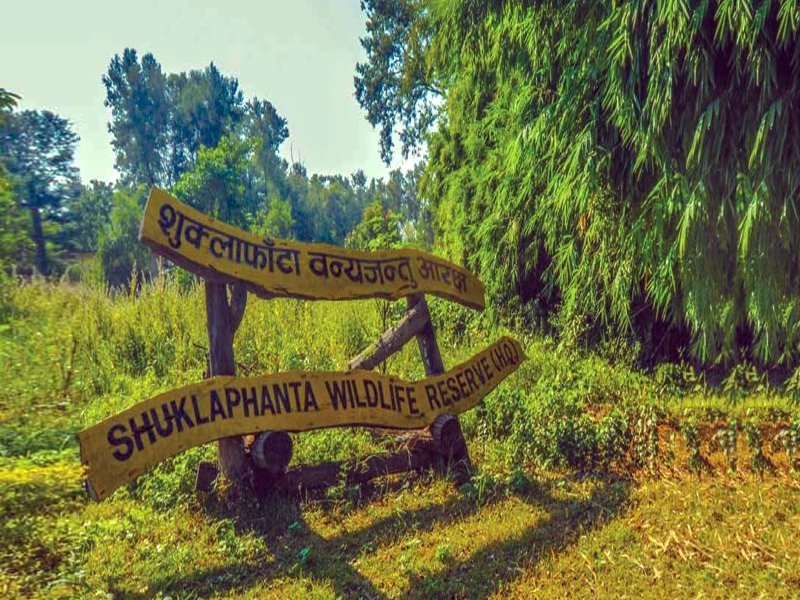
Likewise, Shuklaphanta National Park recorded 4,251 visitors, Gaurishankar Conservation Area attracted 3,234 visitors, and Shey Phoksundo National Park received 2,955 tourists. Other destinations included Khaptad National Park (2,832 visitors), Makalu-Barun National Park (2,743), Api Nampa Conservation Area (1,577), Kanchenjunga Conservation Area (1,375), Banke National Park (1,167) and Parsa National Park (343).
Although visitor numbers remain comparatively low, these destinations possess enormous potential for eco-tourism, community-based tourism, wilderness trekking and biodiversity conservation if supported by improved infrastructure, accessibility and international promotion.
Tourism Reflects Growing Interest in Nature and Adventure
The latest statistics indicate that Nepal’s protected areas continue to serve as the backbone of the country’s tourism industry. From the Himalayas to the lowland jungles, protected areas offer visitors opportunities to experience world-class trekking, mountaineering, wildlife tourism, birdwatching, cultural experiences and adventure activities.
The increasing participation of domestic travellers is particularly encouraging, as it demonstrates that tourism is becoming a year-round economic activity rather than depending solely on international arrivals. Tourism experts believe that stronger domestic tourism also provides greater resilience to the industry during periods of global uncertainty.
Better Infrastructure and Sustainable Management Needed
While visitor numbers continue to rise, tourism stakeholders emphasise the need for stronger destination management to ensure sustainable growth. Improved trekking trails, transportation, waste management systems, accommodation planning, visitor information centres, sanitation facilities and digital visitor monitoring systems will become increasingly important as arrivals continue to increase.
Experts also stress the importance of balancing tourism growth with environmental conservation to preserve Nepal’s fragile mountain ecosystems and biodiversity. Strengthening coordination among local governments, conservation authorities, tourism entrepreneurs and community organisations will be essential to maintaining the long-term sustainability of Nepal’s protected areas.
Protected Areas Continue to Drive Nepal’s Tourism Economy
With 2.29 million visitor entries recorded across the country’s protected areas during FY 2082/83, Nepal’s conservation landscape continues to play a vital role in supporting the national tourism industry and local economies. The dominance of the Annapurna Conservation Area, the steady performance of Shivapuri Nagarjun and Chitwan, and the international appeal of destinations such as Sagarmatha and Manaslu demonstrate the diversity of Nepal’s tourism products.
As the country works toward attracting higher numbers of international visitors while encouraging domestic travel, protected areas are expected to remain central to Nepal’s tourism strategy, generating employment, supporting rural livelihoods and reinforcing the country’s global image as one of the world’s premier destinations for nature, adventure and sustainable tourism.