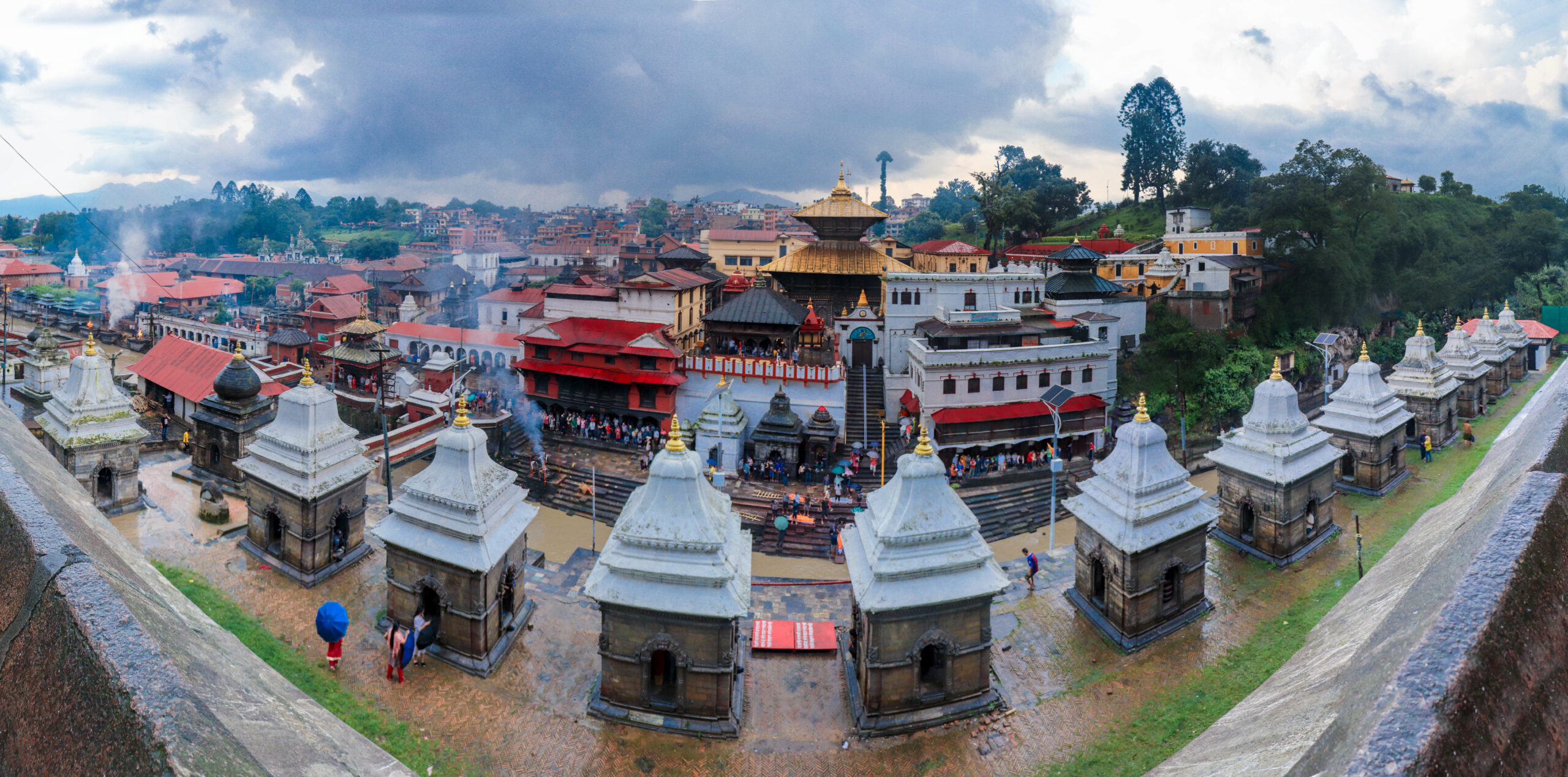
On the eastern edge of Kathmandu Valley, along the slow-moving waters of the Bagmati River, stands Pashupatinath Temple, one of the most profound spiritual landscapes in the entire Himalayan region. It is not merely a temple complex but a living, breathing universe of faith where time seems to dissolve into ritual, and where every moment carries the weight of eternity.
Dedicated to Lord Shiva in his form as Pashupati, the “Lord of all living beings,” the temple has for centuries been the spiritual heart of Nepal. Unlike places of worship that remain silent or static, Pashupatinath is constantly in motion. Bells ring, chants rise, smoke curls into the sky, and pilgrims move in steady rhythms of devotion. Life and death unfold side by side, making this sacred site one of the most emotionally and spiritually powerful destinations in the world.
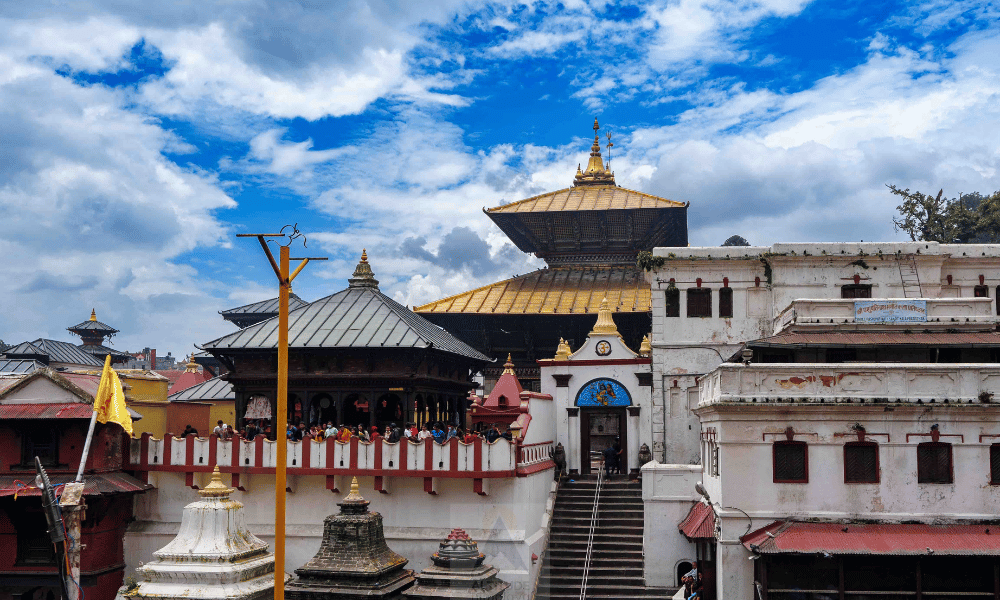
The temple’s architecture reflects its divine importance. With its golden pagoda-style roof, intricately carved wooden struts, and silver-plated doors, it stands as a masterpiece of Newari craftsmanship. Yet, even more than its physical beauty, it is the spiritual energy that defines it. The temple is believed to be thousands of years old, with mythological roots connecting it directly to Lord Shiva himself, who is said to have manifested here in the form of a deer before being recognized as the supreme deity.
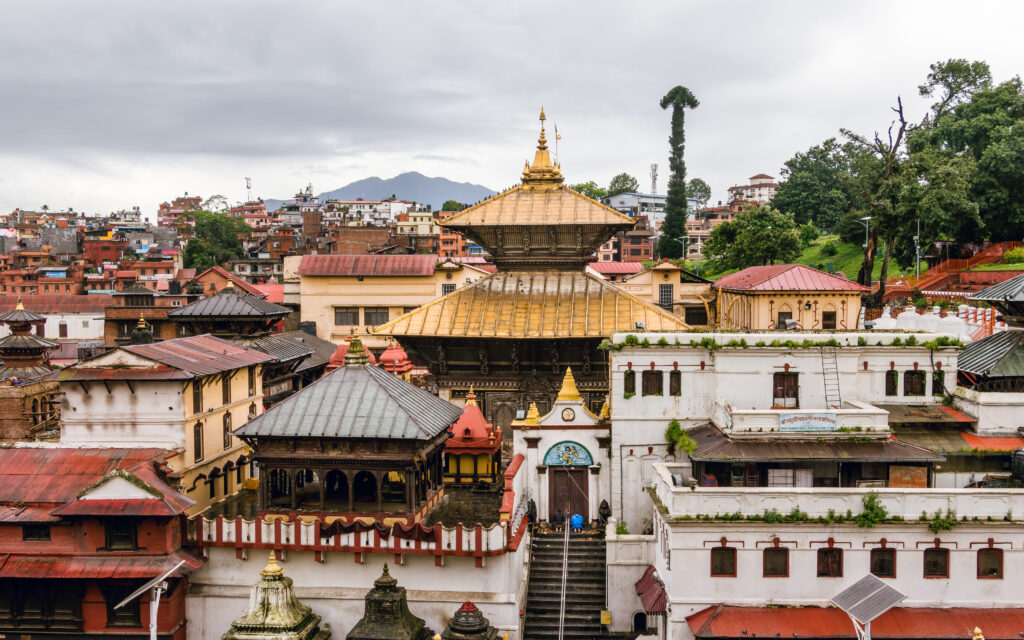
A Temple Where Life and Death Exist Together
What makes Pashupatinath truly unique is its intimate connection with the cycle of life and death. Along the banks of the Bagmati River, just beside the temple complex, open-air cremation ceremonies take place every day. Hindu families bring their deceased loved ones here for final rites, believing that cremation at Pashupatinath ensures liberation from the cycle of rebirth.
This creates a rare spiritual atmosphere where grief and faith coexist openly. There is no separation between sacredness and mortality; instead, death is treated as a transition rather than an end. The rising smoke from cremation pyres drifts upward, blending with incense from nearby shrines, symbolizing the journey of the soul toward liberation.
For visitors, witnessing these rituals is often a deeply emotional experience. It challenges modern perceptions of death and invites reflection on impermanence. In Hindu philosophy, death is not feared but understood as a natural step in the soul’s journey, and Pashupatinath embodies this teaching in its purest form.
The Living Presence of Shiva
At the heart of the temple complex lies the main sanctum housing the sacred Shiva Linga, worshipped as a self-manifested divine form. Only Hindus are allowed inside the main temple, but thousands of devotees gather outside daily to offer prayers, flowers, and offerings.
The atmosphere around the temple is filled with spiritual intensity. Priests perform rituals continuously, chanting ancient Sanskrit mantras that are believed to be vibrations connecting the earthly realm with the divine. The sound of bells echoes across the river, merging with the flow of water and the murmurs of devotees.
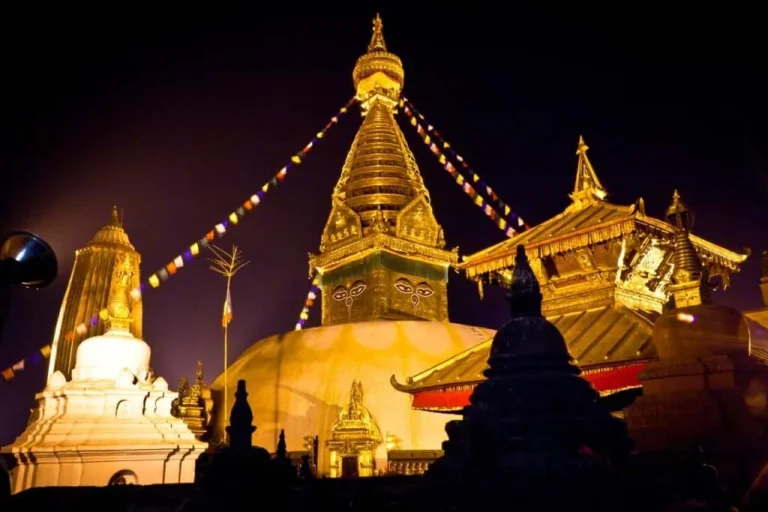
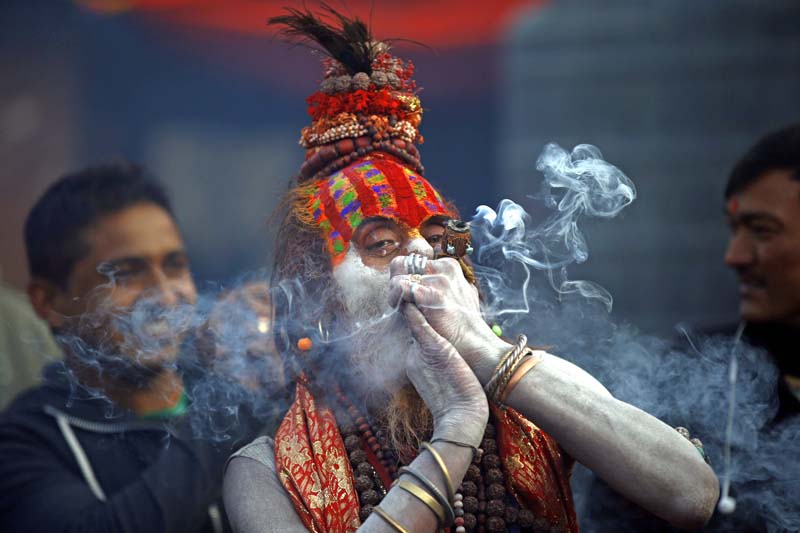
Sadhus, wandering ascetics who have renounced worldly life, are an essential part of the Pashupatinath experience. Covered in ash, dressed in saffron robes or sometimes very minimal clothing, they meditate, smoke ceremonial herbs, and engage with pilgrims. During major festivals, especially Maha Shivaratri, thousands of sadhus from Nepal and India gather here, turning the temple into a vibrant spiritual gathering ground.
Maha Shivaratri: The Night of Cosmic Awakening
Among all festivals celebrated at Pashupatinath, Maha Shivaratri stands as the most important. Dedicated to Lord Shiva, this festival transforms the temple into a sea of devotion that lasts through the night. Pilgrims arrive from across Nepal, India, and even distant countries, carrying flowers, offerings, and deep faith. The temple complex becomes illuminated with oil lamps and sacred fires.
Devotees remain awake throughout the night, chanting “Om Namah Shivaya,” believing that this night represents the cosmic dance of Shiva and the awakening of consciousness. For sadhus, this festival is especially significant. They gather in large numbers, performing rituals, meditating, and sharing spiritual wisdom with visitors. The atmosphere is both mystical and energetic, as if the entire temple is vibrating with divine presence.
Teej: Celebration of Devotion and Feminine Spirituality
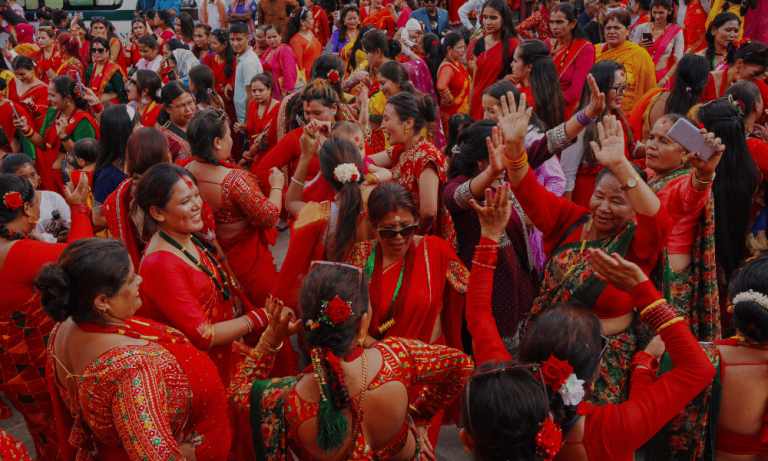
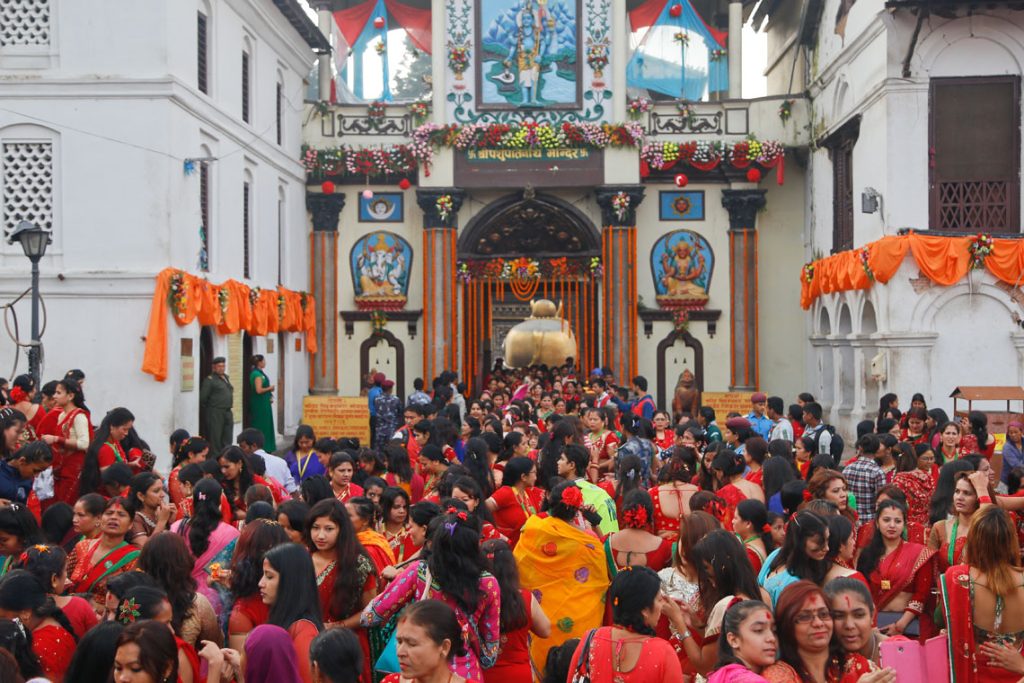
Another major festival that defines Pashupatinath is Teej, celebrated by Hindu women. During this time, the temple becomes a vibrant sea of red as women dressed in traditional attire gather to pray for the well-being and longevity of their husbands or future partners. They observe fasting, sing devotional songs, and perform rituals dedicated to Goddess Parvati, the consort of Shiva. The festival reflects themes of love, devotion, and spiritual strength. Unlike the solemnity of cremation rituals or the intensity of Shivaratri, Teej brings joy, dance, and celebration into the temple atmosphere. This contrast makes Pashupatinath unique, it embraces every emotional dimension of human life, from sorrow to celebration.
A Symbol of Nepal’s Spiritual Identity
Pashupatinath is more than a religious site; it is a cultural identity for Nepal. It represents the deep-rooted connection between spirituality and daily life in the country. Pilgrims believe that visiting the temple even once in their lifetime purifies the soul and brings them closer to liberation.
The temple also stands as a UNESCO World Heritage Site, attracting scholars, historians, and travelers from across the world. Yet, despite global recognition, it remains deeply personal for devotees who see it not as a tourist destination, but as a sacred space of divine encounter.
Where the Human and Divine Converge
Pashupatinath Temple is not simply a monument of stone and gold, it is a living philosophy. It teaches that life is temporary, death is transformation, and liberation is the ultimate goal of existence. Standing on its riverbanks, one does not just observe rituals but experiences a profound truth about human existence. In the rhythmic flow of the Bagmati River, in the chants of priests, in the silence of cremation fires, and in the devotion of pilgrims, Pashupatinath reveals itself as more than a temple. It is a mirror of life itself, eternal, cyclical, and deeply spiritual.