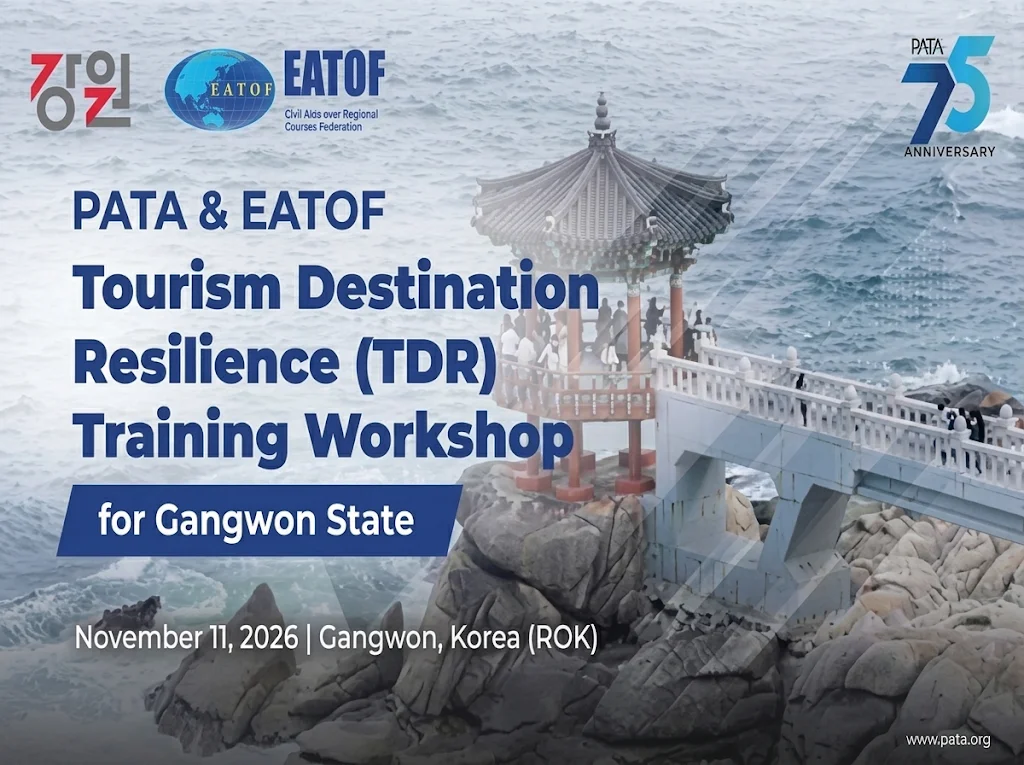
Tourism destination resilience gained fresh attention in South Korea as the Pacific Asia Travel Association (PATA), the East Asia Inter Regional Tourism Federation (EATOF) and Gangwon State joined forces to strengthen local tourism preparedness and crisis management. The organisations held a Tourism Destination Resilience (TDR) Training Workshop on November 11, 2026, bringing together regional tourism officials and industry representatives. The programme focused on helping tourism stakeholders identify risks, improve emergency planning and respond more effectively to disruptions. The initiative also highlights the growing importance of preparedness and cooperation in maintaining safe, sustainable and competitive tourism destinations.

PATA and EATOF Strengthen Regional Tourism Resilience
The workshop was organised through collaboration between PATA and EATOF, with support from Gangwon State and the Gangwon Tourism Foundation. It brought together representatives from municipal tourism authorities, regional tourism organisations and local tourism businesses to exchange knowledge and explore practical approaches to crisis preparedness. The programme aimed to strengthen the ability of local stakeholders to identify potential challenges before they disrupt tourism activities. It also provided an opportunity to discuss how international experience can be adapted to the region’s specific tourism conditions.

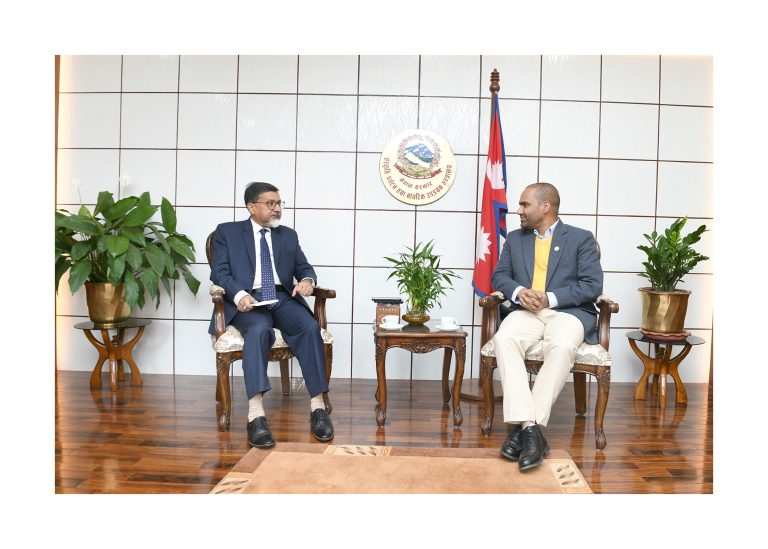
PATA CEO Noor Ahmad Hamid emphasised that destination resilience requires continuous preparation, collaboration and a shared commitment to the long term well being of tourism destinations and their communities. The association has been supporting destinations across the Asia Pacific region through its Tourism Destination Resilience program, which combines online learning resources with practical training. EATOF Secretary General Lee Dong hee also highlighted the importance of strengthening cooperation between the two organisations. He noted that joint efforts are needed to address the challenges climate change creates for the tourism industry.
Gangwon Faces Growing Environmental and Tourism Challenges
Gangwon State is one of South Korea’s prominent tourism destinations, recognised for its mountainous national parks, coastal attractions, winter sports facilities and cultural experiences. The region has been building on the momentum of its 2025-2026 Visit Gangwon Year campaign to attract visitors and strengthen its tourism profile. However, managing visitor growth while protecting destinations and maintaining public safety remains an important challenge. Seasonal forest fires, extreme winter weather and fluctuations in visitor demand have increased the need for stronger local risk management.

Periods of high visitor concentration can also place pressure on local infrastructure, tourism services and destination management systems. These challenges make coordination between public authorities, tourism organisations and private businesses particularly important. The workshop addressed the need to understand environmental, economic and operational risks that could affect tourism activities. It also encouraged stakeholders to consider how preparedness measures could be adapted to Gangwon’s geographical conditions and seasonal tourism patterns.
Training Focuses on Risk Assessment and Crisis Preparedness
The training introduced practical tools for identifying and assessing different types of risks that could affect tourism destinations. Participants explored international approaches to crisis communication, emergency planning and coordinated response. These areas are important for ensuring that tourism authorities and businesses can share information and act effectively when unexpected disruptions occur. PATA also focused on applying these approaches to Gangwon’s tourism environment rather than relying solely on general risk-management principles.
The workshop provided a platform for regional officials and industry representatives to exchange knowledge and discuss practical responses to potential emergencies. PATA’s Tourism Destination Resilience program highlights how effective crisis communication can help ensure that visitors, tourism operators and local communities receive timely information during disruptions. Similarly, coordinated emergency planning can clarify responsibilities among organisations involved in destination management. The initiative therefore addressed both immediate crisis response and the longer term capacity needed to maintain tourism operations under changing conditions.
PATA Expands Tourism Capacity Building Plans for 2027
Beyond the Gangwon initiative, PATA plans to strengthen its professional training and capacity building activities in 2027. Its priority areas will include tourism destination resilience, sustainability, marketing and artificial intelligence (AI). These programs are intended to respond to changing industry requirements and help tourism stakeholders develop skills for a rapidly evolving operating environment. The association’s continued focus on practical training also reflects the importance of knowledge-sharing and professional development across the Asia Pacific tourism sector.
The collaboration between PATA, EATOF and Gangwon State highlights how regional partnerships can support tourism destinations facing environmental pressures, changing visitor patterns and operational risks. For destinations dependent on natural attractions and seasonal activities, stronger preparedness can help protect visitors, local communities and tourism businesses. The workshop also demonstrates the value of bringing government agencies and private sector stakeholders together to strengthen destination management. Its long term contribution will depend on how participants apply the training and cooperation approaches in their respective organisations.