A porter lost his life due to altitude sickness while returning from Kangla Phedi in Narpa Bhumi Rural Municipality–4 of Manang district on Monday. The deceased has been identified as 48-year-old Dil Bahadur Gurung, a resident of Kolso Thar Rural Municipality–4, Lamjung, according to the District Police Office, Manang.
Sudden Illness During Descent
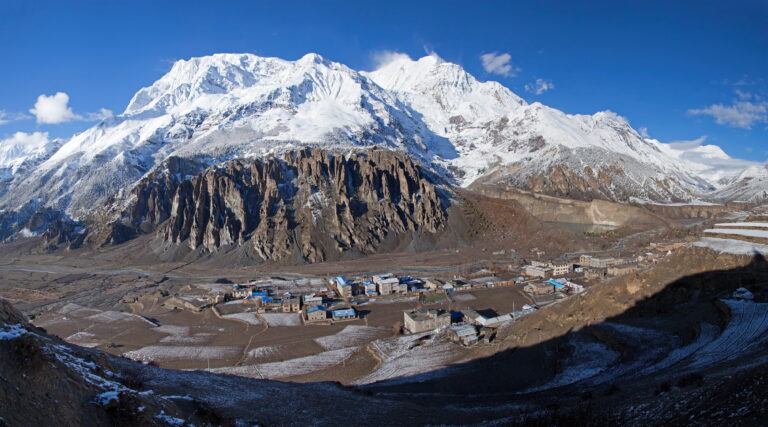
According to police reports, Gurung was returning after carrying loads for tourists in the high-altitude region when he suddenly fell ill due to symptoms of acute mountain sickness (AMS). The area, located at a high elevation within the Annapurna Conservation Region, is known for its thin air and harsh weather, which often pose risks to both trekkers and support staff. Local authorities reported that Gurung’s health condition deteriorated rapidly after experiencing shortness of breath, dizziness, and fatigue, common signs of altitude-related complications.

Rescue Effort and Hospitalization
Upon receiving information about his critical condition, a helicopter rescue operation was immediately initiated. Gurung was airlifted to Manipal Teaching Hospital, Pokhara, for emergency medical treatment. However, despite timely rescue efforts, doctors at the hospital pronounced him dead on arrival, as confirmed by Chief District Officer (CDO) Nawaraj Poudel.
Poudel stated that Gurung’s brother, Kesh Bahadur Gurung, had initially informed local authorities that Dil Bahadur had already succumbed to altitude sickness at the site. Later, when the body was brought to the hospital, medical professionals verified that he had indeed passed away before reaching Pokhara.
Second Fatality in the Region Within Days
This incident comes just days after another similar tragedy occurred in the same area. On Friday, 49-year-old Samba Ghale, a resident of Kispang Rural Municipality–11, Nuwakot, also died on the spot at Yak Kharka, Narpa Bhumi–4, while returning from his work carrying tourist loads.
Both incidents have raised concerns about the safety and working conditions of porters and trekking workers who operate in extreme altitudes without adequate medical support, oxygen, or acclimatization facilities.
Altitude Sickness: A Persistent Threat
Altitude sickness, also known as acute mountain sickness, is a common but potentially deadly condition that affects people at elevations above 2,500 meters. Symptoms include headache, nausea, fatigue, and shortness of breath. In severe cases, it can lead to high-altitude pulmonary or cerebral edema, which can be fatal if not treated promptly.
While trekkers often take preventive medication or acclimatize gradually, porters and local workers frequently face higher risks because they must carry heavy loads, move quickly, and lack proper medical awareness or equipment.
Officials Emphasize Safety Precautions
Chief District Officer Poudel emphasized the need for strict adherence to safety protocols for both trekkers and supporting staff operating in high-altitude regions like Manang. He added that local authorities, tourism entrepreneurs, and trekking agencies must coordinate to ensure adequate health checks, acclimatization periods, and emergency response systems for all expedition members, including porters.
Local administration and tourism authorities are reportedly reviewing existing rescue and safety mechanisms in the area to prevent similar fatalities in the future. Awareness programs on altitude-related health risks are also being recommended for those engaged in mountain tourism and labor.

Concerns Over Porter Welfare
The deaths of Gurung and Ghale highlight the growing concern about porter welfare in Nepal’s mountain tourism industry. Porters often face difficult working conditions, carrying heavy baggage in freezing temperatures and low-oxygen zones with minimal protection. Tourism experts and local stakeholders are urging the government and trekking companies to implement stronger regulations and insurance provisions to protect porters and guides working in high-risk regions.
Despite such tragic incidents, Manang and Narpa Bhumi remain among Nepal’s most popular trekking destinations, attracting thousands of tourists each year for their scenic beauty and challenging trails. As investigations continue, authorities have conveyed condolences to the bereaved families and pledged to enhance safety awareness and emergency preparedness for all those working in mountain regions.