Through the development of the Ratnange Trail Center, a community-driven mountain biking network spanning more than 70 kilometres across 17 professionally designed trails, the region is redefining tourism beyond traditional trekking and mountaineering. Nestled in the foothills of Mount Everest, the once-quiet town of Phaplu in Solukhumbu District is rapidly gaining international recognition as one of Nepal’s newest adventure tourism destinations.
The initiative, spearheaded by the Phaplu Mountain Bike Club, has transformed Phaplu from a transit point for Everest trekkers into a year-round destination for mountain biking enthusiasts, creating new economic opportunities for local communities while promoting sustainable tourism.
Community Initiative Driving Tourism Transformation
The Ratnange Trail Center was established by the non-profit Phaplu Mountain Bike Club, founded with the objective of engaging local youth and creating long-term opportunities through adventure tourism. The Ratnange Trail project was envisioned as a way to ensure that local communities benefit directly from Nepal’s growing mountain biking industry. “As mountain biking tourism expands in Nepal, we hope to give our children the skills and tools to lead the growth,” Lama said.
Since its establishment in 2023, the trail centre has expanded rapidly. Three new mountain biking routes were added during 2025, while two additional trails are currently under construction, further strengthening Phaplu’s position as an emerging international biking destination.

Over 70 Kilometres of Professionally Designed Trails
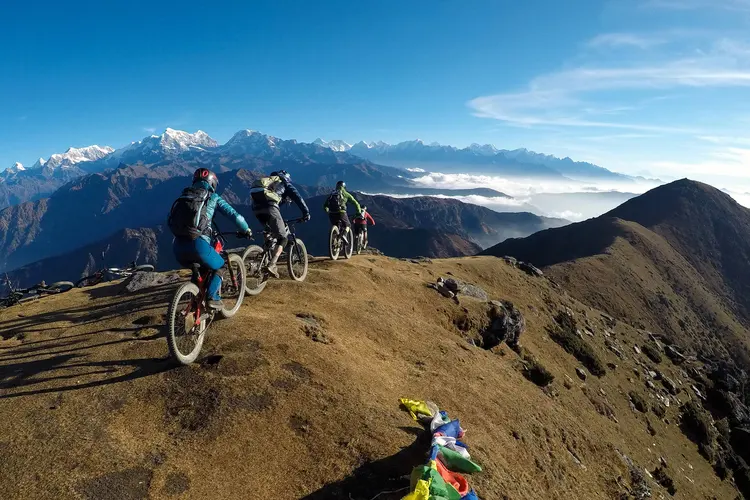
Today, the Ratnange Trail Center features 17 professionally designed trails stretching over 70 kilometres through forests, villages, alpine landscapes and mountain ridges. The network caters to riders of varying skill levels, from beginners looking for scenic recreational rides to experienced enduro cyclists seeking technically demanding descents.
The trails reach elevations of up to 4,060 metres, particularly around the Pikey Peak region, offering riders spectacular panoramic views of the Himalayan mountain range, including Mount Everest. Unlike seasonal trekking activities, the mountain biking network is expected to generate tourism throughout much of the year, helping diversify Nepal’s adventure tourism offerings.
Adventure Tourism Beyond Everest Trekking
For decades, Phaplu was primarily known as an entry point for trekkers travelling towards Everest Base Camp. While trekking continues to remain an important part of the local tourism economy, mountain biking has emerged as a complementary adventure product capable of attracting a new generation of travellers seeking outdoor experiences beyond conventional trekking routes.
The development reflects Nepal’s broader efforts to diversify its tourism products by promoting activities such as cycling, trail running, rock climbing, canyoning and wellness tourism. Tourism experts believe destinations like Phaplu can help reduce pressure on overcrowded trekking routes while extending visitor stays and increasing local spending.
Experiences for Both Beginners and Professional Riders
Visitors interested in exploring the Ratnange Trail Center have multiple options depending on their interests and experience levels. Nepali-owned Beyul Experiences offers half-day mountain biking excursions alongside yoga retreats, cultural heritage tours, hiking experiences and helicopter sightseeing flights with aerial views of Mount Everest.
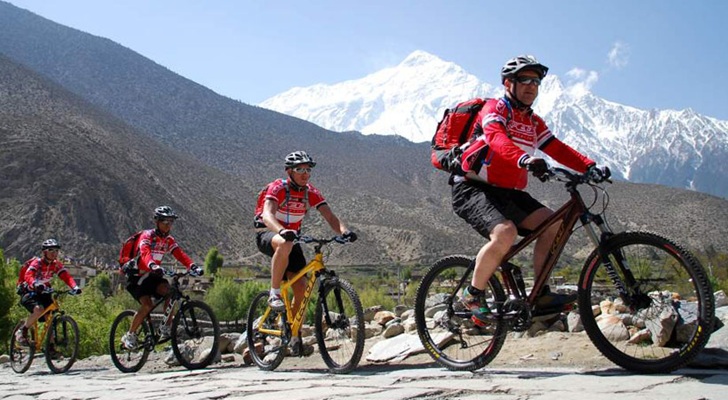
For dedicated mountain biking enthusiasts, Enduro MTB Nepal provides comprehensive 14-day adventure itineraries focused exclusively on mountain biking across the Solukhumbu region. These longer programmes combine challenging rides with cultural immersion, allowing visitors to experience both the region’s natural beauty and Sherpa heritage.
Homestays Strengthen Local Economy
One of the distinguishing features of the Ratnange Trail Center initiative is its emphasis on community participation. Visitors are encouraged to stay in local homestays, ensuring that tourism income directly benefits families and small businesses throughout the region. Beyond accommodation, travellers have the opportunity to enjoy authentic home-cooked Nepali meals, including traditional dishes such as shakpa, a hearty Himalayan stew, and momos, Nepal’s iconic dumplings. By integrating tourism with local hospitality, the project supports rural livelihoods while preserving cultural traditions.
Creating Employment for Local Youth
The mountain biking initiative has become an important source of employment for residents, particularly young people. As the number of visitors increases, demand for trained guides, trail maintenance crews, hospitality workers and support services has grown significantly. According to project information, professional mountain bike guides can earn an average of around USD 25 per hour, providing meaningful income opportunities within the local economy. The programme also focuses on equipping local youth with technical skills, guiding experience and tourism management knowledge, helping them build careers without leaving their communities.
International Recognition Continues to Grow
The Ratnange Trail Center has already begun attracting international attention within the global mountain biking community. One of its flagship events, the Enduro Ratnange Race, held each December, has already attracted Olympic-level cyclists, significantly raising the profile of Phaplu as a competitive mountain biking destination.
The participation of internationally recognised athletes has helped showcase Nepal’s mountain biking potential to a wider audience, positioning the country as an emerging destination for international cycling events. As additional trails are completed and supporting tourism infrastructure continues to improve, organisers expect participation in future editions of the race to grow further.

Sustainable Tourism Model for Rural Nepal
Unlike many large-scale tourism developments, the Ratnange Trail Center has been built around a community-led model that prioritises environmental conservation, local ownership and responsible tourism. The project demonstrates how carefully planned adventure tourism can stimulate rural economies while protecting natural landscapes and cultural heritage.
Instead of relying solely on seasonal trekking traffic, Phaplu is developing a more diversified tourism economy capable of generating year-round employment and income for local communities. The initiative also complements Nepal’s national strategy of expanding adventure tourism products beyond its traditional mountaineering sector.
A New Chapter for Adventure Tourism
Located approximately a 30-minute flight or a nine-hour drive from Kathmandu, Phaplu is becoming increasingly accessible to both domestic and international adventure travellers. With its extensive trail network, Himalayan scenery, strong community participation and growing international reputation, the Ratnange Trail Center is emerging as one of Nepal’s most promising examples of sustainable adventure tourism development.
As Nepal continues to seek innovative ways to diversify its tourism industry, the success of the Ratnange Trail Center illustrates how local leadership, global collaboration and responsible tourism can transform rural destinations, generate employment and create lasting economic opportunities while preserving the country’s rich natural and cultural heritage.