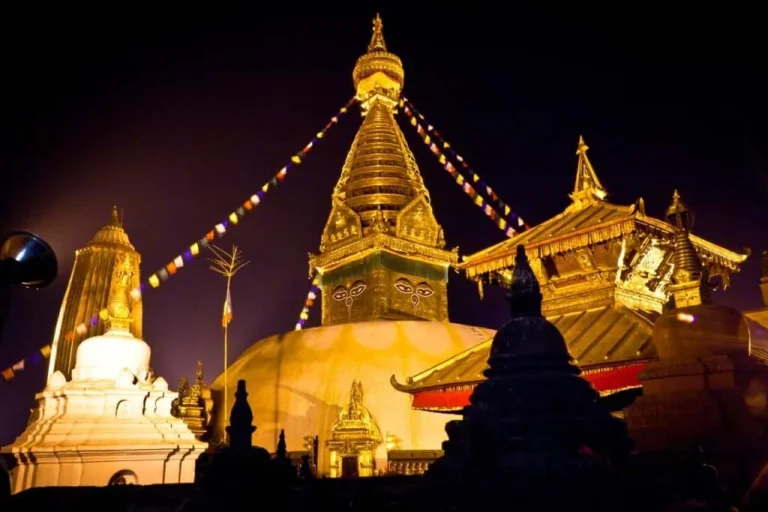
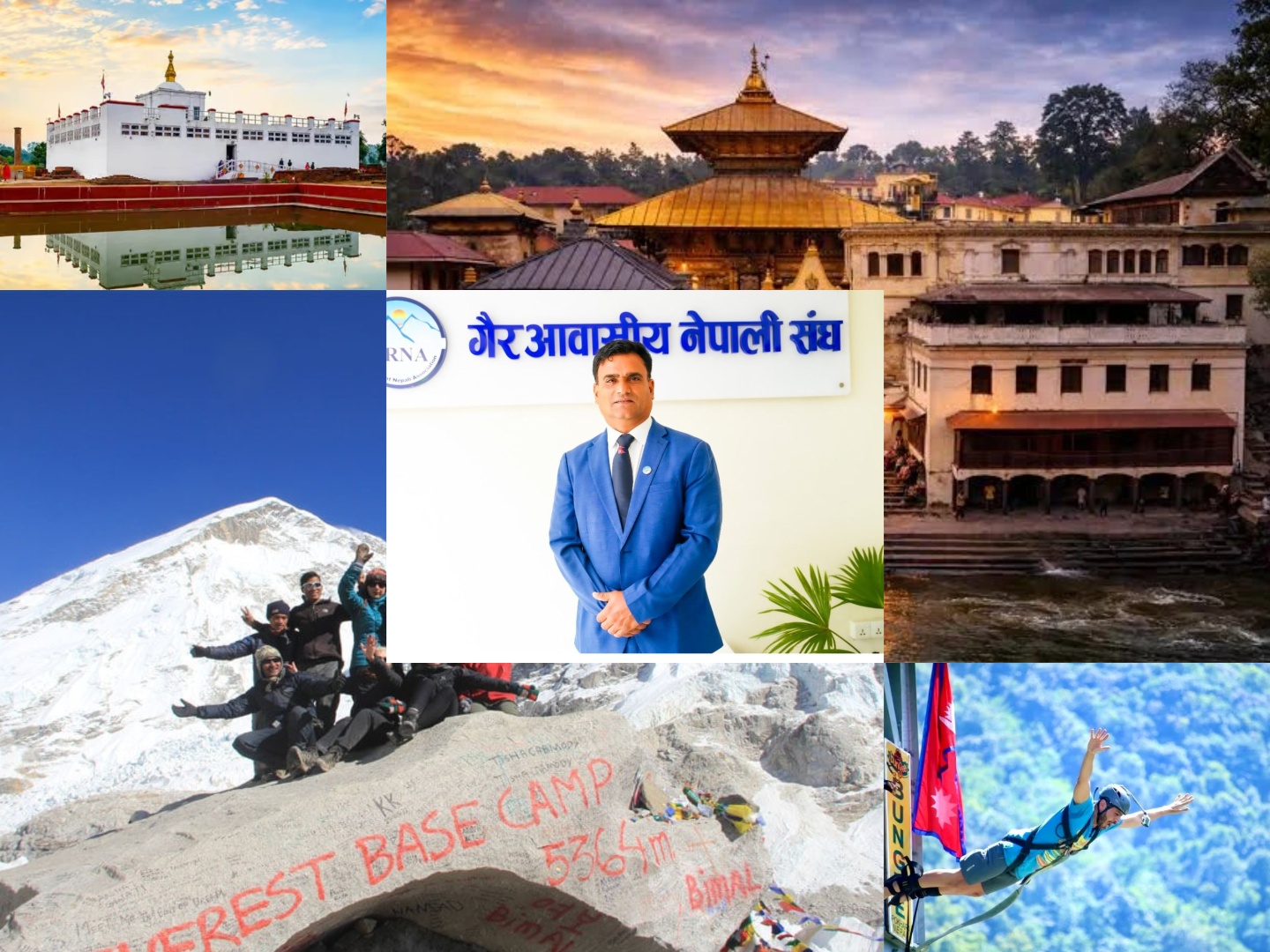
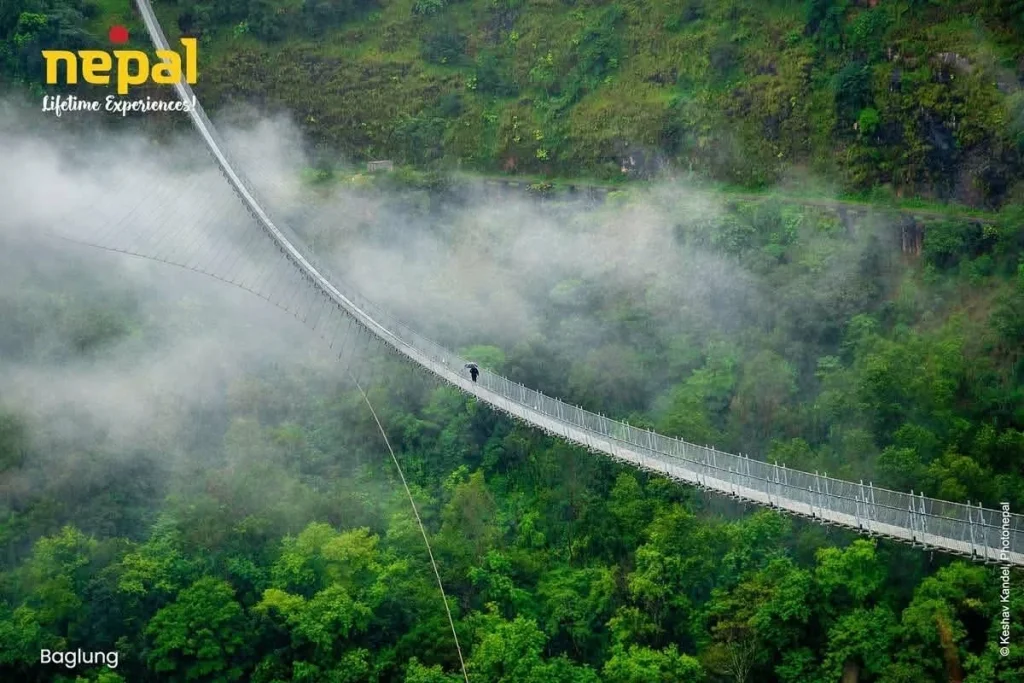
Nepal is at an important moment in its tourism journey. We are fortunate to live in a country that offers an extraordinary range of experiences within a relatively small area. The Himalayas, wildlife, spirituality, culture, adventure, biodiversity, and living heritage are all part of Nepal’s story. From Everest and Annapurna to Chitwan, Lumbini, Kathmandu and Janakpur, Nepal has something that few countries can offer.
Yet the question we must ask is simple: are we getting the full value from what we already have? I believe we are not. Nepal does not simply need to promote itself more loudly; it needs to build a smarter, more professional, more digital and more globally connected tourism system.
A Stronger, More Professional Nepal Tourism Board
At the centre of that change should be the Nepal Tourism Board (NTB). NTB needs to become much more than an organisation that organises promotional events and produces tourism materials. It should be the country’s leading institution for tourism strategy, market intelligence, digital marketing, destination development and international tourism coordination.
Its success should not be judged only by how many tourists arrive in the country. We should also ask how long they stay, how much they spend, whether they return, which new markets we reach, how much investment is generated, how much local communities benefit, and what kind of experience visitors take home with them. This requires professionalisation and a stronger performance culture within NTB. The organisation needs greater tourism and marketing expertise, modern digital capabilities and clear performance indicators.
Traditional promotional activities should be retained where they deliver results, but programmes that do not demonstrate meaningful impact should be reviewed. Digital marketing, data analytics, artificial intelligence, international branding and market-specific campaigns should become integral to Nepal’s tourism strategy. Every major campaign should have a clear target market, budget, timeline and measurable outcome.
Turning the Nepali Diaspora into a Tourism Asset
One of its greatest untapped tourism assets is not a mountain, temple, or national park. It is its people living around the world. Millions of Nepalis and people of Nepali origin live abroad. They work in different professions, run businesses, teach in universities, work in media and travel companies, and participate in their local communities.
They speak the languages and understand the cultures and consumer behaviour of the countries where they live. Many have friends and colleagues who have never considered visiting Nepal. This human connection is a tourism resource that Nepal has barely begun to use.
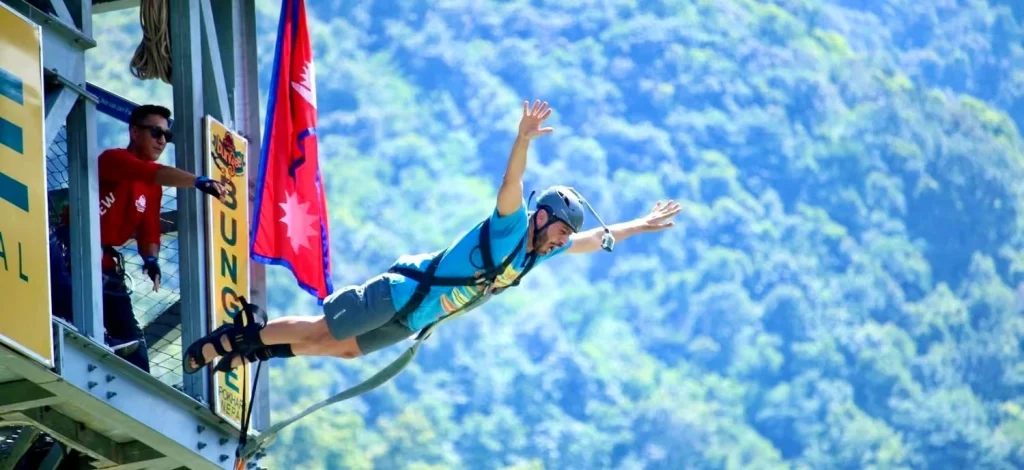
The country should therefore establish a practical mechanism for drawing on diaspora expertise in tourism, international marketing, digital communication, aviation, investment and market development. A small, professional Diaspora Tourism Expert Network linked with NTB could provide market intelligence and advice from key tourism markets without creating another large institution. The emphasis should be on expertise, results and practical engagement rather than titles or bureaucracy.
NRNA as a Global People-to-People Tourism Network
The Non-Resident Nepali Association (NRNA) can provide an important people-to-people channel within this wider approach. Subject to appropriate legal and institutional procedures, NRNA National Coordination Council presidents could be recognised as voluntary Nepal Tourism Goodwill Ambassadors in their respective countries.
This would create a broad network of people who already understand local communities and can connect Nepal with businesses, universities, travel companies, media, and professional networks. A simple initiative such as “One NCC – One Tourism Campaign” could encourage each NRNA NCC to undertake at least one meaningful tourism promotion activity each year.
A “Bring Someone to Nepal” campaign could encourage Nepalis abroad to invite a foreign friend, colleague or family member to experience Nepal. Tourism promotion does not always have to begin with a large advertising budget. Sometimes it can begin with a conversation between two friends.
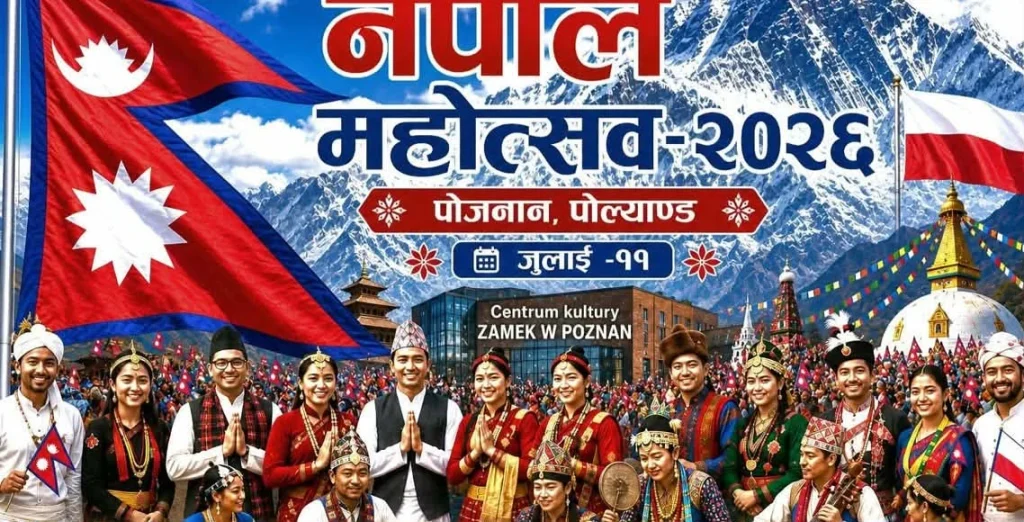
The principle is straightforward: every Nepali living abroad can be a bridge between Nepal and the country where they live. If properly coordinated with NTB and its wider tourism strategy, NRNA’s international network could become one of its most cost-effective grassroots tourism promotion channels.
Making Tourism Part of Nepal’s Diplomatic Strategy
Tourism should also become a more visible part of its diplomatic engagement. Nepal’s embassies, permanent missions and consulates are already present in many of the markets we want to reach. Where practical, each mission should designate a Tourism Focal Person who can coordinate tourism-related work with NTB, the Ministry of Foreign Affairs, NRNA and the private sector. Rather than creating a separate institutional structure, this role could be integrated into existing diplomatic arrangements.
Tourism focal points could build relationships with local tour operators, airlines, travel agencies, media and business communities; identify emerging tourism trends; support Nepal Tourism Promotion Events; promote investment and MICE opportunities; work with Nepali communities; and communicate accurate information during crises. This would allow its diplomatic network to contribute more directly to tourism without unnecessarily expanding institutional structures.
Winning Travellers in the Digital Age
The way travellers discover destinations has also changed dramatically. Traditional brochures, advertisements and tourism fairs still have a place, but they are no longer enough. A traveller sitting in London, Sydney, Tokyo or New York may decide where to go after watching a short video on YouTube, Instagram or TikTok. Nepal needs to be present where travellers are making those decisions.
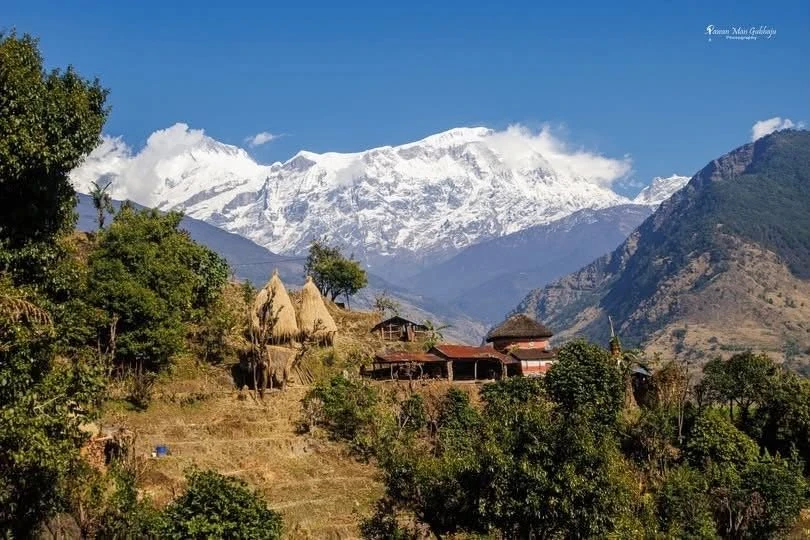
Our digital campaigns should therefore be targeted, creative and based on real data. Artificial intelligence, personalised marketing, influencers, user-generated content and immersive 360-degree experiences can help potential visitors see and understand Nepal before they arrive. But technology should not replace authenticity. The most powerful tourism stories will continue to come from real people, real places and real experiences.
Building a One-Stop Digital Nepal Tourism Portal
The country should also develop a comprehensive, one-stop Digital Nepal Tourism Portal. A visitor should not have to search through dozens of websites to find basic information. One reliable platform should provide information on visas, flights, hotels, trekking, wildlife, heritage sites, festivals, MICE events, wellness, adventure activities, travel insurance, transportation, digital payments, maps, and emergency contacts.
Planning a trip to Nepal should be easy from the moment someone becomes interested until the moment they return home. Such a platform could also incorporate personalised trip planning, verified tourism businesses, real-time travel information, destination alerts and multilingual content. It should become the country’s single trusted digital gateway for international and domestic travellers.
Making Nepal Easier and More Affordable to Reach
Getting to Nepal should be equally easy. Visa procedures, air connectivity, and travel costs can influence a visitor’s decision as much as beautiful photographs can. Nepal should study visa-free arrangements for selected strategic tourism markets, taking into account reciprocity, market potential, security, and national interest. E-visa procedures should be made as simple as possible, while group, MICE and transit tourism arrangements should also be reviewed.
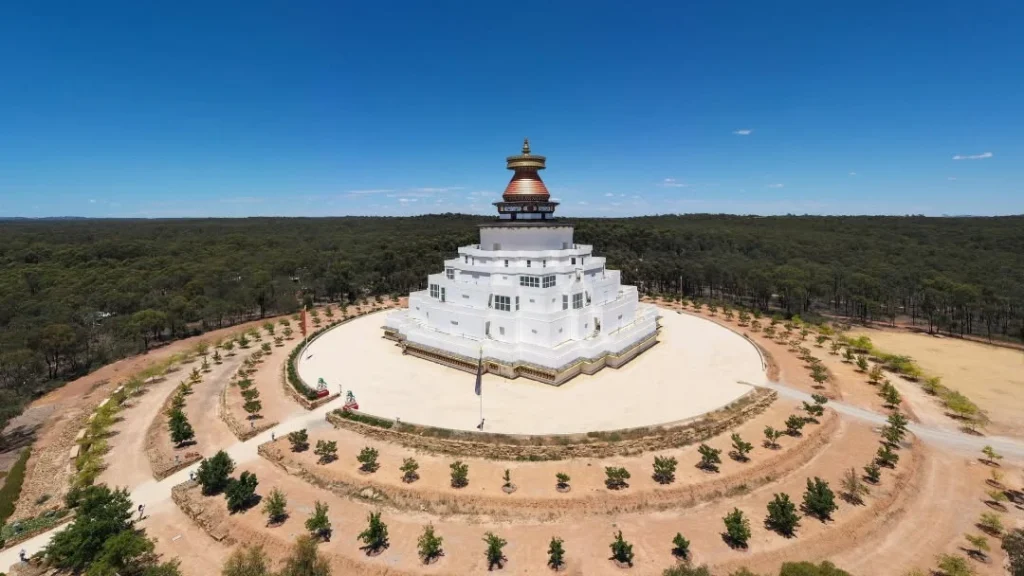
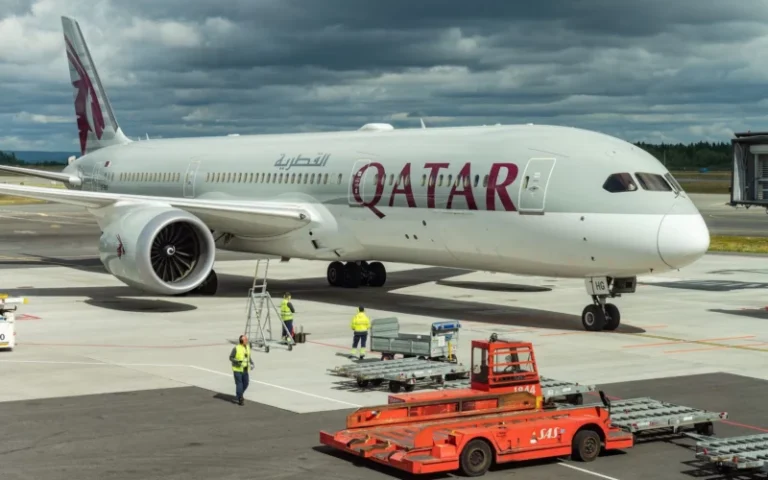
Air connectivity deserves serious attention. The country needs more direct international connections and competitive airfares from important tourism markets. The government and NTB should work closely with airlines to attract new routes, seasonal services, and charter flights. Airlines, hotels and travel companies should also be encouraged to create integrated packages that make Nepal easier and more affordable to choose.
Making Nepal More Competitive for Visitors
The cost of experiencing Nepal matters too. Visitors compare hotel prices, food, domestic transport, trekking costs, entrance fees, and other expenses with competing destinations. Nepal should regularly assess its tourism costs against international markets and identify where it can become more competitive without compromising quality.
Affordability does not necessarily mean making everything cheaper. It means ensuring that visitors receive clear value for the money they spend. Better service standards, transparent pricing, convenient payment systems, reliable transportation and quality accommodation can all contribute to making Nepal more competitive.
Welcoming the Nepali Diaspora Back Home
At the same time, Nepalis living abroad should feel that Nepal welcomes them not only emotionally, but practically. The government could explore lawful and commercially workable ways for NRNs and diaspora visitors with strong links to Nepal to access preferential tourism rates, where appropriate, similar to those available to Nepali citizens.
This could apply to hotels, restaurants, domestic transportation, attractions, and other tourism services. Such measures could encourage families to travel more within Nepal, stay longer and return more often, while strengthening the relationship between the diaspora and their country of origin. The diaspora should not be viewed only as a source of remittances or investment. It can also be a source of tourism demand, international networks, knowledge and global influence.
Expanding Nepal Beyond Its Traditional Tourism Map
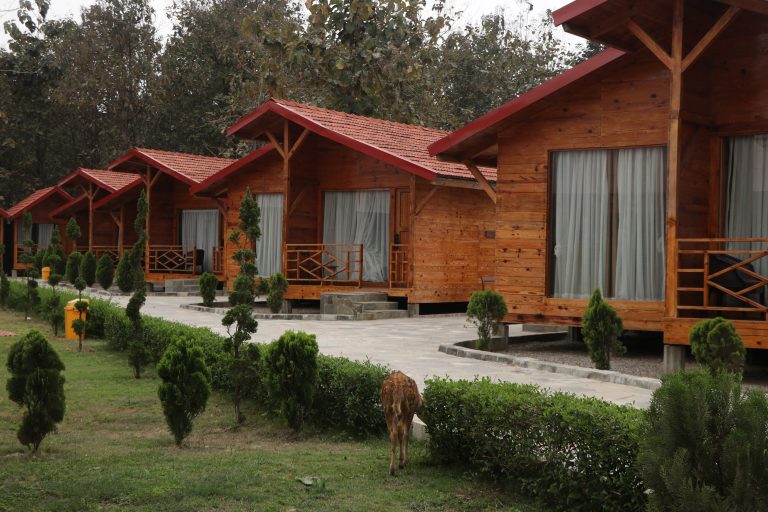
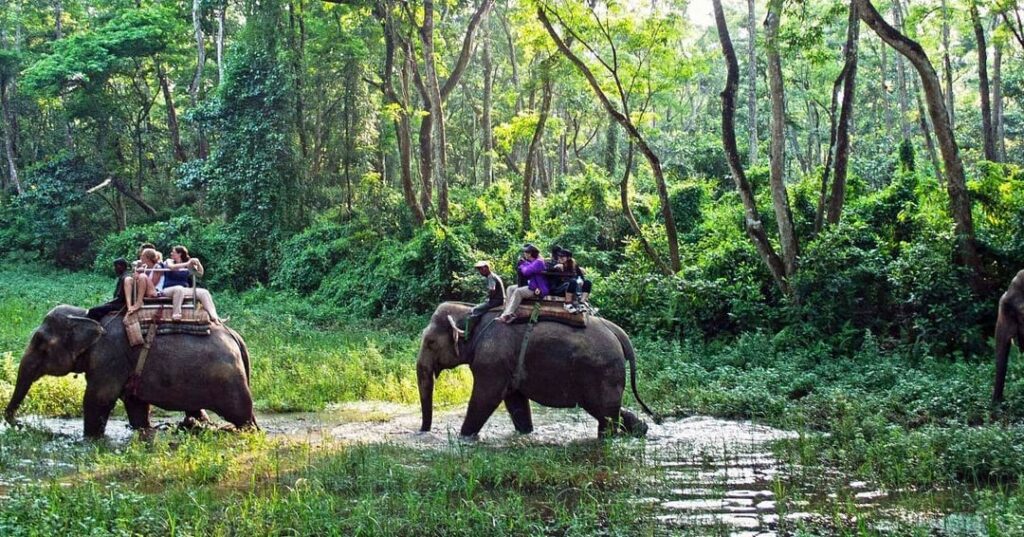
Nepal also needs to broaden the tourism map. For too long, our international tourism image has been concentrated around a limited number of destinations. Chitwan, for example, has the potential to become one of Asia’s recognised wildlife tourism gateways. Its rhinoceros, tiger, gharial, elephant and extraordinary birdlife offer experiences that are very different from mountain tourism.
Jungle safaris, nature walks, river experiences and Tharu culture can be brought together to create a richer destination experience. The same principle should be applied throughout the country. Destination development should focus not only on individual attractions but on complete tourism experiences.
Building Nepal’s Wildlife Tourism Circuit
Chitwan could also be connected with Bardiya and Koshi Tappu to create a wider Nepal Wildlife Tourism Circuit. Such a circuit could attract travellers interested in wildlife, conservation, biodiversity and nature while encouraging them to stay longer. The same approach can be used elsewhere.
Kathmandu, Chitwan, Pokhara and Lumbini can be promoted as connected experiences, while Everest, Annapurna, Manaslu, Langtang, Mustang, Kanchenjunga, Karnali and Api-Saipal can be developed for different types of travellers and different markets.
Nepal should move from simply marketing places to designing journeys. A visitor who comes for trekking should be encouraged to explore culture, wildlife, wellness or heritage before or after the trek. This can increase length of stay and distribute tourism income more widely.
Promoting Nepal’s Spiritual and Cultural Heritage
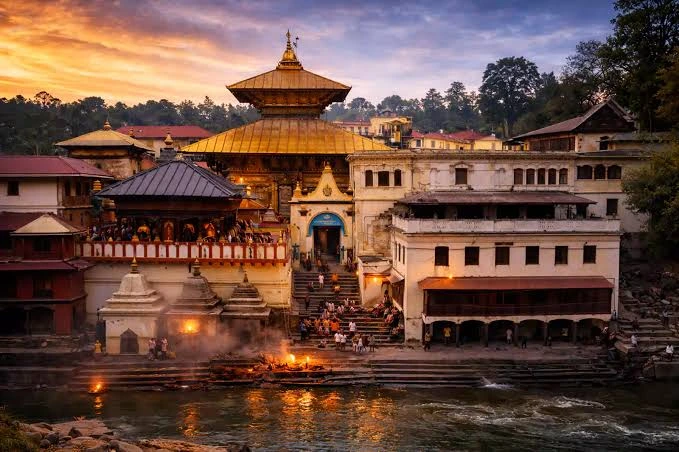
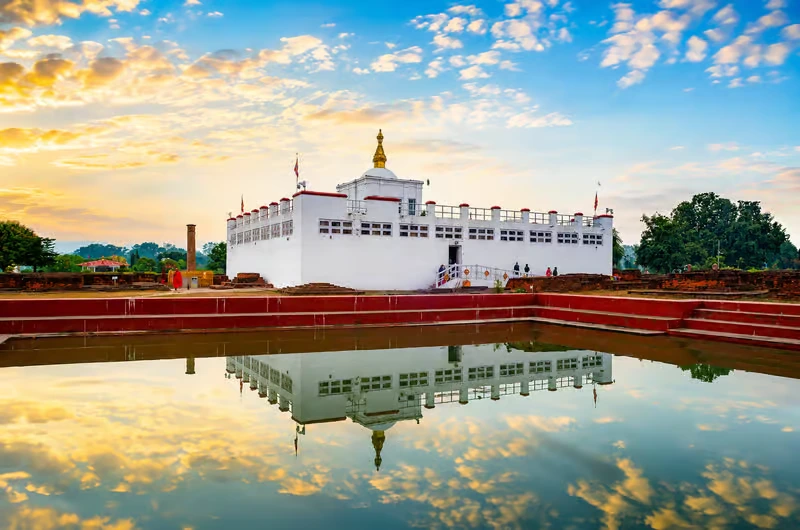
Its spiritual and religious heritage offers another extraordinary opportunity. Lumbini, Kapilvastu, Devdaha, and Ramgram could be developed and promoted as a stronger Buddhist heritage circuit. Pashupatinath, Muktinath, Janakpur and Halesi can strengthen Nepal’s position as a destination for Hindu and spiritual tourism.
Rather than promoting individual sites separately, Nepal should tell the larger story of its spiritual and cultural heritage. The country’s festivals, architecture, traditional communities, crafts, food and living traditions can become part of these tourism experiences.
Unlocking Wellness, Luxury and High-Value Tourism
There is also significant potential in wellness and Ayurveda. Yoga, meditation, Ayurveda, Himalayan wellness, spiritual retreats and nature-based experiences can attract visitors who are looking for something deeper than a short holiday. The country can also develop luxury tourism, premium trekking, helicopter tourism, golf, boutique hospitality, high-end wildlife experiences and MICE tourism.
The goal should not simply be to bring more people to Nepal. It should be to create more value from every visitor. High-value tourism can increase revenue while reducing pressure on fragile destinations, provided that development is responsible and communities benefit directly.
Strengthening Public-Private Tourism Partnerships
None of this can be achieved by the government or NTB alone. Tourism is an industry built on relationships. Hotels need airlines. Airlines need passengers. Travel companies need destinations. Communities need visitors. Banks, insurance companies, telecommunications providers and digital payment companies all have roles to play.
Nepal therefore needs a stronger and more regular public-private partnership mechanism to coordinate priorities, share market intelligence and develop joint campaigns. Rather than creating multiple new bodies, existing government institutions, NTB, tourism associations, NRNA and other relevant stakeholders should work through a streamlined national tourism coordination mechanism.
A joint marketing fund, supported where appropriate by public and private contributions, could finance international campaigns, trade fairs, familiarisation trips, media programmes, influencer campaigns and airline promotions. The objective should be to reduce duplication and make every tourism promotion rupee work harder.
Making Tourism Investment Easier
Investment also needs to become easier. The country has many tourism opportunities, but potential investors often face uncertainty, complicated procedures and a lack of easily accessible information. A modern tourism investment portal, clearly identified projects, one-window facilitation and stronger engagement with domestic and diaspora investors could help unlock new investment.
Responsible private investment and public-private partnerships should be encouraged where they bring sustainable economic and community benefits. Nepal should clearly communicate where investment is needed, from hotels and resorts to adventure tourism, wellness, transportation, technology and destination infrastructure.
Building a Professional Crisis Communication System
Another lesson Nepal has learned repeatedly is the importance of crisis communication. A natural disaster, pandemic or other emergency can quickly change how international travellers perceive an entire country. When a particular area is affected, the world needs to know which areas are affected and which remain safe. NTB should have a professional, real-time communication system capable of providing accurate information to international markets.
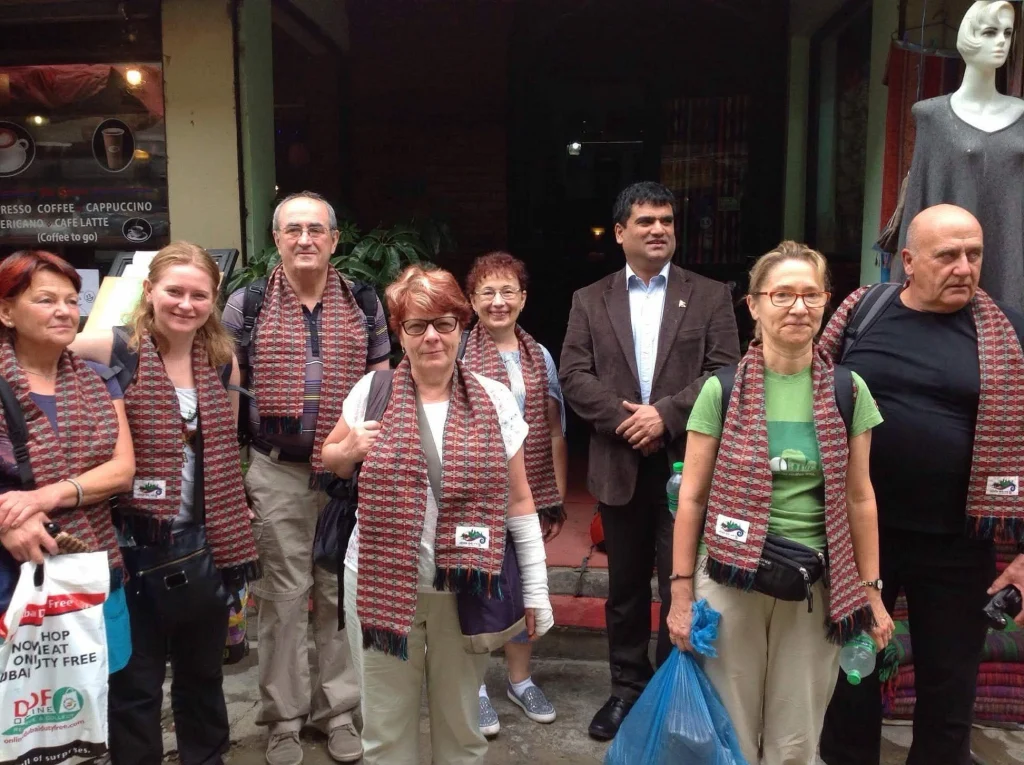
Campaigns such as “Nepal is Open” can be useful, but they must always be based on facts and responsible communication. The objective should not be to hide problems. It should be to communicate clearly, quickly and accurately so that a localised disruption does not unnecessarily damage the image of the entire country.
Putting Sustainability and Climate Resilience at the Centre
Tourism must also be sustainable and prepared for a changing climate. Nepal’s mountains and natural environment are particularly vulnerable to climate change. Tourism infrastructure, trekking routes, hotels, and destinations need to become more climate-resilient. Waste management, renewable energy, responsible use of natural resources, and conservation should be integral parts of tourism development.
Most importantly, local communities should benefit directly from tourism. A destination cannot be successful in the long term if the people who live there do not feel that tourism belongs to them. Tourism development should therefore create local employment, support local businesses, protect cultural identity and ensure that communities have a meaningful role in destination management.
Measuring Tourism Success Beyond Arrival Numbers
Ultimately, Nepal needs to change the way it measures tourism success. Tourist arrivals will always matter, but they tell only part of the story. We should also measure how long visitors stay, how much they spend, whether they return, how many new markets we reach, how many international air routes are created, how much private investment is generated, how many MICE events Nepal attracts and how much income reaches local communities.
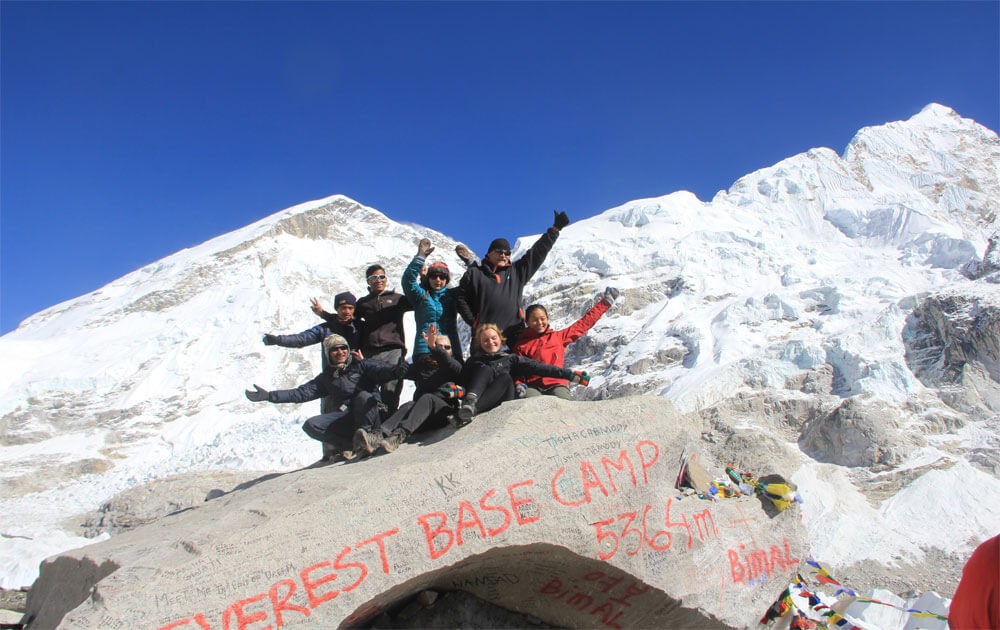
Tourism policy should become a continuous process of learning from data and adapting to changing traveller behaviour. A country can receive more tourists and still fail to generate enough economic value. Conversely, a smaller number of higher-spending, longer-staying visitors can create greater benefits for businesses and communities.
The First 100 Days of Tourism Reform
The first 100 days of reform could focus on reviewing NTB’s institutional performance, auditing Nepal’s digital marketing and branding, identifying priority international markets, developing the diplomatic tourism focal-point system, establishing the diaspora tourism expert mechanism and agreeing on a practical NTB–NRNA cooperation framework.
At the same time, Nepal could consult the private sector, develop a Chitwan Wildlife Tourism Campaign and undertake studies on visa facilitation, air connectivity and tourism-cost competitiveness. These actions would provide a practical foundation for longer-term reform without requiring the immediate creation of additional layers of bureaucracy.
From Reform to Implementation: The First Year
Within the first year, the priority should be implementation rather than creating more institutions. Nepal should aim for a global digital tourism campaign, stronger diplomatic tourism engagement, an operational NRNA tourism ambassador programme, diaspora market expertise, coordinated private-sector marketing, improved tourism data and a clear pipeline of tourism investment opportunities. The emphasis should be on measurable outcomes. Every initiative should answer three basic questions: What is the objective? Who is the target market? How will success be measured?
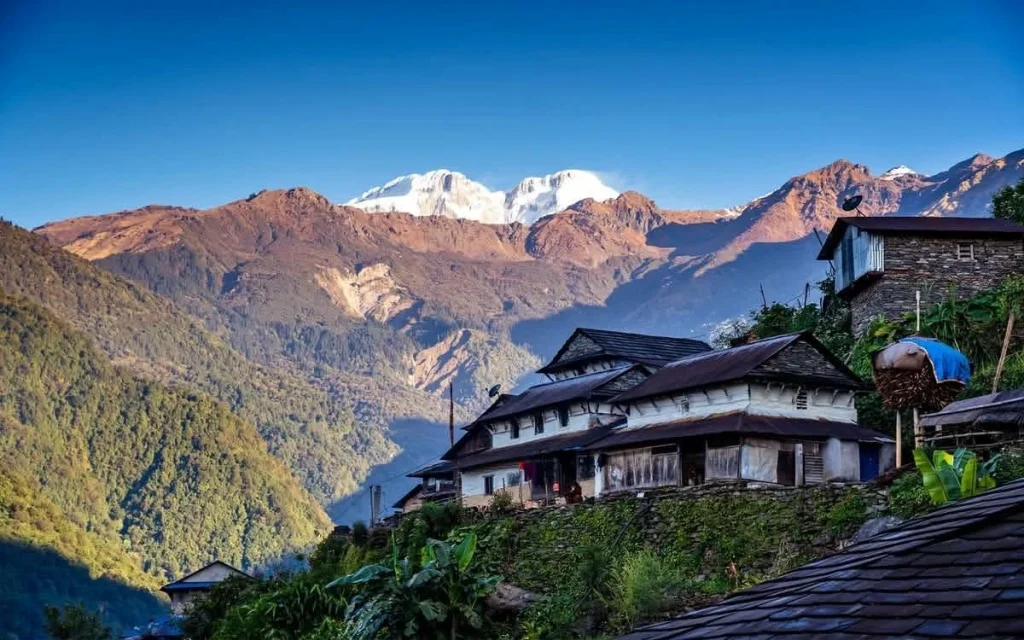
A Coordinated Global Tourism Partnership
The larger goal is not complicated. Nepal needs to move from a fragmented tourism promotion model to a coordinated global tourism partnership. Government, NTB, diplomatic missions, NRNA, and the diaspora, private-sector organisations, local governments and communities all have different roles, but they should be working towards the same national objective. Nepal does not need to invent a new identity. It already has one of the most extraordinary tourism stories in the world. What Nepal needs is to tell that story better, make it easier for people to experience it, and ensure that the benefits reach communities across the country.
Tourism Is Everyone’s Business
We have the mountains. We have the wildlife. We have the culture, spirituality, heritage and hospitality. What we need now is better coordination, stronger institutions, smarter digital marketing, easier access, competitive air connectivity and costs, international partnerships and a clear commitment to high-value, sustainable tourism.
The future of Nepal’s tourism should be guided by one simple principle: Tourism is Everyone’s Business. And perhaps the most powerful global tourism network Nepal already possesses is not an institution at all. It is its own people. Every Nepali Abroad can be a Tourism Ambassador for Nepal. If we can turn that idea into action, Nepal can aspire to become more than a country people visit once. It can become a destination they experience deeply, remember emotionally, recommend to others and return to again and again.
Article By: Som Nath Sapkota, Spokesperson, NRNA International Coordination Council (NRNA ICC)