Tourism entrepreneurs, government representatives and industry stakeholders from Nepal and India have called for the development of a comprehensive spiritual tourism package centred on the Lumbini region, stressing that a well-planned cross-border tourism strategy could significantly boost visitor arrivals, stimulate local economies and create employment opportunities.
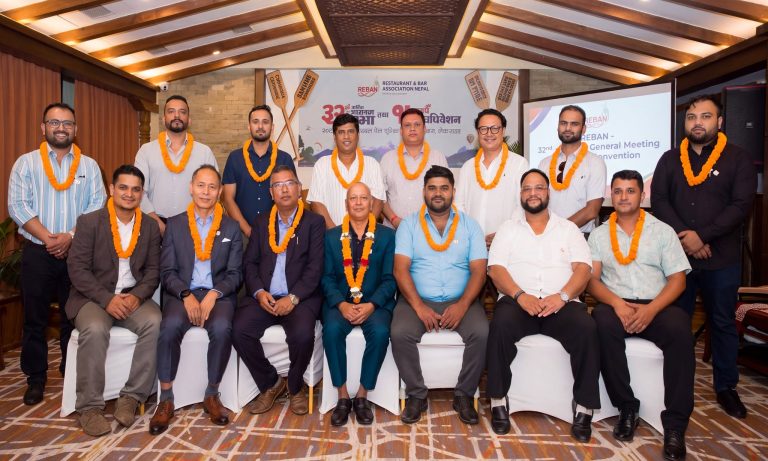
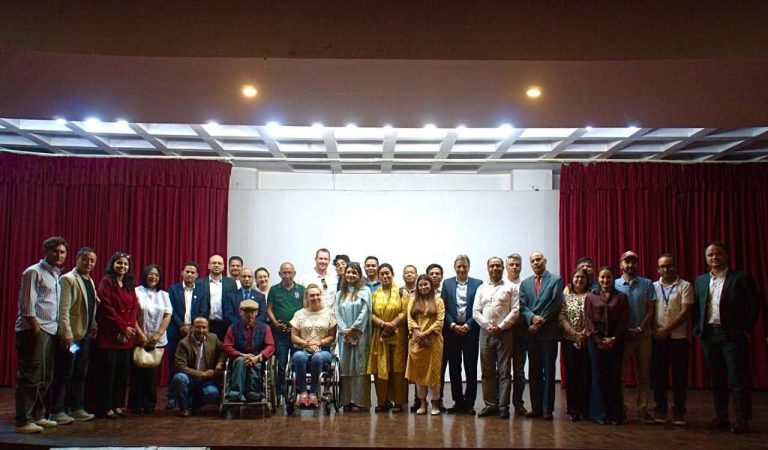
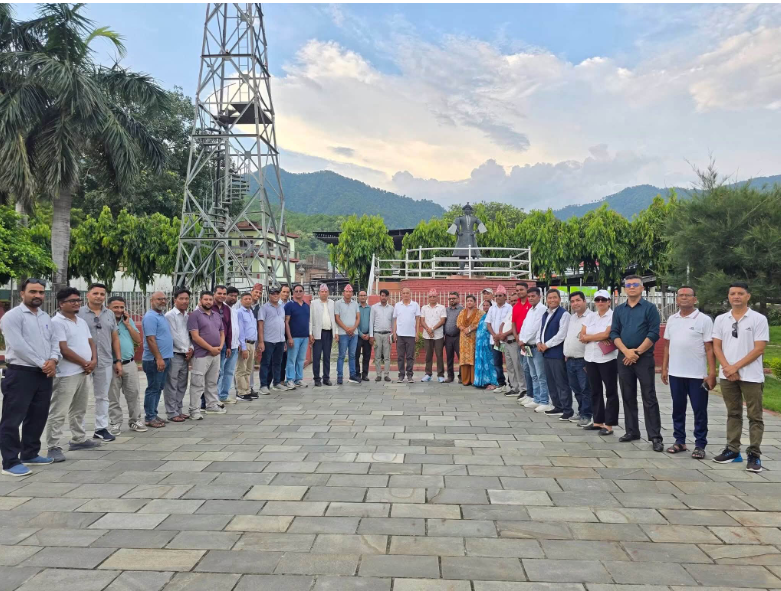
The call was made during the Nepal-India Tourism Press Meet, organised by the Nepal Association of Tour and Travel Agents (NATTA) Lumbini in Butwal on Monday. Participants highlighted the need for closer collaboration between Nepal and India to unlock the vast potential of religious tourism by developing attractive pilgrimage circuits and improving tourism infrastructure.

Spiritual Tourism Identified as a Key Driver of Regional Growth
Speakers at the event emphasised that spiritual tourism has emerged as one of Nepal’s strongest tourism assets and has the potential to generate year-round economic activity across the Lumbini Province and neighbouring districts. They noted that millions of religious travellers from India visit pilgrimage destinations every year, and Nepal is well positioned to attract a larger share of these visitors through integrated travel packages that combine religious, cultural, historical and natural attractions. Participants agreed that a dedicated spiritual tourism package designed specifically for Indian pilgrims would not only increase tourist arrivals but also create new business opportunities for hotels, restaurants, transport operators, guides and local communities.
Mayor Pandey Highlights Religious Tourism Potential
Addressing the programme, Butwal Sub-metropolitan City Mayor Khelraj Pandey said the Lumbini region possesses enormous potential to become one of South Asia’s leading religious tourism destinations. He emphasised the importance of establishing a convenient travel route for the millions of Indian pilgrims travelling to Muktinath through the Kaligandaki Corridor, stating that improved connectivity and coordinated tourism planning would greatly benefit the regional tourism economy.
Mayor Pandey stressed that tourism packages should remain affordable while offering visitors a complete spiritual experience that combines multiple destinations within western Nepal. According to him, such integrated itineraries would encourage tourists to spend more time in the region rather than visiting only a single destination.
Proposal to Connect Major Pilgrimage Sites
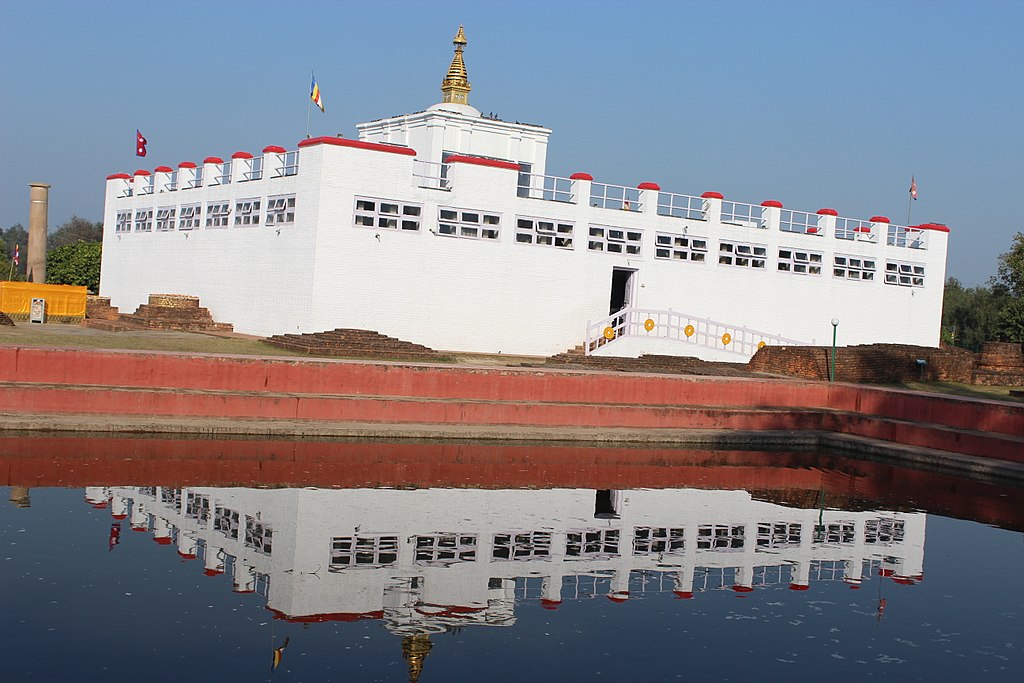
Mayor Pandey proposed that the spiritual tourism package should include several of Nepal’s most significant religious and heritage destinations. The proposed circuit would feature Lumbini, the birthplace of Lord Buddha and a UNESCO World Heritage Site, alongside the historic Rani Mahal of Palpa, often referred to as the “Taj Mahal of Palpa.”
He also suggested incorporating Swargadwari in Pyuthan, one of Nepal’s most revered Hindu pilgrimage destinations, Siddha Baba Temple in Rupandehi, recognised as the only pilgrimage site associated with naturally occurring Shaligram stones, as well as Resunga in Gulmi and Supadeurali Temple in Arghakhanchi. According to Mayor Pandey, connecting these destinations through a single tourism package would create a distinctive pilgrimage circuit capable of attracting both domestic and international visitors, particularly from neighbouring India.
Authorities Assure Safe Environment for Indian Visitors
Addressing concerns related to traveller safety, Rupandehi District Police Chief Janak Bahadur Shahi assured that Indian tourists can visit Nepal with confidence. He stated that local security agencies remain committed to ensuring the safety and security of all visitors travelling to religious and tourism destinations throughout the region. He emphasised that maintaining a secure environment remains one of the key priorities in strengthening Nepal’s tourism industry and encouraging greater cross-border travel.
Hospitality Sector Introduces Special Tourist Services
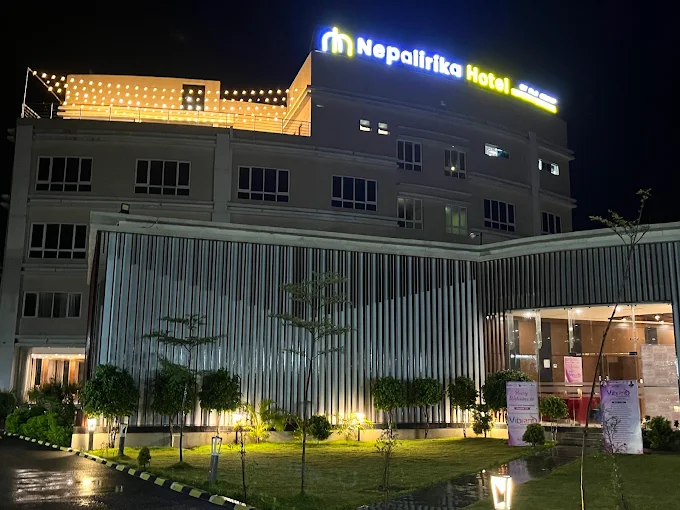
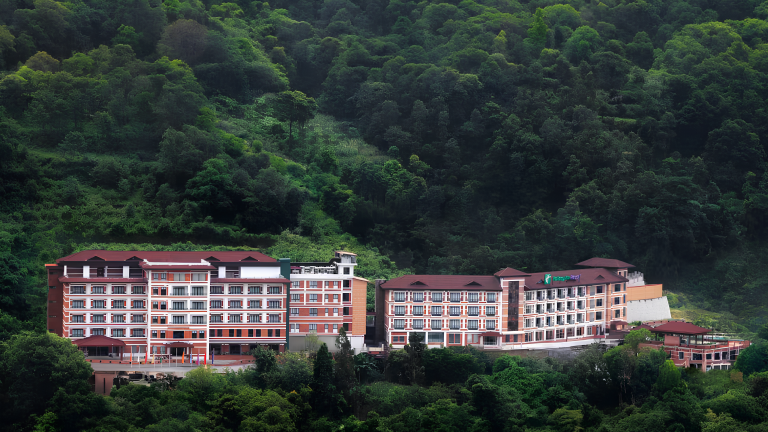
Representing the hospitality industry, Chunnu Prasad Poudel, Chairman of Hotel Hyatt Place Butwal, said local hotels and tourism businesses have introduced special facilities designed to improve visitors’ overall travel experience. He noted that hospitality providers are working to enhance accommodation standards and service quality to meet the expectations of both domestic and international tourists exploring Nepal’s religious, historical and natural attractions. According to Poudel, strengthening hospitality services will play an important role in encouraging longer visitor stays and increasing tourism spending within the region.
Indian Media Pledges Promotional Support
The programme also witnessed participation from media representatives from India, highlighting the growing interest in cross-border tourism cooperation. Speaking on behalf of the Indian media, Amit Tripathi, Chairman of the Maharajgunj Press Club, pledged to actively promote Nepal’s spiritual tourism destinations among Indian audiences.
He said Indian media organisations would prioritise publicity efforts supporting the proposed tourism campaign, helping raise awareness about Nepal’s pilgrimage destinations and encouraging more Indian travellers to visit the country. Participants observed that effective media collaboration between Nepal and India could significantly strengthen promotional efforts and increase tourism flows between the two neighbouring countries.

Joint Commitment to Strengthen Cross-Border Tourism
The Nepal-India Tourism Press Meet concluded with a shared commitment from tourism stakeholders, local governments, hospitality entrepreneurs and media representatives from both countries to strengthen bilateral cooperation in tourism promotion. Participants agreed that closer coordination between government agencies, tourism organisations, transport operators, hotels and media would be essential for developing a structured spiritual tourism framework capable of attracting larger numbers of pilgrims and cultural travellers.
They also emphasised that Nepal’s rich religious heritage, combined with its cultural diversity and natural beauty, provides a unique opportunity to develop sustainable tourism products that benefit local communities while preserving historical and spiritual sites. With Lumbini already recognised globally as the birthplace of Lord Buddha, stakeholders believe that integrating the region with other major pilgrimage destinations through comprehensive tourism packages could further establish western Nepal as one of South Asia’s premier centres for spiritual tourism and contribute significantly to the country’s long-term tourism growth.