In Pokhara’s Fewa Lake area, boat operators are facing significant financial difficulties due to a sharp decline in tourist numbers. Fifty-five-year-old Buddhi Bahadur Pariyar from Pumdibhumdi, Pokhara-22, spends 100 rupees daily on bus fare to commute to Fewa Lake. With no boat of his own, he operates others’ boats.
For the past three months, Pariyar’s daily earnings have plummeted to just 150 rupees, with some days leaving him empty-handed. Since May, only 20 to 30 boats have been making the daily journey from Barahi Ghat to Tal Barahi Temple, with only a few going on lake tours. “I sometimes have to borrow bus fare from friends to get home,” Pariyar said. “I’ve been operating boats on Fewa Lake for twenty years, and I’ve never experienced such a situation.”
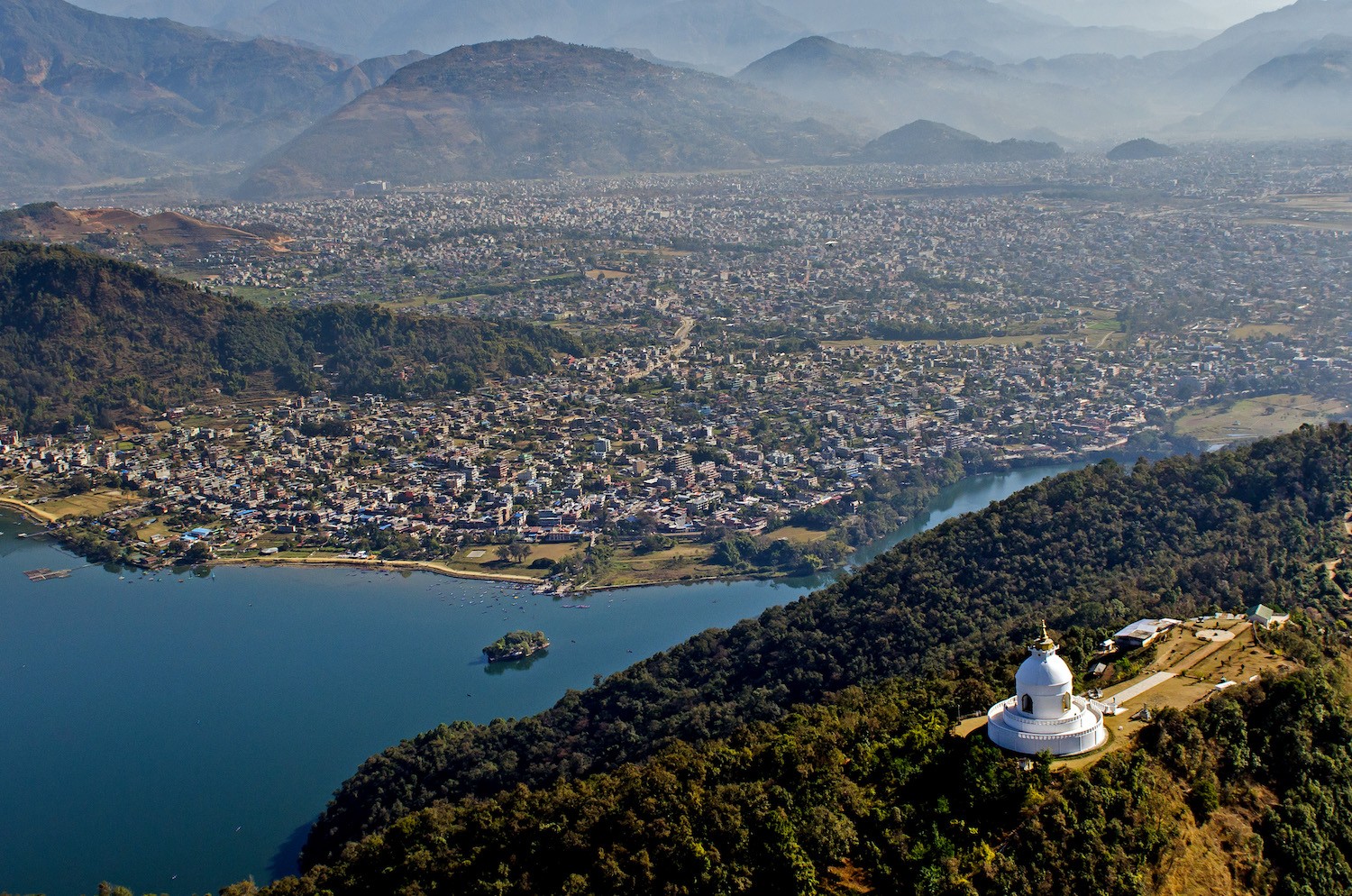
Currently, among the 767 boats operating at Fewa Lake’s eight ghats, Barahi Ghat hosts the highest number with 356 boats. Operators of these boats earn between 150 to 170 rupees for each trip, and they receive only 150 rupees for ferrying passengers to Tal Barahi Temple.
Similarly, Kali Charan Chaudhary, who moved from Dang District to operate boats at Fewa Lake five years ago, is struggling to support his family. Living in a rented room with his wife and two children, Chaudhary faces difficulty managing his monthly expenses of 25,000 rupees with only a 3,000 rupee income. “The money I earned during the tourist season and my wife’s morning earnings have been keeping us afloat for the past three months,” Chaudhary said. “I hope the upcoming tourist season will improve our situation.”
Narbahadur Shrestha, Secretary of the Fewa Boat Operators’ Organization, noted that the number of tourists visiting Fewa Lake has decreased by 80 percent over the past three months. “Of the remaining 20 percent, most are domestic and Indian tourists,” Shrestha explained. “The rainy season and economic downturn have further impacted the business.”
Sammar Nepali, another boat operator at Barahi Ghat, mentioned that only one boat has been assigned every five days recently, which has led to severe financial strain for the operators. “I’ve been in this profession for a long time and don’t want to switch careers, but the earnings are minimal,” Nepali said. “The economic downturn is worse than the issues caused by the COVID-19 pandemic.”
Boat operators are hopeful that the arrival of festivals will boost tourist numbers. Balram Giri, President of the Fewa Boat Operators’ Organization, cited risks related to road transportation, the rainy season, and the economic downturn as reasons for the current problems. Operators charge 100 rupees per person for ferrying tourists to Tal Barahi Temple and 900 rupees per hour for lake tours.
Fewa Lake continues to be served by 767 boats across eight ghats, including Barahi, Fistel, Ambot, Gauri, Pahari, Swimming Pool, Fewa, and Bangladi. Among the 410 boat operators, 25 are women. While boat operations have been a long-standing tradition, formal and professional operations began in 1995.