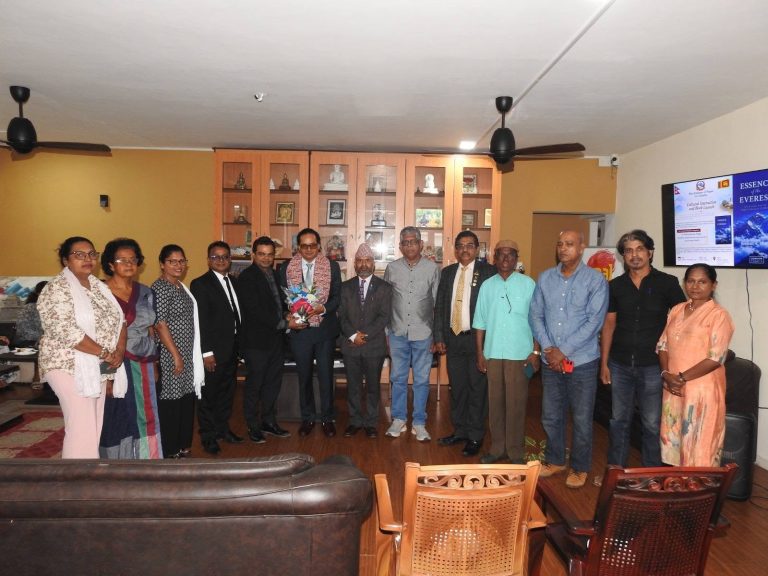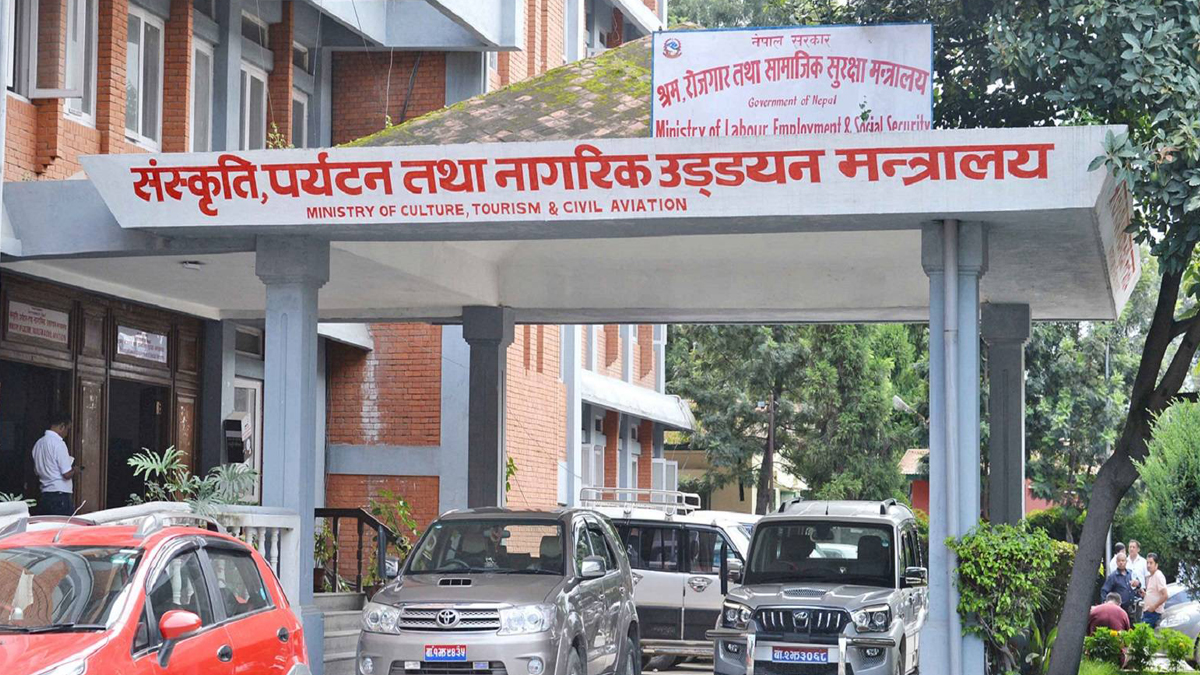
Experts from the field of tourism have made recommendations to the Government of Nepal to develop policies and tourism legislations in a manner favorable to the private sector and ensure strict enforcement and implementation of those laws. This has been done through a discussion regarding the Tourism Bill, 2081 arranged by the International Relations and Tourism Committee of the House of Representatives. It has been stressed that the private sector is the core factor behind the development of the tourism industry in Nepal and the government’s role should be limited only to facilitating and coordinating policies for the industry.
Experts Simplify Laws and Eliminate Institutional Barriers
Tourism experts Dipendra Purush Dhakal, Deepak Raj Joshi, Bal Sagar Giri, Smrittee Kala Pant, and Ghanendra Shrestha stressed the need for clear, practical, and flexible legislation that removes unnecessary institutional and procedural complexities affecting the tourism sector. They also highlighted the importance of clearly defining the responsibilities of Nepal’s three levels of government to avoid overlapping authority, double taxation, and multiple licensing requirements. According to the experts, establishing common standards would improve coordination and create a more business-friendly environment for tourism entrepreneurs.

Experts Expand the Scope of the Tourism Bill
The experts recommended that the proposed legislation should reflect the changing needs of the tourism industry by incorporating emerging sectors and modern practices.
Their key recommendations include:
- Establishing an international-standard adventure tourism academy.
- Providing legal priority to community-based and inclusive tourism.
- Including provisions related to casinos, mountaineering, digital technology, artificial intelligence (AI), and waste management.
- Promoting innovation and sustainable tourism practices through updated legal provisions.
They argued that expanding the bill’s scope would make Nepal’s tourism industry more competitive in the international market.
Strengthen Nepal’s Global Tourism Brand
Former Chief Executive Officer of the Nepal Tourism Board, Deepak Raj Joshi, stressed the importance of repositioning Nepal in the international tourism market through diversified tourism products. He suggested promoting Nepal’s cultural heritage, traditions, favorable climate, meditation, wellness tourism, and other unique attractions through stronger international branding. Joshi also recommended that the Tourism Bill explicitly recognize different tourism segments and adopt a more liberal policy framework to encourage tourism-related activities and investment.
Tourism Should Be Viewed as a Living Ecosystem
Smrittee Kala Pant, Assistant Professor and researcher at Kathmandu University, described tourism as a “living ecosystem” that extends beyond economic activity and is closely connected to social, cultural, and political dimensions.
She emphasized the need to prioritize community-based and inclusive tourism while ensuring that government policies are based on evidence and implemented effectively. Pant also noted that since the private sector leads tourism development, the government’s responsibility should be to facilitate growth and provide efficient regulation rather than creating unnecessary administrative obstacles.
Preserve Strong Institutions and Improve Governance
Former Nepal Rastra Bank Governor Dipendra Purush Dhakal advised the government not to weaken successful tourism institutions such as the Nepal Tourism Board. He also called for a review of the role of the Department of Tourism, the legalization of unauthorized tourism businesses through proper regulatory mechanisms, and stronger management of Nepal’s mountaineering sector. According to Dhakal, maintaining strong institutional structures is essential for ensuring sustainable growth and improving governance within the tourism industry.
Improve Coordination and Avoid Unnecessary Institutions
Tourism expert Bal Sagar Giri stated that Nepal’s tourism policy and legislation should be fully aligned to ensure consistency and effective implementation. He also expressed the view that there is no need to establish a separate tourism authority, as existing institutions can perform their responsibilities more efficiently with proper reforms.

Meanwhile, tourism law expert Ghanendra Bahadur Shrestha emphasized that the Ministry of Tourism works closely with numerous government agencies. He recommended that the Tourism Bill include clear provisions for inter-ministerial coordination to improve policy implementation and streamline decision-making.
Toward a More Competitive Tourism Industry
The discussion concluded with a broad consensus that Nepal’s tourism sector requires modern, practical, and investor-friendly legislation supported by strong governance and effective regulation. Experts agreed that simplifying legal procedures, strengthening institutional coordination, encouraging innovation, and empowering the private sector will be essential for enhancing Nepal’s competitiveness as a global tourism destination and ensuring sustainable long-term growth of the industry.