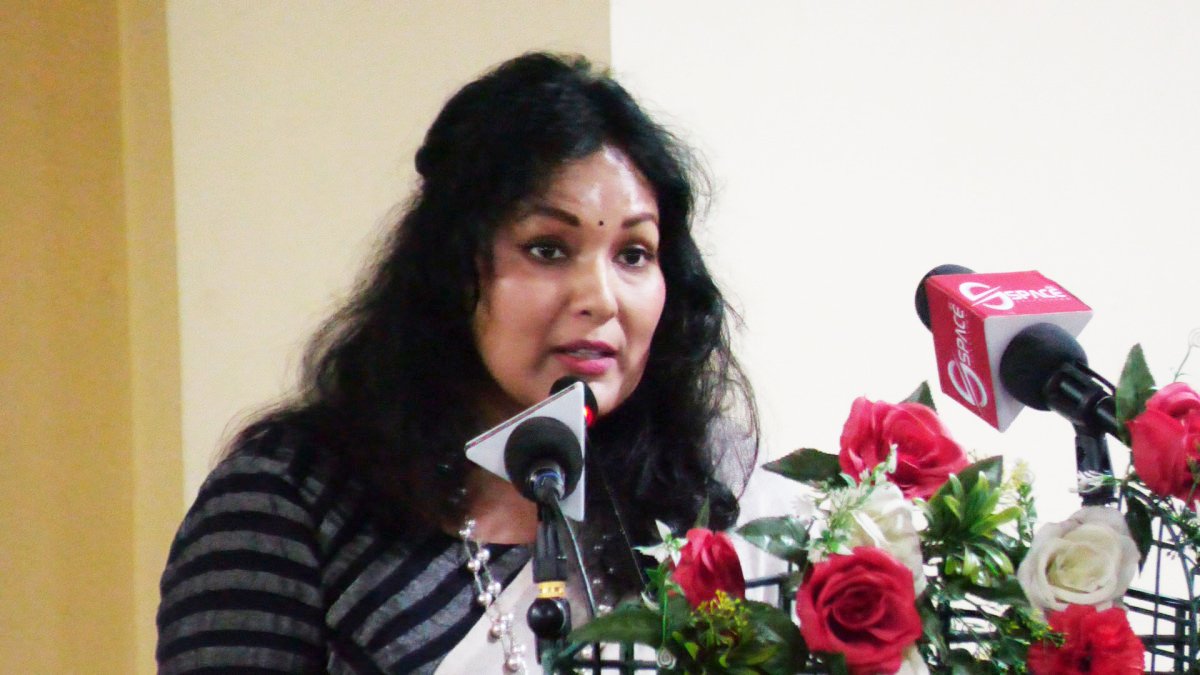
Chairperson of the International Relations and Tourism Committee and National Independent Party lawmaker Sumnima Udas has emphasized that Nepal’s foreign policy should be guided by long-term national interests rather than the priorities of individuals, political parties, or successive governments.
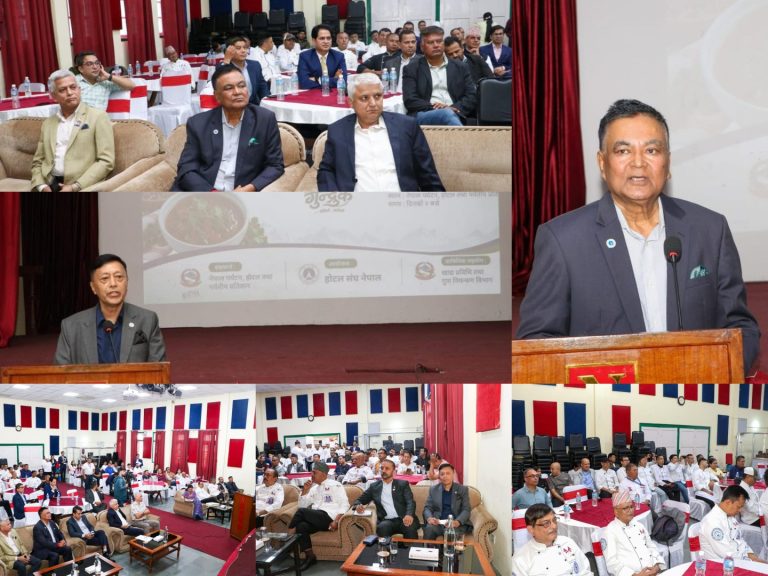
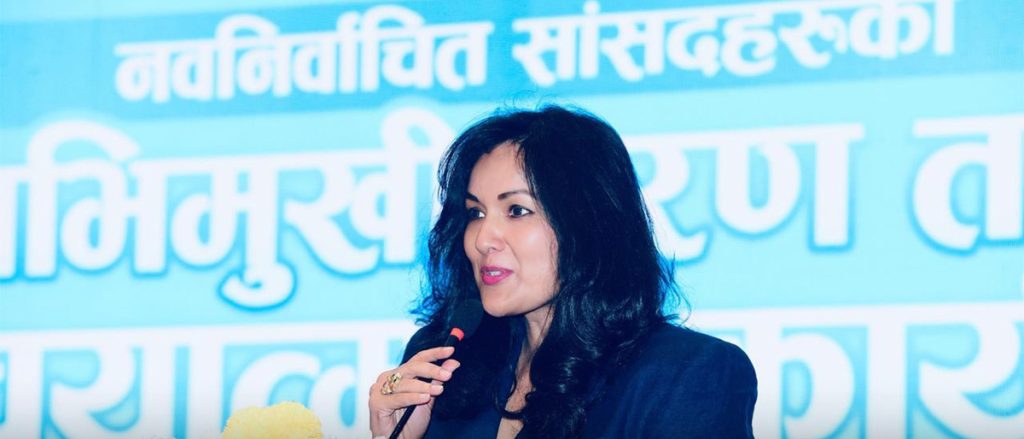
Speaking at a discussion titled “Nepal’s Foreign Policy: Opportunities, Challenges, and Future Direction,” organized by the Nepal Law Society and the Constitution Watch Group, Udas stressed the need to strengthen Nepal’s institutional capacity to ensure that its foreign policy remains consistent, effective, and responsive to changing international circumstances.
She argued that Nepal’s foreign policy should be treated as a long-term national policy that remains stable despite changes in government and political leadership.

Need for Continuity in Foreign Policy
Udas said frequent changes in governments should not result in major shifts in Nepal’s fundamental foreign policy direction. While political leadership and government priorities may change, she noted that the country’s core national interests remain long-term.
According to her, Nepal needs to develop a foreign policy framework based on continuity, institutional strength and national consensus, rather than allowing individual governments or political parties to determine the country’s international approach.
She also called for Nepal’s foreign policy to become more timely, institutionally capable and result-oriented. International relations, she said, should not be viewed solely as the responsibility of a particular government but as a matter concerning the collective interests of the Nepali people.
Three Key Questions for International Decisions
Udas proposed three key criteria that Nepal should consider when making major international decisions. The first question is whether a decision strengthens Nepal’s sovereignty and strategic autonomy. She stressed that the country must ensure its international engagements protect its ability to make independent decisions and safeguard its national interests.
The second criterion is the economic and social benefit to Nepali citizens. Udas said foreign policy decisions should be assessed on the basis of whether they contribute to economic prosperity, employment and opportunities for the people. She emphasized that diplomatic decisions should also have a meaningful connection with Nepal’s development objectives.
The third consideration should be the future of coming generations. She argued that Nepal must evaluate whether present international decisions will contribute to building a safe, prosperous and dignified country for future generations.
Call for a Clear National Road Map
Udas said the three criteria should serve as important benchmarks for determining Nepal’s national interest in international affairs.
She further called for the development of a clear foreign policy road map supported by broad national consensus. Such an approach, she said, would help Nepal maintain consistency in its international relations despite changes in political leadership.
A shared understanding of national priorities would also enable Nepal to engage with the international community with greater clarity, predictability and confidence.

Sovereignty and Prosperity at the Center
Udas placed sovereignty, economic prosperity and the welfare of future generations at the center of Nepal’s foreign policy decision-making.
She stressed that Nepal’s international engagements should ultimately generate tangible benefits for the country and its citizens. Strengthening institutions, maintaining policy continuity and establishing clear national criteria for major international decisions would help Nepal pursue a more independent and effective foreign policy.
The discussion highlighted the importance of approaching Nepal’s international relations from a collective national perspective, ensuring that foreign policy remains focused on long-term national priorities rather than short-term political interests.