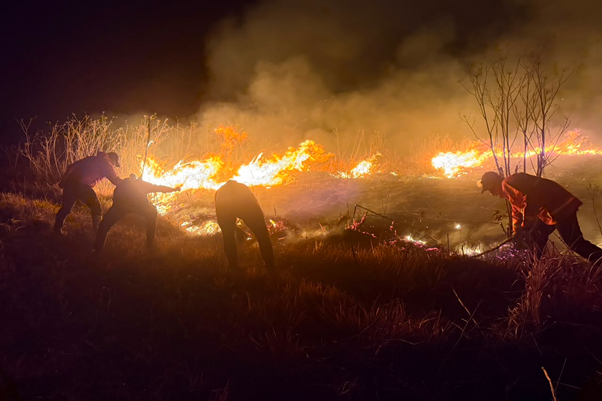
Dozens of schools in Indonesia have been forced to close for a second consecutive day as toxic smoke from widespread wildfires continues to affect parts of the country amid a prolonged and intense dry season linked to the El Niño weather phenomenon. In Pontianak, West Kalimantan, the mayor ordered schools to remain closed after smoke from fires in surrounding areas caused air quality in the city to deteriorate. Mayor Edi Rusdi Kamtono said children would continue their studies from home until air quality improves. The extent of the impact on schools was not immediately clear, but the city has increasingly been affected by smoke from fires in nearby areas.
Wildfires Spread During Prolonged Dry Season
Indonesia is experiencing an unusually difficult dry season this year, with the country’s Meteorology, Climatology and Geophysical Agency (BMKG) warning of an elevated risk of drought and wildfires associated with El Niño. The agency has warned that the dry conditions could increase the spread and intensity of fires across parts of the archipelago. So far this year, more than 107,000 hectares of land across Indonesia have reportedly been affected by fires.

Fire Damages Around 900 Hectares in East Java
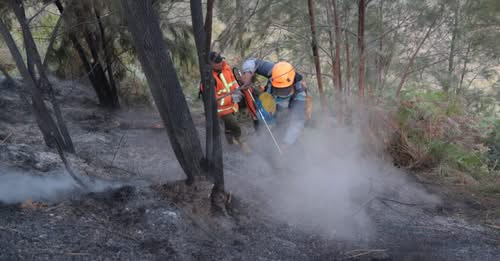
On Java Island, firefighters have been working to contain a wildfire that has affected around 900 hectares of land in the Bromo area. The fire in Bromo Tengger Semeru National Park had continued for several days before authorities reported progress in controlling it. Local disaster management official Satrio Nurseno said authorities were using available resources to cool the affected areas and bring the fire under control. Around 200 firefighters, forest rangers, police officers and military personnel have been involved in the operation. Three helicopters equipped for water-bombing operations, along with fire trucks, have also been deployed to support firefighting efforts.
Thousands of Personnel Deployed Across Six Provinces
Indonesia’s National Disaster Management Agency said that more than 48,000 personnel have been deployed across six provinces to help fight wildfires. The large-scale response involves emergency personnel and other agencies working to contain fires and protect communities and forest areas. Defense Minister Sjafrie Sjamsoeddin said the government had also deployed 43 helicopters and 15 fixed-wing aircraft for weather-modification operations in areas where conditions are suitable.
Cloud Seeding Used to Encourage Rainfall
Indonesia has also turned to cloud seeding as part of its efforts to deal with the dry conditions. The process requires the presence of suitable clouds. Aircraft release fine particles such as silver iodide and salt into clouds in an attempt to encourage rainfall. The measure is being considered as part of the country’s broader response to the drought and wildfire threat.
Indonesia Records Higher Temperatures
The country’s difficult fire season has coincided with unusually high temperatures. According to BMKG, Indonesia recorded an average air temperature of 27°C in July, higher than the long-term July average of 26.2°C. The agency said it was the highest average July temperature recorded since 1991. The combination of high temperatures, dry conditions and limited rainfall has increased the risk of wildfires in several parts of the country.
Food Supplies Remain Adequate and Impact on Tourism
Despite the widespread fires, Indonesian authorities have emphasized that the country has adequate food reserves. The government continues to monitor the situation as drought and wildfires affect several regions. The wildfire situation also has a direct impact on Indonesia’s tourism sector, particularly nature-based and outdoor tourism. The most significant tourism-related development is the closure of Bromo Tengger Semeru National Park, one of Indonesia’s major natural attractions.
Bromo Tengger Semeru National Park Closed
The national park was closed to visitors from Saturday because of the wildfire. Bromo Tengger Semeru is a major tourism destination in East Java, known for its volcanic landscapes, sunrise views, and access to Mount Bromo and the surrounding highland environment. The temporary closure means tourists cannot currently access the affected areas while authorities focus on firefighting and visitor safety.
Safety Concerns for Visitors
Wildfires can create several risks for travelers, including poor air quality, reduced visibility, extreme heat, fire hazards, and unsafe trekking conditions. The presence of toxic smoke can also create health risks, particularly for people with respiratory sensitivities. Visitors planning trips to affected parts of Indonesia should therefore check official announcements, park closures, weather conditions and air-quality information before traveling.

Impact on Local Tourism Businesses
A prolonged closure of a major attraction can also affect businesses that depend on tourism. Local hotels, restaurants, guides, transport operators, trekking services and other tourism businesses around Bromo and surrounding destinations could face reduced visitor numbers if the closure continues. The situation demonstrates how natural disasters and extreme weather can quickly disrupt tourism-dependent local economies.
In conclusion, Indonesia’s worsening wildfire situation is affecting communities, the environment and tourism, with the closure of Bromo Tengger Semeru National Park highlighting the growing impact of extreme weather on popular destinations. The situation underscores the importance of visitor safety, environmental protection and climate preparedness in managing nature-based tourism.