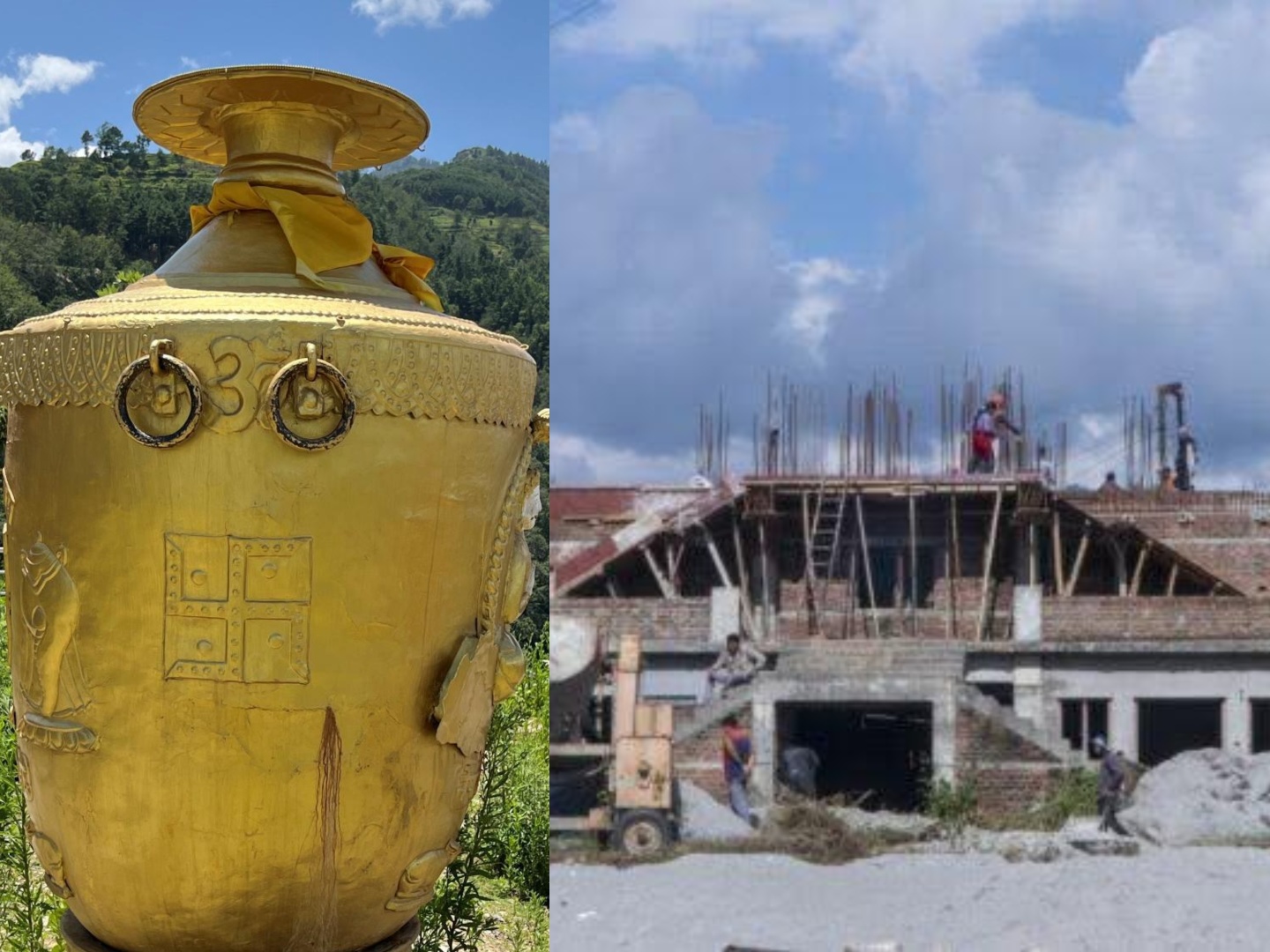
Construction of the 108-foot World Peace Gandaki Kalash at Panchkot in Baglung has gained momentum under a multi-year federal government plan, with the landmark project expected to strengthen the area’s position as a major religious and tourism destination. Construction of the World Peace Gandaki Kalash, a 108-foot-tall religious monument planned at Sarvasiddhidham Panchkot in Baglung Municipality-6, has resumed after years of delays caused by budget constraints.
The Department of Urban Development and Building Construction is implementing the project under a multi-year federal government programme, with NPR 70 million allocated for the current construction phase. The 13-storey concrete structure is being designed to appear 108 feet tall from the outside, with construction currently progressing towards the casting of its third floor. The monument is envisioned as a major attraction within Panchkot, a religious destination that has been developing as a centre for spiritual tourism, pilgrimage, and cultural exploration in western Nepal.
The project was originally conceptualised by Swami Kamalnayanacharya, popularly known as Muktinath Baba, with the vision of transforming Panchkot into a world-class religious and tourism destination. The construction of the Kalash was inaugurated 12 years ago, in 2014, in the presence of former Prime Minister Sushil Koirala and other dignitaries. However, the project remained stalled for an extended period due to a shortage of funds before gaining momentum through the government’s multi-year development programme.
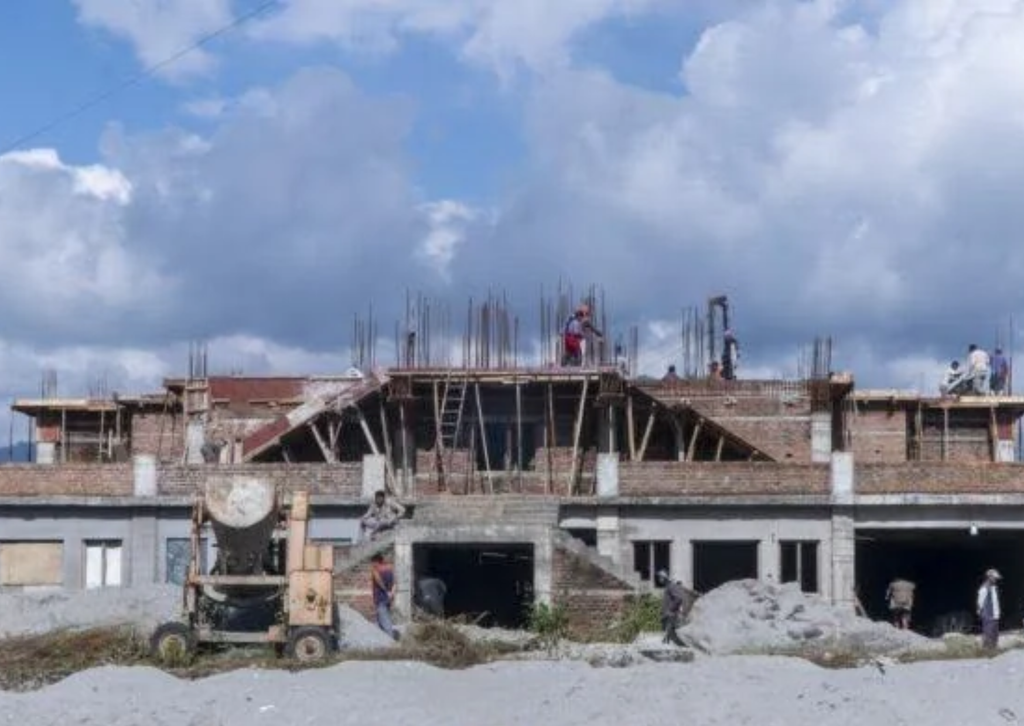
Construction Resumes Under a NPR 70 Million Federal Programme
According to Jagannath Acharya, chairman of the Panchkot Development Council, construction of the Kalash has accelerated over the past year through a multi-year government programme. The exterior structure is being developed through a contract-based construction process, with the current phase receiving NPR 70 million in funding from the federal government. The project aims to complete the exterior construction within the next two years. The planned structure will consist of 13 floors and incorporate a lift facility, while the exterior will be designed to resemble a giant Kalash measuring 108 feet in height. The monument is expected to become one of the most prominent architectural and religious landmarks in the Panchkot area.
The construction of the exterior structure is being undertaken through a government-funded contract, while the development of the Kalash’s architectural appearance and interior components will be supported through donations and contributions from devotees, religious organisations, and other well-wishers. The detailed project report estimates that more than NPR 450 million will be required to complete the Kalash in its entirety. The Panchkot Development Council plans to mobilise resources through government assistance, religious events, fundraising campaigns, and donations from devotees and supporters.
World Peace Gandaki Kalash to Promote Water Conservation and Gandaki Heritage
The World Peace Gandaki Kalash has been envisioned not only as a religious monument but also as a symbol of water conservation, environmental protection, and the cultural significance of the Gandaki civilisation. The structure will represent different forms of rivers and water resources, with the broader objective of raising awareness about the importance of preserving water and natural resources. The Kalash project is intended to highlight the cultural and spiritual connection between water, civilisation, and religious traditions. Its symbolic significance is expected to add another dimension to Panchkot’s religious identity while creating a distinctive attraction for visitors interested in spirituality, architecture, culture, and heritage.
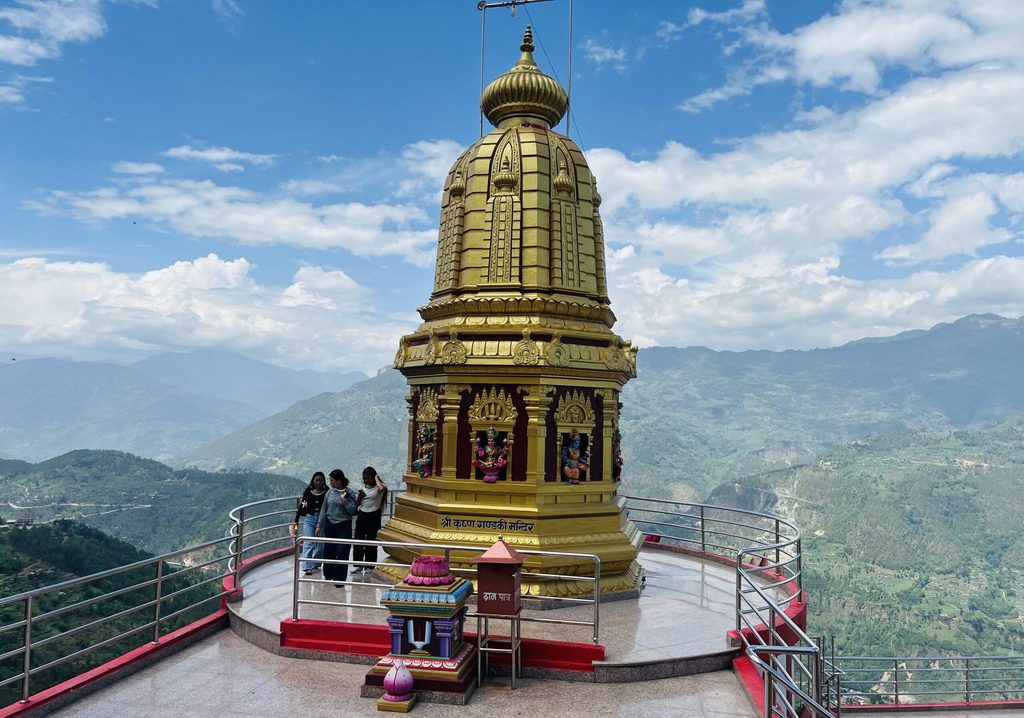
The development of the monument is part of a wider effort to establish Panchkot as a prominent religious tourism destination. The site was conceptualised around the convergence of five hill areas, with Swami Kamalnayanacharya envisioning a spiritual centre that would attract devotees and visitors from across Nepal and beyond. Once completed, the 108-foot Kalash is expected to enhance the destination’s visibility and strengthen its appeal among followers of Vedic and Sanatan Hindu traditions. The project is also anticipated to contribute to the broader promotion of religious tourism in Baglung and the surrounding Gandaki Province.
Panchkot Emerging as a Major Religious and Tourism Destination
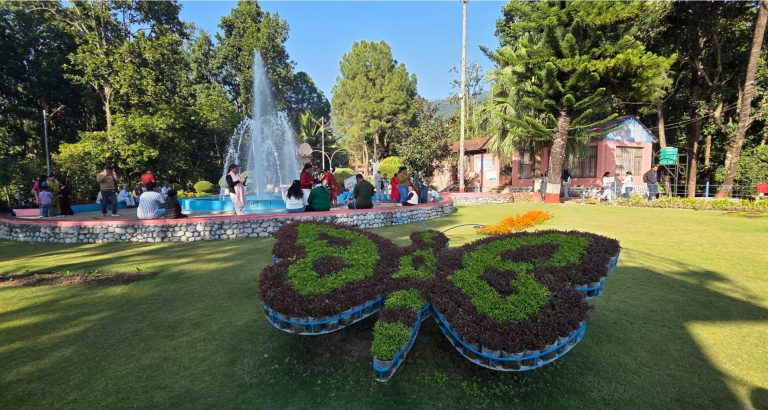
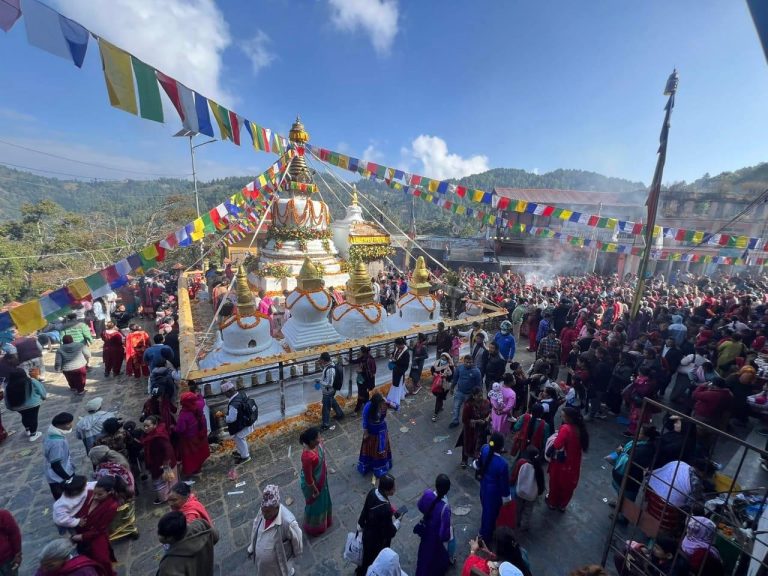
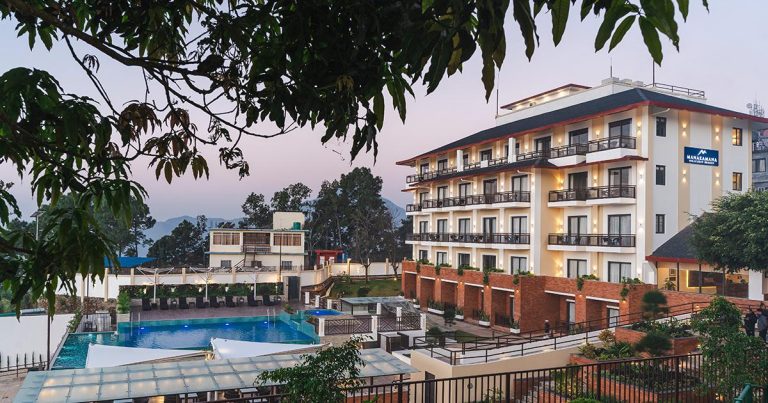
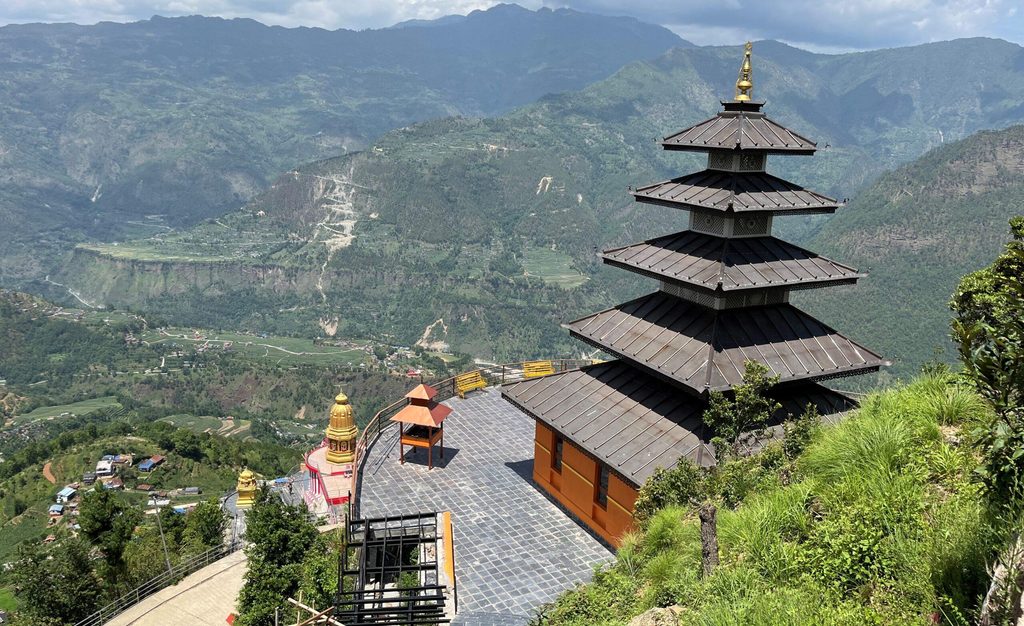
Panchkot has been attracting hundreds of visitors daily for sightseeing, religious visits, and spiritual activities. The destination has gradually developed through the construction of several religious, cultural, and visitor-oriented facilities, making it an increasingly popular place for pilgrimage and tourism. Among the existing attractions and infrastructure at Panchkot are a three-storey residential facility, Gandaki Mata Temple, Shish Mahal, the 5,555-kilogram Maha Ghanta, Hanuman Shila, Garuda Shila, and other religious structures. These facilities have helped establish Panchkot as a destination offering a combination of religious significance, architectural attractions, and scenic surroundings.
The development of the World Peace Gandaki Kalash is expected to further expand the site’s tourism potential by adding a distinctive landmark to its existing attractions. The monument is envisioned as a major spiritual and architectural feature that will draw pilgrims, domestic tourists, and visitors interested in religious heritage and cultural tourism. The project is also expected to support local economic and social development through increased visitor arrivals and tourism-related activities. Greater tourist movement could create opportunities for local businesses, accommodation providers, restaurants, transportation services, and other enterprises connected with the tourism sector.
With construction progressing under the federal government’s multi-year programme, Panchkot is moving closer to its vision of becoming a prominent religious and tourism destination. The completion of the World Peace Gandaki Kalash is expected to further strengthen its identity as a centre of spiritual significance while enhancing Baglung’s tourism profile and contributing to the development of religious tourism in Nepal.
Source-RSS