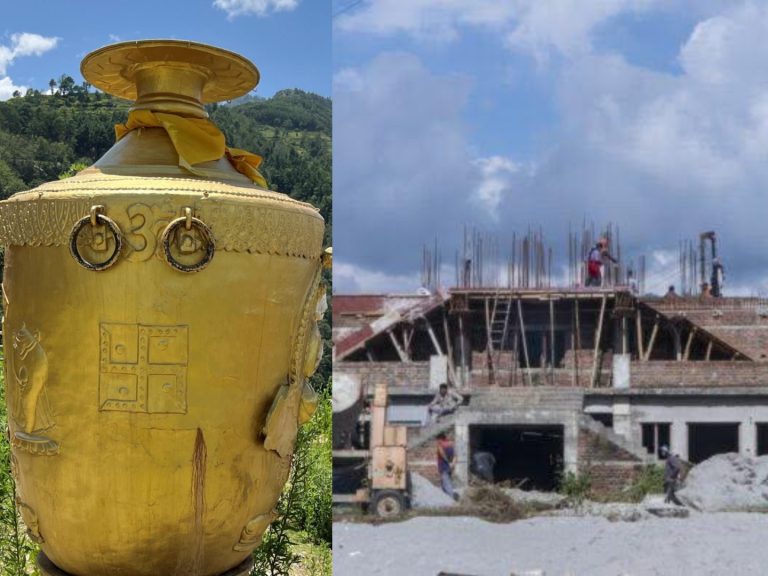
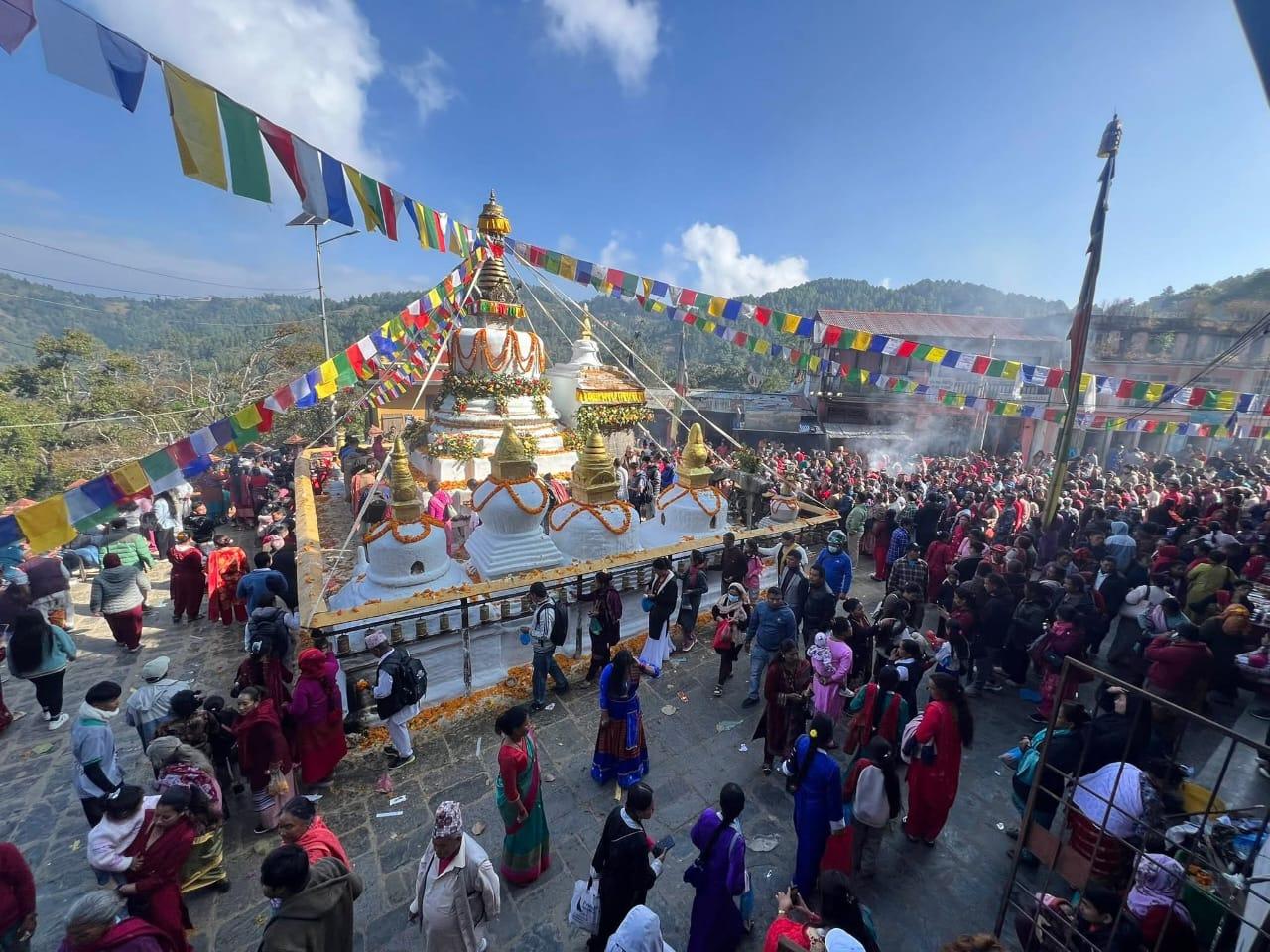
The annual Namobuddha Jatra, one of the significant religious and cultural festivals of Kavrepalanchok, begins today at Namobuddha, a historic Buddhist pilgrimage destination in Namobuddha Municipality-11. The festival commemorates the legendary sacrifice and compassion of Prince Mahasattva, who is believed to have offered his own body to save a starving tigress and her five cubs. The religious festival, celebrated from Kartik Shukla Chaturdashi to the following full moon day, brings together Buddhist devotees, pilgrims, and domestic tourists from different parts of Nepal. The celebration highlights Namobuddha’s religious significance, cultural heritage, and potential as an important destination for pilgrimage and spiritual tourism.
According to Lopsang Bajra Lama, chairman of Namobuddha Guthi, the first day of the festival is observed through an overnight tradition of lighting lamps in memory of deceased ancestors. Special worship and religious ceremonies will take place on Tuesday, Kartik Shukla Purnima, the main day of the festival. Namobuddha Municipality has expected more than 50,000 devotees and visitors to participate in the festival this year, reflecting the destination’s popularity among Buddhist pilgrims and domestic tourists.
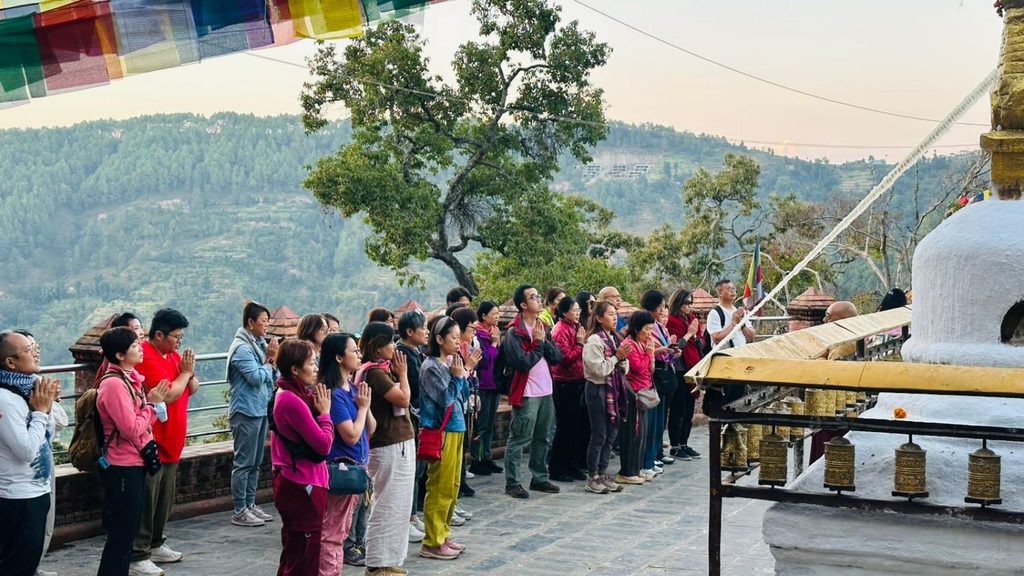
Festival Celebrates the Legendary Sacrifice of Prince Mahasattva
Namobuddha is closely associated with the Buddhist legend of Prince Mahasattva, the youngest son of King Maharath and Queen Satyavati of the ancient Panauti kingdom. According to religious tradition, the prince encountered a starving tigress and her five cubs while visiting the forest of Gandhamadana Mountain with his elder brothers. The tigress, weakened by hunger and unable to feed her cubs, was reportedly on the verge of consuming them. Deeply moved by their suffering, Prince Mahasattva decided to sacrifice himself to save the animals. He sent his elder brothers ahead and remained in the forest to help the tigress and her cubs.
When the tigress initially could not consume his body, the prince is believed to have wounded himself to draw blood and eventually offered his flesh to save the animals from starvation. His extraordinary act of compassion and selflessness is regarded as an important example of the Buddhist principle of generosity and the Bodhisattva ideal. According to the legend, the remains of Prince Mahasattva were collected and a stupa was built at the site in his memory.
The place subsequently became known as Namobuddha, and the annual festival is celebrated to commemorate the prince’s sacrifice, compassion, and devotion to all living beings. The story has made Namobuddha an important spiritual destination for Buddhist followers, while its historical and cultural significance has also attracted visitors interested in Nepal’s religious heritage.
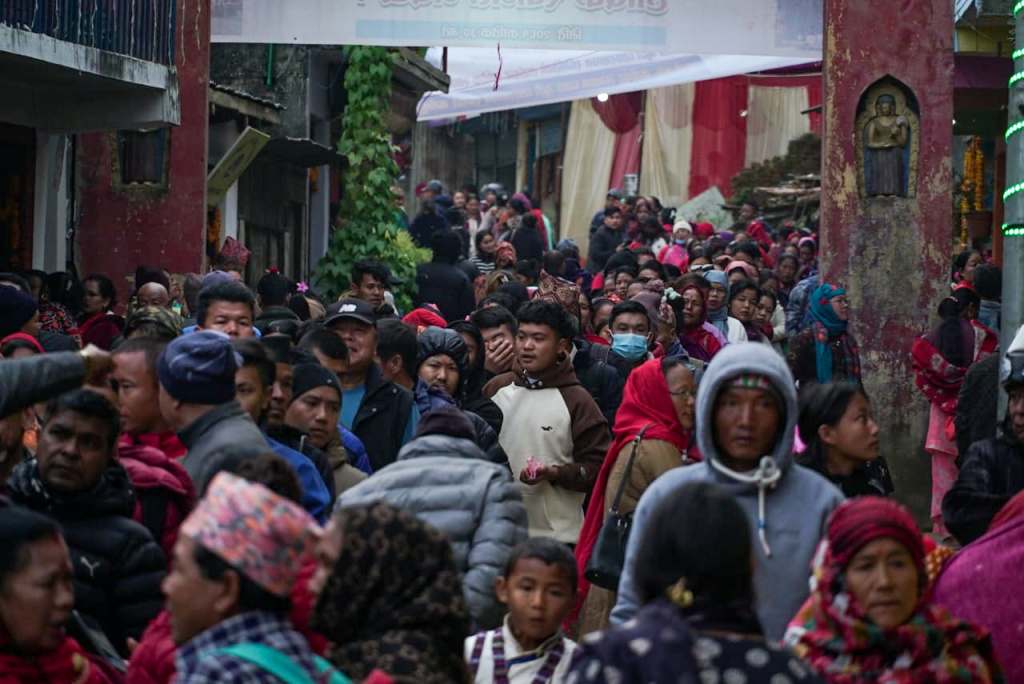
Traditional Rituals and Religious Activities
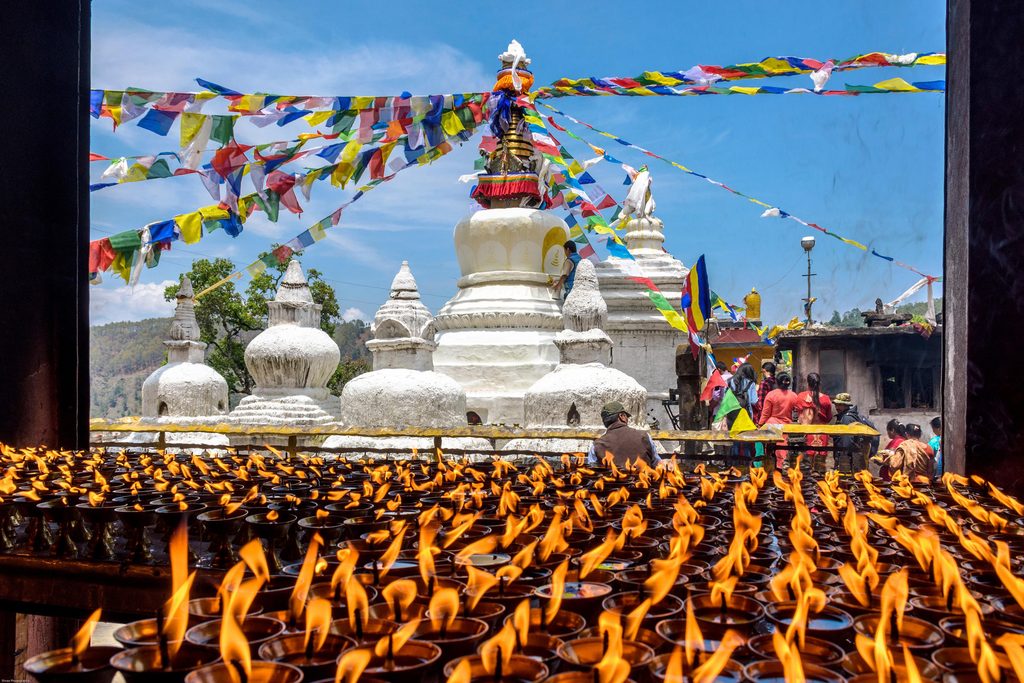
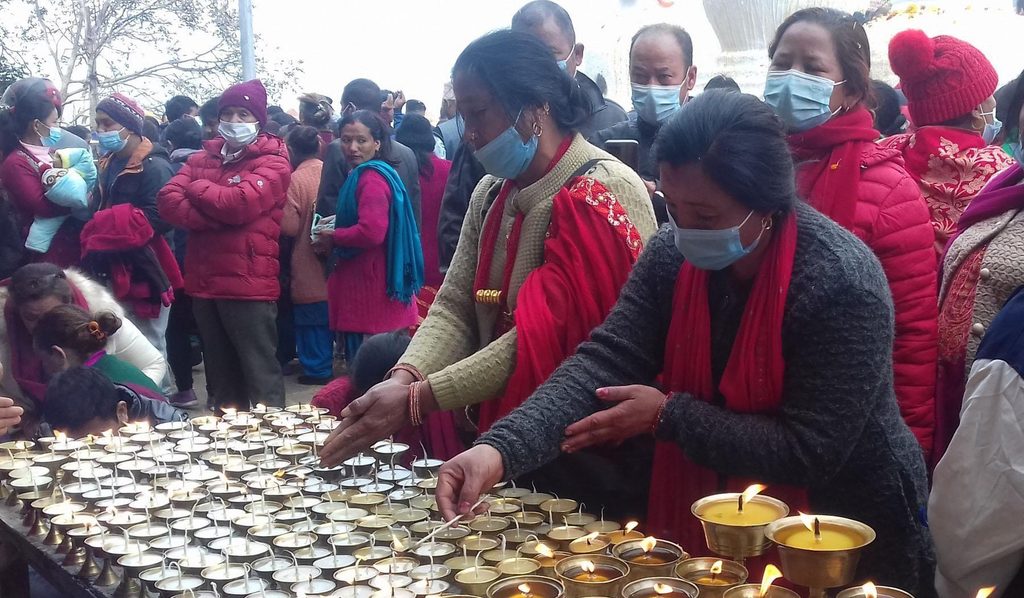
The festival begins with the traditional lighting of lamps throughout the night in remembrance of deceased ancestors. This ritual is observed on the first day of the festival and holds spiritual significance for devotees who visit the sacred site to offer prayers and participate in religious activities. The main celebration takes place on Kartik Shukla Purnima, when devotees gather at Namobuddha for special worship, prayers, and other religious ceremonies. The festival offers an opportunity for Buddhist followers to pay homage to Prince Mahasattva and reflect on the values of compassion, sacrifice, generosity, and the protection of living beings.
During the festival, devotees are expected to visit the sacred stupa and surrounding religious sites, participate in traditional rituals, light butter lamps, and offer prayers. The gathering also provides an opportunity for families and communities to maintain religious traditions and strengthen their cultural connections. Namobuddha’s religious significance extends beyond the annual festival, as the site remains an important destination for Buddhist pilgrims throughout the year. However, the festival period brings a particularly vibrant atmosphere, with large numbers of devotees gathering to observe the rituals and celebrate the spiritual heritage of the destination.
More Than 50,000 Devotees and Tourists Expected
Namobuddha Municipality has estimated that more than 50,000 devotees and visitors will attend the festival during its celebration period. Thousands of Buddhist followers and domestic tourists are expected to travel to the sacred site from Kavrepalanchok, Kathmandu, Lalitpur, Bhaktapur, Sindhupalchok, Ramechhap, Sindhuli, Dhading, and other districts. The festival is particularly significant for visitors from the Kathmandu Valley and surrounding regions, who travel to Namobuddha to participate in religious activities, observe traditional rituals, and experience the spiritual atmosphere of the historic destination.
The expected participation of a large number of visitors is also anticipated to benefit local tourism businesses, including transportation providers, hotels, restaurants, shops, and other service providers. Religious festivals such as Namobuddha Jatra contribute to domestic tourism by encouraging travel to culturally significant destinations and supporting local economic activities. Namobuddha’s location in the hills of Kavrepalanchok, combined with its religious heritage and scenic surroundings, makes it an attractive destination for pilgrimage, cultural tourism, and short excursions. The festival further enhances the destination’s appeal by bringing together religious traditions, community celebrations, and tourism experiences.
Preparations Underway for Visitors’ Convenience and Safety
Namobuddha Municipality, Namobuddha Guthi, and local security agencies have coordinated preparations to ensure the smooth conduct of the festival and facilitate the arrival of devotees and visitors. According to Mayor Kunsang Lama, arrangements have been made for visitor convenience, transportation management, sanitation, and security through coordination among the municipality, the guthi, and local security authorities. The preparations aim to provide a welcoming and organised environment for the large number of people expected to attend the festival.
Proper transportation management, cleanliness, and security arrangements are particularly important during major religious celebrations, when visitor numbers increase significantly. The coordination among local authorities, religious institutions, and security agencies also reflects the importance of community participation in organising religious festivals and promoting destinations as accessible and visitor-friendly tourism sites. With thousands of pilgrims expected to gather, the festival is anticipated to bring renewed activity to the destination while providing visitors with an opportunity to experience the religious, cultural, and spiritual traditions of Namobuddha.
Namobuddha Strengthens Its Position as a Buddhist Tourism Destination
Namobuddha is among Nepal’s important Buddhist pilgrimage destinations, recognised for its association with Prince Mahasattva and the story of his extraordinary sacrifice. The site attracts Buddhist pilgrims from Nepal and abroad who visit to explore its religious heritage, offer prayers, and experience its peaceful surroundings. The annual Namobuddha Jatra further highlights the destination’s significance in Nepal’s religious tourism landscape. By attracting thousands of devotees and domestic visitors, the festival helps promote Kavrepalanchok as a destination for spiritual journeys, cultural exploration, and religious tourism.
The celebration also offers opportunities to preserve traditional religious practices and promote the region’s cultural heritage to a wider audience. The combination of Buddhist history, sacred monuments, traditional rituals, and scenic landscapes provides Namobuddha with considerable potential to attract visitors throughout the year. As the annual festival begins today, Namobuddha is expected to welcome a large gathering of devotees and tourists, celebrating the timeless message of compassion and selflessness associated with Prince Mahasattva while strengthening its reputation as one of Nepal’s prominent religious and cultural tourism destinations.
Source-RSS