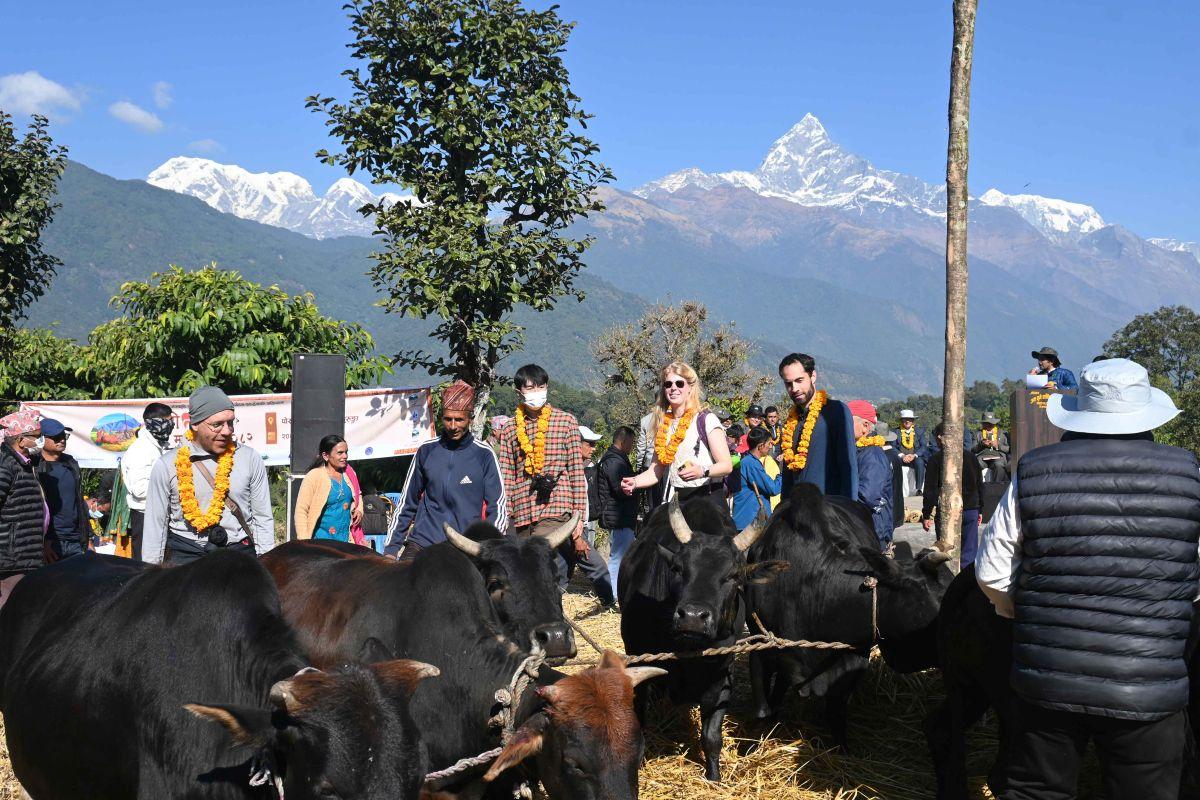
Pokhara is preparing to host the third Daai Festival with the aim of connecting traditional agricultural practices with tourism and preserving Nepal’s rural farming culture. The festival will be organised on Mangsir 12 at Naubise Tole in Lekhnath, Pokhara Metropolitan City–29, under the slogan “Pokhara for All Seasons.” The event aims to introduce visitors to traditional farming practices that are gradually disappearing with the growing use of modern agricultural machinery.
By bringing traditional harvesting activities into a tourism experience, the festival seeks to expand Pokhara’s tourism offerings beyond its lakes, Himalayan views and adventure activities to include rural lifestyles, local traditions and agricultural heritage. According to programme coordinator Hariram Adhikari, the festival is intended to help visitors experience traditional agricultural culture while promoting Pokhara as a destination that offers activities throughout the year. The event is being organised by Pokhara Metropolitan City and the Pokhara Tourism Council, with promotion from the Nepal Tourism Board.
Traditional Farming Practices to Become a Tourism Attraction
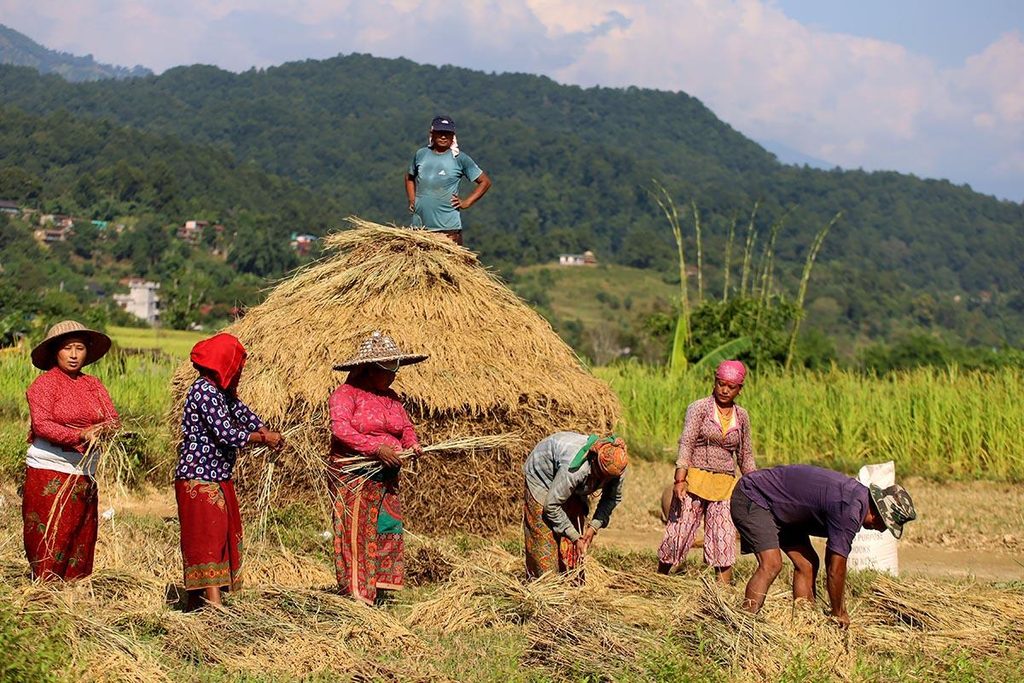
The third Daai Festival will showcase traditional agricultural activities that were once an essential part of rural life in Nepal. These include threshing paddy using oxen, preparing traditional paddy stacks known as kuniya, performing dandera activities and weaving gundri, a traditional mat. As agricultural mechanisation continues to make farming faster and easier, many traditional skills and labour practices are gradually disappearing. The festival aims to preserve these practices by presenting them directly to visitors and introducing younger generations to the agricultural traditions followed by their ancestors.
Manahar Kadariya, Chief of the Economic Development Division of Pokhara Metropolitan City, said the festival seeks to transform traditional farming practices from memories of the past into activities that tourists can observe, understand and experience. He explained that the initiative also aims to promote local agricultural products, protect cultivable land and encourage farmers to continue their profession.
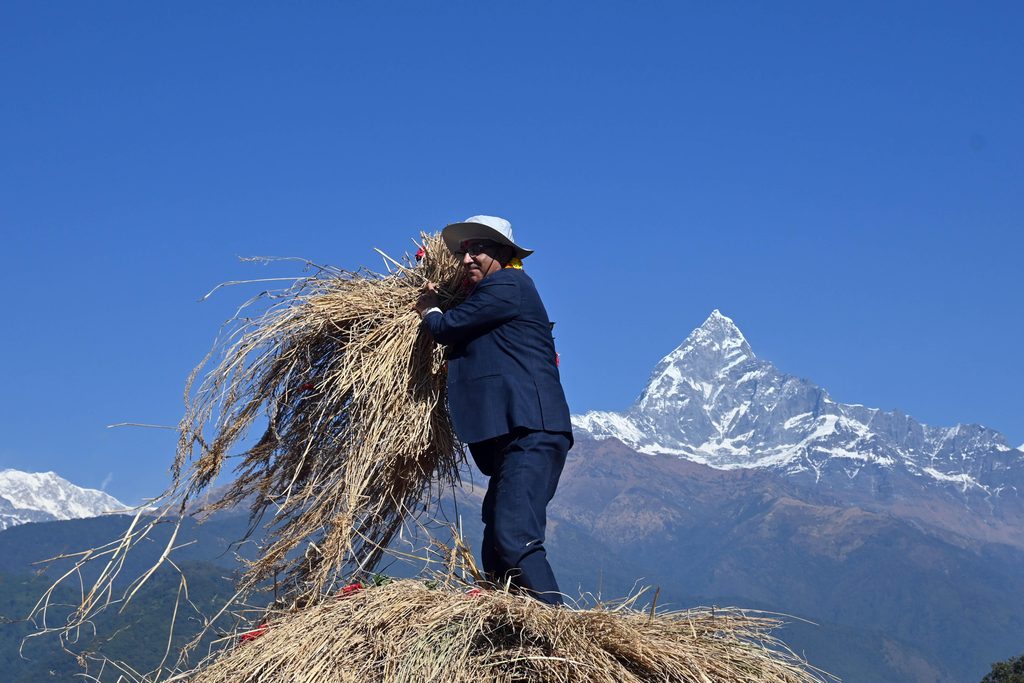
By showcasing traditional farming methods, the event is expected to create greater awareness of the cultural and economic value of agriculture. The festival will provide visitors with an opportunity to observe how traditional harvesting was carried out before modern machinery became common. Activities such as oxen-powered threshing will help demonstrate the skills, techniques and community participation associated with traditional farming.
Festival Builds on Pokhara’s Paddy Plantation Tourism
The Daai Festival was introduced three years ago following growing interest among tourists who participated in Pokhara’s paddy plantation festival. According to Hari Bhujel, President of the Pokhara Tourism Council, visitors who experienced rice planting activities began asking how paddy was harvested. This interest encouraged tourism stakeholders to introduce a separate festival showcasing the traditional process of harvesting and threshing rice.
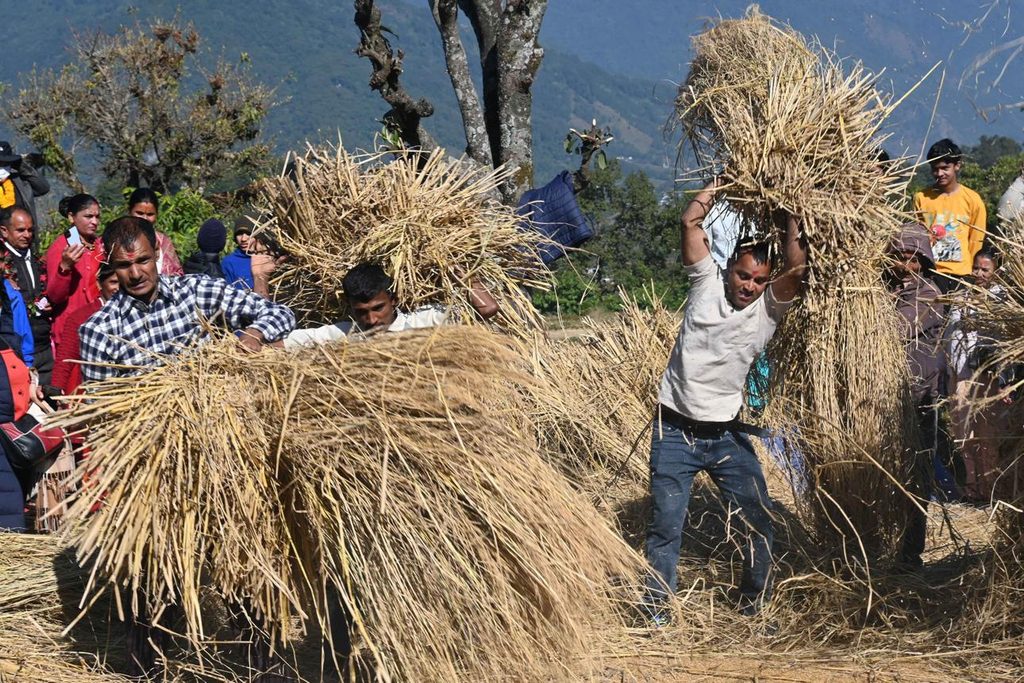
The initiative was developed to allow visitors to experience the agricultural cycle beyond plantation activities and understand how rice is traditionally brought in after cultivation. Bhujel said the festival has gradually developed into an activity connecting agriculture with tourism. At a time when machines are increasingly used for planting, harvesting and storing paddy, the organisers are making efforts to keep traditional methods alive by arranging oxen and demonstrating the conventional threshing process.
The festival also aims to provide a different experience to visitors who usually come to Pokhara for boating, mountain views and adventure activities. Tourists will have an opportunity to visit a rural farming area, watch oxen-powered threshing and become familiar with traditional agricultural practices. By connecting the paddy plantation festival with the harvesting experience, Pokhara’s tourism stakeholders are seeking to develop agricultural activities as an additional attraction for visitors.
Pokhara Promotes Rural Lifestyle and Cultural Experiences
Rajan Paudel, Chief Administrative Officer of Pokhara Metropolitan City, said the Daai Festival is being promoted as a means of preserving traditional agricultural practices and encouraging farmers. He noted that activities focusing on local civilisation, culture and production can contribute to the conservation and promotion of rural heritage. The festival will also allow visitors to understand village life by experiencing farming activities in the fields and comparing traditional agricultural methods with modern practices.
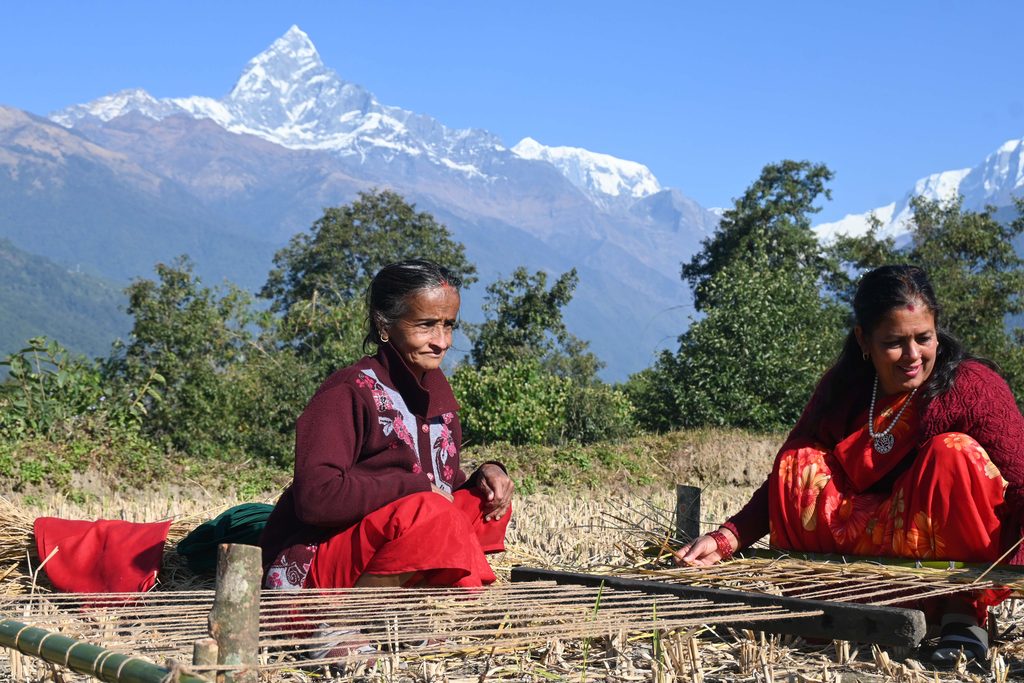
Such experiences can help visitors develop a closer connection with local communities and their way of life. Rather than limiting tourism experiences to conventional sightseeing, the festival aims to introduce the cultural and agricultural identity of the areas surrounding Pokhara. The initiative also highlights the value of cultivable land, local products and traditional skills as tourism resources. By bringing these elements together, organisers hope to create opportunities for visitors to explore rural areas and understand the role of agriculture in local communities.
Agricultural Tourism to Support Pokhara’s Year-Round Appeal
Santosh Pokharel, Executive Member of the Nepal Tourism Board, said distinctive local activities are important for developing Pokhara as a destination capable of attracting tourists throughout the year. He expressed the expectation that the Daai Festival would help strengthen the relationship between agriculture and tourism while contributing to rural tourism promotion. Pokhara has increasingly been recognised as an event destination through festivals, sports competitions and cultural programmes.
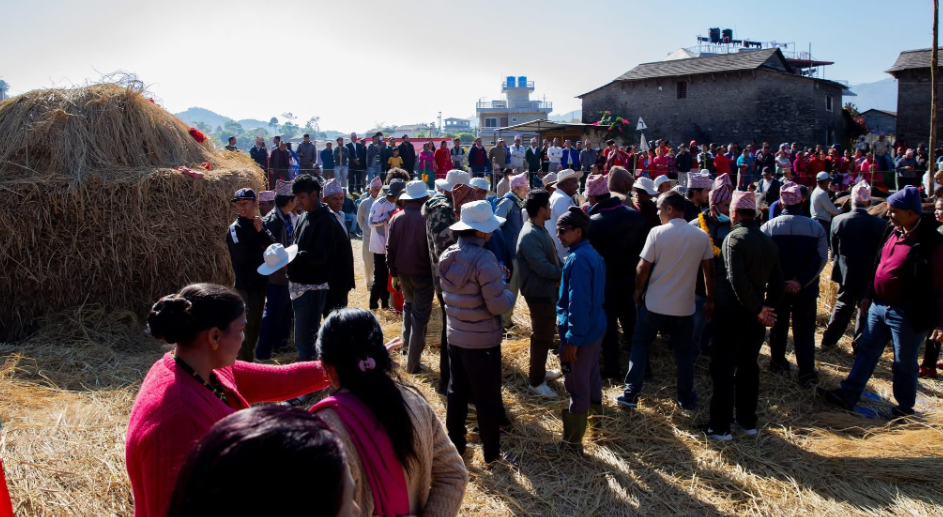
However, offering experiences connected with local lifestyles, traditions and products is equally important for enriching the visitor experience. Pokharel also highlighted the potential of developing regular tourism activities by connecting the agricultural land, local products, rural lifestyles and traditional skills found around Pokhara. Such initiatives could encourage visitors to extend their stays and help stimulate the rural economy. The third Daai Festival represents an effort to diversify Pokhara’s tourism products by presenting traditional agriculture as a cultural experience.
Through demonstrations of traditional harvesting practices and opportunities to engage with rural heritage, the event aims to preserve disappearing agricultural traditions while creating new reasons for tourists to explore the countryside. With the festival taking place under the slogan “Pokhara for All Seasons,” organisers and tourism stakeholders aim to strengthen the city’s appeal beyond its established natural attractions and promote a wider range of experiences throughout the year.