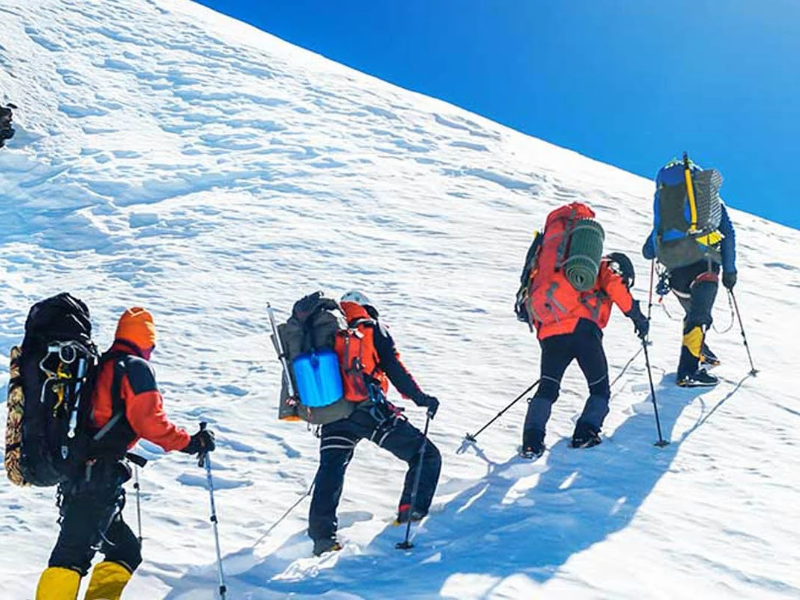
Nepal has strengthened its position as one of the world’s leading mountaineering destinations, issuing climbing permits to 1,633 climbers from 77 countries during the 2026 autumn expedition season. The permits covered 190 expedition teams planning to climb 50 mountains across the country and generated more than Rs 334 million in government royalty revenue. According to the Department of Tourism, the climbers included 1,253 men and 380 women, reflecting international interest in Nepal’s Himalayan peaks during the autumn climbing period.
The season’s figures highlight the continued appeal of Nepal’s mountaineering opportunities, from the country’s renowned eight-thousanders to popular expedition peaks in different Himalayan regions. The government collected Rs 334.29 million in mountaineering royalties, equivalent to approximately US$2.19 million. The revenue demonstrates the economic contribution of expedition tourism, which supports Nepal’s wider tourism industry through climbing activities, trekking, accommodation, transportation, guiding and other services.
Climbers from 77 Countries Choose Nepal for Autumn Expeditions
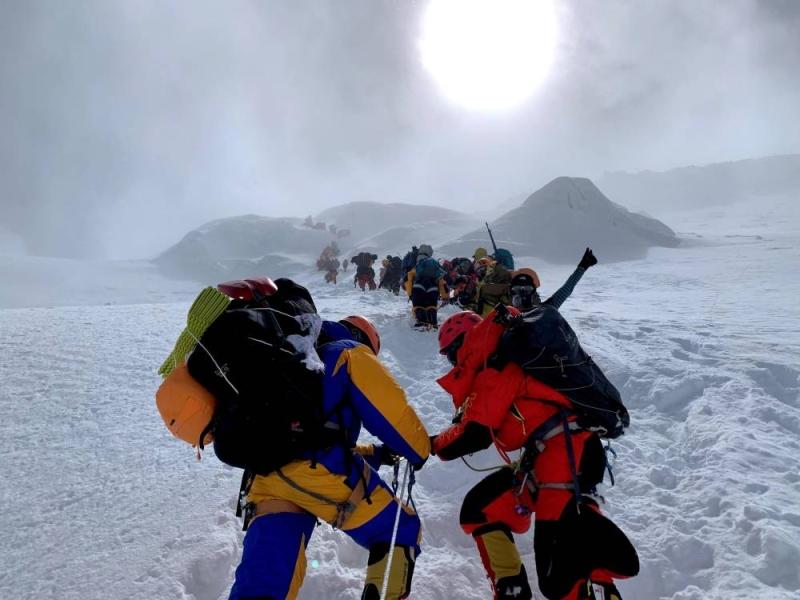
The 2026 autumn season attracted mountaineers from 77 countries, with France accounting for the largest number of permit holders. A total of 150 French climbers received permits, followed by 146 from China and 130 from the United States. Russia ranked fourth with 124 climbers, while the United Kingdom recorded 112 and Germany 102. Nepal itself accounted for 90 climbers, demonstrating domestic participation in the country’s mountaineering sector. Other countries with notable numbers of permit holders included Spain with 56, Switzerland with 52, Australia with 46 and the Czech Republic with 42.
The participation of climbers from Europe, Asia, North America and other regions highlights Nepal’s international reputation as a destination for high-altitude adventure. Its diverse mountain landscape offers opportunities for experienced mountaineers seeking challenging expeditions as well as climbers interested in technically demanding Himalayan peaks. The 190 expedition teams received permits for 50 mountains, indicating that mountaineering activity extended across several regions rather than being concentrated on a single destination. The range of permitted peaks also reflects the diversity of Nepal’s climbing opportunities and the importance of the autumn season in the country’s adventure tourism calendar.
Mount Manaslu Leads Autumn Climbing Activity and Royalty Revenue
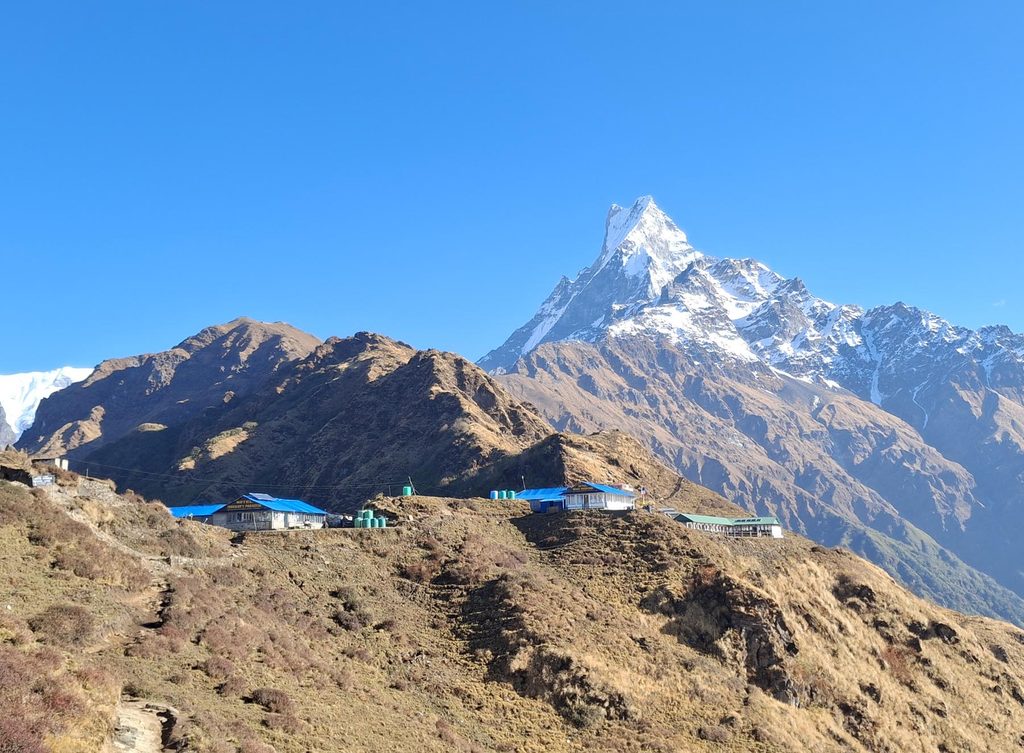
Mount Manaslu, standing at 8,163 metres, attracted the highest number of climbers during the season. According to the Department of Tourism, 500 climbers from 43 expedition teams obtained permits to attempt the mountain. The group included 373 men and 127 women. Manaslu also generated the largest share of mountaineering royalty revenue, contributing Rs 225.86 million to government earnings. The mountain’s popularity among international expedition teams reflects its established position among Nepal’s major high-altitude climbing destinations.
Other major Himalayan peaks also received expedition permits during the autumn season. Dhaulagiri I attracted 37 climbers from six teams and generated Rs 8.47 million in royalties. Makalu received three climbers from one expedition team, contributing Rs 688,050 in government revenue. Himlung Himal recorded 130 climbers from 13 teams, generating Rs 7.97 million in royalties. The mountain remains an important destination for mountaineers seeking high-altitude Himalayan experiences, adding to the range of expedition opportunities available in Nepal.
Ama Dablam and Other Himalayan Peaks Attract Expedition Teams
Ama Dablam was another major attraction during the 2026 autumn climbing season. A total of 476 climbers from 40 expedition teams secured permits for the mountain, generating Rs 71.35 million in royalty revenue. The number of permits issued for Ama Dablam highlights its continued popularity among international climbers. Known for its distinctive mountain profile and technical climbing routes, the peak is an important part of Nepal’s mountaineering portfolio and attracts expedition groups from different parts of the world.
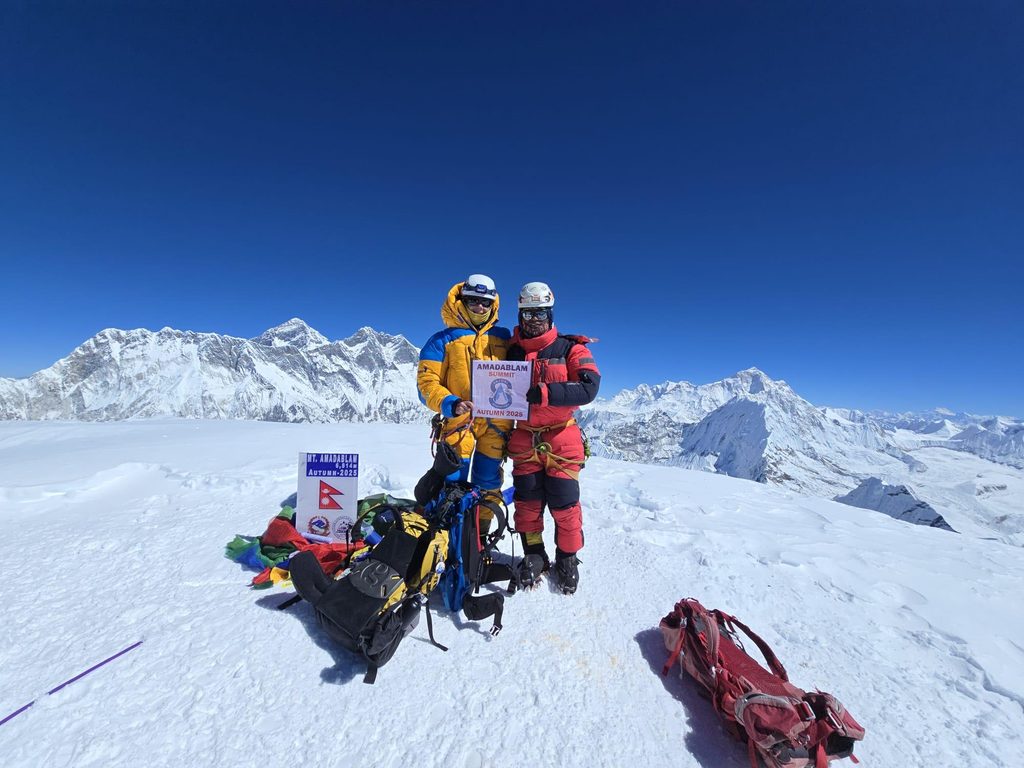
The Department of Tourism also issued permits for a wide range of other Himalayan mountains. These included Putha Hiunchuli, Danga Hiunchuli, Baruntse, Gangapurna West (Langchenel), Thorong Peak, Norbu Khang, Annapurna IV, Chamlang, Lamjung Himal and Pumori. Additional permitted peaks included Saribung, Thapa Peak (Dhampus), Pokharkhang, Ardang, Jugal and Peri. The variety of destinations demonstrates the geographical spread of Nepal’s mountaineering activities and the opportunities available to climbers interested in exploring different sections of the Himalayas.
Mountaineering Revenue Supports Nepal’s Adventure Tourism Sector
The collection of Rs 334.29 million in mountaineering royalties underlines the economic importance of Nepal’s climbing industry. Permit revenue is one part of the wider contribution of expedition tourism, which creates business opportunities for trekking and expedition operators, climbing guides, support staff, accommodation providers, transport companies and local communities. Mountaineering expeditions also contribute to Nepal’s international tourism profile by attracting climbers who travel specifically to experience the country’s Himalayan landscapes. Their journeys often involve extended stays, logistical arrangements and support services across mountain regions, creating opportunities for tourism businesses beyond the main urban centres.
The participation of 1,633 climbers from 77 countries during the autumn season reinforces Nepal’s position in the international adventure travel market. With 50 mountains included in the season’s permits, the country’s Himalayan range continues to offer a broad selection of expedition destinations for international and domestic mountaineers. The 2026 autumn season’s permit figures and royalty collection highlight the continuing role of mountaineering in Nepal’s tourism economy. The country’s diverse peaks, established expedition routes and international recognition remain important strengths in attracting adventure travellers and supporting the growth of Himalayan tourism.