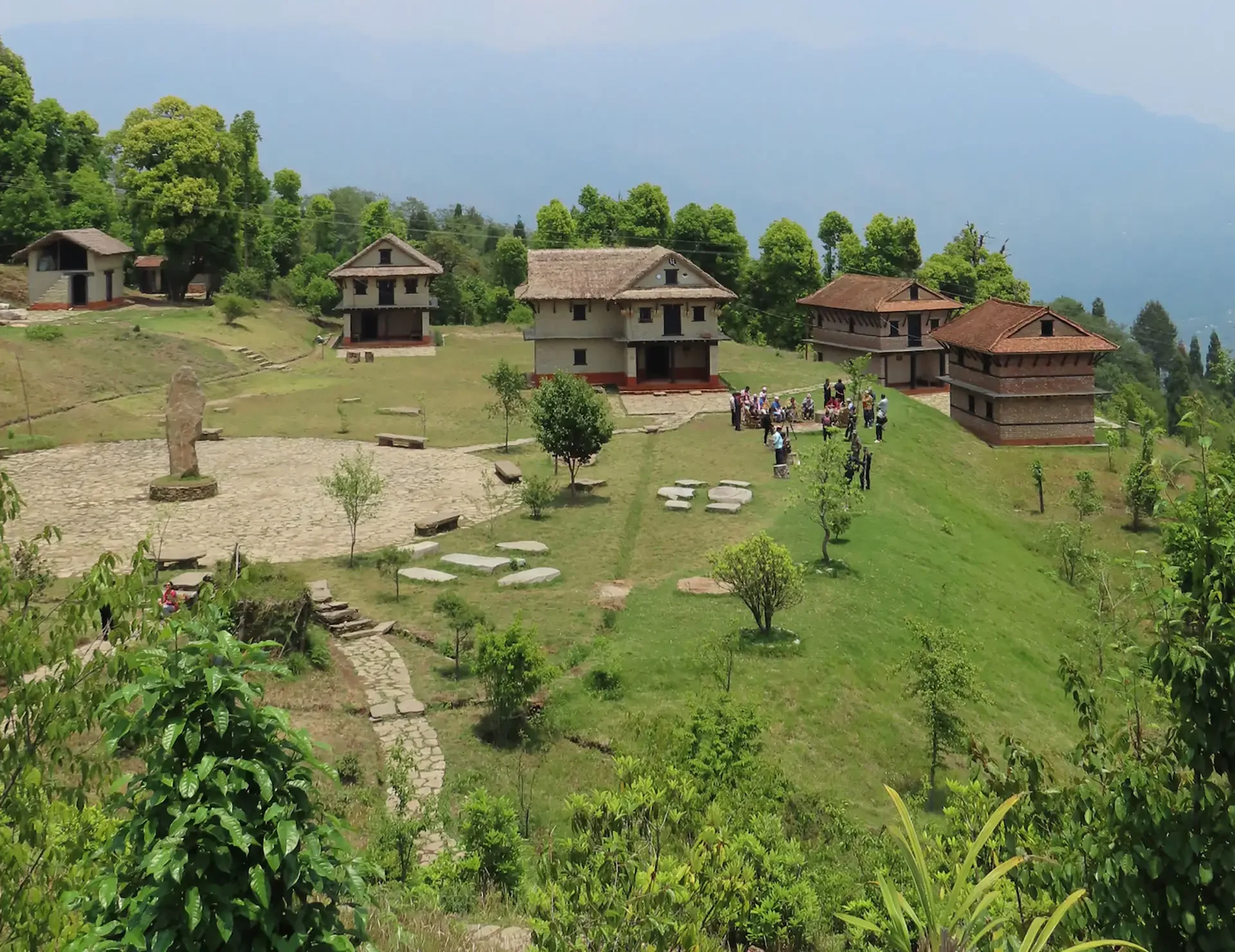
The world-renowned magazine TIME has featured Nepal’s community homestays in its prestigious list of “Greatest Places of 2025.” The recognition highlights the growing global appeal of Nepal’s community-based tourism efforts. The article notes that the Community Homestay Network (CHN) is playing a vital role in connecting travelers with local communities, offering immersive cultural experiences while promoting sustainable tourism.
Community Homestay Network
The fastest way to feel the pulse of a destination is by getting to know its people. In Nepal, this philosophy takes a meaningful shape through the Community Homestay Network (CHN), a pioneering initiative that connects travelers with local families in the country’s more authentic, lesser-explored regions. What begins as a short stay often results in lifelong friendships, deep cultural exchange, and sustainable economic impact.
Started in 2012 with a single homestay in Panauti, the initiative has flourished under the guidance of Royal Mountain Travel, one of Nepal’s leading tour operators and a longstanding advocate for sustainable tourism. Over the years, CHN has expanded to include more than 200 homestay properties spread across 18 communities in Eastern and other regions of Nepal.
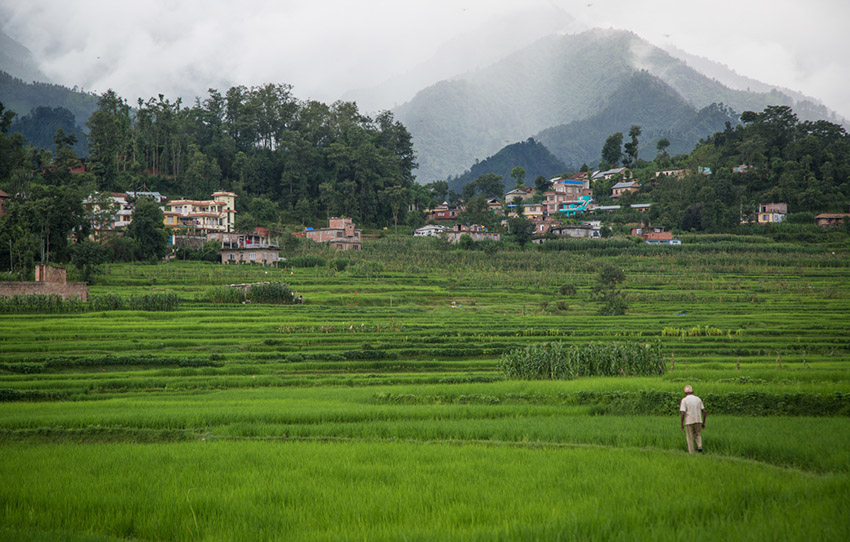
What sets CHN apart is its commitment to genuine cultural immersion and community empowerment. Rather than promoting tourism centered around luxury resorts or bustling cities, CHN focuses on connecting guests with the everyday lives of Nepalese families. Travelers are invited to live with hosts in their own homes, sharing meals, participating in daily routines, and gaining a profound understanding of Nepal’s diverse culture and traditions.
Among the many hosts, Mina Koirala, a resilient widow and grandmother in Panauti, stands as a shining example of empowerment through tourism. “I didn’t want to have to ask anyone for money, I wanted to be independent,” she shares. By opening her home to visitors, Mina has not only achieved financial independence but has also become a cultural ambassador. Her homestay offers more than just a room, it’s an experience.
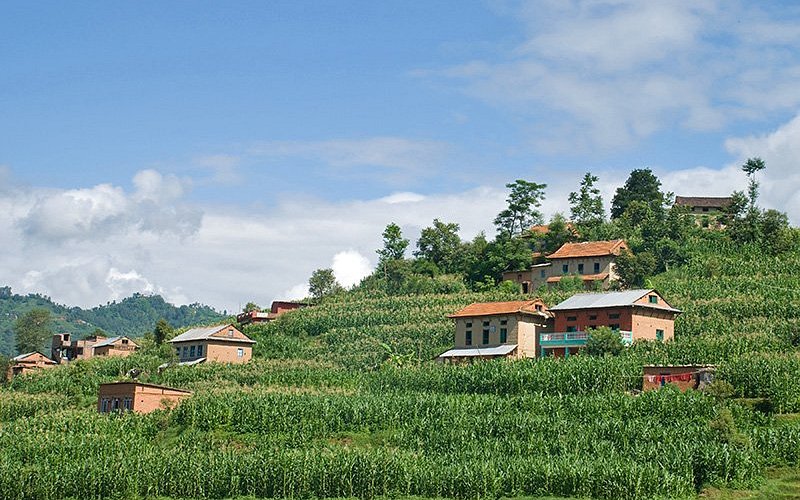
Mina’s guests often find themselves learning how to fold momo (Nepalese dumplings) in her cozy kitchen or donning traditional Newari attire for a suku bhwe, a festive community feast. It’s these personalized interactions that make CHN homestays memorable. Moreover, Panauti, rich in history and currently being evaluated for UNESCO World Heritage status, provides an ideal backdrop for such immersive experiences. The city’s 13th-century Newari temples and medieval architecture add to its charm and cultural significance.
But CHN’s vision extends beyond cultural tourism. The organization collaborates with local governments to promote less-visited regions of Nepal and diversify the country’s tourism map. By encouraging travelers to go off the beaten path, CHN plays a key role in spreading the economic benefits of tourism more evenly. This is especially important in rural areas where alternative income sources are limited.
To make these lesser-known areas more attractive, CHN has developed a variety of immersive experiences such as cycling tours, pottery workshops, agricultural activities, and traditional art classes. These experiences not only enrich a tourist’s journey but also create jobs, revive traditional crafts, and support entire communities.
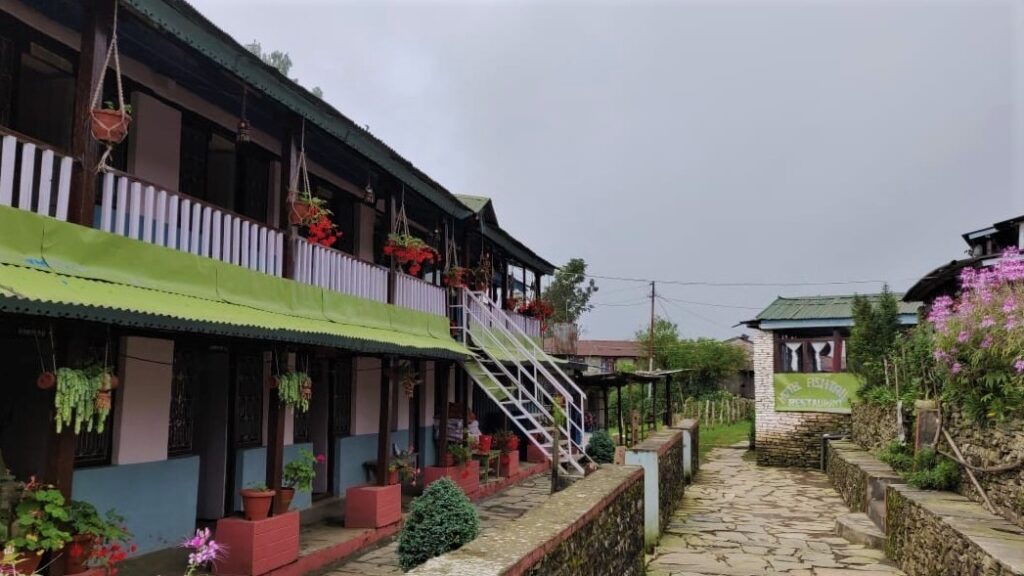
Moreover, all hosts under the CHN network are required to follow strict hygiene and safety standards. Whether you’re a solo traveler, a couple, or a family, you can expect a clean, safe, and welcoming environment. These standards ensure consistency and trust, two essential elements for a positive tourism experience.
By fostering cross-cultural exchange, supporting grassroots economies, and preserving Nepal’s diverse heritage, the Community Homestay Network is redefining what tourism can look like in the 21st century. It’s not just about visiting a place, it’s about becoming part of it, even if only for a few days.
As global travelers become increasingly mindful of their impact, CHN’s model presents a responsible and rewarding way to explore Nepal. For visitors, it offers a window into the soul of the country. For locals like Mina Koirala, it provides purpose, dignity, and a platform to showcase their stories and traditions to the world.