Currently, monsoon winds have spread across the country, bringing significant weather changes and raising alerts for potential natural disasters. According to the Weather Forecasting Division, the monsoon’s low-pressure line is currently located in the vicinity of the average position, intensifying rainfall across various regions of Nepal.
With the country now fully under the influence of the monsoon system, the Division has reported that weather conditions will remain partially to generally cloudy throughout the day and night, accompanied by sporadic rainfall and thunderstorms, particularly in hilly and mountainous regions.

Rain and Thunder Forecast for Hilly Areas
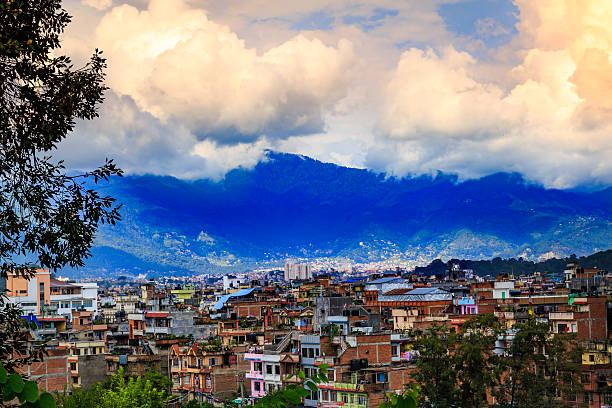
This afternoon, the Division forecasts light to moderate rainfall with thunder and lightning in some parts of the hilly areas of Bagmati, Gandaki, and Lumbini provinces. The localized rainfall, although typical for this time of year, is expected to bring intense showers in short durations, especially in the mid-hills.
In addition to these regions, heavy rainfall is also likely in one or two places within Gandaki, Karnali, and Sudurpaschim provinces. Such rainfall could be accompanied by strong winds, lightning, and poor visibility, especially in elevated terrains.
Snowfall in the Highlands and Mountains
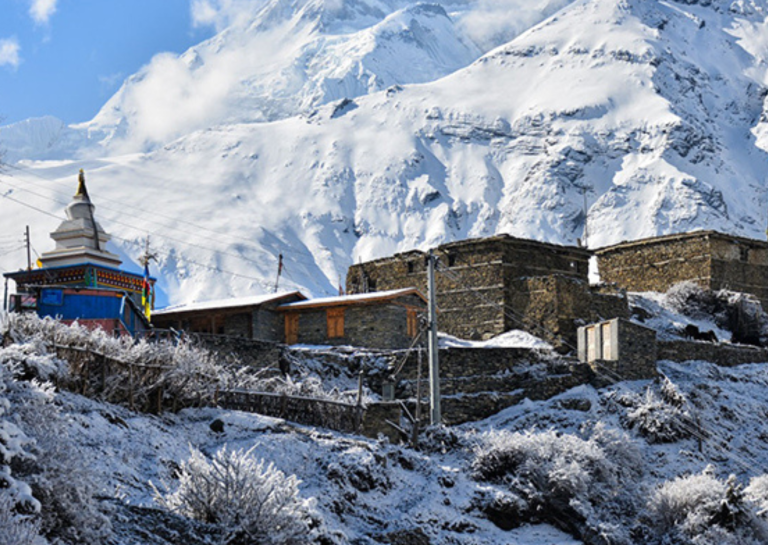
With cooler temperatures prevailing in the upper elevations, the Division has also warned of light to moderate snowfall in some parts of the high hills and mountainous regions. This is particularly relevant for the Himalayan belts in eastern and central Nepal, where trekking and mountaineering activities may be impacted.
The combination of rain and snow, especially in areas with fragile geology, poses risks to infrastructure and access routes in high-altitude settlements and trekking trails.
Nighttime Weather Pattern Remains Similar
The forecast for tonight remains consistent with the day’s pattern. Most parts of the country will continue to experience partially to generally cloudy conditions. In hilly regions of Koshi, Gandaki, Lumbini, Karnali, and Sudurpaschim provinces, the Division predicts light to moderate rainfall with thunderstorms.
Further, heavy rainfall is again likely in one or two areas of Koshi, Gandaki, Lumbini, and Sudurpaschim provinces, indicating a prolonged phase of intense monsoonal activity. Travelers and residents in these regions have been urged to stay indoors during heavy rain periods and be cautious of rapidly changing weather conditions.
Flood and Landslide Risks Elevated
In light of these forecasts, the Weather Forecasting Division has issued warnings regarding the increased risks of floods and landslides, especially in vulnerable hilly and mountainous areas.
The Division has specifically called upon the urban population and those residing in Terai lowlands to remain alert for possible inundation. With water levels in both major and minor rivers and streams expected to rise, there is a real danger of flash floods and riverbank overflows in several regions.
Landslide-prone districts like Myagdi, Gorkha, Rukum, and Baitadi are considered at high risk during such weather events. The public is advised to keep updated with local alerts and avoid travel through known landslide corridors during heavy rainfall.
Call for Precaution and Preparedness
In its official notice, the Division strongly urged all citizens, local governments, and disaster response agencies to stay vigilant and take necessary precautions. Preparedness measures include:
- Keeping emergency kits ready in landslide-prone areas.
- Avoiding unnecessary travel during heavy rainfall and thunderstorms.
- Ensuring proper drainage systems in urban and Terai towns to prevent flooding.
- Maintaining constant communication between disaster relief agencies and local communities.
The Division emphasized that the coming days may see continuing episodes of heavy monsoon rains, and as such, coordination between weather services, local bodies, and the general public is crucial to minimize damage and ensure safety.
Tourism and Travel Impacts Expected
This active monsoon phase is also expected to significantly impact tourism activities, especially in trekking zones of Annapurna, Manaslu, Langtang, and Dhaulagiri regions. Trekkers and domestic travelers have been advised to postpone or reschedule trips and consult with local guides and authorities for route safety.
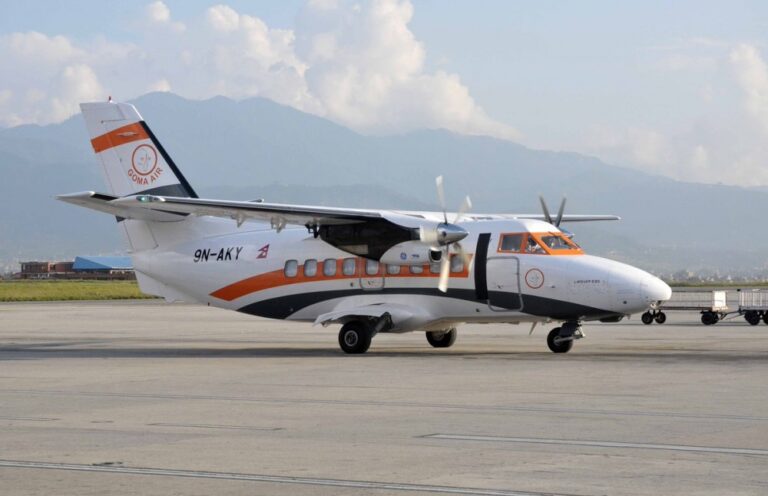
Air travel in domestic sectors may also face delays or cancellations due to poor visibility and unstable weather.
Stay Updated and Safe
As monsoon activity continues to dominate Nepal’s weather pattern, the government and meteorological authorities are maintaining round-the-clock surveillance. The public is encouraged to follow daily weather bulletins issued by the Department of Hydrology and Meteorology and adhere to safety instructions. The unpredictability of monsoon patterns means preparedness is key. With proper awareness and timely action, the nation can mitigate the impact of seasonal weather hazards while ensuring public safety.