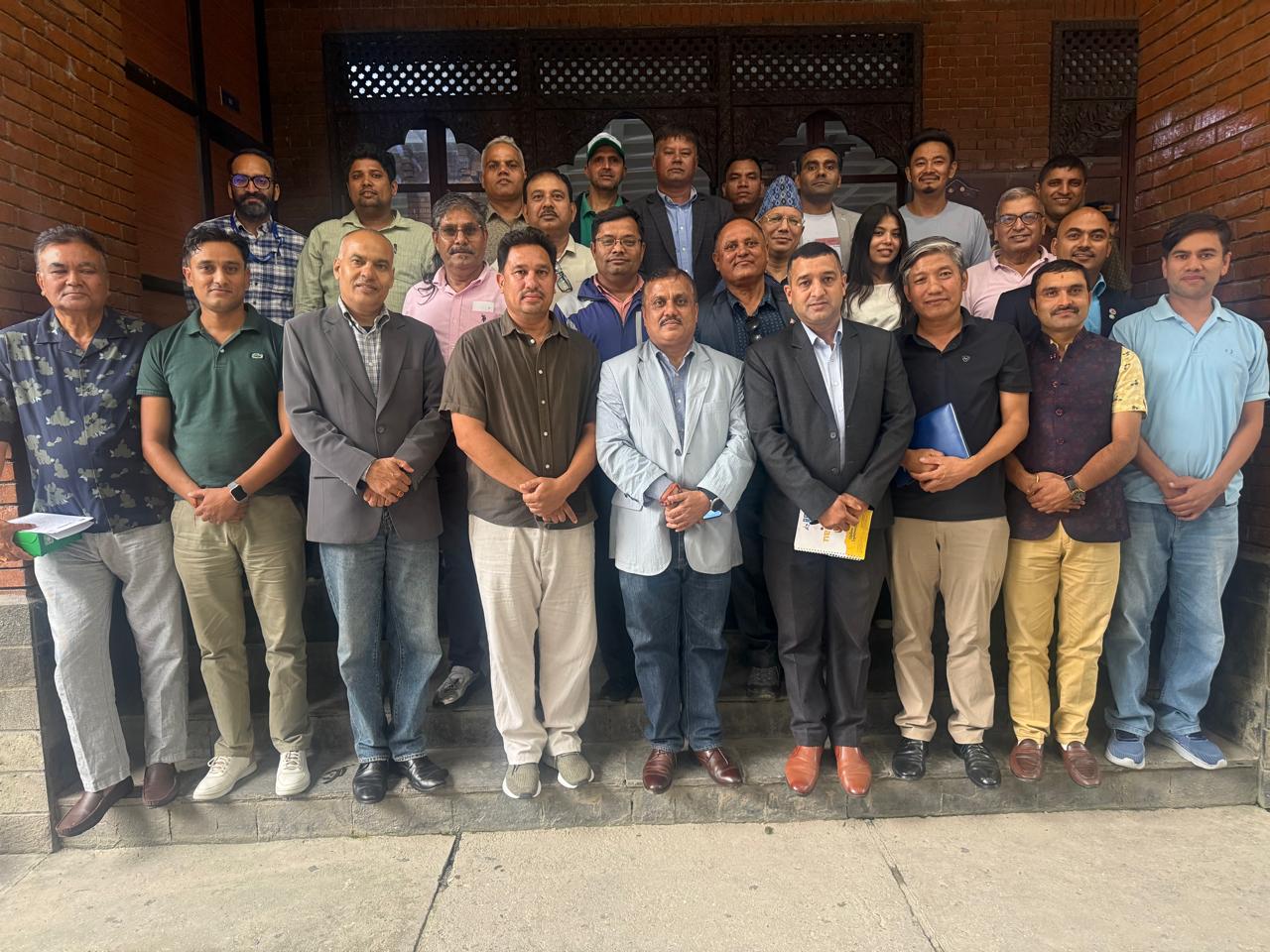
The Government of Nepal is preparing a series of measures to support the recovery of the tourism sector affected by the Bhotekoshi and Trishuli river floods, including detailed damage assessment, alternative road and trekking routes, border access, and stronger international communication.
The initiatives of the government are aimed at assessing the extent of human and physical damage in the tourism sector and developing a coordinated tourism recovery programme for the affected areas.
Rapid Response Team to Assess Tourism Sector Damage
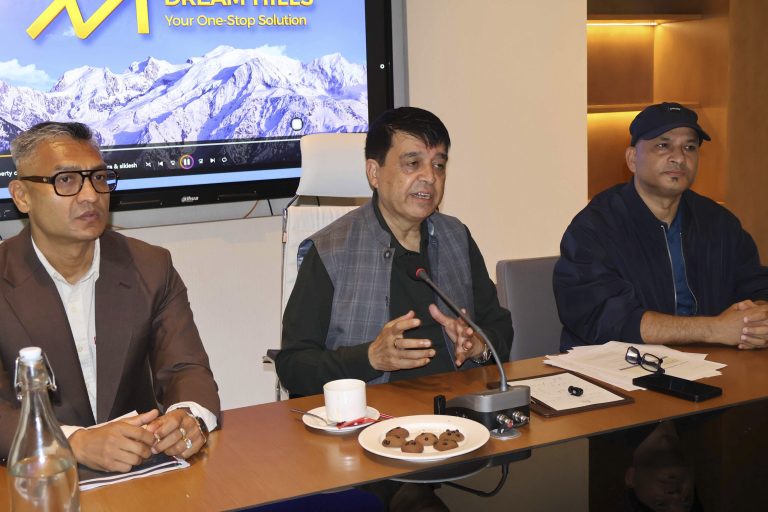
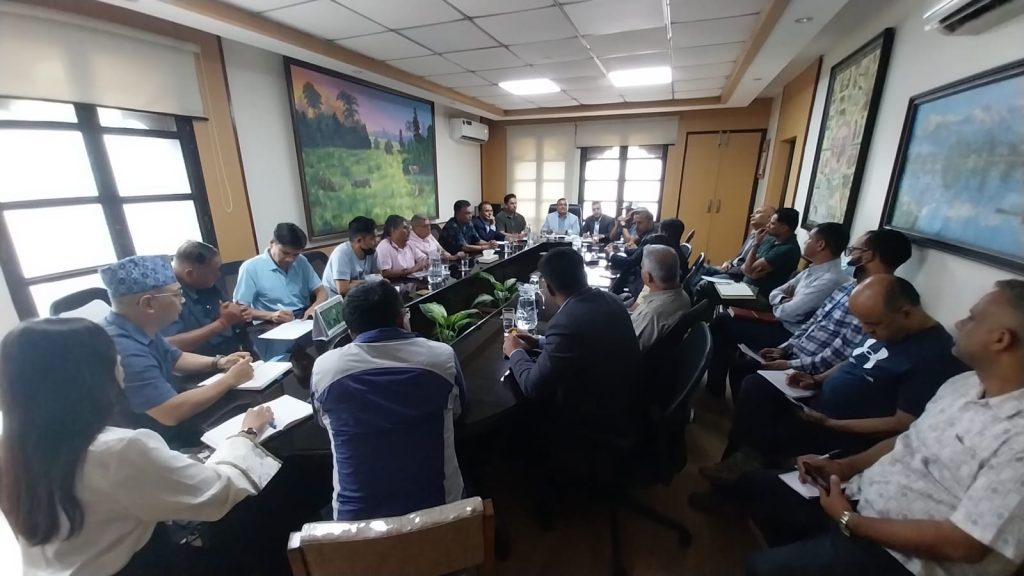
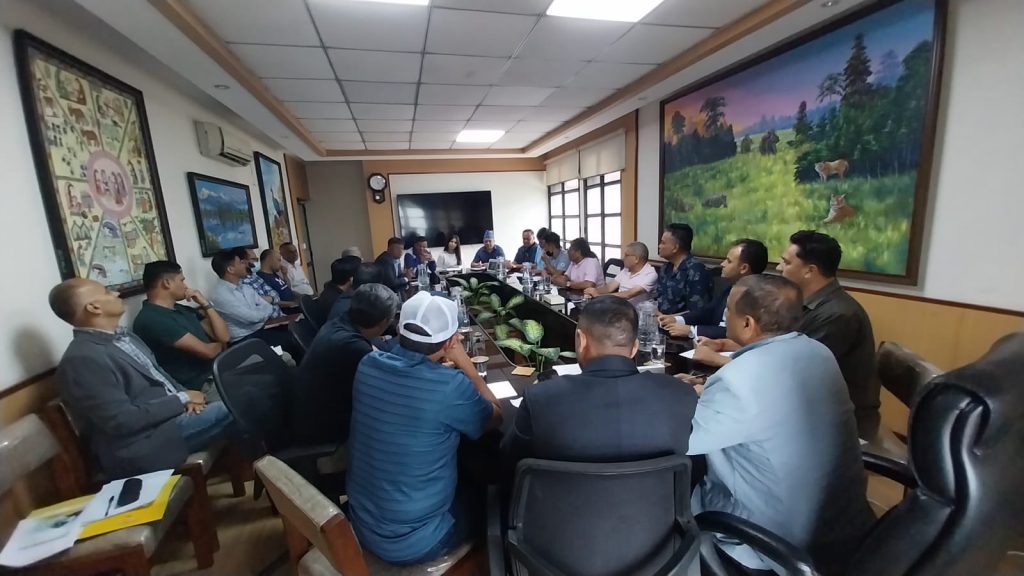
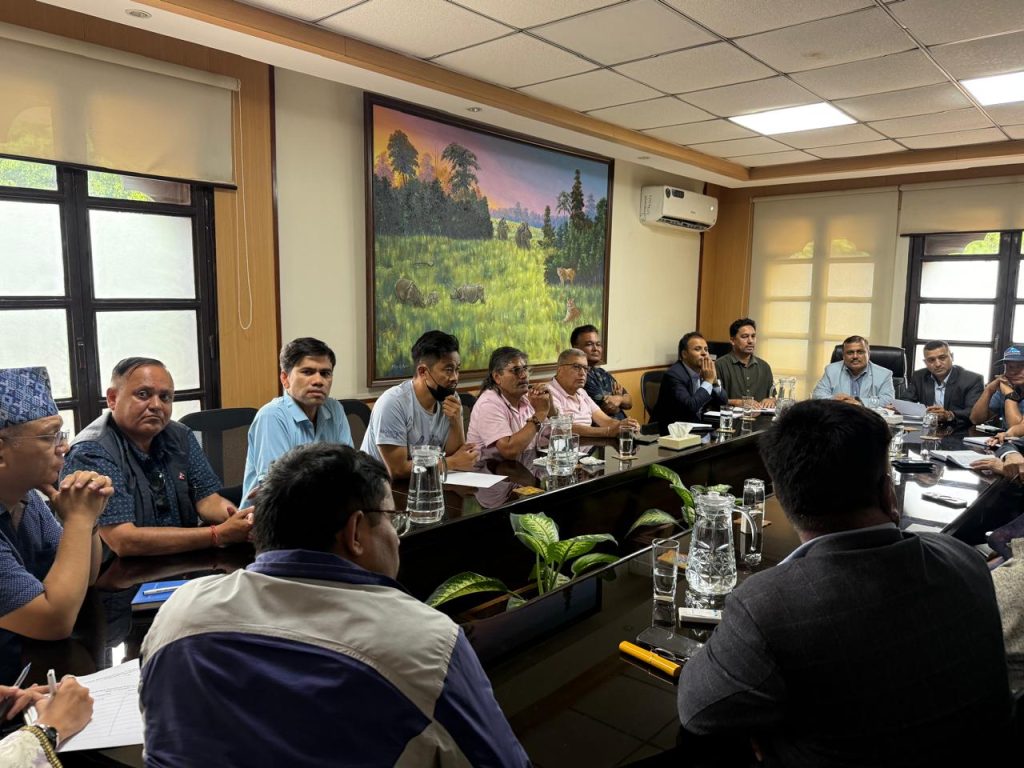
A meeting of the Rapid Response Team (QRT), formed under the coordination of Nepal Tourism Board Executive Committee Member Sahadev Dhamala, along with Disaster Management Coordinator Hikmat Singh Ayer, decided to collect detailed information on the human and physical losses suffered by tourism service providers in Rasuwa, Nuwakot, Dhading and Gorkha.
The meeting was held in line with the decision of Minister for Culture, Tourism and Civil Aviation Khadak Raj Paudel ‘Ganesh’.
The assessment will cover tourism businesses operating in the affected districts, including hotels, restaurants and other tourism service providers.
Online Form to Collect Damage Details
The meeting decided to modify the damage assessment form currently being used by the Government of Nepal according to the specific requirements of the tourism sector.
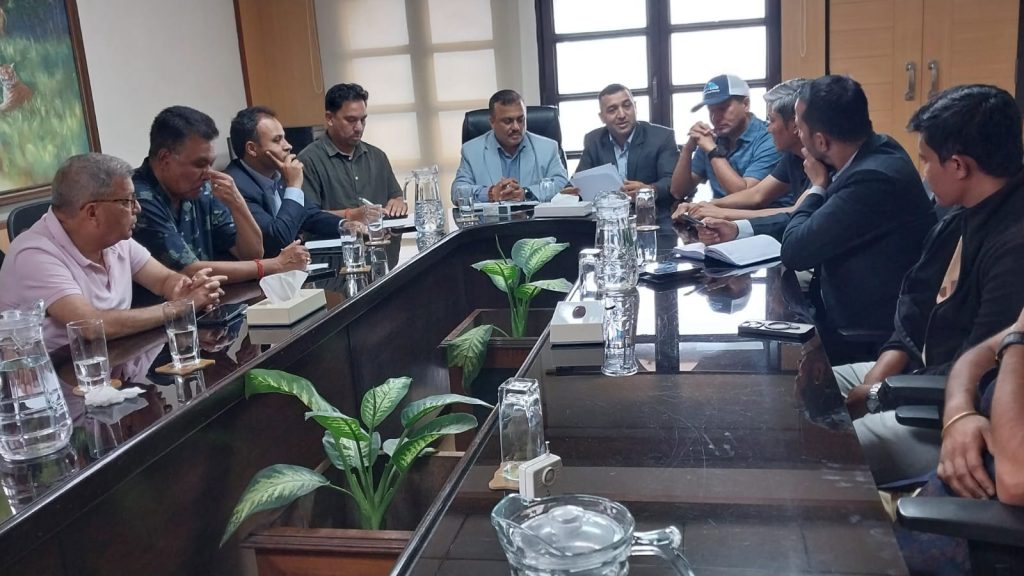
The revised form will be used to collect details of losses suffered by hotels, restaurants and other tourism-related businesses in the flood-affected areas.
The form will be made available online to facilitate the collection of information from affected tourism service providers.
The collected data is expected to provide a clearer picture of the overall impact on the tourism industry and help authorities design targeted recovery and support programmes.
Tourism Recovery Cycle to Be Developed
The meeting also decided to coordinate among the Ministry of Culture, Tourism and Civil Aviation, Department of Tourism and Nepal Tourism Board to prepare a ‘Tourism Recovery Cycle’ for the affected areas.
The proposed framework is expected to guide the tourism sector through different stages of recovery, from damage assessment and immediate response to infrastructure restoration and the eventual revival of tourism activities.
Alternative Border Route Proposed for Kailash–Mansarovar Pilgrimage
The meeting also decided to request the Government of Nepal to initiate diplomatic efforts for the operation of an alternative Nepal–China border crossing for the Kailash–Mansarovar pilgrimage.
The initiative is aimed at minimizing the potential impact of the flood and related infrastructure disruption on pilgrims travelling to Kailash–Mansarovar through Nepal.
The alternative route could provide an additional access option if existing routes face prolonged disruption.
Bailey Bridges Proposed for Langtang Trekking Season
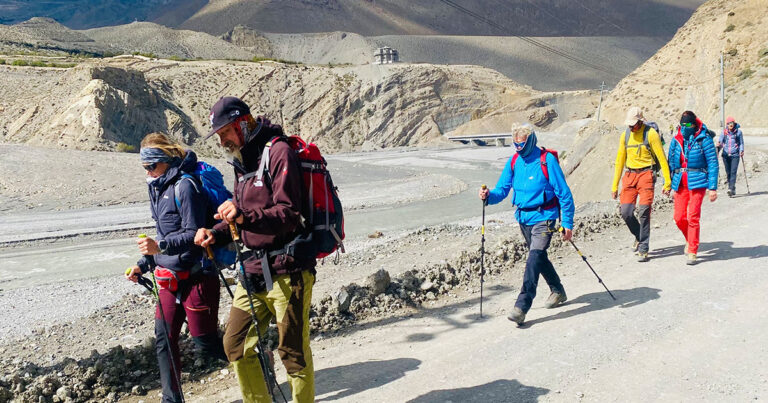
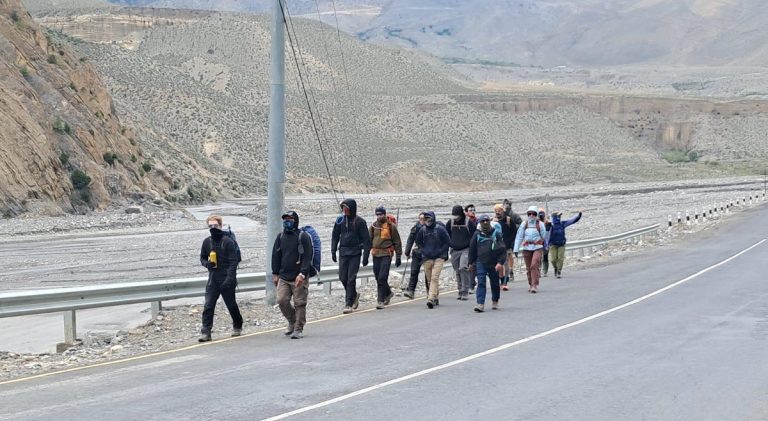
The meeting decided to request the Government of Nepal to construct Bailey bridges at necessary locations in the Langtang region to facilitate trekking activities during the ongoing season.
The temporary bridges are expected to help restore connectivity in areas where existing infrastructure has been damaged by floods and landslides.
The meeting also decided to prepare a map of an alternative road route to Dhunche, Rasuwa, as part of efforts to maintain access to the region.
Regular Road Updates for Tourists
Authorities also plan to establish a system for providing tourists with regular and reliable information about road conditions.
Under the proposed arrangement, information regarding road operations and accessibility will be collected from the Traffic Police Office and Tourist Police and published through the Nepal Tourism Board’s social media platforms.
The initiative is intended to ensure that tourists receive timely information before travelling to potentially affected areas and can make informed decisions based on the latest road conditions.
Focus on Communicating That Other Destinations Remain Safe
The meeting emphasized the need to effectively communicate that tourism destinations and services outside the flood-affected areas of Nepal continue to operate safely.
Officials and tourism stakeholders agreed that communication should be based on the actual situation on the ground, with regular and credible updates prioritized to prevent misinformation and unnecessary concern among potential visitors.
The initiative is expected to help distinguish between the areas directly affected by the disaster and the many other destinations across Nepal that continue to welcome tourists.
Nepal to Strengthen International Tourism Communication
The meeting also decided to coordinate with international tourism organizations, including the United Nations World Tourism Organization (UN Tourism) and PATA, to provide the international community with accurate information about Nepal’s tourism situation.
Efforts will also be made to engage with representatives of international media organizations based in Nepal.
The initiative aims to ensure that international audiences receive factual and timely information about the impact of the floods, ongoing recovery efforts and the operational status of tourism destinations across the country.
Broad Participation From Tourism Industry Stakeholders
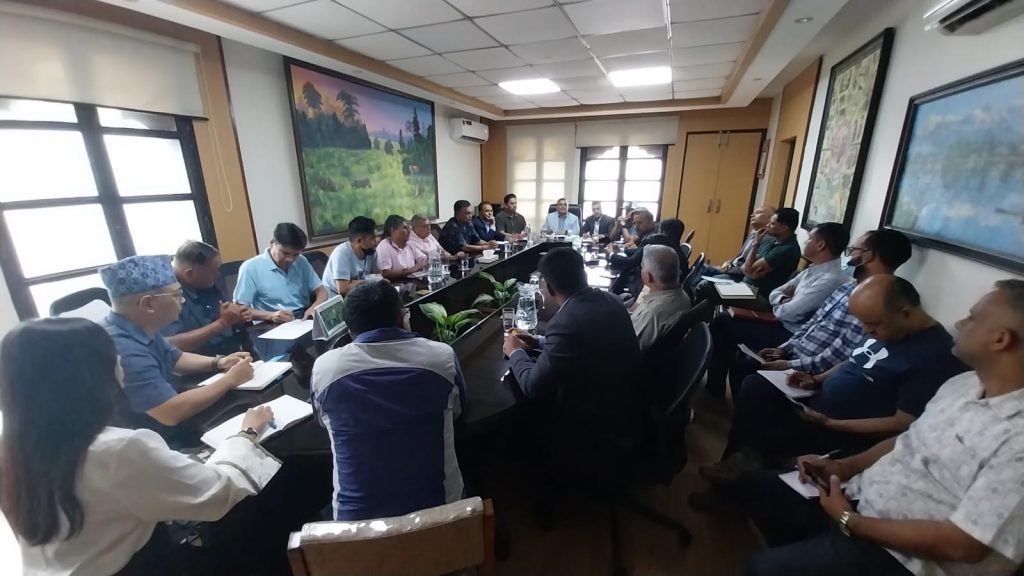
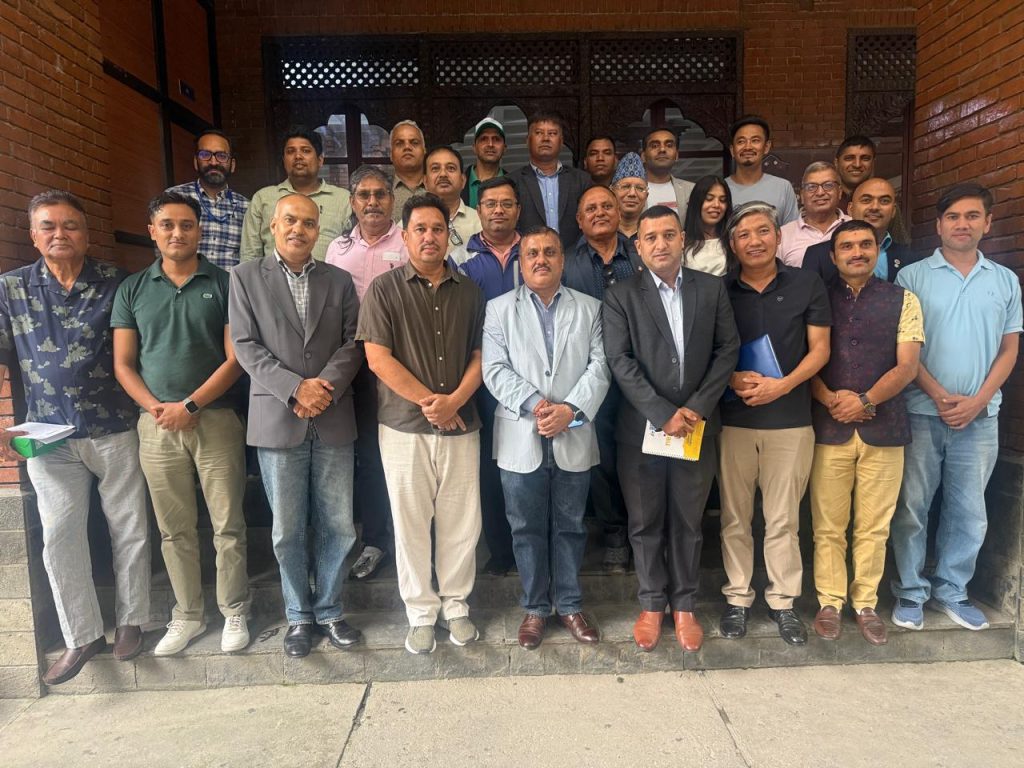
Representatives from a wide range of tourism organizations participated in the meeting.
Participants included Hotel Association Nepal (HAN) President Binayak Shah, Trekking Agencies’ Association of Nepal (TAAN) President Sagar Pandey, Nepal Association of Tour and Travel Agents (NATTA) President Bharat Jung Pandey, as well as representatives from the Nepal Mountaineering Association, PATA Nepal Chapter President Khem Lakai, Hotel Entrepreneurs Federation, Restaurant and Bar Association Nepal, Himalayan Rescue Association, Nepal Association of Rafting Agencies, Expedition Operators Association Nepal, Nepal Tourism Transport Entrepreneurs Association, Nepal Tourist Bus Association, Kailash Operators Association, Tourist Guide Association of Nepal, Nepal Association of Tour Operators and Society of Travel and Tour Operators.
The broad participation reflects an effort to bring government agencies and private-sector tourism organizations together in developing a coordinated response to the impact of the Bhotekoshi–Trishuli floods.
Coordinated Recovery Effort Planned
The measures agreed at the meeting indicate that tourism recovery efforts will focus on both immediate connectivity and longer-term sectoral rehabilitation.
From collecting detailed damage data and restoring trekking routes to exploring alternative border access and strengthening international communication, authorities and tourism stakeholders are seeking to minimize the long-term impact of the disaster on Nepal’s tourism industry.
The emphasis on accurate information and continued communication is also expected to play an important role in maintaining international confidence in Nepal while recovery work continues in the affected areas.