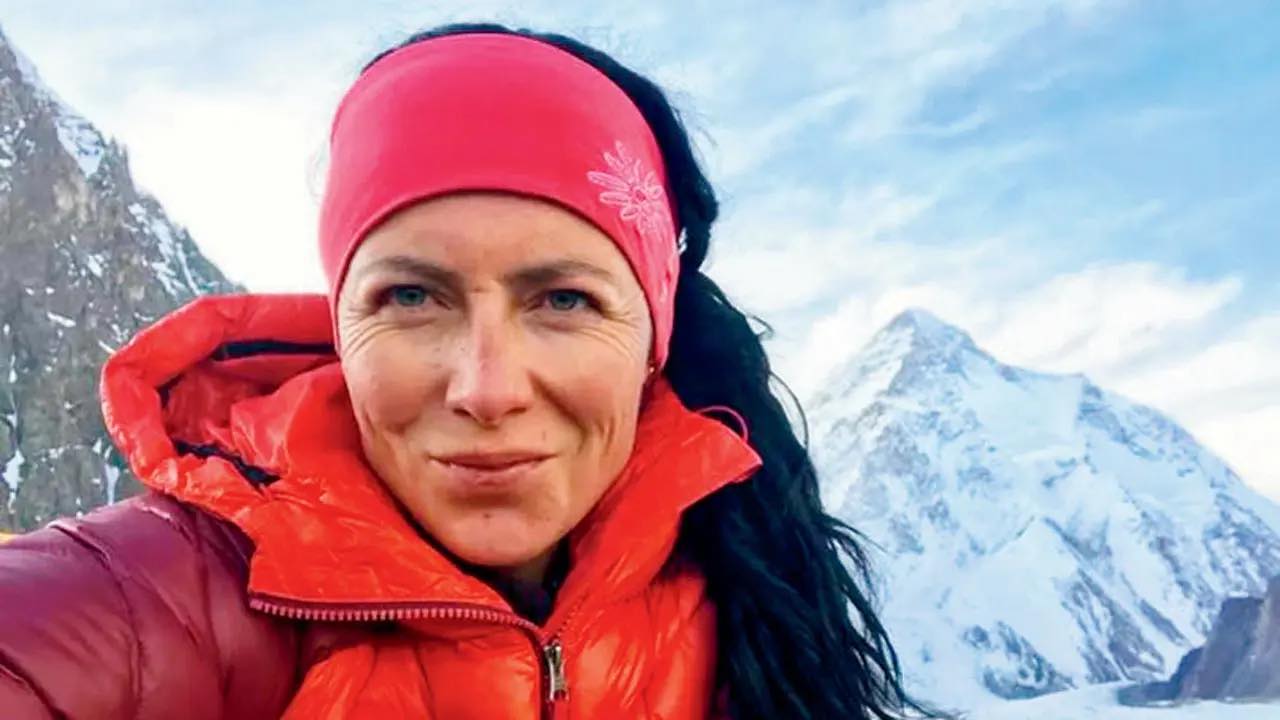
In a tragic incident on one of the world’s most dangerous peaks, 46-year-old Czech mountaineer Klara Kolouchova lost her life after falling from a steep section of Nanga Parbat, the ninth-highest mountain in the world. The accident occurred between Camp 1 and Camp 2 in the early hours of the morning, around 4:00 a.m. local time, according to officials in Diamer, Gilgit-Baltistan.
Klara was part of a seven-member expedition team that included her husband and other international climbers. The team had arrived in Pakistan on June 15 and had reached Nanga Parbat Base Camp two days later to begin acclimatization and preparations for the summit attempt.
The Alpine Club of Pakistan confirmed the incident and expressed condolences, noting the difficulty of the rescue and retrieval operation due to the mountain’s notoriously harsh conditions. “She reportedly fell while traversing between Camp 1 and Camp 2, a particularly exposed and challenging part of the mountain,” said a spokesperson for the club.
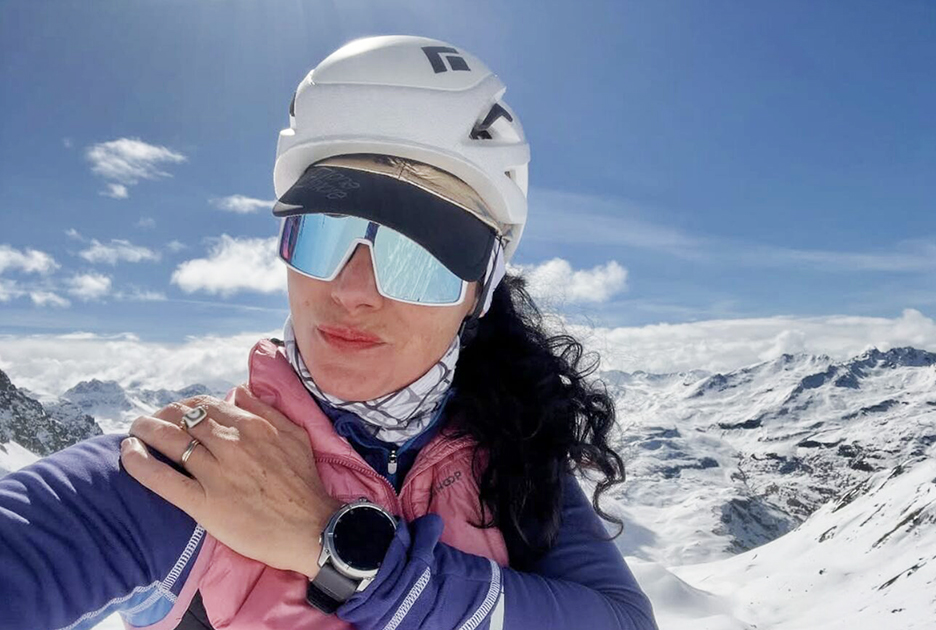
Body Remains at the Site Amid Difficult Recovery Efforts
As of now, Klara Kolouchova’s body remains at the site of the fall, as efforts to retrieve it are being hampered by the mountain’s extreme altitude and treacherous terrain. Nanga Parbat, also known as the “Killer Mountain,” stands at 8,126 meters (26,660 feet) and has claimed the lives of dozens of climbers over the decades, due to its technical difficulty and susceptibility to avalanches and sudden weather shifts.
High-altitude rescue officials and Sherpa porters have been dispatched to the location to assess and attempt a retrieval operation, but the process is expected to be slow and dangerous. “The terrain is extremely steep, icy, and unstable. Safety of the recovery team is our top priority,” said one of the local rescue coordinators involved in the operation.
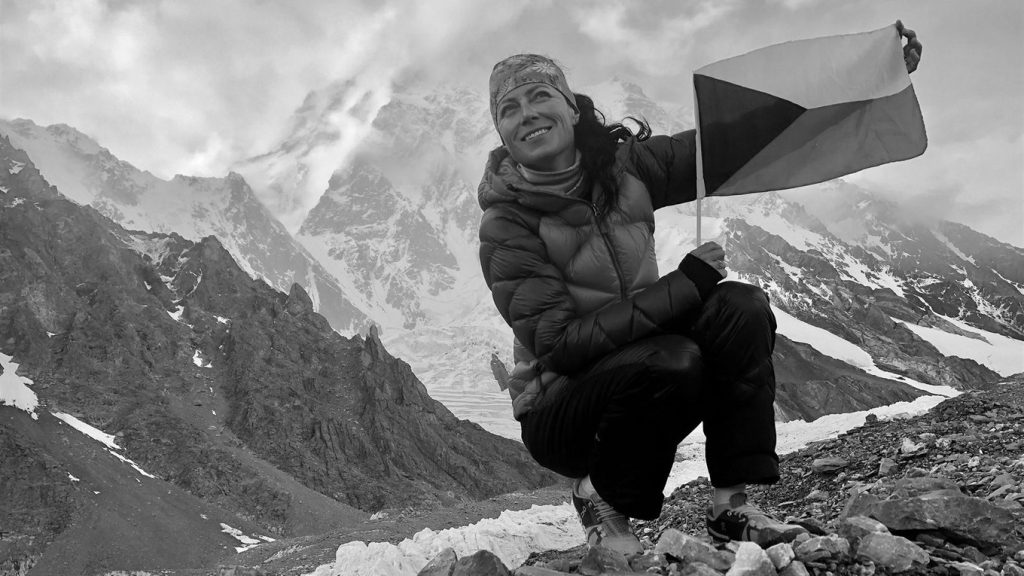
A Life Dedicated to the Mountains
Klara Kolouchova was a well-known and accomplished climber in the international mountaineering community. She had previously summited several of the world’s tallest peaks and was regarded for her strong endurance, technical expertise, and passion for high-altitude climbing.
Though born in the Czech Republic, Klara’s climbing legacy was international. She had a reputation for pushing boundaries and had taken part in several Himalayan expeditions over the last decade. Her death comes as a great loss to the Czech mountaineering community and the global climbing fraternity.
Friends and followers of her mountaineering journey have taken to social media to express grief and shock. “Klara was not just a climber; she was an inspiration for many women in mountaineering. Her courage, strength, and humility will be remembered,” read a message from a fellow Czech mountaineer.
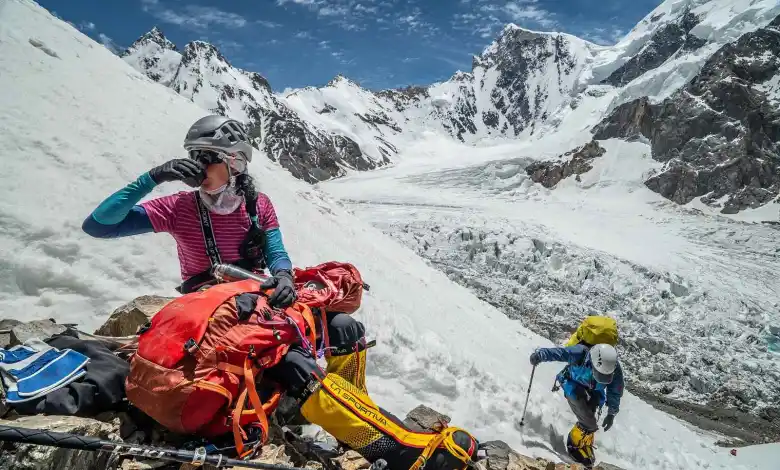
Nanga Parbat: A Mountain Known for Peril
Nanga Parbat has earned its fearsome nickname due to the high fatality rate among climbers, particularly on the more remote Diamer Face, where Kolouchova’s expedition was progressing. Although it has become more accessible in recent years, it remains one of the most technically challenging and dangerous mountains in the Himalayas.
According to the Himalayan Database, more than 80 climbers have lost their lives on Nanga Parbat since the 1930s. Despite this, the peak continues to attract experienced climbers seeking to test their skills and endurance.
The summer climbing season in Pakistan sees hundreds of international mountaineers arriving to attempt summits on the country’s iconic peaks, including K2, Broad Peak, Gasherbrum I & II, and Nanga Parbat. While the region is celebrated for its beauty and grandeur, it is also known for its unpredictability and deadly risks.
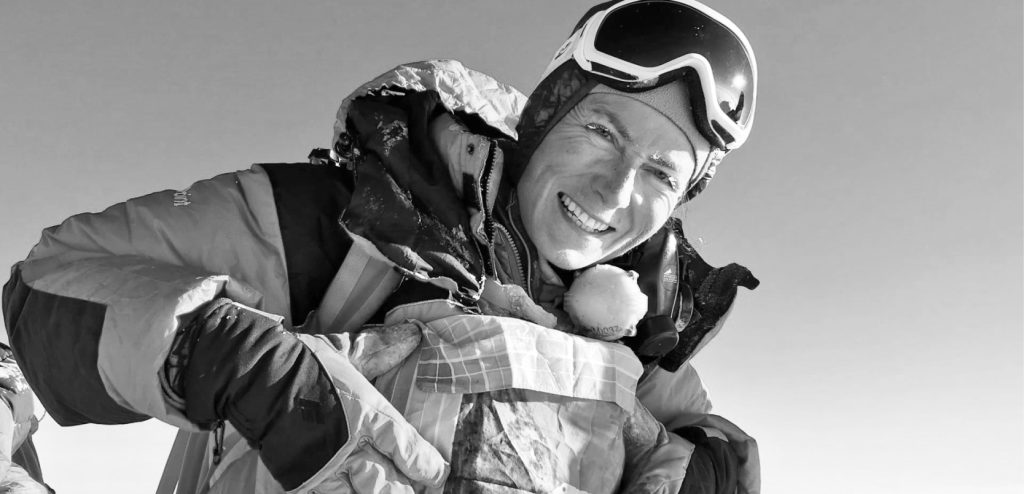
Officials Express Condolences, Urge Caution
Pakistani authorities and mountaineering organizations have expressed their condolences to Kolouchova’s family and fellow climbers. The Czech Embassy in Islamabad has been notified and is expected to assist with formalities and support for her husband and other team members.
“This is a heartbreaking loss. Our thoughts are with Klara’s loved ones, and we stand ready to support them in any way we can,” said an official from the Alpine Club of Pakistan. Authorities have also urged climbers and expedition groups to prioritize safety, be cautious in choosing summit windows, and ensure communication with base camp and rescue teams throughout their climbs.
As the mountaineering community mourns this tragic loss, the incident stands as a stark reminder of the dangers that come with high-altitude climbing, even for the most experienced and skilled adventurers.