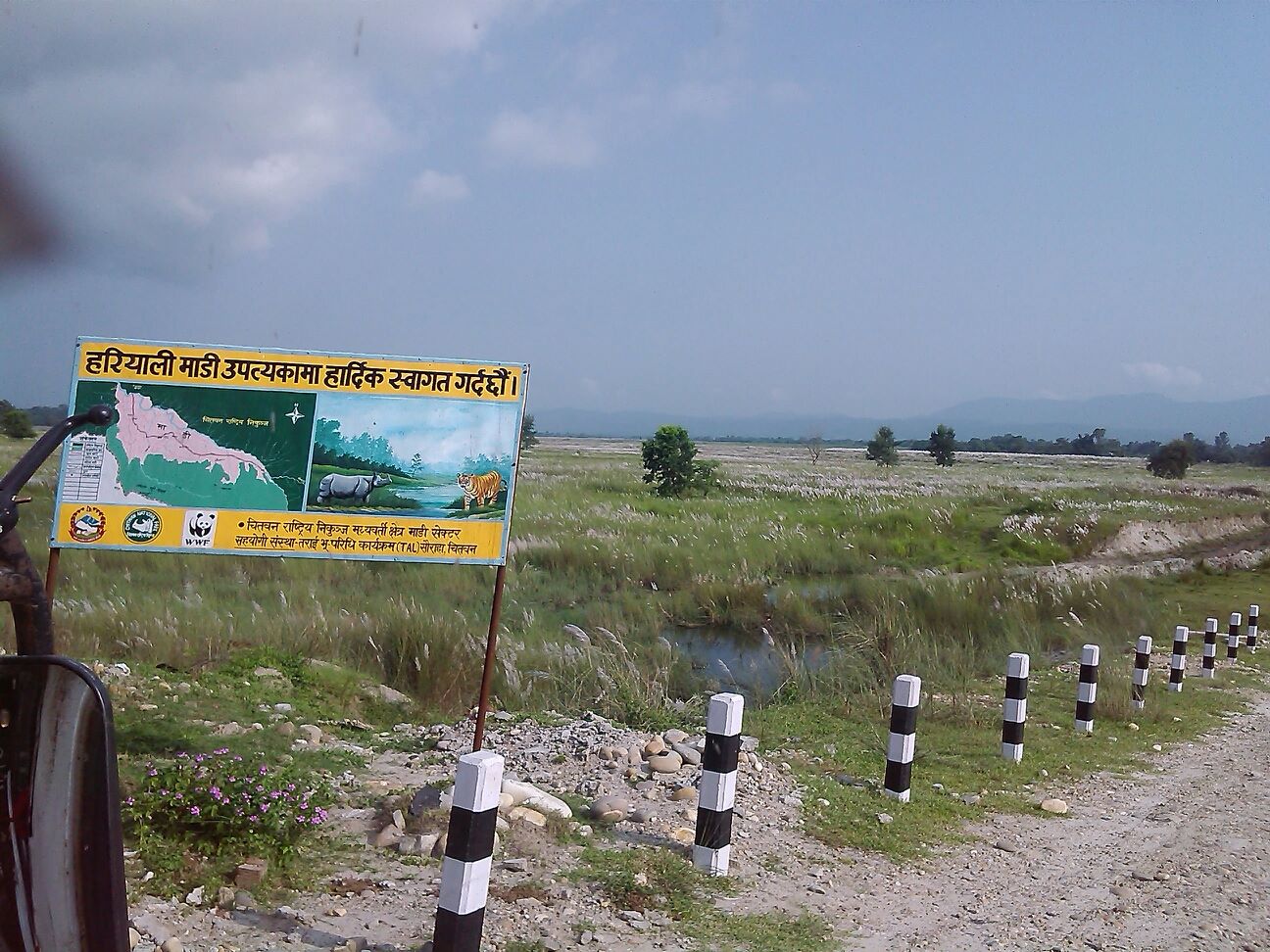
Nestled in the southern belt of Chitwan district, Madi Municipality, fondly known as the “Land of Deities”, is swiftly carving a name for itself as a rising tourism hotspot. Famed for its religious sanctity, vibrant cultural heritage, and breathtaking natural beauty, It is now gaining momentum as a sustainable and culturally immersive travel destination.
Surrounded by dense greenery, fertile plains, and abundant water resources, it’s tranquil ambiance offers more than just scenic views, it offers experiences deeply rooted in history and spirituality. With ancient temples, sacred shrines, historical landmarks, and age-old cultural traditions, Madi effortlessly blends its past with the promise of a thriving tourism future.
Cultural Mosaic Enriching the Experience
What distinguishes Madi from other destinations is its cultural diversity. This multi-ethnic municipality is home to communities such as the Tharu, Magar, Brahmin, and Bote. Each group contributes a rich tapestry of language, customs, traditional attire, culinary practices, and folk arts.
This cultural inclusivity is reflected in the area’s community homestays, now numbering seven, which offer guests the chance to experience authentic Nepali rural life. Tourists don’t just visit Madi, they live it.
Each homestay is uniquely curated to provide a full immersion into its host community’s lifestyle. Visitors can enjoy home-cooked meals made with local produce, participate in folk dances, observe local rituals, and even try their hand at farming or fishing. These cultural engagements are not staged performances but daily realities that open a window into the soul of Madi.
Homestays as Engines of Local Empowerment
Among the most notable of these initiatives is the Madi View Buffer Zone Community Homestay, located in Laxmibas, Madi Municipality-6. Operated for over five years under the leadership of Jeet Bahadur Chapagain, this homestay is run by eight Brahmin families who are reshaping local tourism while simultaneously fostering community development.
“This homestay offers much more than accommodation,” said Chapagain. “It is a platform for job creation, women’s empowerment, youth engagement, and the preservation of our cultural identity.”
The homestays have become microcosms of social transformation, offering employment opportunities to locals, particularly women and youth. As hosts, guides, cooks, performers, and artisans, the residents of Madi are actively engaged in the tourism value chain. These activities not only supplement household income but also elevate the confidence and self-sufficiency of the community.
A Destination for All Purposes
Tourism in Madi is not limited to leisure. The region is steadily attracting a variety of visitors, ranging from pilgrims and students to researchers and environmentalists. Be it a picnic in the peaceful valley, an educational excursion, a religious pilgrimage to ancient temples, or a seminar on sustainable living, Madi offers something for everyone.
The area’s focus on organic farming, eco-friendly fish ponds, and clean green environments has added to its appeal as a model for sustainable rural tourism. Visitors often return with a renewed sense of environmental consciousness, inspired by the sustainable lifestyle upheld in this part of Nepal.
Cross-Border Potential and Infrastructure Needs
Chapagain believes that the future of Madi’s tourism hinges on improved infrastructure and strategic policies. One such opportunity lies just across the Indian border. “If the Choti Customs Point in Parsa district opens, the number of Indian tourists coming to Madi will significantly rise,” he said. “This will not only increase tourism but also promote trade and production in the region.”
With a growing influx of domestic and foreign tourists, there is a pressing need to develop better roads, improve lodging facilities, and upgrade promotional strategies. Enhanced connectivity with other tourist hubs in Chitwan, coordinated efforts with local and provincial governments, and digital marketing could elevate Madi into international tourist itineraries.
The Road Ahead: A Model for Rural Development
Madi’s transformation into a thriving tourism destination underscores the power of grassroots initiatives. Its success showcases how communities, when united by purpose and supported by policy, can harness local assets for sustainable progress.
As Nepal continues to explore alternatives to mass tourism in cities and overburdened trekking routes, destinations like Madi stand as a model. By celebrating cultural authenticity, preserving natural resources, and empowering its people, Madi is charting a new course, one that balances tradition with innovation, and community wellbeing with economic opportunity. With vision, collaboration, and care, Madi is poised to become not just a destination to visit, but a story to be experienced and shared.