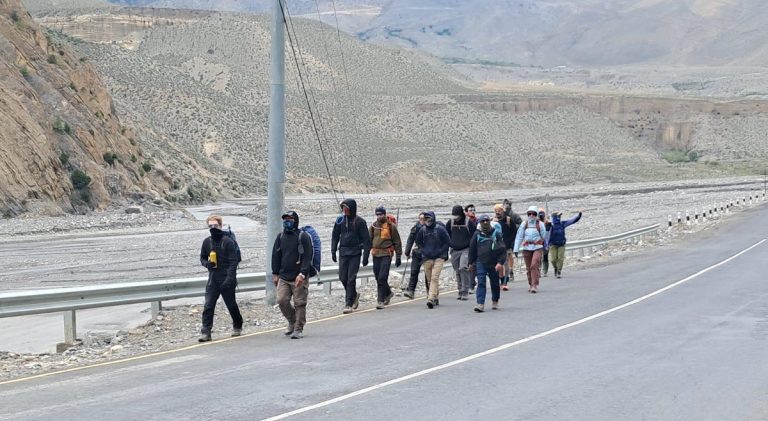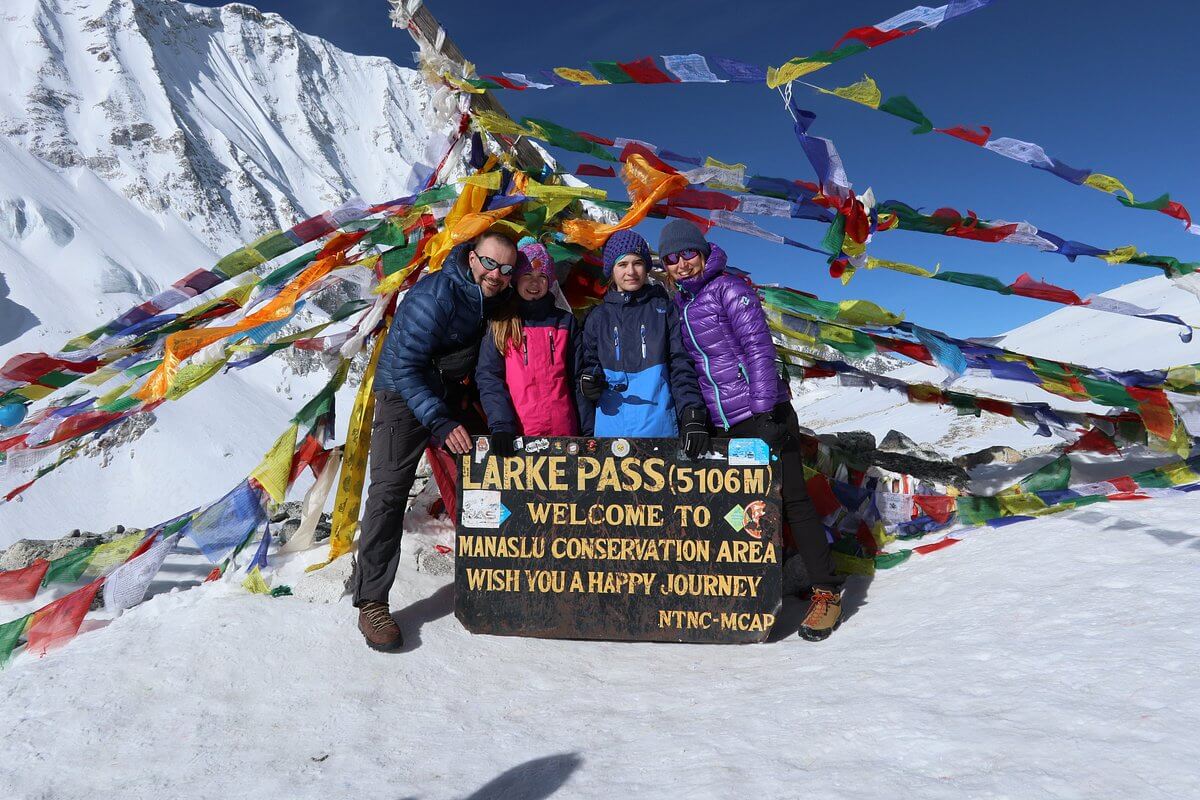
With a record 12,512 foreign tourists visiting in FY 2081/82, the region has proven its potential to attract global travelers seeking a serene and culturally-rich Himalayan experience. The Manaslu Conservation Area in northern Gorkha has witnessed a significant surge in foreign tourist arrivals, setting a new record in the fiscal year 2081/82. The region, known for its pristine natural beauty, rich cultural heritage, and the majestic Mt. Manaslu, the eighth-highest mountain in the world, has become an increasingly popular destination for adventure-seeking and culturally curious travelers from across the globe.
Over 12,500 Foreign Tourists Visited in One Year
According to Santosh Sherchan, Chief of the Manaslu Conservation Area Project (MCAP), a total of 12,512 foreign tourists visited the Manaslu region from the beginning of Shrawan to the end of Ashadh, marking the highest number of annual visitors recorded to date in the area.
“This is the largest number of foreign tourists ever recorded in the history of the Manaslu region,” said Chief Sherchan. “The growing popularity of this region among international travelers shows that Manaslu is emerging as a strong alternative to other established trekking routes like Everest and Annapurna.”
Breakdown of Tourist Numbers by Region
Of the total foreign tourists, 253 were from SAARC countries, while 12,248 were from non-SAARC nations, signifying the region’s global appeal. Additionally, 11 Nepali citizens paid the official fee and explored the conservation area during the same period.
In comparison, 9,783 foreign tourists visited Manaslu in the fiscal year 2080/81. This marks an increase of approximately 2,729 tourists within just one year. The rapid growth highlights the region’s improving reputation and increasing accessibility.
Improved Infrastructure and Promotion Key to Growth
Chief Sherchan attributes this rise in tourist numbers to several key developments. “The trekking route to Manaslu has become much more convenient and safer in recent years,” he said. “With consistent efforts in promotion, the trail is now widely recognized among international trekkers. Moreover, the availability of well-equipped hotels and homestays with improved food and lodging services has greatly enhanced the overall experience for visitors.”
The improvements in infrastructure, trail safety, and hospitality services have significantly reduced the challenges once associated with trekking in the remote highlands of Manaslu, making it a more attractive option for both amateur and experienced trekkers.
France Tops the List of Visitors
Among the foreign visitors in the fiscal year 2081/82, France contributed the highest number of tourists. Specifically, 763 French men and 644 French women made the trek to Manaslu. This strong French presence showcases the appeal of the region in Western Europe and reflects Nepal’s growing reputation in the global adventure tourism market.
In addition to France, other countries that contributed significantly to the number of visitors included Germany, the United States, the Netherlands, Israel, the United Kingdom, Australia, Spain, Russia, and Canada.
Consistent Growth Over the Past Years
The Manaslu region has witnessed a consistent upward trend in tourist arrivals over the last few fiscal years. In 2079/80, a total of 7,750 foreign tourists visited the region, while in 2078/79, only 2,222 foreign tourists were recorded. The steady rise over the last three years reflects not just the increasing global awareness about Manaslu but also the resilience of Nepal’s tourism sector in the post-COVID recovery phase.
Manaslu’s Unique Allure: Culture, Nature, and Solitude
Manaslu’s distinct appeal lies in its raw natural beauty and unspoiled culture. The trail passes through remote Tibetan-influenced villages, Buddhist monasteries, and diverse landscapes ranging from subtropical forests to alpine terrain and glacial valleys. Compared to the more commercialized trails of Everest and Annapurna, Manaslu offers a quieter and more authentic Himalayan experience.
Furthermore, the restricted nature of the area adds an element of exclusivity. Trekkers are required to obtain special permits, which in turn helps regulate the flow of tourists and preserve the delicate ecosystem and cultural heritage of the region.
Looking Ahead: A Bright Future for Manaslu Tourism
With continued investment in infrastructure, marketing, and sustainable tourism practices, stakeholders are optimistic about the future of tourism in Manaslu. “Our goal is not just to increase numbers,” added Sherchan, “but to ensure that tourism in Manaslu remains sustainable, respectful to the local culture, and beneficial to the communities that rely on it.”
Local teahouses, guides, porters, and conservation groups have all benefited from the rise in tourism, creating new livelihood opportunities and encouraging youth to remain in the region rather than seeking work abroad.
As Nepal continues to diversify its tourism offerings, the Manaslu region stands out as a shining example of how lesser-known destinations can gain international recognition with the right balance of conservation, community involvement, and strategic promotion.
The Manaslu Conservation Area is rapidly becoming one of Nepal’s most sought-after trekking destinations. If the current growth trend continues, Manaslu may soon rival the more established trails, offering Nepal yet another jewel in its crown of natural wonders.