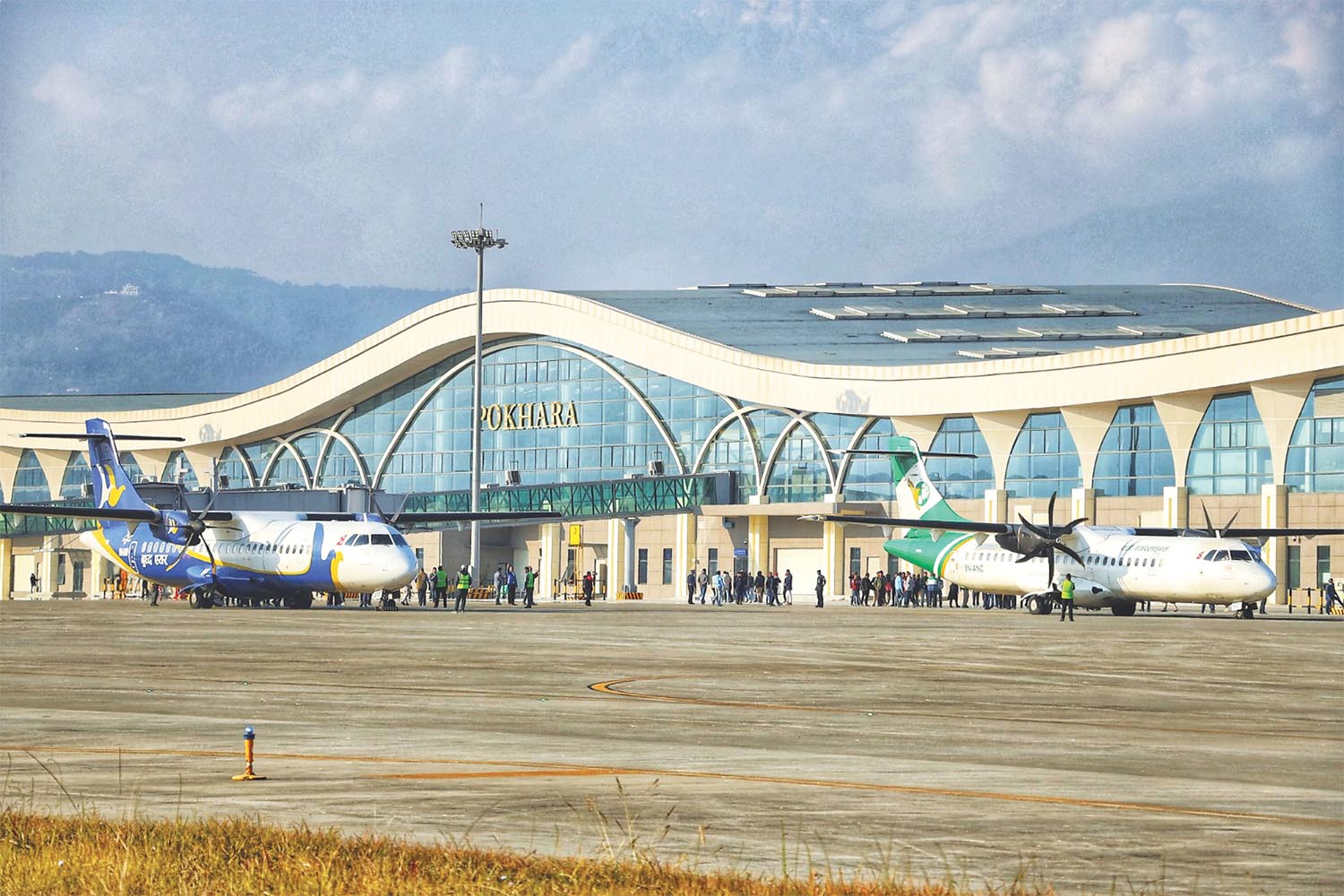
Pokhara International Airport, inaugurated in January 2023 with high hopes of connecting the tourism capital of Nepal to global destinations, has seen disappointing international passenger numbers in its two years and seven months of operation. According to official data, only 2,910 passengers have flown through the airport on international flights during this period.
Despite its modern facilities and potential as a gateway to the Himalayas, the actual passenger flow has been far lower than projected. The limited use of the airport highlights the challenges of sustaining international operations in the absence of consistent routes, multiple destinations, and robust promotional strategies.
Forty-Two International Flights So Far
The airport has recorded a total of 42 international flights, including both arrivals and departures, since its launch. While the number of flights shows some progress, the passenger volume remains concerning. Spokesperson of the airport, Jashoda Subedi, noted that the figures indicate significant room for improvement.
Interestingly, some flights operated by Himalaya Airlines were recorded with no passengers at all, while one flight carried just a single passenger. Such data underscores the urgent need for stronger international connectivity and targeted promotional campaigns to attract travelers.
Sichuan Airlines Leads in Passenger Volume
Among the carriers, China’s Sichuan Airlines has emerged as the most successful in terms of passenger movement. Through its commercial charter flights between Pokhara and Chengdu, Sichuan Airlines has operated 11 flights so far. These flights brought in 1,127 passengers from China to Pokhara and flew out 797 passengers from Pokhara to Chengdu. In total, Sichuan Airlines managed the movement of 1,924 passengers, the highest among all airlines serving the airport.
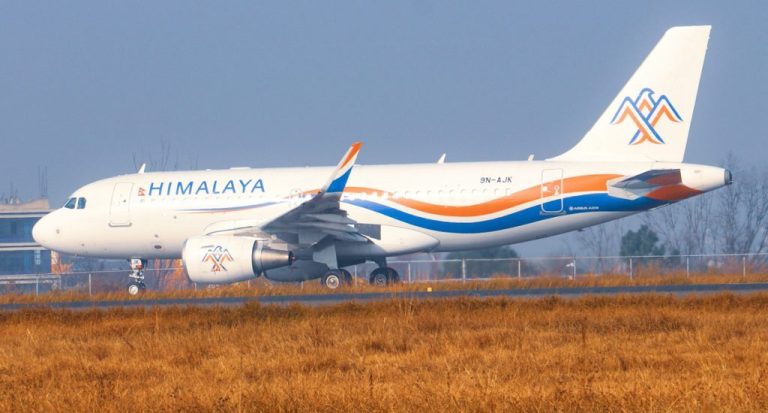
On the other hand, Himalaya Airlines, which began regular flights between Pokhara and Lhasa in March, has operated 21 flights, almost double Sichuan’s count, but carried far fewer passengers. Data shows that only 385 foreign tourists arrived in Pokhara via Himalaya Airlines, while 246 passengers flew from Pokhara to Lhasa.
Other Airlines with Minimal Operations
In addition to Sichuan and Himalaya Airlines, several other international carriers have tested flights to Pokhara. These include Druk Air, PLA, Wings, Aeronautical, and Thrust Aircraft Guarantee, among others. However, their flight frequency has been limited, and passenger numbers remain negligible.
Tourism entrepreneurs argue that the low passenger count stems from the absence of regular international flights, limited destinations, and inadequate international marketing campaigns. They stress that unless direct flights to multiple destinations are launched and promoted effectively, the airport cannot meet its potential.
Calls for Stronger Connectivity
Local stakeholders have repeatedly emphasized that routes such as Pokhara–Chengdu and Pokhara–Lhasa must be strengthened to ensure regular passenger flow. Expanding direct flights to other destinations in South Asia, Southeast Asia, and beyond is seen as critical for the airport’s success.
Tourism operators believe that this requires coordinated efforts from the government, airport management, and the private sector. Without such collaboration, they warn, Pokhara International Airport risks becoming an underutilized facility despite the huge investment.
Fully Equipped But Underutilized
Pokhara International Airport is a fully structured facility with the capacity to handle large-scale international operations. Chief Immigration Officer, Hari Bahadur Bhujel, stated that the airport currently has 28 staff members, and all immigration processes are being conducted smoothly.
While the infrastructure is ready, the absence of consistent airline interest and passenger attraction strategies has resulted in underuse. Tourism professionals describe the airport as a “golden opportunity for economic and tourism growth,” but caution that delays in launching effective packages, direct flights, and global marketing could waste this opportunity.
Tourism Potential of Pokhara
Pokhara is globally renowned as the city of lakes, adventure sports, and the gateway to the Annapurna and Dhaulagiri mountain ranges. Its natural beauty, combined with trekking and mountaineering opportunities, makes it an attractive destination for international visitors.
Local entrepreneurs believe that with better flight connectivity, Pokhara could become the first choice of international tourists visiting Nepal, rather than merely an extension of Kathmandu. However, they emphasize the need for quick action to position Pokhara as a global hub.
Economic Investment and Local Expectations
The airport, built with a loan of approximately NPR 23 billion, was envisioned as a strategic project to unlock economic prosperity in Gandaki Province and the wider Sudurpaschim region. Locals have long demanded regular international flights from the facility, hoping it would boost tourism and create economic opportunities.
Despite more than two years of operation, however, international flights remain irregular, and the airport has yet to fulfill its promises of transforming Pokhara into a global aviation hub. Residents, entrepreneurs, and provincial leaders continue to urge the federal government to prioritize agreements with international carriers and support direct connectivity.
A Gateway Dream Yet to Be Realized
The vision of making Pokhara International Airport the “Gateway of the Himalayas” remains largely aspirational. With growing competition in South Asia’s aviation sector, experts argue that Nepal cannot afford further delays in maximizing the airport’s potential.
For now, Pokhara International Airport stands as a symbol of high investment and expectations but limited results. The challenge ahead lies in turning this infrastructure into a vibrant hub that brings more tourists, strengthens Nepal’s aviation network, and supports economic prosperity in the region.