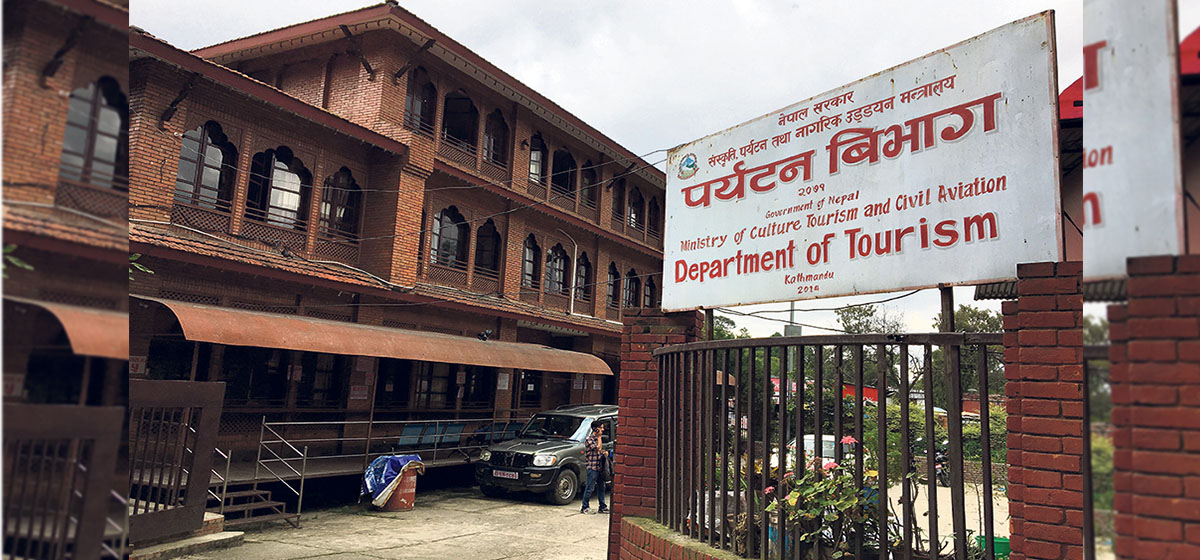
The Department of Tourism has announced plans to modernize its operations, aiming to make its services more streamlined, technology-driven, and business-friendly. The department outlined its vision in its recently published annual report, highlighting institutional, procedural, and technological improvements as top priorities.
Focus on Systematic and Technology-Friendly Services
The Department has emphasized that its future direction will revolve around institutional strengthening, process simplification, systematic reforms, and technological regulation. These efforts are designed to ensure that the travel sector remains attractive to investors, businesses, and visitors alike.
According to the report, the department is actively working to integrate international best practices into Nepal’s national travel system, while promoting the development and expansion of tourism-related activities across the country.
Vision for a Business and Investment-Friendly Tourism Administration
One of the department’s core objectives is to make Nepal’s travel administration business-friendly, investment-friendly, and technology-friendly. This transformation is expected to increase the country’s appeal as a competitive and sustainable travel destination. The department believes that such reforms will not only improve service delivery but also attract both domestic and foreign investment, supporting the broader national economic growth agenda.
Director General’s Commitment to Simplification and Transparency
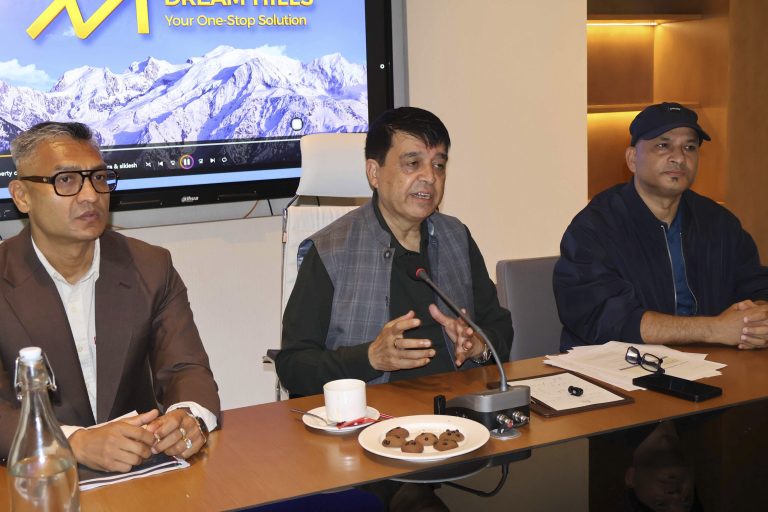
Speaking on the occasion of the annual report’s release, Director General Dr. Narayan Prasad Regmi said that initiatives are underway to make the department’s work simpler, more accessible, and business-oriented.
For the first time, the department’s annual report has documented completed tasks, future work plans, ongoing challenges, and areas that require improvement in the coming years. Dr. Regmi noted that procedural complications have been addressed, enabling smoother and more regular operations.
Policy Reforms and Long-Term Goals
The Department is also focusing on policy-level reforms to address structural inefficiencies and create a stronger foundation for the travel industry. “Our long-term goal is to position Nepal internationally as an attractive, safe, and scenic tourist destination through the conservation and promotion of our natural beauty, cultural diversity, biological heritage, and man-made monuments,” Dr. Regmi said.
He further explained that boosting economic activity in the travel sector will generate more employment and self-employment opportunities, while ensuring sustainable, high-quality tourism and improving tourist service, convenience, and safety.
Tourism Infrastructure and Adventure Promotion
In its current plans, the department is prioritizing:
- Development of travel infrastructure across major destinations
- Quality hospitality service management to enhance visitor satisfaction
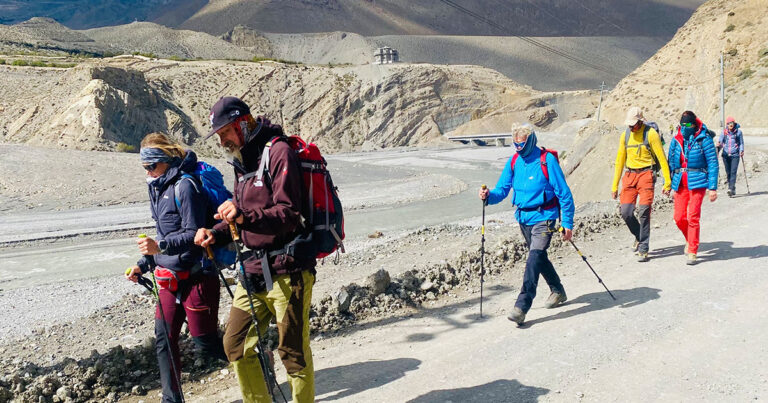
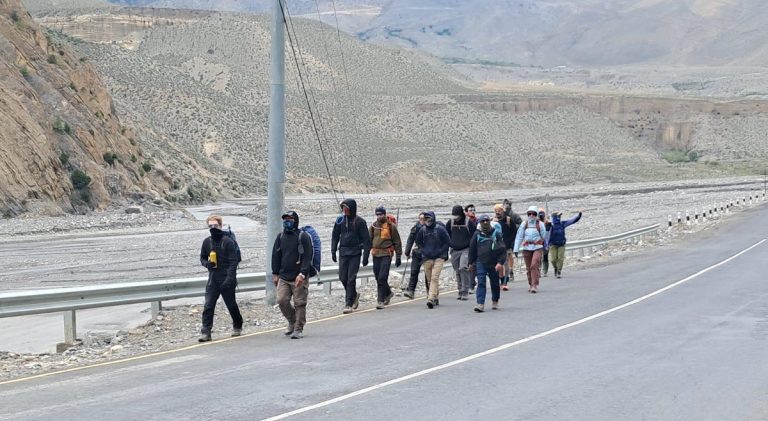
- Promotion of adventure and mountain tourism to leverage Nepal’s natural assets
- Improved mountaineering management to ensure safety and sustainability in climbing activities
The department aims to balance economic benefits with environmental preservation, ensuring that tourism growth remains sustainable and inclusive.
Integration of International Practices into National Systems
Recognizing the global nature of travel, the department has expressed its commitment to adopting successful international models and tailoring them to Nepal’s context. This includes upgrading administrative systems, introducing online service delivery platforms, and fostering better coordination between government agencies and private stakeholders.
Boosting Tourism’s Contribution to the Economy
Tourism remains one of Nepal’s most important economic sectors, with the potential to significantly contribute to GDP growth, rural development, and cultural preservation. By implementing these reforms, the Department aims to:
- Increase tourist arrivals
- Extend the average length of stay
- Encourage higher spending per visitor
- Strengthen community-based tourism initiatives
Dr. Regmi emphasized that quality tourism promotion will be a key driver of economic transformation, generating more revenue while creating sustainable livelihoods for local communities.
Commitment to Service Quality and Safety
Ensuring tourist safety and quality service standards remains a top priority. The department plans to strengthen safety protocols, improve information dissemination, and introduce technology-based monitoring systems. Additionally, collaborations with local governments, tourism entrepreneurs, and community organizations will be strengthened to ensure that tourism growth benefits the widest possible range of stakeholders.
With its latest annual report, the Department of Tourism has clearly outlined a roadmap that combines technological innovation, policy reform, and infrastructure development. Its focus on business and investment-friendly administration, adventure tourism promotion, and international best practices is expected to position Nepal as a stronger competitor in the global tourism market.
By reducing bureaucratic hurdles, promoting sustainable practices, and prioritizing visitor satisfaction, the department is setting the stage for a new era of tourism that could bring long-term benefits to the nation’s economy and communities.