In the last fiscal year (2081/82), altitude sickness claimed the lives of 18 tourists in the Annapurna region. This is slightly lower than the previous year (2080/81), when 20 tourists died. According to the Annapurna Conservation Area Project (ACAP), among those who died in 2080/81, there were 5 Nepalis, 11 Indians, 2 Malaysians, and 1 each from the UK and Ukraine. In 2081/82, victims included 6 Nepalis, 8 Indians, and 1 each from the USA, Korea, Germany, and Switzerland.
Majority Victims from Nepal and India
ACAP data shows that in the past two years, 38 tourists have died from altitude sickness in the Annapurna region, with half of them (19) being Indian nationals. Nepalis ranked second with 11 fatalities. Tourism stakeholders note that Indian and domestic visitors often take greater risks than other foreign tourists, resulting in higher casualty rates.
Risky Travel Patterns
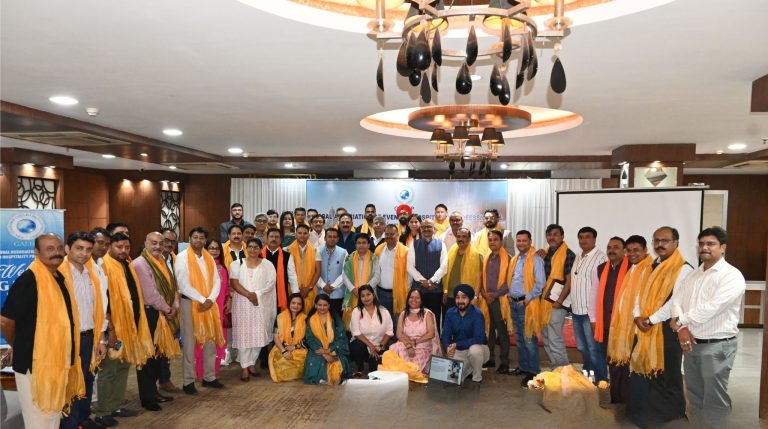
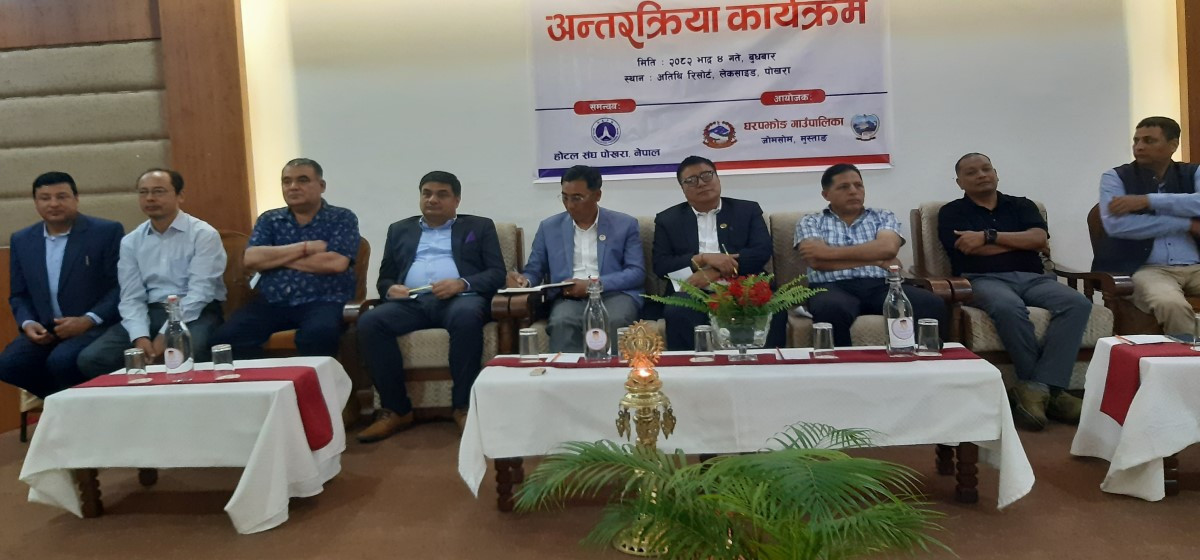
Tourism entrepreneurs report that Indian and Nepali tourists frequently rush their itineraries, especially in high-altitude areas, which increases health risks. In a recent discussion held in Pokhara, local and tourism entrepreneurs highlighted that hurried travel schedules were a major cause of altitude sickness deaths. They stressed the difficulty of slowing down such rapid itineraries, especially for religious destinations like Muktinath.
Rapid Ascents from Lowlands to High Altitudes
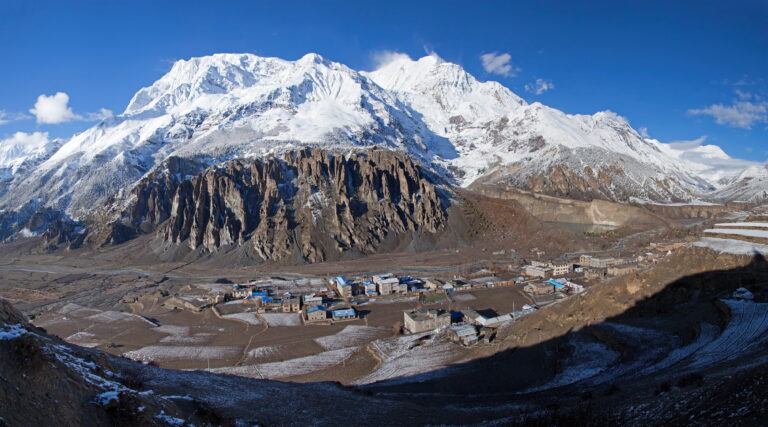
In recent years, an increasing number of Indian tourists from Nepal’s Terai region and nearby Indian cities have traveled directly to Muktinath in a single day. The journey involves a drastic altitude change, from around 100 meters above sea level to 3,710 meters, which poses severe health risks.
Call for Safer Tourism Management
Gandaki Provincial Assembly member Bikal Sherchan emphasized that tourism is the backbone of the Annapurna region and must be safe. He suggested installing visible safety and awareness materials so visitors understand the risks and can return safely.
Short Stays and Increased Risks
Hotel Association Pokhara President Laxman Subedi expressed concerns that Indian tourists often travel to Muktinath and return without spending the night in Mustang or Pokhara. This short-stay practice not only reduces the economic benefit but also heightens safety risks. Subedi noted that hurried travel has been a major factor in altitude sickness deaths, particularly among Indian and Nepali tourists.
Need for Better Information Centers
Bharat Raj Parajuli, a central member of the Hotel Association Nepal and coordinator of the advisory council in Pokhara, proposed extending tourist stays by providing accurate information. He recommended establishing a well-equipped information center in Pokhara to improve safety, environmental awareness, and visitor retention.
Urging Against Rapid Itineraries
Hari Prasad Sharma Gairhe, President of Hotel Association Nepal Gandaki, stressed the need to discourage the practice of rushing tourists to high altitudes without proper acclimatization. He pointed out that tourists from third countries generally take more time to adjust compared to Indian and domestic visitors.
Broader Impact on Tourism
Gairhe warned that such incidents could tarnish the region’s tourism image, potentially discouraging future visitors or diverting them to other destinations. He accused some operators of rushing Indian tourists from border points to Muktinath and back in a single day, disregarding safety guidelines.
Local Government’s Perspective
Mohan Singh Lalchan, Chair of Gharpajhong Rural Municipality, highlighted that sudden altitude changes, up to 2,800 meters in a short period, are inherently dangerous. He emphasized the need to inform tourists about traveling slowly, resting, and using warm clothing. Lalchan observed that some visitors mistakenly believe high-altitude conditions are similar to lowland climates.
ACAP’s Role and Safety Measures
ACAP Chief Dr. Rabin Kadariya stated that the project is committed to ensuring tourist safety. With 2,450 hotels in the area, ACAP works with local management committees to address the challenges. He stressed that as the Annapurna region is an adventure tourism hub, all stakeholders must prepare tourists accordingly.
Information and Policy Recommendations
Gandaki Province Tourism Board Chief Maniram Lamichhane suggested distributing awareness booklets and installing informational boards in strategic locations. Former TAAN Gandaki President Dharmaraj Panthi urged the government to create formal policies to ensure tourist safety in high-altitude trekking areas.