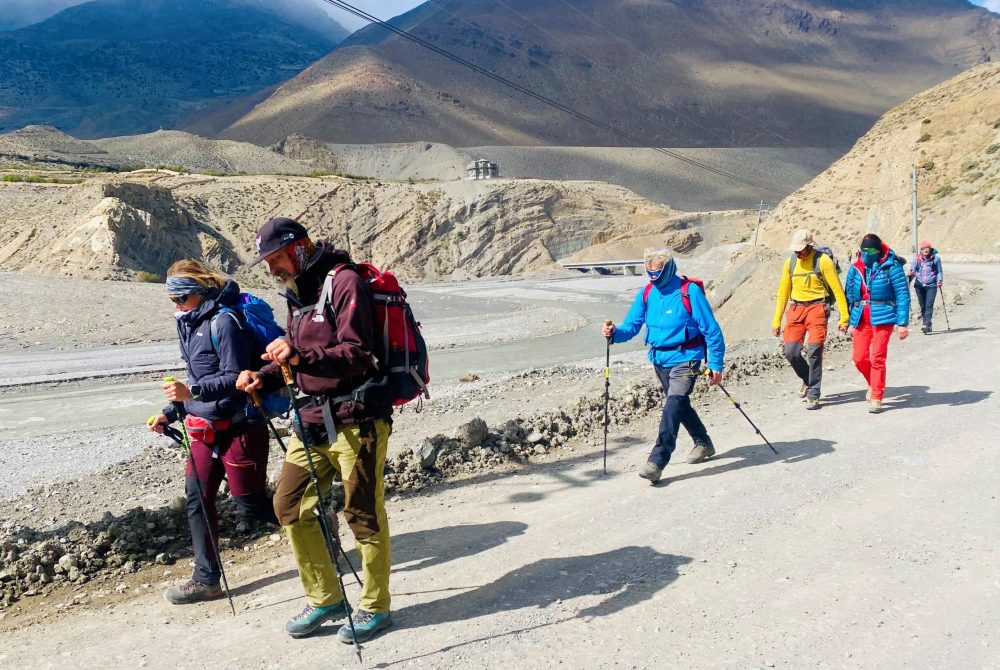
The Annapurna Conservation Area, one of the world’s renowned destinations for trekking and tourism, has witnessed a decline in visitor numbers due to the ongoing monsoon season. According to the Annapurna Conservation Area Project (ACAP), tourist arrivals have dropped significantly since mid-June. In the month of Ashad (mid-June to mid-July), a total of 19,749 tourists visited the area. However, the numbers further declined in Shrawan (mid-July to mid-August), with only 11,824 tourists entering the region, according to Dr. Rabin Kadariya, the project chief.
Seasonal Comparison Shows Steep Drop
Prior to the onset of the monsoon, in the month of Jestha (mid-May to mid-June), the Annapurna region had seen a peak in tourist arrivals, with 31,955 visitors exploring its trails and scenic spots. Dr. Kadariya pointed out that despite the monsoon-related decline, this year’s Shrawan numbers are still higher compared to last year. In Shrawan of the previous year, only 5,710 tourists had visited the region, highlighting a significant increase in year-on-year figures.
Monsoon Season Considered Off-Season
Monsoon season is generally regarded as an off-season for tourism in the Annapurna region. Heavy rains, landslides, and challenging trail conditions typically discourage trekking activities during this period. “Tourist arrivals usually pick up after Ashoj (mid-September), when trekking conditions improve and the trails become more accessible,” Dr. Kadariya explained. He emphasized that identifying and promoting destinations suitable for trekking even during the monsoon could attract more foreign visitors.
Emerging Monsoon Trekking Spots
In recent years, certain areas have begun attracting domestic tourists even during the monsoon. Locations such as Kori in Kaski and Dhorpatan in Baglung have emerged as popular monsoon trekking destinations. “While the main trekking season is yet to arrive, domestic tourists are exploring these alternative trails during the rainy months,” Dr. Kadariya noted.
Peak Trekking Seasons in Annapurna
The Annapurna Conservation Area Project identifies the best periods for trekking in the region as Ashoj to Mangsir (September to November) and Chaitra to Jestha (March to May). These months offer favorable weather, clearer trails, and stunning views of the Himalayas, resulting in a significant increase in tourist arrivals. Last fiscal year, the region welcomed 278,113 foreign tourists, underscoring its global appeal as a trekking hotspot.
Popular Destinations in the Annapurna Region
The ACAP office tracks foreign tourist movements primarily along the Annapurna Circuit, one of the most iconic trekking routes in Nepal. Key destinations that attract visitors include the Annapurna Base Camp, Mordi Himal in Kaski, Lwang, Ghandruk village, Tilicho Lake in Manang, Thorong La Pass, Upper Mustang, Muktinath, Ghodepani in Myagdi, and Pun Hill. Trekkers can choose from short, medium, and long-distance routes across Kaski, Lamjung, Manang, and Myagdi, depending on their preferences and experience levels.
Annapurna Conservation Area: A Hub of Natural and Cultural Richness
Spanning 7,600 square kilometers, the Annapurna Conservation Area covers 87 wards across 15 local administrative units in Kaski, Lamjung, Manang, Myagdi, and Mustang districts. The region is celebrated for its natural beauty, diverse ecosystems, high-altitude lifestyles, rich cultural heritage, and unique traditions. These attributes make it a preferred choice for both domestic and international tourists seeking adventure, nature, and cultural experiences.
The Annapurna Conservation Area’s combination of scenic mountain landscapes, biodiversity, and cultural richness provides an unparalleled trekking experience. From the bustling villages and traditional settlements to pristine lakes, high mountain passes, and panoramic Himalayan vistas, the region caters to a wide range of tourists. The government and conservation authorities continue to emphasize sustainable tourism practices, ensuring that the growing number of visitors does not compromise the area’s ecological balance.
Future Prospects for Monsoon Tourism
Despite the monsoon being considered off-season, authorities see potential in developing trekking and tourism opportunities even during the rainy months. Dr. Kadariya suggested that with proper identification, promotion, and management of monsoon-friendly trekking routes, foreign tourists could be attracted to explore the region year-round. This strategy could help diversify tourism offerings and stabilize visitor numbers, reducing dependency on peak seasons alone.
While monsoon brings a temporary lull in tourist activity in the Annapurna Conservation Area, the region’s allure remains undiminished. With ongoing efforts to promote suitable trekking routes during off-peak periods and continued recognition of its natural and cultural treasures, Annapurna continues to be a global destination for adventure tourism.