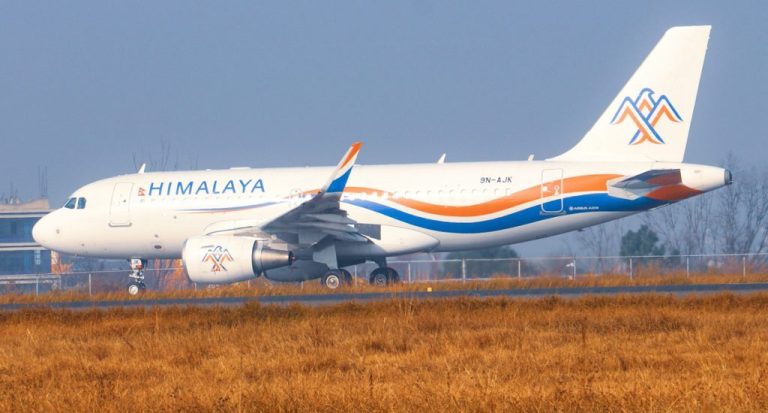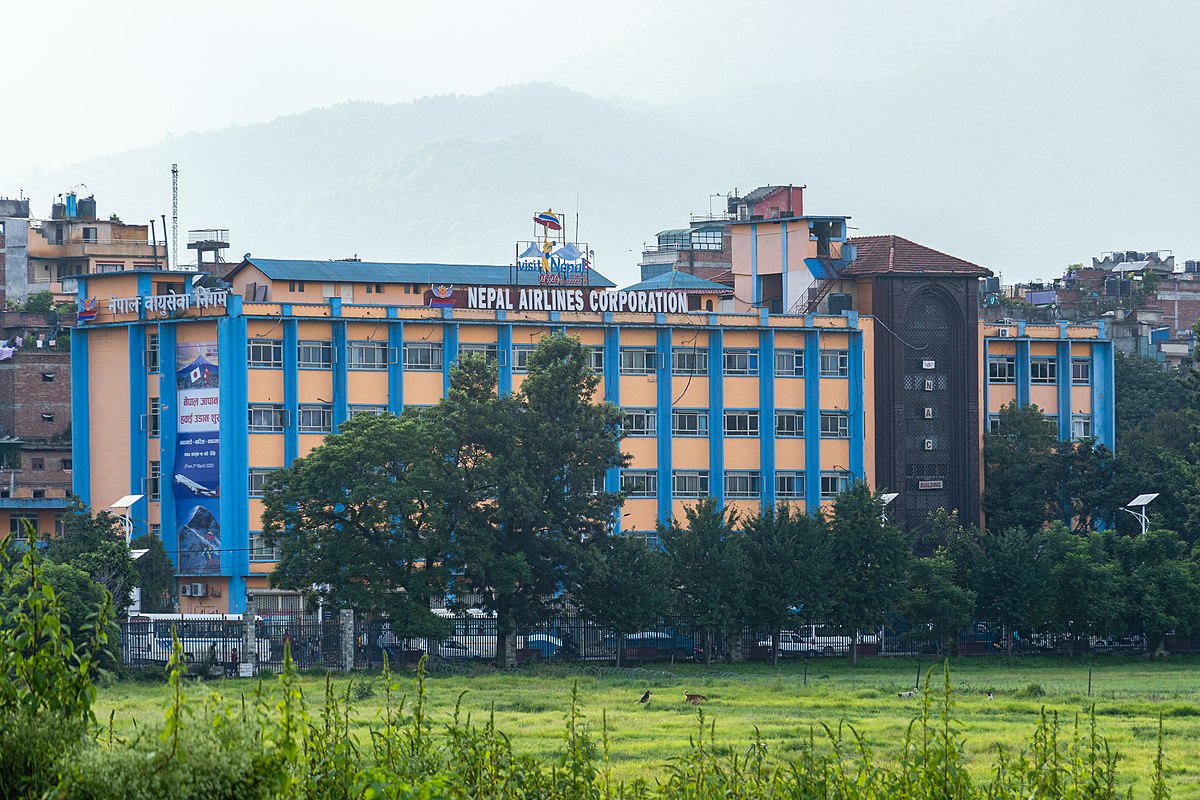
The Nepal Airlines Corporation (NAC) has officially reinstated Non-Destructive Testing (NDT) technology to detect minor cracks and technical flaws in aircraft wheels, marking a significant step in improving aviation safety standards in the country. This move aims to prevent potential accidents, reduce maintenance costs, and ensure the highest level of operational safety for passengers and crew.
What is Non-Destructive Testing (NDT)?
Non-Destructive Testing, or NDT, is a globally recognized technology used in aviation to detect structural weaknesses without causing damage to aircraft components. NDT can identify micro-cracks, material fatigue, and defects in critical parts such as wheel nuts, bolts, springs, and other mechanical components. By doing so, airlines can address issues before they escalate into serious safety hazards.
According to NAC Technical Spokesperson Manoj Kumar Shah, NDT is essential for maintaining international aviation standards and ensuring compliance with global safety regulations. “NDT allows us to inspect components thoroughly without dismantling them, which is both cost-effective and highly reliable,” he stated.
History and Reinstatement of NDT at Nepal Airlines
Nepal Airlines initially adopted NDT technology seven years ago. However, due to technical challenges and equipment limitations, its continuous use was interrupted. The corporation has now acquired new equipment, which has enabled the full reinstatement of NDT in its maintenance operations.
“This reinstatement allows us to expand the scope of aircraft maintenance and offer testing services to other airlines, creating additional revenue streams while enhancing our internal safety protocols,” said Shah. Currently, Buddha Air is the only other airline in Nepal utilizing NDT technology. With Nepal Airlines now reinstating it, the country is seeing a broader adoption of advanced aviation maintenance practices, improving overall industry standards.
Benefits for Aircraft Maintenance and Safety
The adoption of NDT technology brings multiple benefits to Nepal Airlines’ maintenance operations:
- Enhanced Safety: By detecting cracks and technical flaws early, NDT helps prevent in-flight failures and ground accidents.
- Cost Reduction: Timely detection of minor issues prevents larger, more expensive repairs.
- Operational Efficiency: NDT allows inspection without dismantling critical components, reducing aircraft downtime.
- Revenue Generation: With advanced equipment, Nepal Airlines can provide testing services to other domestic and regional airlines.
Technical inspections using NDT will focus primarily on aircraft wheels, which are critical for takeoff and landing safety. The technology ensures that all wheel components, including nuts, bolts, and springs, are in optimal condition before flights.
Commitment to International Standards
Nepal Airlines’ reinstatement of NDT reflects its ongoing commitment to align with international aviation standards. Globally, NDT is considered a best practice for preventive maintenance in commercial aviation. Shah emphasized, “Adopting NDT is part of our continuous effort to enhance safety and reliability. It also demonstrates our compliance with the safety expectations of international aviation bodies, reassuring passengers that Nepal Airlines operates at the highest standards.”
The corporation plans to integrate NDT into regular maintenance schedules for all its aircraft, ensuring consistent monitoring and timely intervention. This initiative is particularly crucial given Nepal’s challenging mountainous terrain and complex weather conditions, where aircraft reliability is paramount.
Revenue Opportunities and Industry Impact
By reinstating NDT, Nepal Airlines has opened the door for commercial testing services to other airlines in Nepal and potentially the South Asian region. This not only strengthens the airline’s financial position but also promotes the adoption of advanced maintenance technologies across the aviation sector.
The presence of NDT technology in Nepal’s aviation industry reflects a growing emphasis on preventive maintenance, which can significantly reduce operational risks. Airlines operating in the country can now benefit from early detection of component wear and tear, ensuring safer flights for passengers.
Future Plans and Expansion
Looking ahead, Nepal Airlines aims to fully integrate NDT across its fleet, covering additional critical components beyond wheels. Training programs are also being developed to ensure that technical staff are proficient in the latest NDT procedures and methodologies.
By combining technological upgrades with skilled manpower, Nepal Airlines is set to reinforce its reputation as a reliable and safety-conscious airline. The corporation is confident that these initiatives will boost customer confidence and enhance operational efficiency, ultimately contributing to safer skies in Nepal.
The reinstatement of Non-Destructive Testing technology marks a significant milestone for Nepal Airlines Corporation. By detecting minor flaws before they become major safety hazards, the airline not only safeguards its passengers but also strengthens its operational capabilities.
With improved safety, reduced maintenance costs, and the potential for revenue generation, NDT represents a critical advancement in Nepal’s aviation sector. Nepal Airlines’ commitment to integrating global best practices demonstrates a proactive approach to aviation safety and reliability, setting a benchmark for other airlines operating in the region.