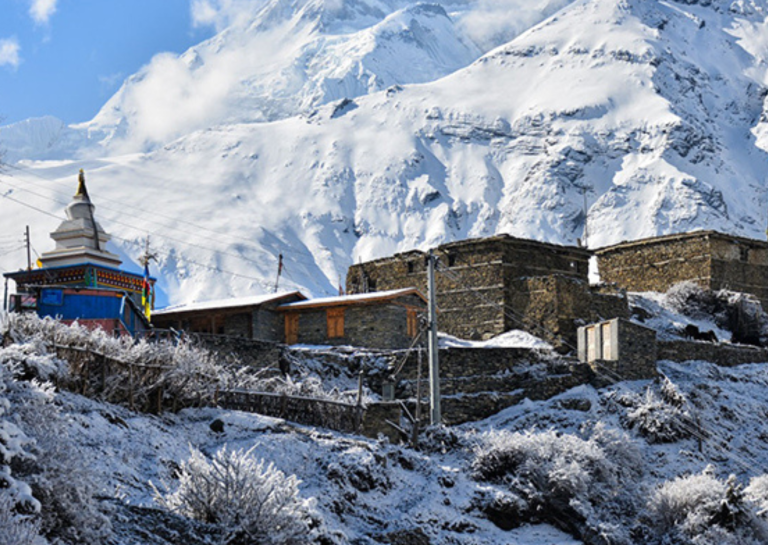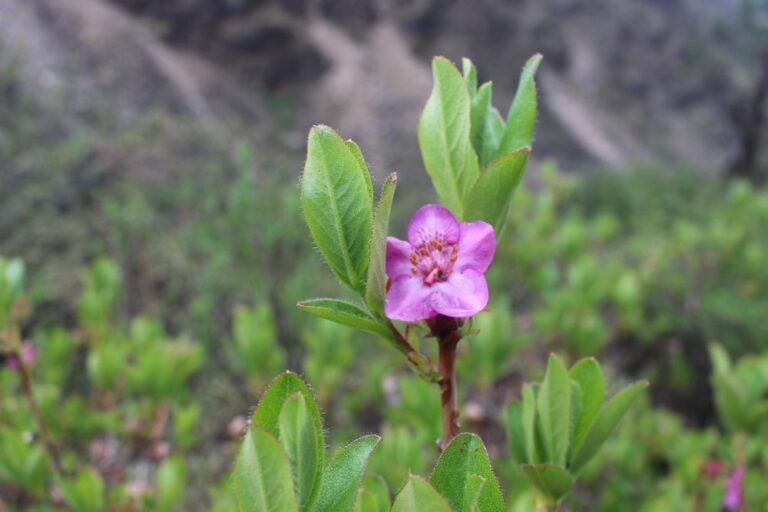
The Annapurna Base Camp trail in Narchayang, Annapurna Rural Municipality-4, is witnessing a spectacular natural display as the Pothre rhododendrons (Rhododendron arboreum var. pothra) are in full bloom, captivating trekkers and nature enthusiasts alike. Stretching from Humkhola to Sunkhola, the trail offers a vibrant welcome to visitors with its dense clusters of colorful flowers, enhancing the scenic beauty of the Himalayas, glacial lakes, waterfalls, and surrounding landscapes.
Maden expresses concern over the threat posed by the forest fires, which have endangered this unique species. Along the Annapurna trail, the trekkers can encounter Pothre Rhododendrons in a range of colors including red, pink, white, and purple, creating a vivid and picturesque landscape that enhances the trekking experience.
Peak Blooming Season Brings Natural Splendor
From May to September, this trail transforms into a floral paradise with the Pothre rhododendrons at their peak bloom. The trekkers heading towards the Annapurna Base Camp are greeted by striking red, pink, white, and purple blossoms, creating a vivid contrast against the lush green forest and distant snow-capped peaks. The sight has become a significant attraction, drawing both domestic and international tourists seeking to experience the unique charm of Nepal’s natural heritage.
While the natural beauty of these blooms enriches the Annapurna trekking experience, experts emphasize the urgent need for conservation measures. The preservation of these rhododendrons requires the active involvement and sensitivity of relevant governmental and environmental bodies. Protecting these rare species not only safeguards Nepal’s botanical heritage but also maintains the allure of its trekking routes, which are a significant draw for tourists from around the world.
Rare and Endangered Species
According to botanist Kamal Maden, Nepal is home to 33 species of rhododendrons, among which the Pothre rhododendron is considered a small, native variety. This species can grow up to three meters tall and is highly valued for its vibrant flowers. However, Maden expresses concern over the declining population of this rare species due to forest fires and environmental degradation. The conservation of these native plants is crucial, he emphasizes, urging relevant authorities and local communities to take proactive measures to protect them.
Conservation Efforts and Awareness
Along the Annapurna trekking route, rhododendrons in shades of red, pink, white, and purple are not just a visual delight but also play a vital ecological role. Experts stress the need for conservation awareness among tourists and local residents to prevent damage to these fragile plants. Sustainable trekking practices, minimizing fire hazards, and respecting natural habitats are some steps that can help preserve the beauty and biodiversity of the Annapurna trail for future generations.
Tourism Boost and Cultural Significance
The blooming of Pothre rhododendrons coincides with the peak trekking season, offering tourists a unique opportunity to witness Nepal’s rich floral diversity alongside the breathtaking Himalayan landscape. Local guides and trekking operators have observed a notable increase in visitor numbers during this period, highlighting the economic and cultural significance of promoting responsible eco-tourism in the region.
The vibrant Pothre rhododendrons of Annapurna Base Camp not only enhance the trail’s aesthetic appeal but also underscore the importance of preserving Nepal’s natural heritage. Protecting these rare species ensures that future generations can continue to enjoy the magical landscapes and botanical wonders of the Himalayas.
For trekkers making their way to Annapurna Base Camp, the sight of fully bloomed Pothre Rhododendrons is an unforgettable experience. The interplay of colorful flowers against the backdrop of majestic mountains, pristine lakes, and flowing waterfalls makes this trail one of the most picturesque and enriching trekking routes in Nepal. The natural spectacle encourages eco-tourism while highlighting the importance of preserving fragile ecosystems for future generations.