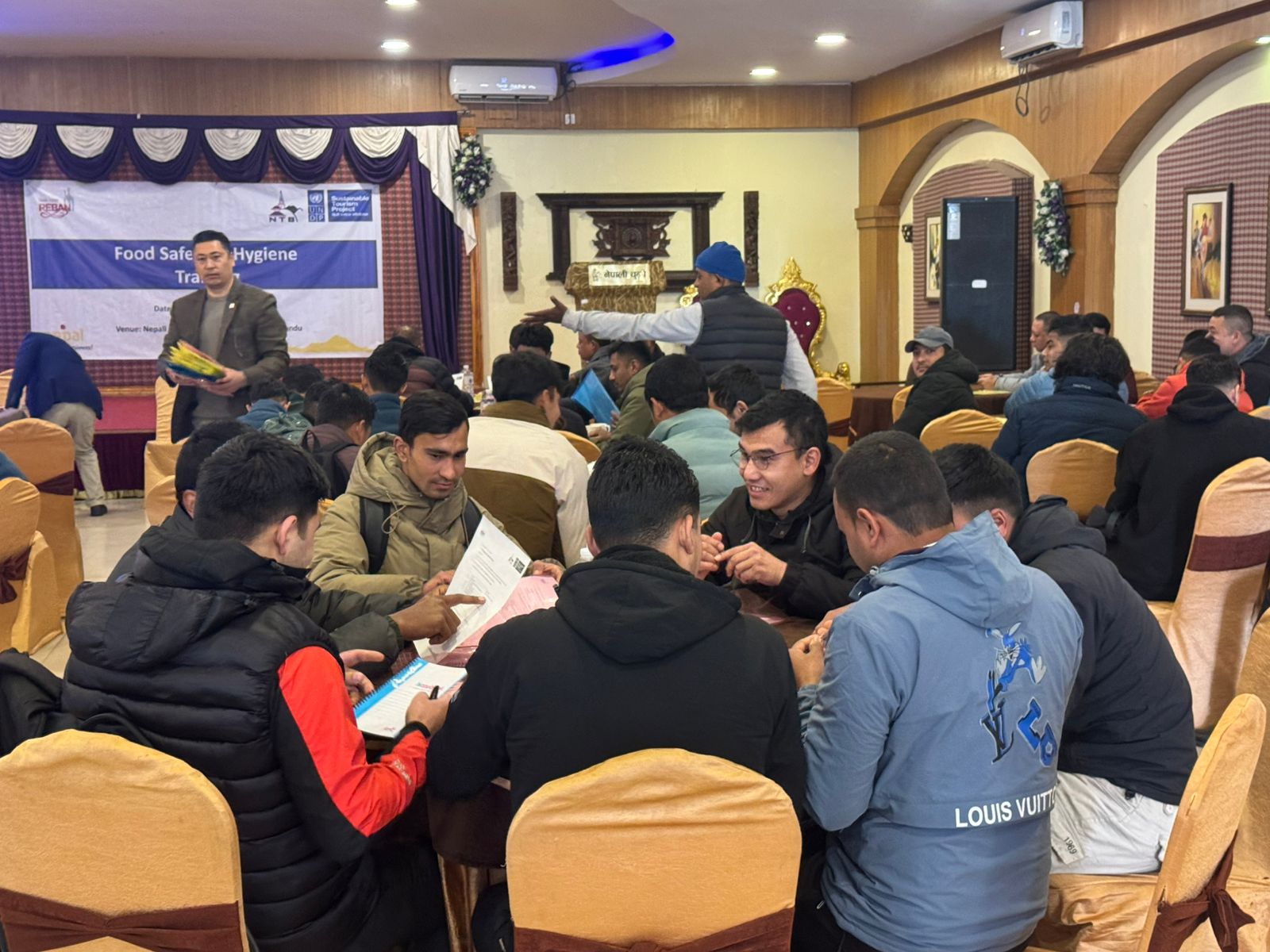
Emphasizing the critical role of food safety in promoting sustainable tourism, a Food Safety and Hygiene Training was officially launched in Kathmandu to improve service quality in Nepal’s hospitality industry. The training is being organized under the Sustainable Tourism Project (STP), a joint initiative of the Nepal Tourism Board (NTB) and the United Nations Development Programme (UNDP), in collaboration with the Restaurant and Bar Association Nepal (REBAN).
The program underscores the growing recognition that food safety and hygiene are not only essential for public health but also fundamental to building a trustworthy, competitive, and sustainable tourism destination. With Nepal welcoming an increasing number of international and domestic tourists, ensuring safe and hygienic food services has become a priority for maintaining the country’s tourism reputation.

Food Safety as a Pillar of Sustainable Tourism
Speaking on the occasion, STP Project Manager Dharma Raj Dawadi highlighted that food safety and hygiene are among the most sensitive and foundational aspects of sustainable tourism development. He stated that the training was designed specifically for hotels and restaurants directly involved in tourism to enhance the quality of food and beverage services, thereby improving tourist health, satisfaction, and overall confidence in Nepal as a destination.
“Food safety is not just a technical issue; it is directly linked to a tourist’s experience and perception of a destination,” Dawadi said. “If we fail to ensure safe and hygienic food, it can pose serious health risks to visitors and significantly damage Nepal’s tourism image and credibility at the international level.”
He further emphasized that problems arising from foodborne diseases, unhygienic kitchens, improper storage, and unsafe food preparation practices can lead to long-term negative impacts on the tourism sector. Such issues, if not addressed systematically, can discourage repeat visits and weaken Nepal’s competitiveness in the global tourism market.
Enhancing Trust, Satisfaction, and Destination Image
According to Dawadi, prioritizing food safety is essential to attracting international tourists and encouraging them to extend their length of stay. “Tourists tend to perceive destinations that strictly follow hygiene and safety standards as safe, responsible, and high-quality,” he explained. “This perception plays a crucial role in repeat visits and positive word-of-mouth promotion, which are vital for sustainable tourism growth.”
He added that investing in food safety and hygiene training should be seen as a strategic, long-term investment, rather than merely a technical or regulatory requirement. Such initiatives help position Nepal as a reliable and responsible tourism destination, capable of meeting international standards while safeguarding public health.
Training Details and Participation
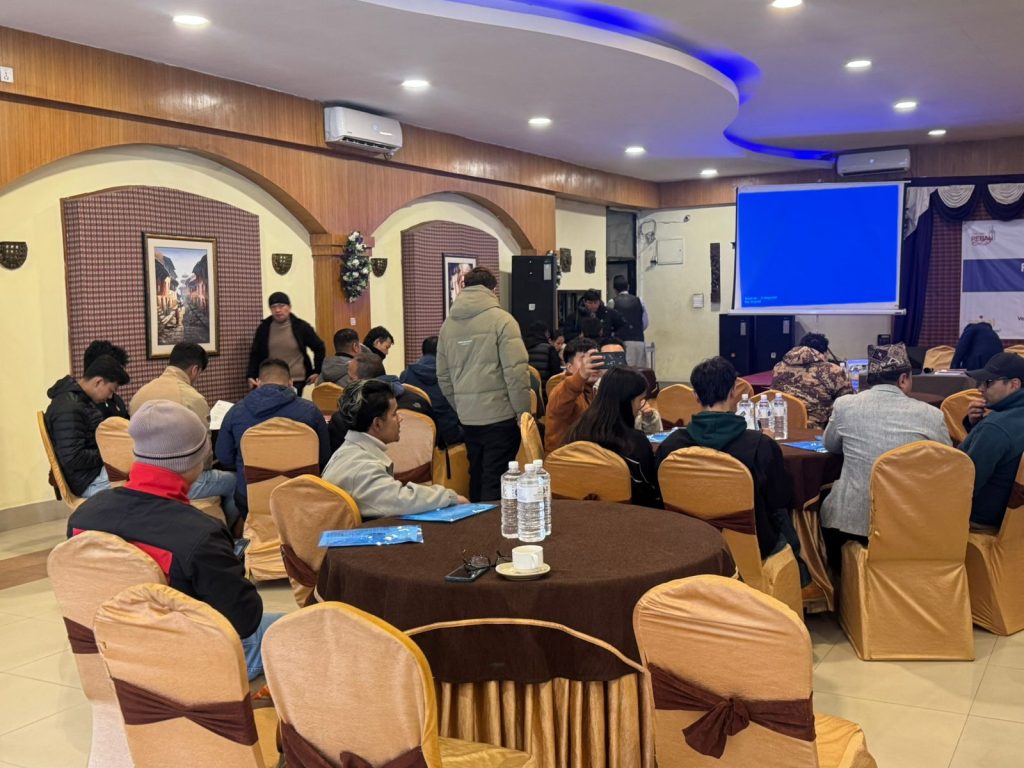
The two-day training, which commenced on December 18, has brought together restaurant operators, management team members, and professional chefs from various hospitality establishments. Participants are receiving comprehensive training on food safety standards, hygiene practices, safe food handling and preparation, and tourist-friendly service quality.
The sessions are designed to be practical and interactive, enabling participants to apply international best practices within their own establishments. By strengthening the knowledge and skills of frontline hospitality workers, the program aims to create a multiplier effect across the tourism value chain.
Strengthening Nepal’s Tourism Competitiveness
Organizers believe that such capacity-building initiatives are essential for aligning Nepal’s tourism industry with global expectations, particularly as travelers become increasingly conscious of health, hygiene, and sustainability. The collaboration between NTB, UNDP, and REBAN reflects a shared commitment to elevating service standards while supporting the long-term resilience of the tourism sector.
The Sustainable Tourism Project has been actively working to integrate sustainability principles into tourism development, and food safety is now recognized as a key component of this broader vision. Ensuring hygienic and safe food services not only protects tourists but also benefits local communities, businesses, and workers by fostering trust and economic stability.

Toward a Safe and Responsible Tourism Destination
The organizers expressed confidence that the food safety and hygiene training will contribute significantly to Nepal’s efforts to establish itself as a safe, responsible, and sustainable tourism destination. As tourism continues to recover and expand, initiatives like this are expected to play a vital role in strengthening institutional capacity, improving service quality, and enhancing Nepal’s global tourism brand.
By placing food safety at the heart of sustainable tourism, the program marks an important step toward ensuring that Nepal’s hospitality sector meets international standards while delivering safe, satisfying, and memorable experiences to visitors from around the world.