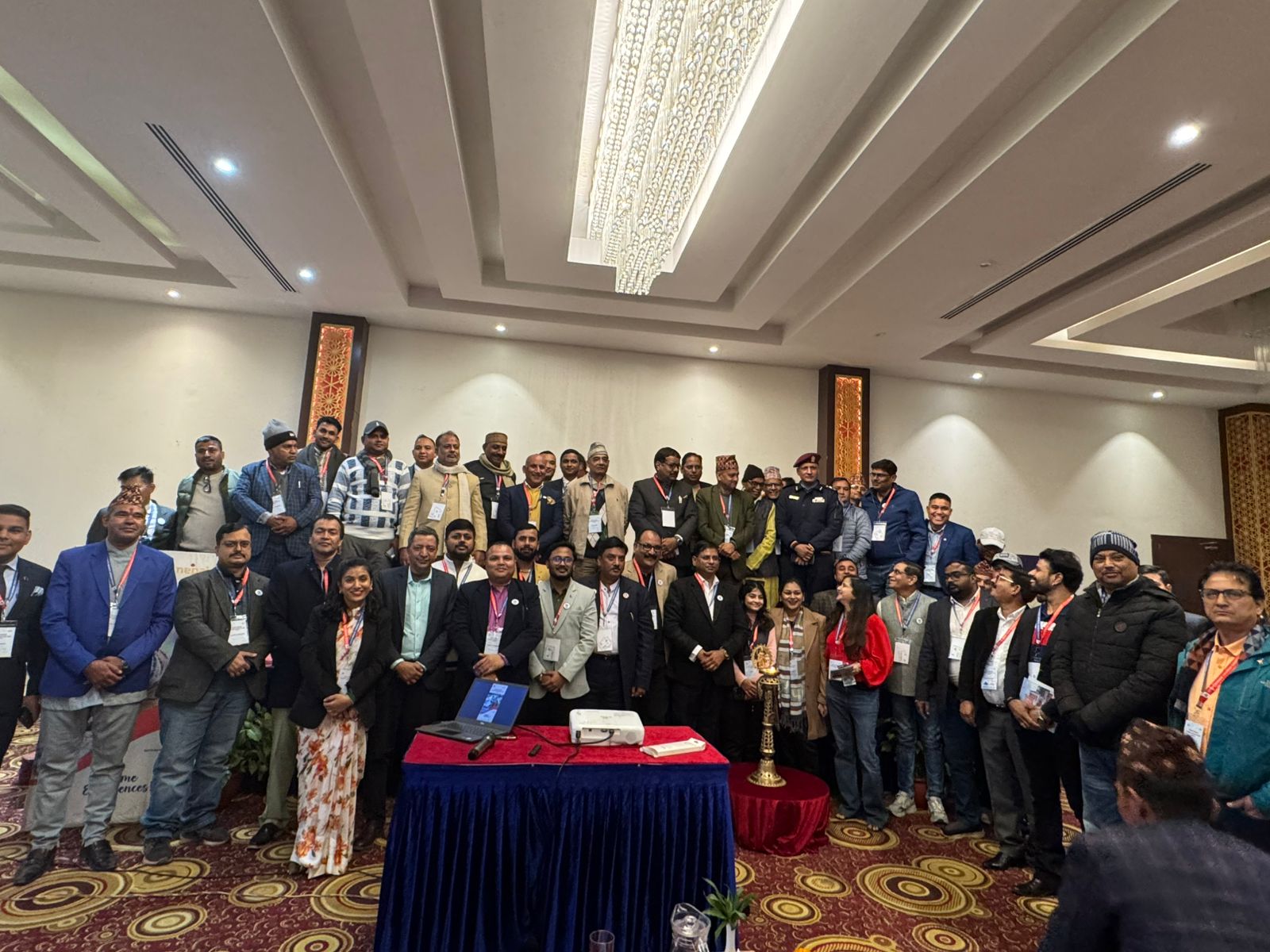
To strengthen tourism cooperation between Nepal and India and facilitate smoother cross-border travel, a three-day Nepal–India Cross-Border Tourism Conclave officially commenced on Friday in Nepalgunj. The conclave has brought together tourism entrepreneurs, policymakers, security officials, and key stakeholders from both countries to identify practical solutions for enhancing tourist mobility and increasing the flow of Indian visitors.

Organized by the Nepal Tourism Board (NTB) in coordination with the Nepal Association of Tour and Travel Agents (NATTA), Banke Chapter, the conclave aims to address long-standing challenges in cross-border tourism while unlocking the vast potential of Nepalgunj as a strategic tourism gateway. The event has attracted participation from Nepali and Indian tour operators, travel writers, media representatives, and tourism professionals, underscoring its regional significance.
Inauguration Highlights the Importance of Nepalgunj
The conclave was inaugurated by Nepalgunj Sub-Metropolitan City Mayor Prashant Bista, who emphasized the city’s importance as a major hub for religious and regional tourism. Addressing the opening ceremony, Mayor Bista noted that Nepalgunj holds immense potential to attract Indian pilgrims and leisure travelers, but achieving this requires coordinated efforts among local governments, the private sector, and central authorities. He stressed that improving infrastructure, hospitality services, and cross-border facilitation would be key to positioning Nepalgunj as more than just a transit point.
Panel Discussion on Strengthening Cross-Border Connectivity
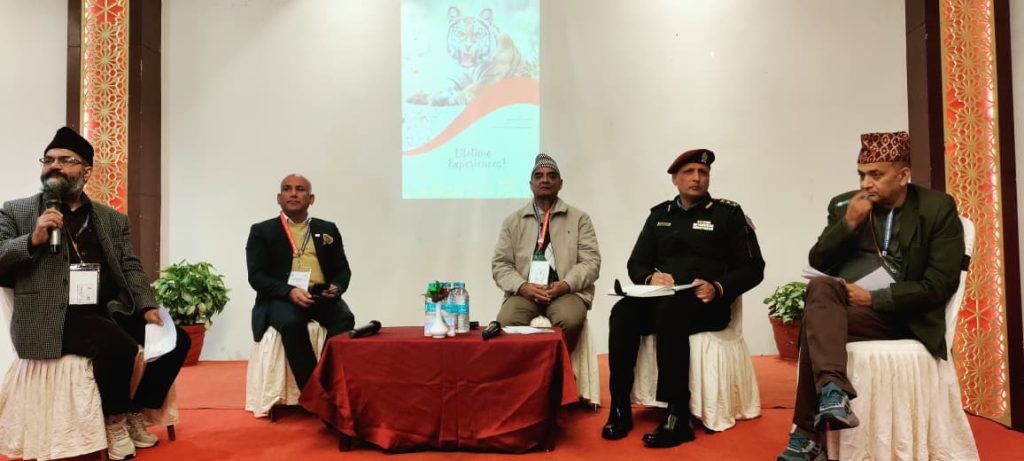
The first panel session focused on the theme “Strengthening Nepal–India Cross-Border Tourism Connectivity.” The discussion featured NTB CEO Deepak Raj Joshi, former Mayor of Nepalgunj Dhabal Shamsher Rana, Banke District Police Chief (SP) Angur GC, and former NATTA Banke President Shreeram Sigdel. Panelists engaged in an in-depth dialogue on operational, administrative, and behavioral challenges that currently affect tourist movement across the border.
Participants highlighted that excessive security checks, inconsistent procedures, and unfriendly treatment at border points often discourage tourists. Speakers emphasized the need for more practical, tourist-friendly protocols while maintaining security standards. This place was described as a key gateway to Karnali and Sudurpaschim provinces, with strong potential to evolve into a tourism hub rather than remaining a mere transit city.
Concerns and Suggestions from Indian Stakeholders
Indian tour operators and journalists participating in the conclave openly shared their experiences and concerns. Several speakers pointed out the need to improve the behavior and communication approach of security personnel toward tourists. They also proposed the formation of a Nepal–India Joint Tourism Council to address cross-border tourism issues through continuous dialogue and coordinated action.
Security Commitment with a Tourist-Friendly Approach
Banke Police Chief Angur GC acknowledged the existing challenges in balancing border security with visitor convenience. He assured participants of the police administration’s commitment to providing tourist-friendly services while ensuring safety. He revealed that preparations are underway to digitize security check processes at border points to reduce delays and inconvenience. “These issues have persisted for decades, and the time for action is now,” he stated, adding that collaboration with tourism stakeholders would be prioritized.
NTB Emphasizes Market Potential
NTB CEO Deepak Raj Joshi highlighted the immense tourism prospects of Banke and Nepalgunj, stating that cross-border initiatives like this conclave play a vital role in destination promotion. He described the country as an emerging hub for wedding tourism, wellness retreats, and wildlife experiences, all of which are highly appealing to the Indian market. He also noted that recent improvements in payment systems have eased earlier difficulties faced by Indian tourists.
Vision for Connectivity and Destination Development
Program coordinator and former NATTA Banke President Shreeram Sigdel proposed positioning Nepalgunj as a premium wedding destination and advocated for the introduction of direct flights between Delhi and Nepalgunj. Former Mayor Dhabal Shamsher Rana echoed these views, stressing that simplifying border procedures and effectively showcasing its true tourism potential should be immediate priorities.
Religious tourism emerged as a key theme during the discussions. Hotel Association Nepal central member Diwakar Khanal emphasized the potential of developing integrated religious circuits such as Pashupatinath–Kedarnath, Janakpur–Ayodhya, and Lumbini–Bodhgaya, which could significantly boost pilgrim travel between the two countries. Bageshwori Temple’s chief priest Chandranath Yogi added that the growth of religious institutions naturally drives tourism expansion.
Exhibitions, B2B Sessions, and Experiential Activities
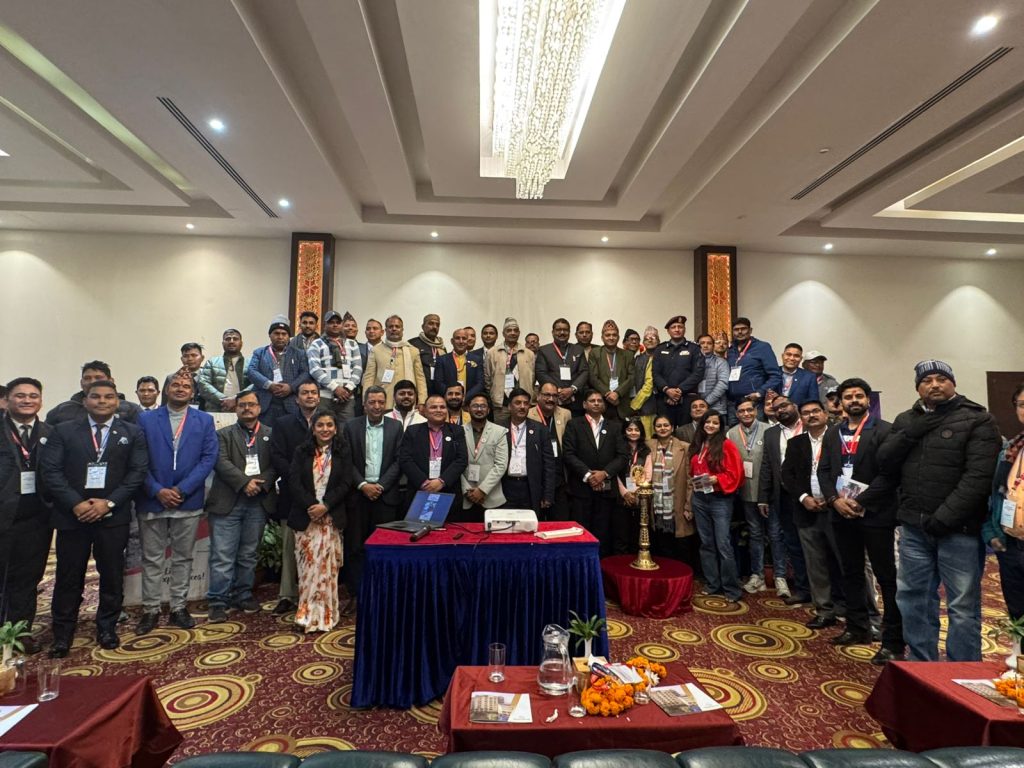
The conclave features 32 exhibition stalls and hosts around 40 Indian tour operators. Its agenda includes B2B meetings, tourism experience-sharing sessions, policy dialogues, cultural performances, and a jungle safari at Banke National Park scheduled for Sunday. NATTA Banke Chapter President Dilliram Regmi stated that the conclave has emerged as an effective platform to energize cross-border tourism and build lasting partnerships.

By fostering dialogue, trust, and collaboration, the Nepal–India Cross-Border Tourism Conclave is expected to play a crucial role in strengthening regional tourism ties and unlocking new economic opportunities for both nations.