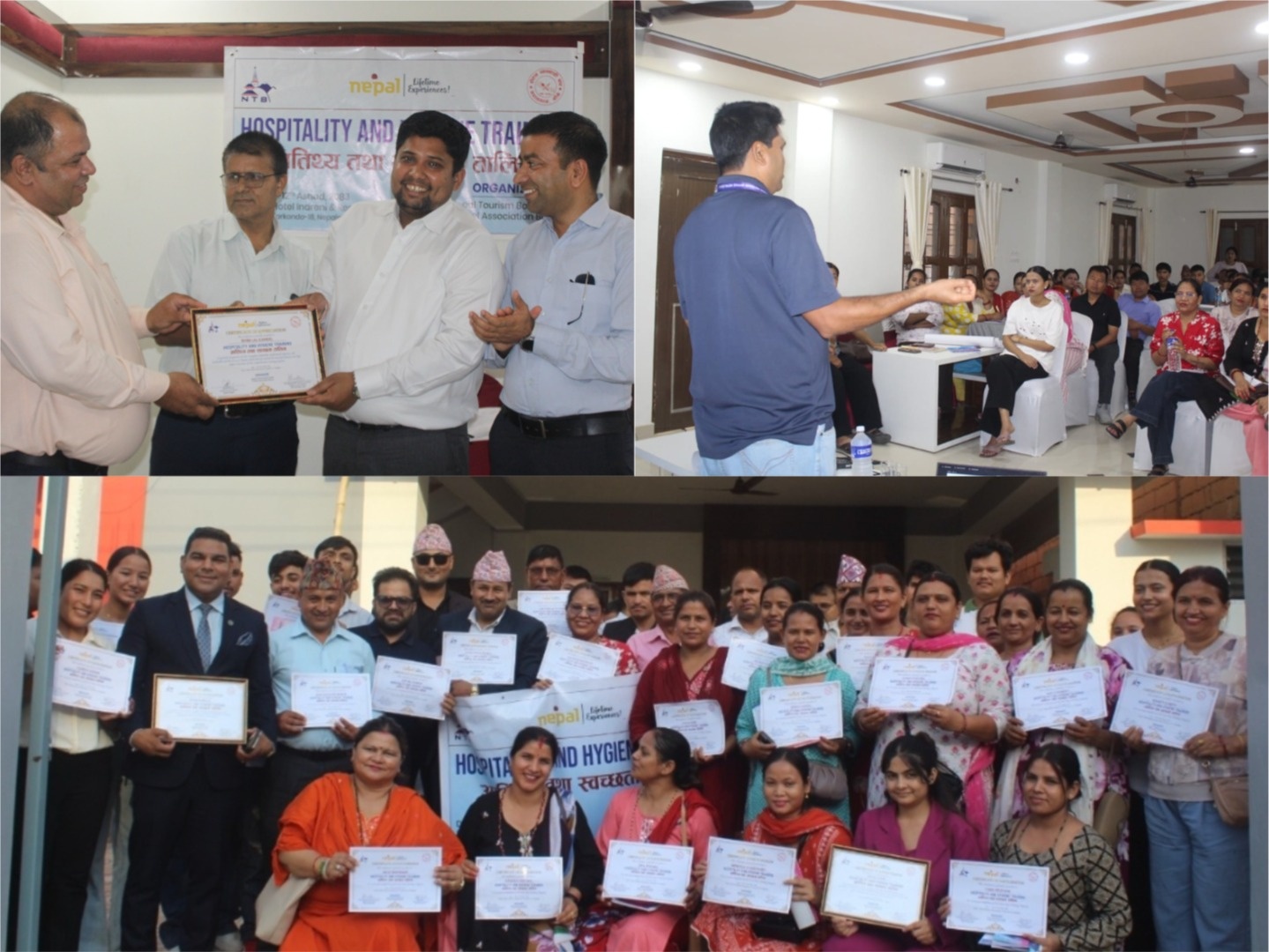
A two-day intensive training program aimed at improving service quality, strengthening professional capacity, and enhancing competitiveness within Nepal’s hospitality and tourism sector concluded successfully in Nepalgunj.
The “Hospitality and Hygiene Training” program was organized by Nepal Tourism Board in collaboration with Hotel Association Banke Nepalgunj with the objective of making tourism services more customer-friendly, quality-driven and professionally managed while strengthening operational standards in Nepal’s growing hospitality industry.
The training program was conducted under Nepal Tourism Board’s national tourism promotion initiative “Nepal Lifetime Experiences”, which focuses on enhancing tourism service quality and improving visitor experiences across major tourism destinations of the country.
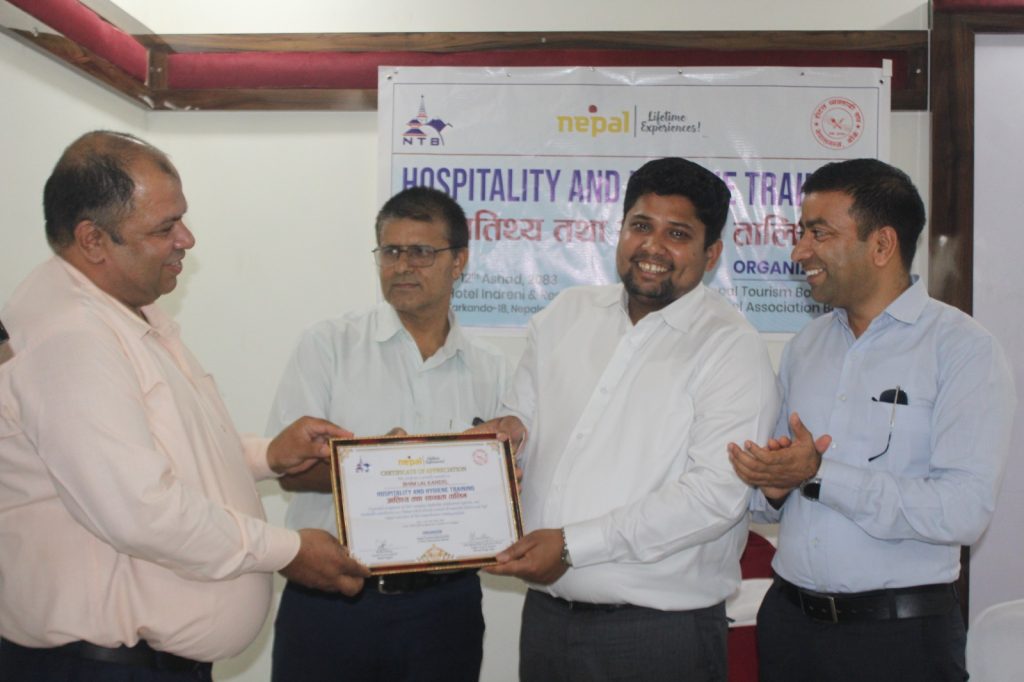
More Than 50 Hospitality Entrepreneurs Participate from Three Districts
According to organizers, the two-day capacity development program saw participation from more than 50 hotel entrepreneurs and management-level employees representing the districts of Banke District, Bardiya District and Dang District.
The training was designed to address key operational challenges within hotels and tourism businesses while equipping participants with practical skills necessary to meet evolving service expectations in an increasingly competitive tourism market. Officials said improving service standards remains essential as Nepal works to strengthen its tourism sector and attract higher-value domestic and international visitors.
Experts Provide Practical Training on Hospitality and Service Management
Throughout the two-day program, participants received hands-on and skill-based training on a wide range of subjects directly connected to hotel management and tourism operations.
Tourism experts Badri Koirala and Sangam Kandel led sessions covering hospitality services, customer care, service management, professional grooming, sanitation standards, hospitality culture and tourism business management practices.
The sessions focused heavily on improving guest experience, maintaining professional service etiquette and strengthening operational management systems required for modern hospitality businesses. Organizers said practical learning was prioritized to ensure participants could directly implement the lessons within their businesses.
Focus on Food Safety, Tax Administration and Operational Standards
Additional technical sessions were delivered by experts from government institutions. Chief of the Office of Food Technology and Quality Control Prashant Pokhrel provided specialized training on food hygiene, food safety standards and quality control measures, areas considered increasingly important within Nepal’s hospitality sector.
Officials from the Inland Revenue Office also participated in the training program. On the first day, Office Chief Purna Prasad Neupane facilitated sessions focused on tax administration procedures, while Tax Officer Udayaram KC continued discussions on the second day, helping hotel entrepreneurs better understand tax compliance and regulatory responsibilities required in operating tourism businesses.
Organizers noted that strengthening legal and operational awareness among business owners is critical for building a more professional and sustainable tourism industry.
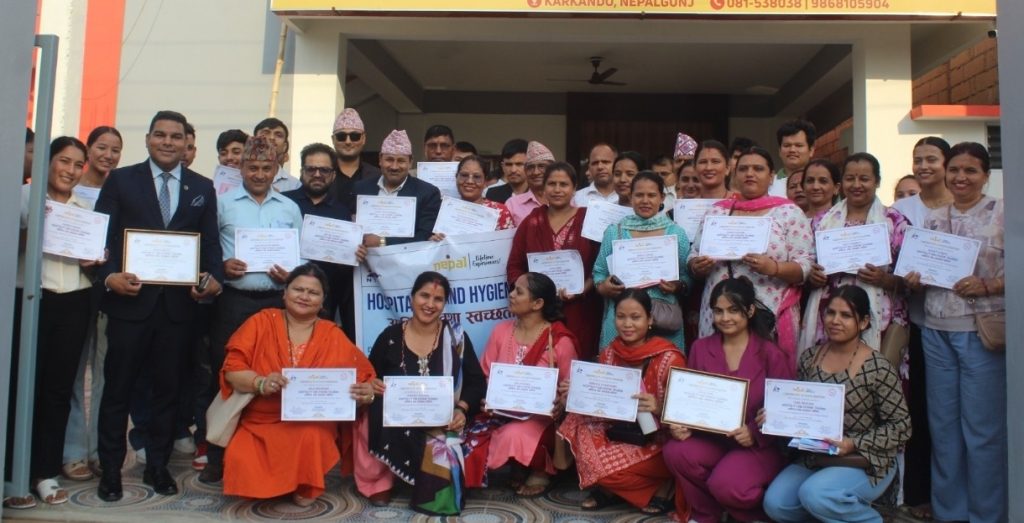
Digital Marketing and Artificial Intelligence Introduced for Tourism Promotion
Recognizing the growing importance of digital technology in tourism marketing, journalist and digital trainer Sajal Gairhe conducted sessions on the use of Artificial Intelligence (AI) for business promotion and modern tourism marketing strategies.
Participants were trained on creating effective promotional photographs and videos, digital advertising, online business promotion, content creation and marketing strategies designed to improve visibility and attract more customers through digital platforms.
The inclusion of AI and digital marketing sessions reflected Nepal’s broader shift toward integrating technology-driven business practices into the tourism sector as businesses increasingly rely on online platforms for customer engagement.
Nepal Tourism Board Highlights Nepalgunj’s Tourism Potential
Speaking at the closing ceremony, Senior Officer of Nepal Tourism Board Robin Regmi emphasized Nepal’s strategic geographical advantage between two major tourism markets, India and China, stating that Nepal can significantly benefit by utilizing this location advantage for tourism growth.
Presenting Pokhara as an example of successful tourism-driven economic development, he noted that Nepalgunj also holds strong tourism potential and local entrepreneurs should actively work toward positioning the city as an important destination.
Regmi also informed participants that Nepal Tourism Board is currently conducting similar capacity development programs across all seven provinces of Nepal to improve service standards and professional competency within the hospitality sector nationwide.
Industry Representatives Stress Need for Continuous Skill Development
During the program, President of NATTA Banke Dilliraj Regmi, Senior Vice President of Hotel Association Nepal Banke Keshav Neupane, participating entrepreneurs Prem Basnet and Goma Pokhrel, among others, stressed the importance of such training programs for improving the overall quality and competitiveness of Nepal’s tourism industry.
Chairing the event, President of Hotel Association Banke Nepalgunj Bhimlal Kandel said the primary objective of the training was to improve the professional capacity of both hotel entrepreneurs and management staff. He emphasized that participants should apply the knowledge gained during training in practical business operations so that visible improvements in service quality can be achieved.
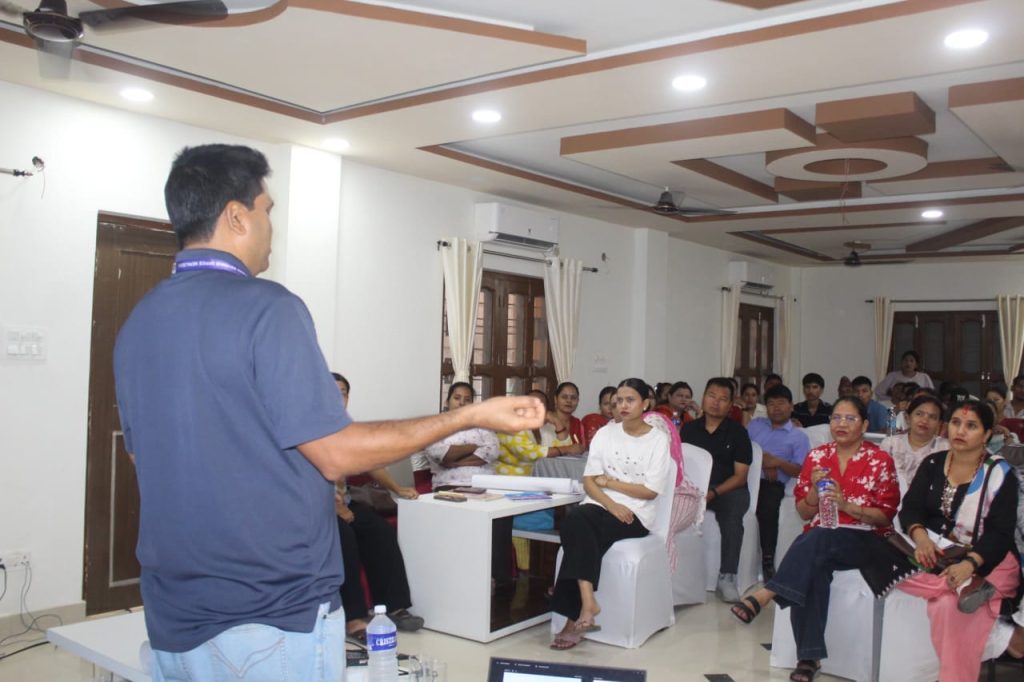
Comprehensive Topics Covered Beyond Hospitality Services
In addition to service management and customer relations, the training also covered waste management systems, pest control measures, health and workplace safety, emergency response planning, promotional material design, printing strategies and business action plan development.
Participants received practical exposure to a wide range of operational areas essential for modern tourism businesses, from maintaining cleanliness and safety standards to improving food quality management and expanding market outreach strategies.
Tourism stakeholders say such initiatives will play an important role in building a stronger, more service-oriented hospitality sector capable of meeting international standards while improving Nepal’s overall tourism competitiveness.