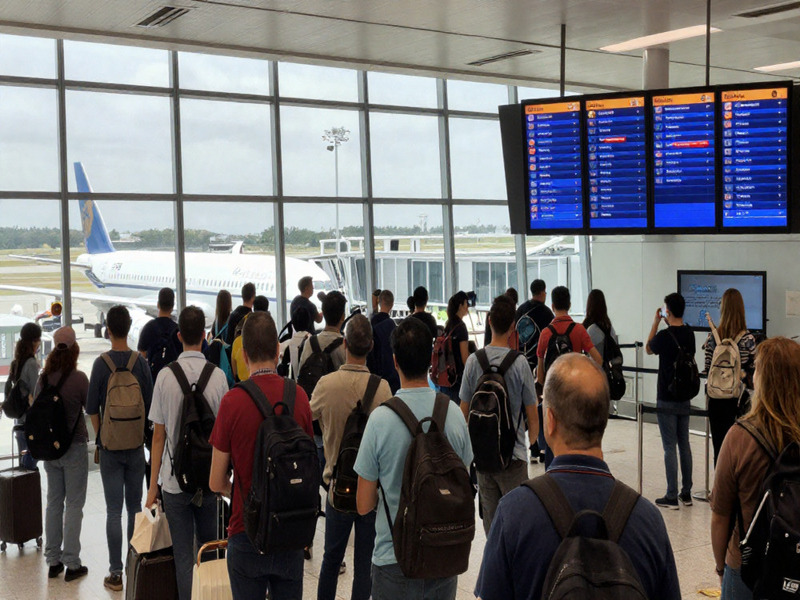
Thailand’s tourism industry, a cornerstone of its economy, is grappling with significant challenges as rising global travel costs and ongoing political instability disrupt international travel. The combination of soaring fuel prices and geopolitical tensions in regions such as the Middle East is pushing travel expenses higher, making it increasingly difficult for tourists to visit the country. These developments threaten Thailand’s ambitious goal of attracting 35 million international visitors in 2026, with projections now indicating a potential decline in tourist arrivals that could cost the nation billions in revenue.
Rising Travel Costs and Declining Visitor Numbers
According to the Ministry of Tourism and Sports, Thailand could lose up to three million international visitors in 2026, nearly 10% of the previous year’s total. The core issue stems from soaring fuel prices, which have raised airline ticket costs and other travel expenses worldwide. This has made both short- and long-haul travel less accessible, particularly for tourists from Europe and North America who were expected to help restore post-pandemic tourism figures.

The Ministry warns that even in a best-case scenario where geopolitical tensions ease, a drop of one to two million visitors is still likely. Analysts project that foreign arrivals could return to 2023 levels, around 28 million, potentially resulting in a revenue loss of 150 billion baht, approximately 10% of Thailand’s annual tourism income.
Regional Markets and Recovery Challenges
Thailand’s tourism sector relies heavily on visitors from nearby Asian countries, including China, India, and ASEAN nations. However, the slow recovery of European and other long-haul markets continues to impede the industry’s rebound. This dependence highlights the need for strategic measures to attract diverse visitor groups and maintain a steady flow of international tourism despite global uncertainties.
Diversifying Tourism Offerings
In response to these challenges, the Thai government is actively exploring avenues to diversify the tourism sector. A significant focus has been placed on medical tourism, leveraging Thailand’s world-renowned hospitals such as Bangkok Hospital and Bumrungrad Hospital, which are celebrated for cutting-edge treatments and international patient care. Medical tourism not only provides high-value revenue streams but also strengthens Thailand’s position as a global destination for health-conscious travelers.
Authorities are also targeting short-haul regional tourists, encouraging travel from neighboring countries to offset declines in long-haul arrivals. Promotional campaigns and travel packages tailored for regional visitors aim to sustain domestic tourism while mitigating the impact of reduced international travel.
Government Incentives and Domestic Support
To further stimulate the tourism sector, the Thai government is considering a range of domestic incentives, including:
- Tax allowances for tourism-related expenditures
- Financial relief for hotels struggling with low occupancy rates
- Fuel rationing and subsidies for tour buses to lower operational costs
- Incentives for domestic travelers to explore Thailand, boosting internal tourism circulation
These measures aim to protect both the industry and local communities dependent on tourism income, ensuring that Thailand’s tourism ecosystem remains resilient amid external pressures.
Economic Significance of Tourism
Tourism contributes approximately 12% of Thailand’s GDP, underscoring the sector’s critical role in the national economy. Any significant downturn in visitor numbers directly impacts revenue, employment, and local economies, particularly in regions that rely heavily on international tourism. Stakeholders emphasize that prompt action and innovative strategies are crucial to prevent long-term stagnation and maintain Thailand’s competitiveness as a top global travel destination.
Outlook for 2026 and Beyond
The recovery of Thailand’s tourism sector hinges on multiple factors:
- Global political stability, particularly in the Middle East
- Stabilization of fuel prices and recovery of the aviation industry
- Diversification of tourism offerings, including medical and regional tourism
- Effective management of domestic and international travel strategies
Experts warn that without timely intervention, Thailand may face prolonged stagnation in tourism numbers, delaying a return to pre-pandemic levels and affecting broader economic growth.
Adapting to the New Travel Landscape
Thailand’s tourism authorities and industry leaders are focused on adaptation and innovation as key strategies to navigate current challenges. Efforts to attract regional travelers, promote medical tourism, and provide domestic incentives demonstrate the country’s proactive approach to maintaining visitor flows.
While uncertainty remains, these initiatives offer hope that Thailand can stabilize its tourism sector and preserve its status as one of the world’s most beloved travel destinations. The coming months will be crucial in determining whether these strategies can offset global disruptions and ensure continued growth and sustainability.

Thailand’s tourism industry stands at a crossroads. Rising fuel prices, geopolitical instability, and shifting travel patterns present significant hurdles, but strategic diversification, domestic incentives, and a focus on medical and regional tourism could help mitigate losses. With 35 million international visitors still in sight, the nation’s ability to adapt, innovate, and manage both domestic and international strategies will define the future of its tourism sector.
For travelers, investors, and policymakers alike, Thailand remains a land of opportunities, promising rich cultural experiences, pristine beaches, bustling cities, and world-class healthcare tourism, provided the industry navigates the current global challenges effectively.